Woven polypropylene bags have emerged as a cornerstone of modern industrial packaging, providing an unparalleled balance of strength, lightweight properties, and cost-effectiveness. Across the globe, from agricultural hubs to chemical processing plants, these versatile containers ensure that bulk materials are transported safely and efficiently, minimizing product loss and optimizing logistics.
The global reliance on these packaging solutions is driven by the inherent properties of polypropylene, a thermoplastic polymer known for its exceptional tensile strength and resistance to chemical solvents. In an era where supply chain resilience is paramount, the ability to utilize packaging that withstands harsh environmental conditions while remaining affordable is a critical competitive advantage for manufacturers.
Understanding the technical nuances of woven polypropylene bags allows businesses to select the right specifications for their specific cargo, whether it be grains, minerals, or synthetic powders, ensuring maximum durability and operational safety.

Global Industrial Relevance of PP Woven Packaging
The global demand for robust packaging has skyrocketed as international trade volumes increase. Woven polypropylene bags serve as a vital link in the global supply chain, particularly for the transport of bulk commodities such as rice, flour, sugar, and various chemicals. According to international trade standards and ISO guidelines, the shift toward high-strength polymer packaging has significantly reduced the rate of material spoilage during long-haul maritime transport.
Beyond simple containment, these bags address the critical challenge of weight-to-strength ratios. By utilizing a woven structure rather than a solid film, manufacturers can create containers that support hundreds of kilograms of weight while contributing negligible mass to the overall shipment, thereby reducing fuel costs and carbon footprints for global shipping fleets.
Defining the Structure of Woven Polypropylene Bags
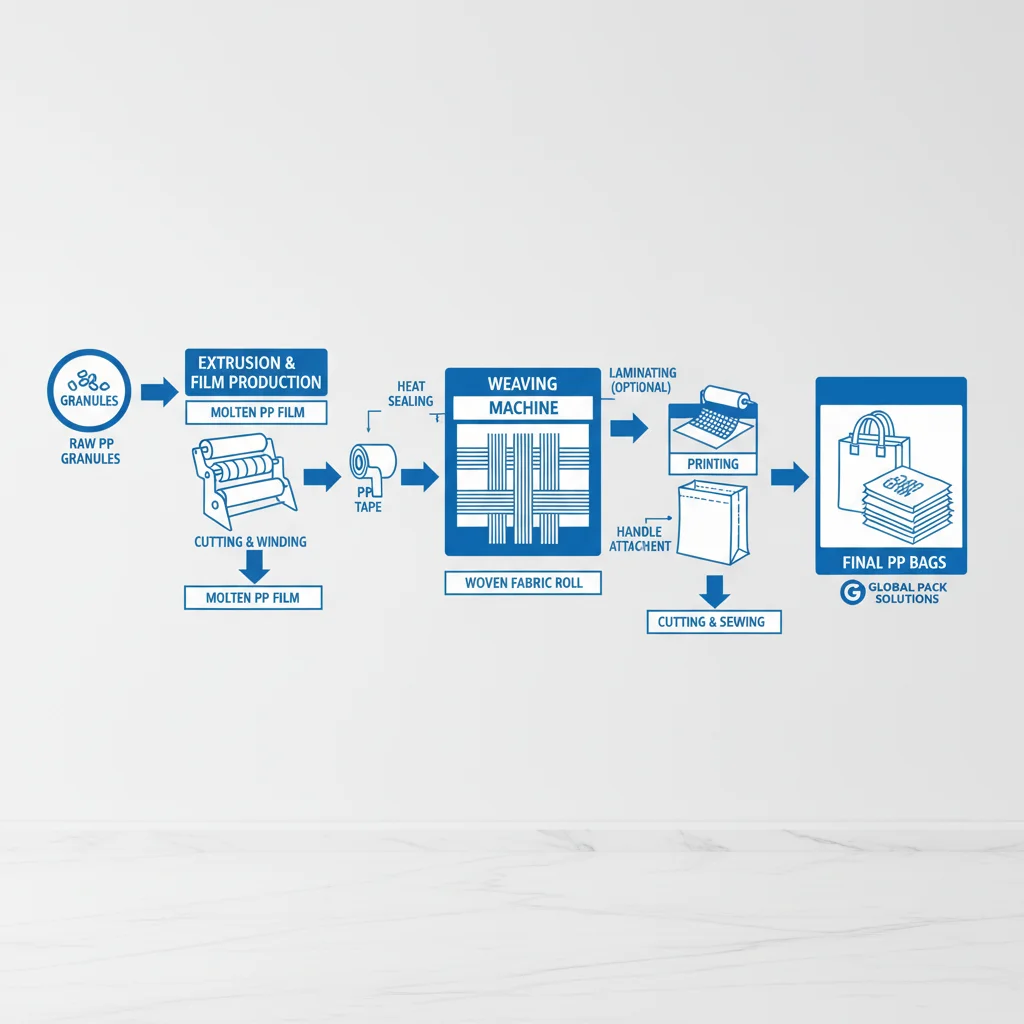
In simple terms, woven polypropylene bags are created by weaving polypropylene plastic strips in two directions—the warp and the weft. This interlacing process creates a fabric that is far more durable than non-woven alternatives, offering high tear resistance and the ability to withstand significant internal pressure without bursting.
This structural design is intrinsically linked to modern humanitarian and industrial needs. For instance, during emergency food distribution programs managed by global NGOs, the reliability of the packaging is non-negotiable. The woven nature of the material ensures that supplies can be dropped or stacked in unstable environments without compromising the integrity of the contents.
Furthermore, the versatility of the material allows for various modifications, such as lamination for moisture protection or the addition of UV stabilizers to prevent degradation under prolonged sunlight exposure, making them ideal for outdoor storage in diverse climatic zones.
Core Components and Material Engineering
The primary strength of woven polypropylene bags lies in the molecular structure of the polypropylene resin. This polymer is selected for its high melting point and chemical inertness, ensuring that the bags do not react with the materials they contain, which is critical for agricultural and chemical purity.
Another core component is the weaving density, measured in mesh count. A tighter weave in these woven polypropylene bags increases the burst strength and prevents fine powders from leaking through the interstices, while a looser weave might be preferred for breathable applications like onion or potato storage.
Finally, cost-efficiency is engineered through the optimization of the extrusion process. By controlling the width and thickness of the PP tapes before weaving, manufacturers can tailor the bags to specific weight capacities, ensuring that no excess material is used, which minimizes both production costs and environmental waste.
Practical Performance Metrics in Logistics
In the logistics sector, the performance of packaging is measured by its ability to endure the rigors of handling, stacking, and transport. The tensile strength of the woven fabric prevents deformation during high-density stacking in warehouses, allowing for maximum vertical space utilization without risking a collapse of the bottom layers.
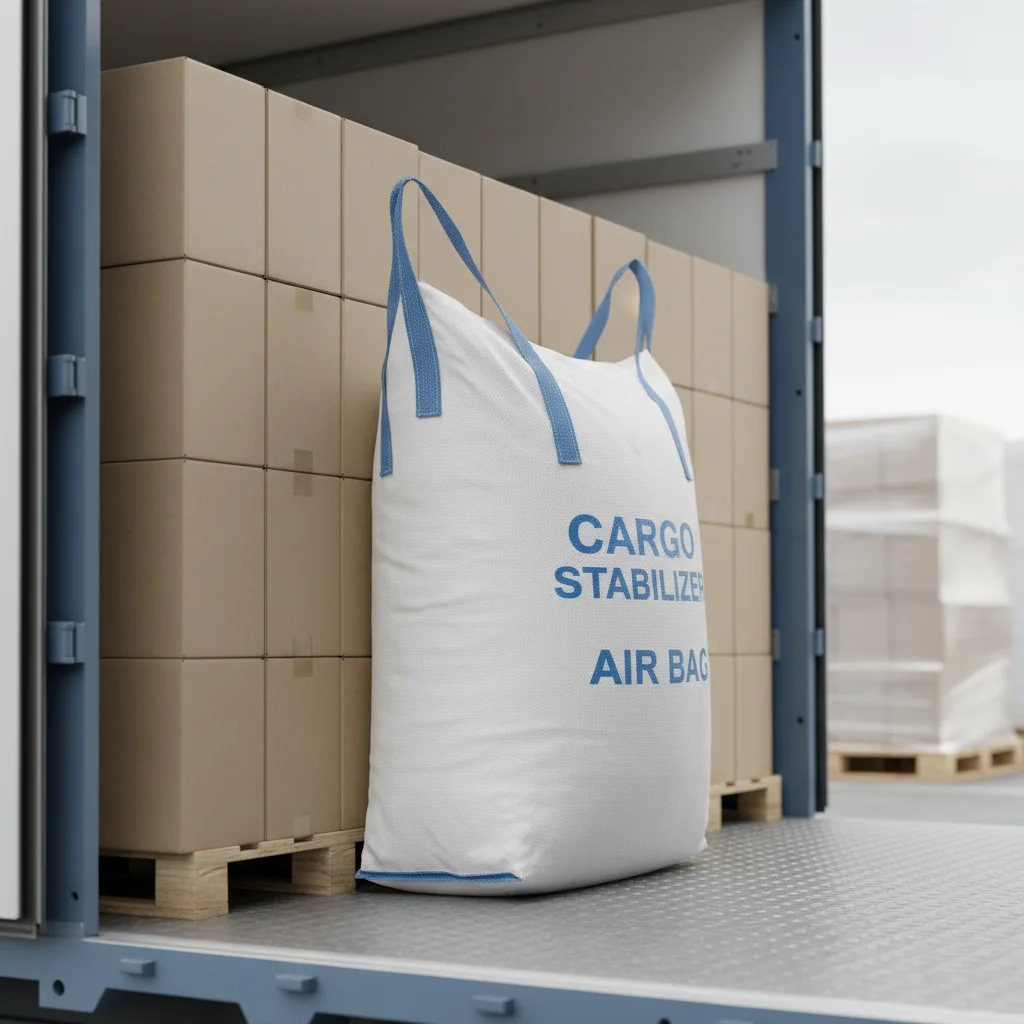
Moreover, the friction coefficient of the woven surface provides a natural grip that prevents bags from sliding during transit on trucks or ships. This inherent stability reduces the need for excessive secondary wrapping, streamlining the loading and unloading processes in fast-paced industrial environments.
Comparison of Woven Polypropylene Bags Performance Metrics
Global Applications and Use Cases
The application of these bags spans across diverse geographies. In Southeast Asia and Africa, they are the primary tool for the agricultural sector, used to transport staples like rice and maize from rural farms to urban markets, protecting the crop from moisture and pests during the journey.
In heavy industrial zones, such as the mining regions of Australia or Canada, heavy-duty versions are used to transport minerals and ores. Their ability to handle abrasive materials without tearing makes them indispensable for the raw materials industry, where traditional plastic bags would fail almost instantly.
Long-Term Value and Economic Advantages
The long-term value of utilizing woven polypropylene bags is found in the reduction of total cost of ownership. Because of their durability, these bags often have a lower failure rate during transport, which translates directly into fewer insurance claims and less product waste for the manufacturer.
From a logical perspective, the lightweight nature of the material reduces shipping costs, while the possibility of recycling the PP resin adds a sustainability layer to the economic model. Businesses that integrate these bags into their supply chain benefit from a reliable, scalable solution that grows with their production volume.
Emotionally, there is a sense of trust and security associated with high-quality packaging. When a customer receives a shipment that is intact and uncontaminated, it reinforces the brand's commitment to quality and reliability, fostering long-term loyalty in competitive B2B markets.
Future Innovations in Sustainable Packaging
The future of the industry is leaning heavily toward the "Circular Economy." Innovations in the chemistry of polypropylene are leading to the development of biodegradable additives that can accelerate the breakdown of the material in landfill conditions, addressing the long-standing challenge of plastic waste.
Additionally, the integration of digital transformation is appearing in the form of Smart Packaging. We are seeing the introduction of RFID tags and QR codes printed directly onto the bags, allowing for real-time tracking of bulk shipments across international borders, enhancing transparency and security in the supply chain.
Automation in the manufacturing process is also increasing, with AI-driven quality control systems now capable of detecting microscopic weaving defects that could lead to bag failure. This ensures a near-zero defect rate, further enhancing the reliability of the product for high-stakes industrial applications.
Analysis of Future Packaging Trends and Sustainability
| Innovation Type | Primary Goal | Impact Score (1-10) | Implementation Stage |
|---|
| Bio-based PP | Reduce Carbon Footprint | 9 | Development |
| RFID Integration | Supply Chain Visibility | 8 | Early Adoption |
| Closed-loop Recycling | Waste Reduction | 10 | Scaling |
| Nano-Coating | Enhanced Moisture Barrier | 7 | Testing |
| AI Quality Control | Zero Defect Rate | 9 | Deployment |
| UV-Reflective Film | Extended Outdoor Life | 6 | Mature |
FAQS
The primary difference is the structural integrity. While traditional plastic bags are made from a single layer of extruded film, woven bags are constructed from interlaced tapes. This creates a fabric that is significantly more resistant to punctures, tears, and bursts, making them suitable for heavy bulk loads that would easily rupture a standard plastic bag.
Yes, polypropylene is generally recognized as safe for food contact. Most woven polypropylene bags used in the agricultural sector are manufactured from virgin resins to ensure there is no contamination. However, it is always recommended to verify that the specific bag has food-grade certification according to the regulations of the destination country.
Polypropylene is naturally sensitive to ultraviolet (UV) radiation. To prevent degradation, manufacturers add UV stabilizers during the extrusion process. When ordering, you should specify the required "UV protection life" (e.g., 6 months or 12 months) based on how long the bags will be exposed to direct sunlight during storage or transport.
Yes, they are 100% recyclable. Polypropylene is a thermoplastic, meaning it can be melted down and reshaped into new products without losing its fundamental properties. Many companies now implement a buy-back or recycling program to collect used bags and convert them into plastic lumber or new industrial pellets.
Non-laminated bags are breathable, which is ideal for products like onions or potatoes. Laminated bags have a thin layer of PP film applied to the surface, making them waterproof and air-tight. This is essential for products that must be protected from moisture, such as fine chemicals, fertilizers, or high-end flour.
The size depends on the bulk density of your material. To determine the correct dimensions, you need to calculate the volume of the weight you intend to pack. Our technical team can help you balance the width, length, and fabric GSM (grams per square meter) to ensure the bag fits the product perfectly without excessive slack.
Conclusion
In summary, woven polypropylene bags represent a critical intersection of material science and logistical efficiency. Their ability to provide high tensile strength, chemical resistance, and cost-effectiveness makes them an indispensable tool for global trade across agriculture, mining, and chemical industries. By understanding the balance between weave density, lamination, and UV stabilization, businesses can significantly reduce waste and optimize their supply chain.
Looking forward, the shift toward sustainable polymers and smart tracking will only enhance the value proposition of these packaging solutions. We encourage manufacturers to embrace circular economy principles and explore advanced material specifications to ensure their packaging is not only durable but also environmentally responsible. For more information on high-performance packaging solutions, visit our website: www.ssjtpack.com.