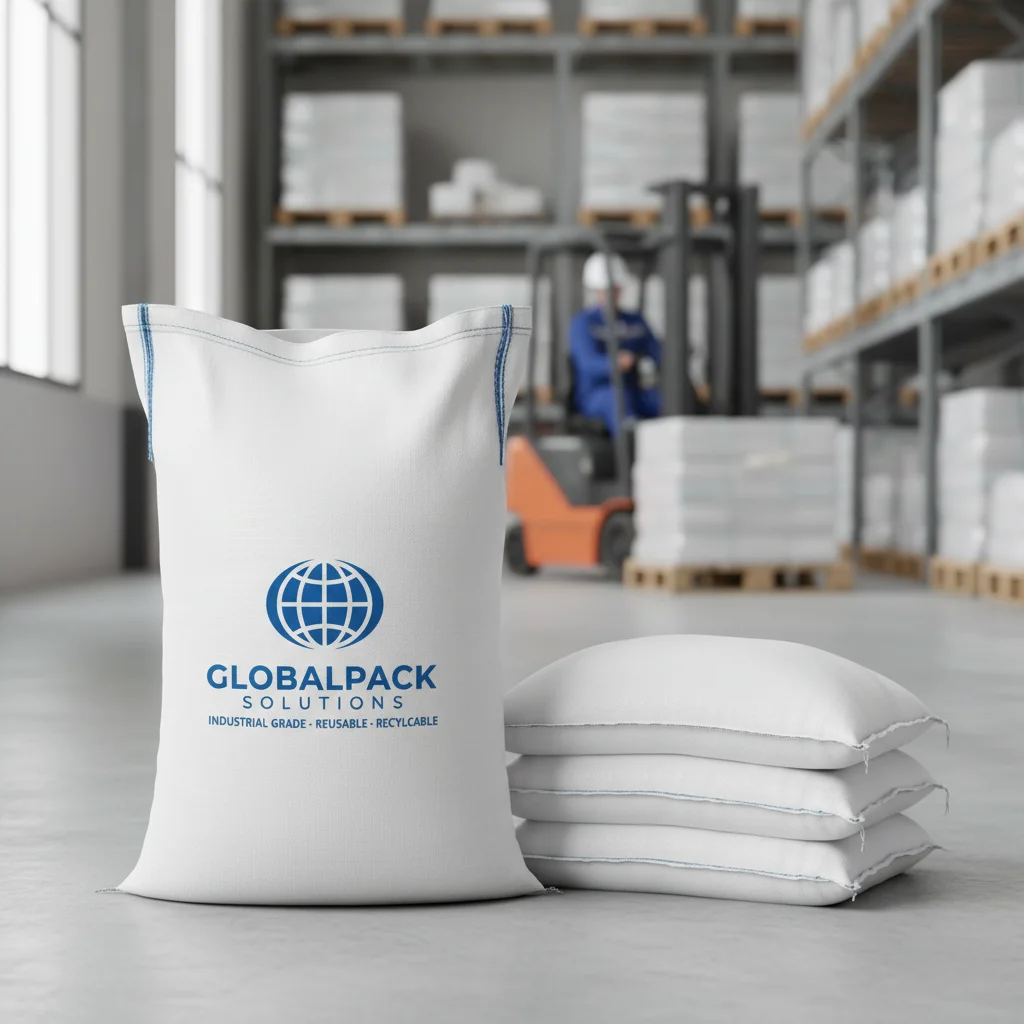
In the fast-paced world of industrial logistics, the demand for high-strength, versatile packaging has led to the widespread adoption of specialized polypropylene solutions. Among these, the concept of d cut pp woven bags represents a critical intersection of material science and functional design, providing a robust method for transporting everything from agricultural yields to hazardous chemicals. By leveraging the inherent strength of virgin polypropylene, these packaging solutions ensure that goods remain secure during long-haul transit.
The global supply chain relies heavily on the structural integrity of woven plastics to reduce product loss and optimize shipping volumes. When industries seek a balance between cost-efficiency and extreme durability, they often turn to the foundational materials used in d cut pp woven bags to ensure their cargo withstands the rigors of stacking and environmental exposure. The evolution of these bags has mirrored the growth of international trade, demanding higher tensile strengths and better UV resistance.
Understanding the technical nuances of the fabrics used in d cut pp woven bags is essential for procurement managers and engineers alike. From the selection of 100% virgin PP resins to the precision of circular weaving technology, every detail contributes to the final performance of the bag. By focusing on the high-density weave and specialized coatings, manufacturers can deliver packaging that not only protects the product but also supports global sustainability goals through recyclability.

The Material Foundation of d cut pp woven bags
The superior performance of d cut pp woven bags begins with the selection of raw materials. By utilizing 100% virgin polypropylene polymers, manufacturers eliminate the inconsistencies found in recycled resins, ensuring that every bag possesses uniform physical properties and chemical purity. This high-grade material is essential for applications where contamination must be avoided and where maximum tensile strength is non-negotiable.
Using advanced circular weaving technology, these virgin polymers are transformed into a high-density fabric that forms the backbone of the packaging. This process creates a seamless structural web that distributes weight evenly across the surface of the bag, significantly reducing the risk of rupture under heavy-load conditions typical in the construction and chemical industries.
Engineering Strength and Structural Integrity
Structural integrity is the primary requirement for any industrial packaging solution. In the case of d cut pp woven bags, this is achieved through a precise balance of fabric weight—ranging from 50 gsm to 150 gsm—and a high-breaking strength in both the warp and weft directions. This ensures that the bags can withstand the dynamic stresses of automated filling lines and rough handling during maritime transport.
The engineering process focuses on minimizing material waste while maximizing load capacity. By optimizing the weave density, manufacturers can produce bags that are lightweight yet capable of carrying tons of material without stretching or tearing. This precision not only improves safety but also optimizes container space utilization, lowering the overall cost of logistics.
Furthermore, the ability to customize the roll width from 1.0m to 6.0m allows for the creation of bags tailored to specific volumetric needs. Whether the goal is to create massive FIBCs or smaller specialized containers, the consistency of the virgin PP fabric ensures that the structural integrity remains constant regardless of the final bag dimensions.
Versatile Finishing and Coating Options
Depending on the cargo, the surface treatment of d cut pp woven bags must vary. For agricultural products like grains or seeds, an uncoated, permeable weave is preferred to allow the product to breathe, preventing moisture buildup and mold growth during storage. This breathability is a key technical feature for organic materials.
Conversely, when transporting fine powders or hazardous chemicals, d cut pp woven bags often feature a PE coating or BOPP lamination. This creates an airtight and water-resistant barrier that prevents leakage and protects the contents from external contaminants, ensuring the purity of the material throughout the supply chain.
The addition of BOPP lamination also provides a superior surface for high-resolution branding and instructions. This means that d cut pp woven bags can serve as both a heavy-duty protective shell and a marketing tool, allowing companies to print detailed safety warnings or brand logos directly onto the durable fabric surface.
Comparative Performance Metrics in Industry
When comparing premium virgin PP fabrics to standard industrial alternatives, the difference in lifespan and efficiency is stark. Premium materials used in d cut pp woven bags typically extend the material life from a standard 12-18 months to a robust 24-36 months, drastically reducing the frequency of replacement and the associated operational costs.
Beyond longevity, the waste rate during the conversion process is significantly lower with high-precision fabrics. While standard fabrics may see waste rates between 5% and 8%, premium virgin PP options often keep waste below 2%, translating to higher material yield and a more sustainable production cycle for bag manufacturers.
Performance Rating of d cut pp woven bags Varieties
Global Applications across Diverse Sectors
The versatility of d cut pp woven bags makes them indispensable across multiple global industries. In the agricultural sector, they are used for the bulk transport of grains and fertilizers, where UV stabilization is critical for bags stored in open fields. In the construction industry, these bags are the gold standard for transporting sand, gravel, and cement, where high tensile strength prevents catastrophic failure during lifting.
Beyond these, the chemical industry relies on laminated versions of these bags to move powders and resins that are sensitive to moisture. Whether it is in the remote industrial zones of Southeast Asia or the highly regulated warehouses of Europe, the ability of these bags to maintain structural integrity under extreme pressure makes them a cornerstone of global trade.
Long-Term Stability and UV Protection
One of the greatest challenges for plastic packaging is degradation caused by ultraviolet (UV) radiation. For d cut pp woven bags intended for outdoor use, manufacturers integrate high-quality UV inhibitors directly into the PP resin before the tape-spinning process. This ensures that the protection is systemic, rather than just a surface coating that can wear off.
This internal stabilization prevents the polymer chains from breaking down under intense sunlight, which would otherwise lead to brittleness and tearing. For companies operating in high-UV regions, such as the Middle East or Australia, this feature is the difference between a bag that lasts three months and one that lasts three years.
Furthermore, the thermal stability of virgin PP allows these bags to withstand temperatures up to 100°C. This heat resistance ensures that the packaging does not warp or lose strength when exposed to the extreme heat of shipping containers in tropical climates, maintaining the safety of the contents.
Sustainability and Future Innovations
As the world moves toward a circular economy, the sustainability of d cut pp woven bags is becoming a focal point. Polypropylene is a thermoplastic polymer, meaning it is 100% recyclable. By using virgin PP, manufacturers create a high-purity product that is easier to recycle at the end of its life cycle compared to contaminated or mixed-material plastics.
Future innovations are focusing on "green" additives and the integration of bio-based polymers to further reduce the carbon footprint of industrial packaging. We are seeing a shift toward digital tracking, where QR codes are integrated into the BOPP lamination to provide real-time data on the bag's origin, material grade, and recycling instructions.
The ultimate goal is to maximize the "Material Life" metric. By extending the durability of the bags, the total volume of plastic entering the waste stream is reduced. When combined with optimized logistics that minimize transport damage, these high-performance bags represent a path toward more sustainable industrialization.
Technical Analysis of d cut pp woven bags Specifications
| Material Grade |
Weave Density |
UV Resistance Level |
Recommended Use |
| 100% Virgin PP |
High (50-150 GSM) |
Advanced |
Hazardous Chemicals |
| Standard PP |
Medium |
Basic |
Short-term Storage |
| Laminated PP |
High |
Moderate |
Fine Powders |
| Coated Virgin PP |
Ultra-High |
Advanced |
Export Grade FIBCs |
| Plain Weave PP |
Medium |
Basic |
Agricultural Grains |
| UV-Stabilized PP |
High |
Maximum |
Outdoor Construction |
FAQS
Using 100% virgin polypropylene ensures maximum chemical purity and consistent physical properties. Unlike recycled materials, virgin PP provides superior tensile strength and prevents contamination, which is critical for food-grade packaging or hazardous chemical transport, ensuring the bag does not fail under extreme stress.
Uncoated fabric is breathable, making it ideal for agricultural products like grains that need ventilation to prevent spoilage. Coated (laminated) fabric creates a water-resistant and airtight barrier, which is essential for fine powders, chemicals, or any product that must be protected from moisture and external leaks.
Yes, we integrate high-quality UV inhibitors directly into the resin during the extrusion process. This means the UV protection is embedded throughout the fabric rather than just applied to the surface, allowing the bags to remain durable even during prolonged exposure to intense sunlight in outdoor storage environments.
While standard PP bags may last 12-18 months, our premium virgin PP woven fabric can extend the lifespan to 24-36 months. This depends on the UV stabilization level and the environmental conditions, but the high-grade material significantly reduces the replacement frequency and lowers long-term costs.
Yes, polypropylene is a thermoplastic polymer, which makes these bags 100% recyclable. By utilizing high-purity virgin PP, the material can be more efficiently repurposed into other plastic products, supporting a circular economy and reducing the environmental footprint of industrial packaging.
We offer extensive customization, including fabric weights from 50 to 150 gsm, adjustable roll widths from 1.0m to 6.0m, and various color options integrated during the extrusion process. This ensures the color is consistent throughout the fabric and does not peel or fade like surface prints.
Conclusion
The implementation of high-grade virgin polypropylene in d cut pp woven bags provides an unparalleled combination of strength, versatility, and longevity. From the precision of circular weaving to the strategic use of UV stabilizers and PE coatings, these packaging solutions address the most rigorous demands of the chemical, agricultural, and construction sectors. By prioritizing material purity and engineering precision, businesses can significantly reduce material waste, lower replacement costs, and ensure the safety of their global supply chains.
Looking forward, the integration of sustainable practices and digital tracking will further elevate the role of these bags in modern industry. As companies strive for a balance between industrial efficiency and environmental responsibility, investing in premium, recyclable PP woven materials is a strategic necessity. To optimize your packaging performance and reduce operational risks, we invite you to explore our professional solutions. Visit our website: www.ssjtpack.com