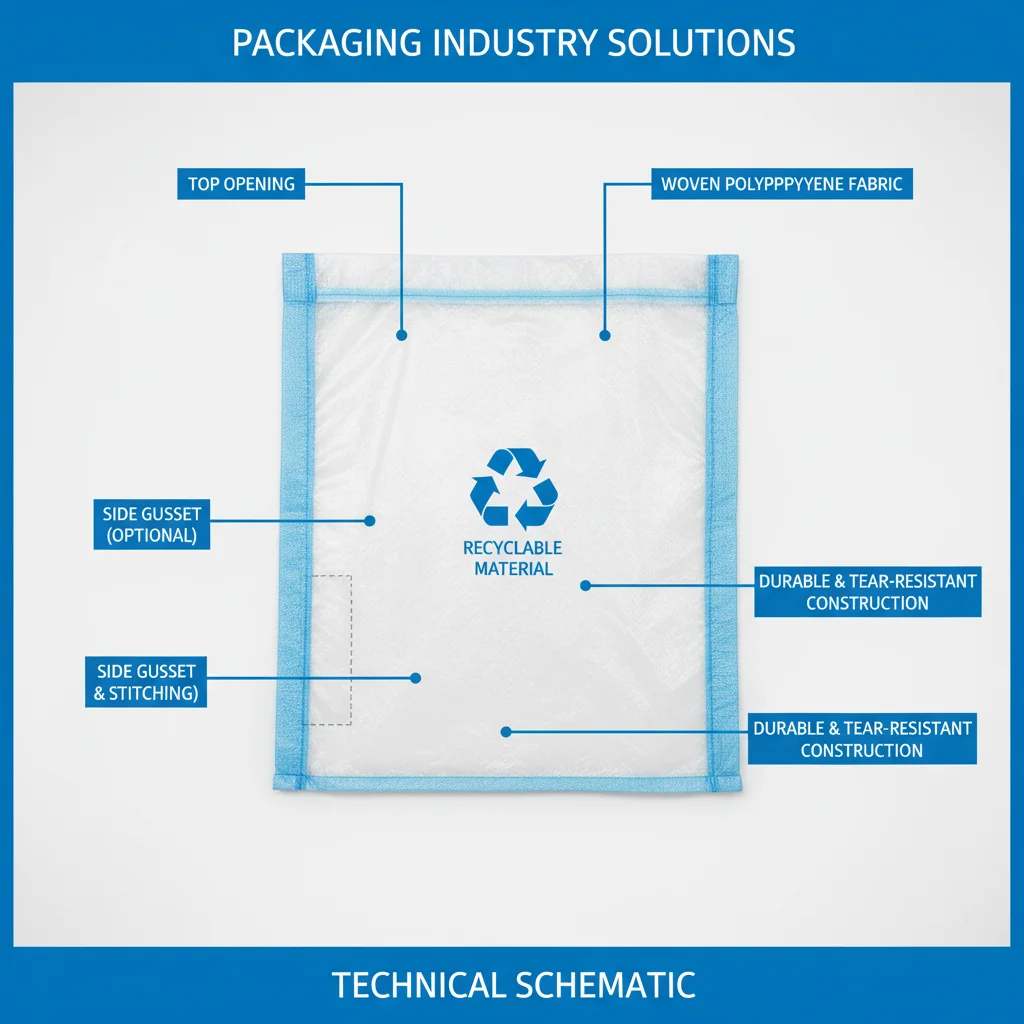
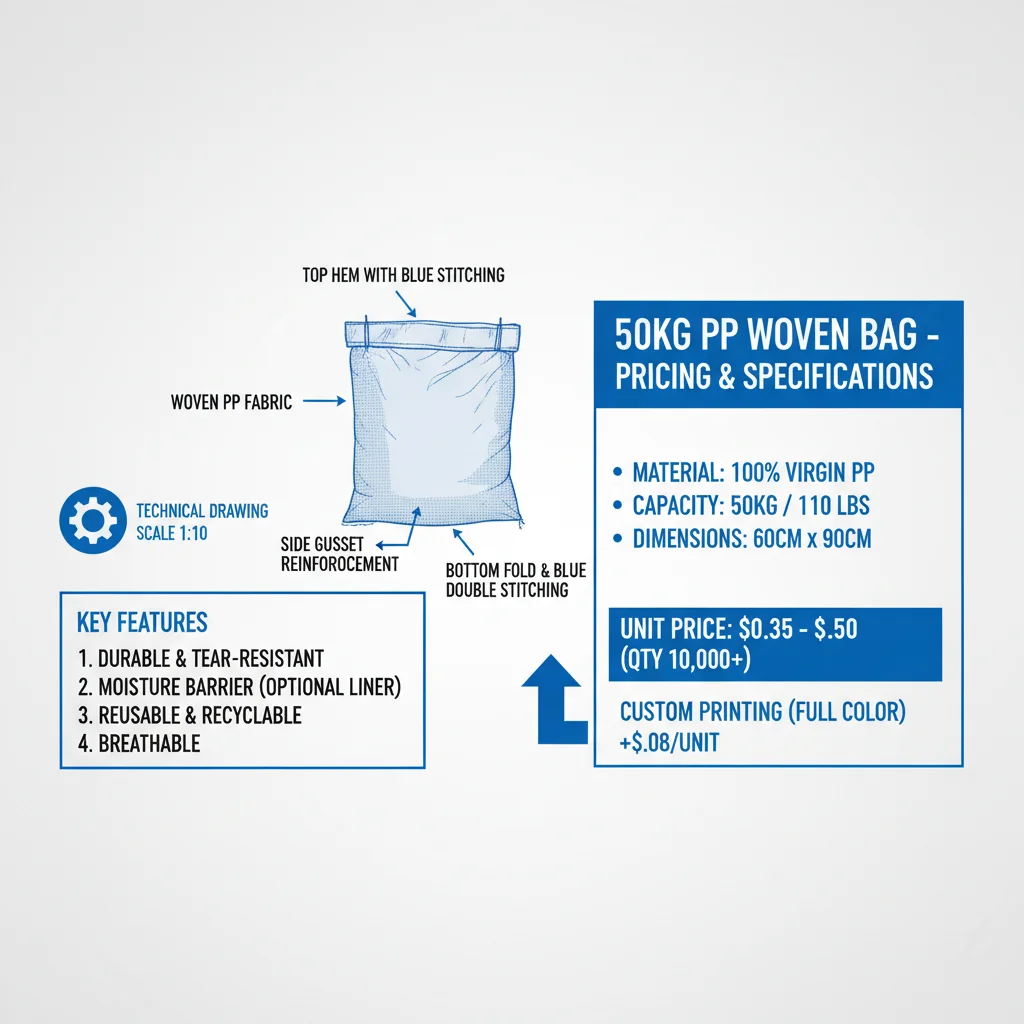
The global construction industry relies heavily on the efficient transport and storage of powdered materials, where the pp woven bag cement has emerged as the gold standard for industrial packaging. These specialized containers are engineered to handle the extreme density and abrasive nature of cement, ensuring that the product reaches the construction site without leakage or degradation. By combining the strength of polypropylene with a precise weaving technique, these bags provide a reliable barrier against physical stress.
From an economic perspective, the adoption of high-quality woven packaging reduces material waste and optimizes logistics costs for manufacturers worldwide. The durability of a pp woven bag cement allows for automated stacking and long-distance shipping, which are critical factors in maintaining a lean supply chain. As urbanization accelerates in emerging economies, the demand for packaging that can withstand rigorous handling in diverse climates has never been higher.
Understanding the technical specifications of a pp woven bag cement is essential for procurement managers who seek to balance cost-efficiency with structural integrity. Whether it is resisting moisture penetration or preventing bursts during high-drop loading, the right choice of material and weave density can significantly impact the bottom line. In this comprehensive guide, we explore the engineering and application of these vital industrial tools.

The Technical Foundation of pp woven bag cement
At its core, the pp woven bag cement is manufactured from polypropylene resin, which is extruded into thin tapes that are then woven in two directions. This cross-weave structure is what gives the bag its exceptional tensile strength, allowing it to carry heavy loads of cement powder without stretching or tearing. The weaving process is carefully calibrated to ensure that the fabric is tight enough to prevent powder leakage while remaining flexible enough for easy filling.
Furthermore, these bags often undergo specific treatments to enhance their performance. UV stabilization is frequently added to the polymer mix to prevent the plastic from becoming brittle when exposed to sunlight on construction sites. This technical foundation ensures that the packaging remains an asset rather than a liability during the final stages of the supply chain.
Global Demand and Industrial Logistics
The scale of global infrastructure development has turned the pp woven bag cement into a critical commodity. With the World Bank and other international bodies reporting a surge in urban construction across Southeast Asia and Africa, the need for standardized, high-strength packaging has skyrocketed. Logistics providers now require bags that can be palletized and transported via sea freight without the risk of rupture due to humidity or pressure.
One of the primary challenges addressed by these bags is the "burst factor" during automated filling. In high-speed packing plants, cement is dropped into bags at velocities that would shred standard plastic film. The woven structure absorbs the kinetic energy of the falling powder, distributing the impact across the fabric grid, which minimizes waste and prevents plant downtime.
Moreover, the shift toward modular construction requires precise weight measurements. The consistency in the manufacturing of a pp woven bag cement allows for exact volumetric filling, ensuring that each bag contains the specified weight. This precision is vital for contractors who calculate their material needs based on the number of bags required for a specific structural volume.
Core Engineering Factors for Durability
Durability in a pp woven bag cement is not an accident but a result of precise engineering. The first key factor is the denier of the polypropylene tape; a higher denier indicates a thicker filament, which directly translates to a higher load-bearing capacity. This is essential for bags that must survive multiple drops from a truck bed during site delivery.
Another critical component is the weave density. By increasing the number of threads per square inch, manufacturers can create a pp woven bag cement that is nearly airtight. For cement, which is highly sensitive to moisture, this density is often augmented with an internal PE liner or a lamination layer to prevent the powder from hydrating and hardening prematurely inside the bag.
Finally, the stitching quality of the bottom seam determines the overall reliability. Using high-tenacity sewing threads ensures that the base of the pp woven bag cement does not fail under the vertical pressure of stacking. When these three factors—denier, density, and seam strength—are optimized, the resulting packaging provides maximum security for the product.
Comparative Performance Metrics
When evaluating the efficiency of various packaging methods, the pp woven bag cement consistently outperforms traditional paper bags in terms of tear resistance and moisture protection. While paper bags may be biodegradable, they lack the structural resilience required for the harsh environments of industrial construction sites.
The following data illustrates how different variants of woven bags perform across key industrial metrics, emphasizing the superior reliability of specialized cement-grade weaves compared to standard utility bags.
Comparative Rating of pp woven bag cement Variants
Global Applications and Regional Use Cases
In remote industrial zones, such as the mining regions of Australia or the developing cities of India, the pp woven bag cement is indispensable. In these areas, the "last mile" of delivery often involves rough terrain and manual handling, where the packaging must act as a protective shell against abrasion and punctures.
Additionally, in post-disaster relief operations, these bags are utilized not only for transporting cement for rebuilding but also as makeshift sandbags for flood control. Their ability to be repurposed and their sheer strength make them a versatile tool for NGOs and government agencies operating in high-stress environments.
Economic Advantages and Long-Term Value
The logical value of investing in a high-grade pp woven bag cement lies in the reduction of "product loss." Cement is a commodity where a small percentage of leakage across thousands of bags can lead to significant financial loss. By utilizing a superior weave, manufacturers ensure that 99.9% of the product reaches the end consumer.
Beyond the direct cost, there is an emotional angle of trust. When a contractor sees a neatly packed, sturdy bag, it reflects the quality of the cement inside. A bag that bursts upon arrival creates a perception of poor quality, whereas a robust pp woven bag cement reinforces the brand's image of reliability and professional standards.
Furthermore, the scalability of polypropylene production allows for competitive pricing. Even with the addition of UV inhibitors and laminates, the cost-per-unit remains low, providing an unmatched balance between high-performance protection and operational expenditure.
Future Innovations in Cement Packaging
The future of the pp woven bag cement is trending toward sustainability and digitalization. We are seeing the integration of "green" polypropylene, derived from recycled plastics, which maintains the strength of the original material while reducing the carbon footprint of the packaging process. This alignment with ISO environmental standards is becoming a requirement for tenders in the European market.
Digital transformation is also playing a role through the implementation of RFID tags and QR codes printed directly onto the woven fabric. This allows for real-time tracking of cement batches, providing transparency in the supply chain and ensuring that the "first-in, first-out" (FIFO) method is strictly followed to prevent material expiration.
Automation in the weaving process is further refining the consistency of the fabric. New AI-driven looms can detect a single broken filament in real-time and correct it, ensuring that every pp woven bag cement produced is free of structural weak points, thereby pushing the boundaries of safety and reliability.
Analysis of pp woven bag cement Technical Specifications
| Bag Variant |
Tensile Strength |
Moisture Barrier |
Cost Efficiency |
| Standard Woven |
Medium |
Low |
Excellent |
| Laminated PP |
High |
High |
Good |
| PE-Lined Woven |
High |
Excellent |
Medium |
| UV-Stabilized |
Medium-High |
Medium |
Good |
| Heavy Duty Grade |
Extreme |
Medium |
Medium |
| Recycled PP Blend |
Medium |
Low |
Excellent |
FAQS
Standard woven bags have microscopic gaps between the weave. To prevent moisture, manufacturers use lamination (applying a thin plastic film to the fabric) or insert a separate polyethylene (PE) inner liner. This creates an impermeable barrier that keeps humidity out and ensures the cement remains a dry powder until it is opened on site.
Yes, polypropylene is a thermoplastic, meaning it can be melted down and repurposed. However, for a pp woven bag cement to be recycled, it must be cleaned of all cement residue. Many industrial sites now implement a collection system where empty bags are gathered, cleaned, and sent to plastic recycling centers to be turned into other plastic products.
Without UV protection, polypropylene can degrade under direct sunlight within a few months. However, a UV-stabilized pp woven bag cement is engineered to withstand prolonged sun exposure for several months without losing structural integrity, making them ideal for open-air construction stockpiles.
A woven structure provides superior tensile strength and "give." A solid plastic bag of the same thickness would likely puncture or snap under the concentrated pressure of heavy cement powder during a fall. The weave distributes the load across multiple fibers, significantly increasing the burst pressure threshold.
The choice depends on the bag's weight capacity and handling method. For standard 25kg-50kg bags handled by machines, a medium denier is sufficient. For bags that undergo extreme manual rough-handling or are stacked 10-high in warehouses, a higher denier (thicker tape) is recommended to prevent bottom-seam failure.
While biodegradable polymers (like PLA) exist, they currently lack the tensile strength required for heavy cement loads. The most sustainable current approach is the use of recycled PP blends in the pp woven bag cement, which reduces virgin plastic consumption while maintaining the necessary industrial performance.
Conclusion
The pp woven bag cement represents a critical intersection of polymer science and industrial necessity. By combining the inherent strength of polypropylene with advanced weaving and lamination techniques, these bags ensure that the foundation of our cities—cement—is transported safely, efficiently, and economically. From the technical precision of denier selection to the integration of UV stabilizers, every aspect of the bag is designed to mitigate the risks of the construction supply chain.
Looking forward, the transition toward circular economy principles will drive the next generation of cement packaging. The adoption of recycled materials and smart tracking will not only lower environmental impact but also enhance operational transparency. For businesses seeking to optimize their logistics and protect their product integrity, investing in high-specification woven packaging is not just a cost, but a strategic advantage. Visit our website: www.ssjtpack.com