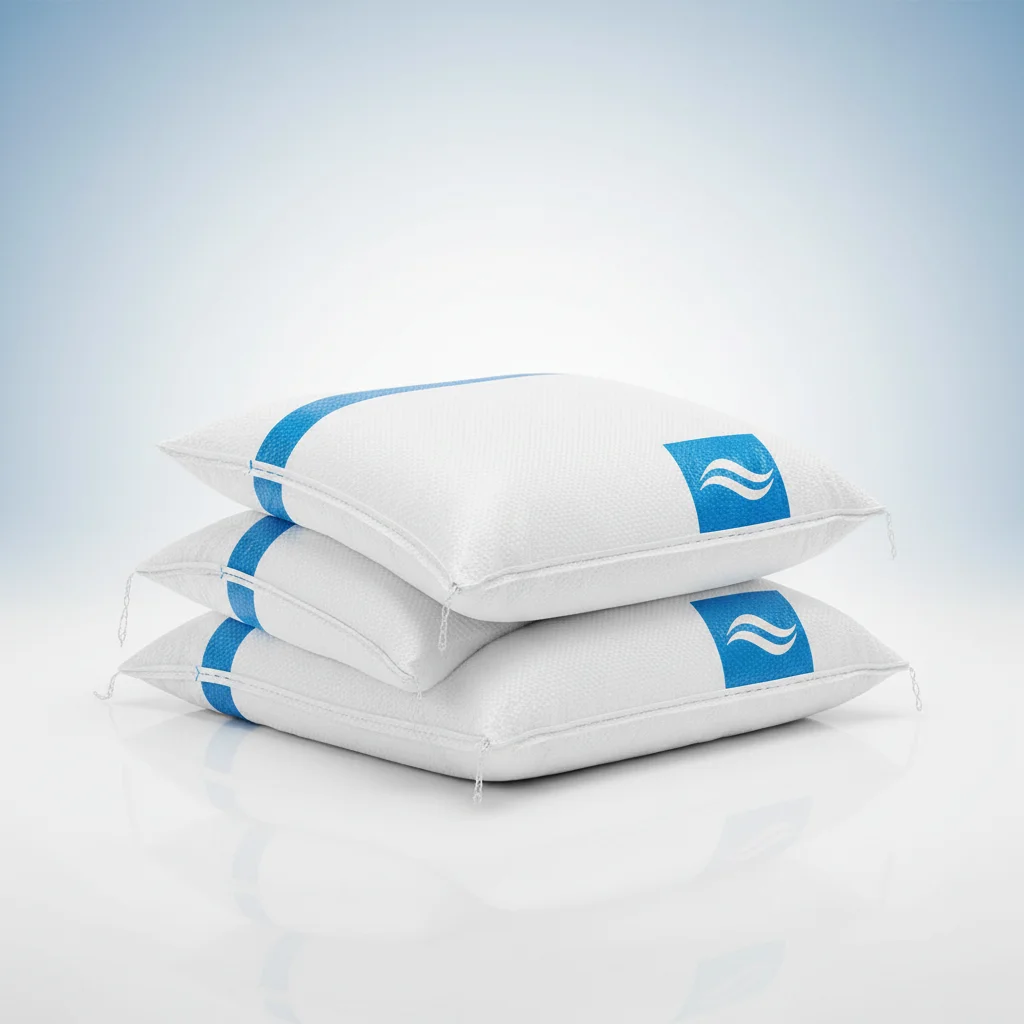
Heavy duty woven polypropylene bags are ubiquitous in modern logistics, agriculture, and disaster relief. Their strength, durability, and cost-effectiveness make them an essential component of global supply chains, allowing for the safe and efficient transportation of a wide range of goods. Understanding the nuances of these bags – from their manufacturing process to their diverse applications – is crucial for businesses and organizations seeking reliable and sustainable packaging solutions.
The global demand for heavy duty woven polypropylene bags is significant and continuously growing, driven by expanding international trade and the increasing need for robust packaging. According to the UN, global trade volume is projected to rise steadily, fueling demand for efficient and secure shipping materials. These bags, often compliant with ISO standards, offer a practical answer to these requirements, offering a balance between performance and price that few other packaging solutions can match.
The effectiveness of heavy duty woven polypropylene bags lies in their ability to address critical challenges related to product protection, storage, and transport. From safeguarding agricultural harvests to delivering emergency aid, these bags offer a versatile and dependable solution, contributing significantly to economic stability and humanitarian efforts worldwide. Organizations like the World Bank increasingly rely on these bags for distributing aid and essential supplies in challenging environments.
Introduction to heavy duty woven polypropylene bags
Heavy duty woven polypropylene bags are a cornerstone of modern material handling, designed to withstand rigorous conditions and provide reliable containment for a vast array of products. These bags aren’t merely containers; they represent a crucial link in global supply chains, enabling efficient and safe movement of goods from production to consumption. Choosing the right bag is paramount, considering factors like weight capacity, moisture resistance, and UV protection.
The versatility of heavy duty woven polypropylene bags extends beyond simple transportation. They are essential in agricultural industries for packaging grain and fertilizer, in construction for transporting building materials, and in humanitarian efforts for delivering food and emergency supplies. Understanding the specific properties and applications of these bags is vital for maximizing their effectiveness and ensuring optimal performance.
Defining Heavy Duty Woven Polypropylene Bags
Heavy duty woven polypropylene bags are constructed from polypropylene, a thermoplastic polymer known for its strength, flexibility, and chemical resistance. The “woven” aspect refers to the manufacturing process where strands of polypropylene are interwoven to create a fabric-like material. This weaving pattern significantly enhances the bag's tensile strength and tear resistance compared to non-woven alternatives.
These bags are distinct from simpler plastic bags due to their robust construction. They are specifically engineered to handle substantial weight and resist punctures, making them ideal for transporting bulk materials. The density of the polypropylene yarn (measured in denier) and the weave pattern determine the bag’s overall strength and durability.
Their connection to modern industry and humanitarian needs is direct. Businesses rely on them to minimize product damage during transit, reducing costs associated with spoilage and returns. Humanitarian organizations depend on their durability and water resistance to deliver essential aid to vulnerable populations, often in harsh environments.
Core Components of Quality
The quality of heavy duty woven polypropylene bags is determined by several key components, starting with the raw material itself. High-quality polypropylene resin ensures greater strength, UV resistance, and overall longevity. The denier of the yarn – a measure of its thickness – is also crucial; higher denier yarns produce stronger, more durable bags.
The weaving process itself plays a critical role. A tighter weave with more warp and weft yarns per inch results in a denser fabric with superior tensile strength and reduced porosity. Different weave patterns, such as circular or flat weaving, offer varying levels of strength and flexibility, tailored to specific applications.
Finally, the lamination and coating applied to the woven polypropylene fabric significantly impact the bag's performance. Lamination provides moisture resistance and improves printability, while coatings can enhance UV protection or add specialized properties like anti-static functionality.
Key Factors Impacting Performance
Durability is a primary factor, directly related to the yarn denier, weave density, and the quality of the polypropylene resin. Bags with higher denier and tighter weaves withstand heavier loads and resist tearing more effectively. Scalability refers to the ability to customize bag sizes and specifications to meet diverse needs – from small bags for retail packaging to large FIBCs (Flexible Intermediate Bulk Containers) for industrial applications.
Cost-efficiency is another significant advantage. Polypropylene is a relatively inexpensive material, making these bags a cost-effective packaging solution compared to alternatives like paper or steel. Furthermore, their lightweight nature reduces transportation costs.
Performance Characteristics of Heavy Duty Woven Polypropylene Bags
Global Applications and Real-World Uses
In agriculture, heavy duty woven polypropylene bags are extensively used for packaging grains, seeds, fertilizer, and other agricultural products. These bags protect the contents from moisture, pests, and physical damage during storage and transport, reducing post-harvest losses. In post-disaster relief operations, their water resistance and durability make them ideal for distributing food, shelter materials, and medical supplies to affected communities.
The construction industry benefits from these bags for packaging cement, sand, and other building materials. Their strength and stackability simplify handling and storage on construction sites. In remote industrial zones, where logistical challenges are significant, heavy duty woven polypropylene bags provide a reliable and cost-effective means of transporting raw materials and finished products.
Advantages and Long-Term Value Proposition
The tangible benefits of heavy duty woven polypropylene bags include reduced shipping costs due to their lightweight nature, lower product damage rates thanks to their robust construction, and long-term cost savings stemming from their reusability. Their resistance to moisture and pests also contributes to product preservation, minimizing waste and maximizing profitability.
Beyond the economic advantages, these bags offer significant sustainability benefits. Polypropylene is recyclable, and many manufacturers are incorporating recycled content into their production processes. The long-term reliability of these bags instills trust and provides a sense of security for businesses and organizations relying on them for critical supply chain functions.
Future Trends and Innovations in Production
One emerging trend is the development of biodegradable polypropylene alternatives, aiming to reduce the environmental impact of plastic waste. Advancements in weaving technology are also leading to the production of lighter yet stronger bags, optimizing material usage and reducing transportation costs. Digital transformation is playing a role, with manufacturers utilizing data analytics to optimize production processes and improve quality control.
The integration of smart technologies, such as RFID tags, is enabling real-time tracking and monitoring of goods transported in these bags, enhancing supply chain visibility and security. Furthermore, increasing emphasis on circular economy principles is driving innovation in recycling and reuse programs, promoting a more sustainable lifecycle for heavy duty woven polypropylene bags.
Automation in the manufacturing process will become more prevalent, streamlining production, reducing labor costs, and increasing output. This will lead to greater efficiency and potentially lower prices, making these bags even more accessible to businesses and organizations worldwide.
Summary of Key Challenges and Potential Solutions in Heavy Duty Woven Polypropylene Bag Production
| Challenge |
Impact on Performance |
Potential Solution |
Implementation Difficulty (1-5) |
| Raw Material Cost Fluctuations |
Impacts bag pricing and profitability. |
Long-term contracts with suppliers, diversification of sourcing. |
3 |
| Inconsistent Weave Quality |
Reduces bag strength and increases failure rates. |
Automated weaving machines with real-time quality control. |
4 |
| Limited Recyclability |
Contributes to plastic waste and environmental concerns. |
Investment in advanced recycling technologies, design for recyclability. |
5 |
| UV Degradation |
Reduces bag lifespan in outdoor applications. |
UV stabilizers and coatings. |
2 |
| Moisture Penetration |
Damages contents and compromises bag integrity. |
Improved lamination techniques and waterproof coatings. |
3 |
| Lack of Standardization |
Creates inconsistencies in quality and performance. |
Industry-wide adoption of standardized testing and certification. |
4 |
FAQS
The lifespan of a heavy duty woven polypropylene bag varies depending on the quality of the materials, the intensity of use, and environmental factors. Generally, a well-maintained bag can last anywhere from 6 months to several years with repeated use. Bags exposed to prolonged UV radiation or harsh weather conditions may have a shorter lifespan. Proper storage and handling are crucial for maximizing their longevity.
Yes, heavy duty woven polypropylene bags are recyclable, although recycling infrastructure isn’t always widely available. Polypropylene is designated as resin identification code #5. Recycling options include sending them to specialized plastic recyclers or participating in industrial recycling programs. Some manufacturers also offer take-back programs to recycle used bags.
The weight capacity of these bags varies significantly based on their construction, size, and weave density. Standard bags can typically hold between 50 and 100 pounds, while larger FIBCs (Flexible Intermediate Bulk Containers) can handle up to 2,200 pounds or more. Always check the bag's specification label for its specific weight limit.
Woven polypropylene itself is inherently water-resistant, but not fully waterproof. To enhance water resistance, many bags are laminated with polyethylene or coated with a waterproof sealant. Laminated bags provide significantly better protection against moisture and are ideal for storing or transporting materials that need to stay dry.
Yes, heavy duty woven polypropylene bags can be easily customized with printing using flexographic printing techniques. This allows for the inclusion of logos, branding, product information, or other desired graphics. The laminated surface provides a good base for printing, ensuring clear and durable designs.
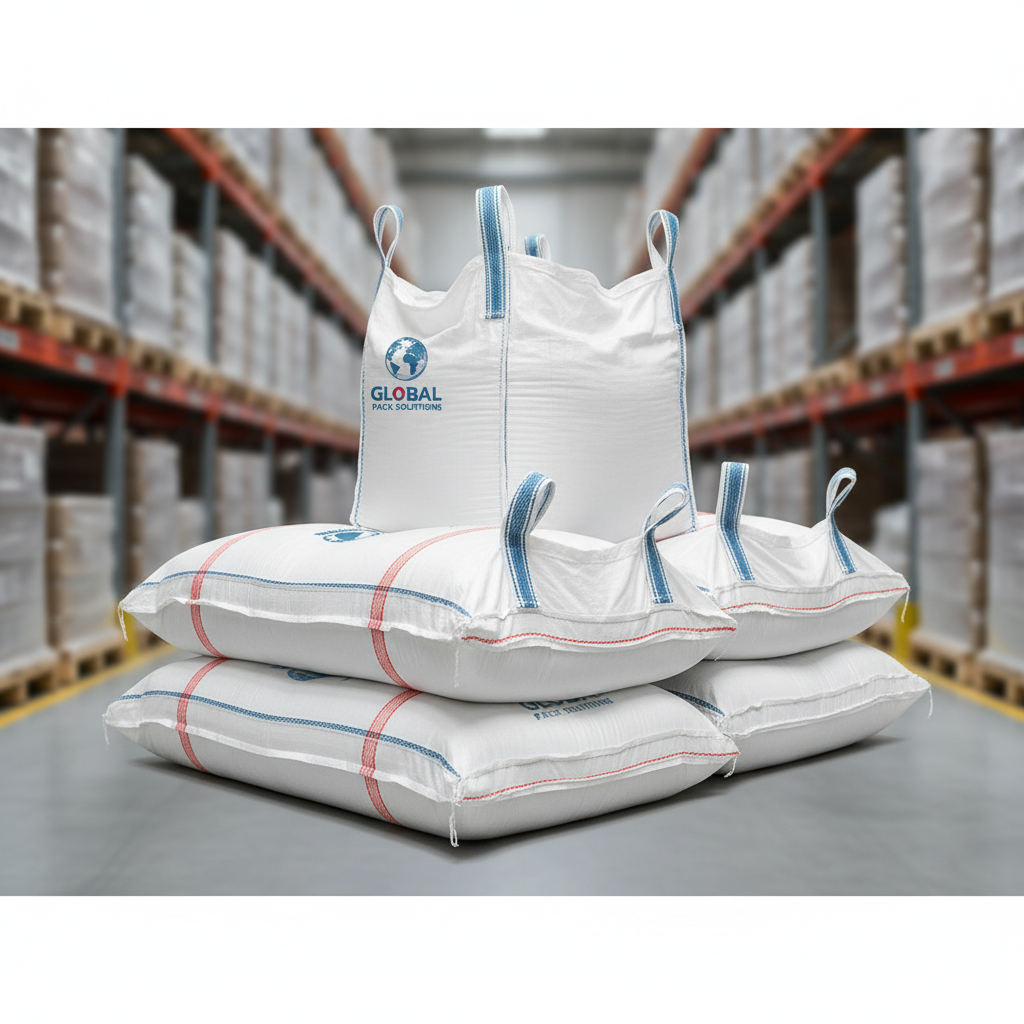
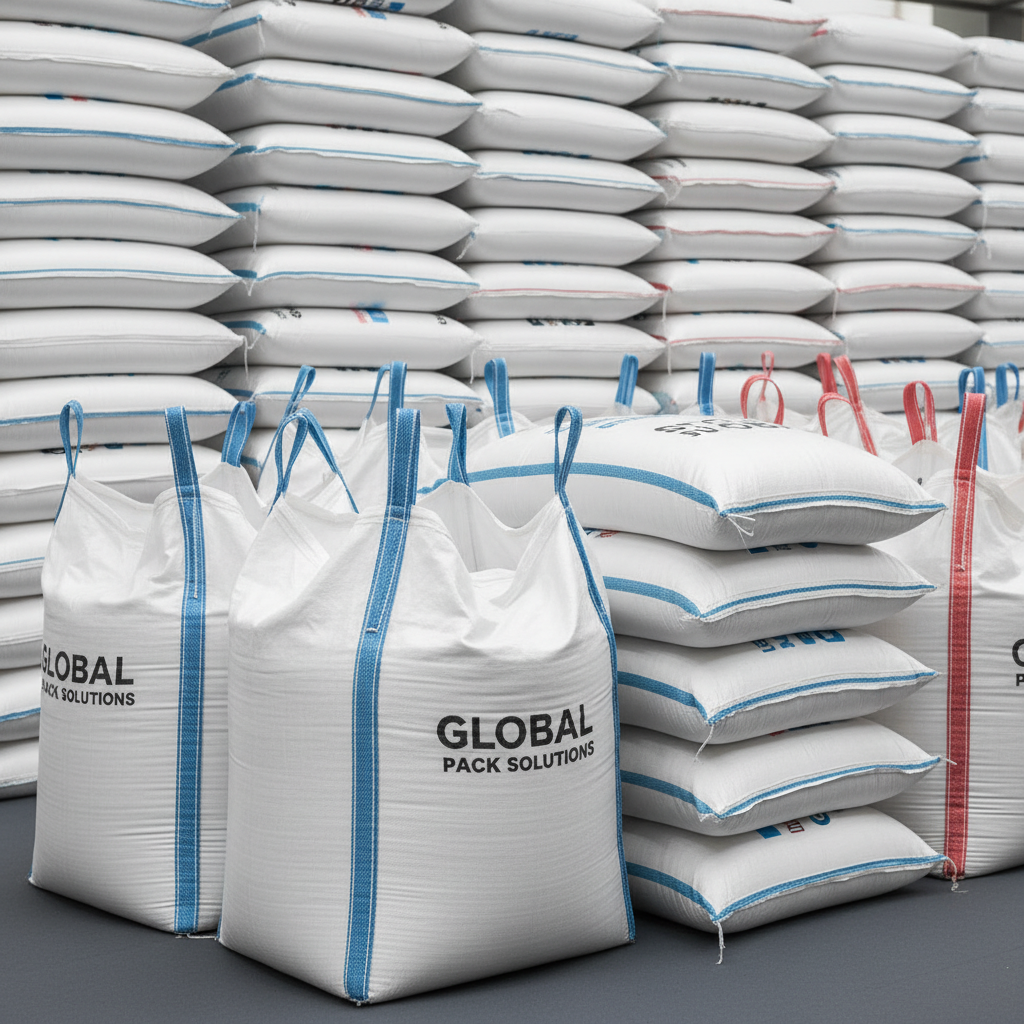
FIBCs (Flexible Intermediate Bulk Containers), also known as bulk bags or big bags, are large-capacity woven polypropylene bags designed for transporting and storing large quantities of dry, flowable materials. They differ from standard bags in their size, construction, and lifting loops, which allow for easy handling with forklifts or cranes. FIBCs are commonly used for agricultural products, chemicals, and construction materials.
Conclusion
In conclusion, heavy duty woven polypropylene bags represent a versatile, cost-effective, and increasingly sustainable packaging solution essential to global commerce and humanitarian efforts. Their inherent strength, durability, and adaptability make them a cornerstone of supply chains across diverse industries. Understanding their core components, applications, and future trends is crucial for businesses and organizations seeking reliable and efficient material handling solutions.
Looking ahead, continued innovation in materials, manufacturing processes, and recycling technologies will further enhance the sustainability and performance of these bags. We encourage you to explore the possibilities and discover how heavy duty woven polypropylene bags can optimize your operations and contribute to a more sustainable future. Visit our website today to learn more about our product offerings and custom solutions.