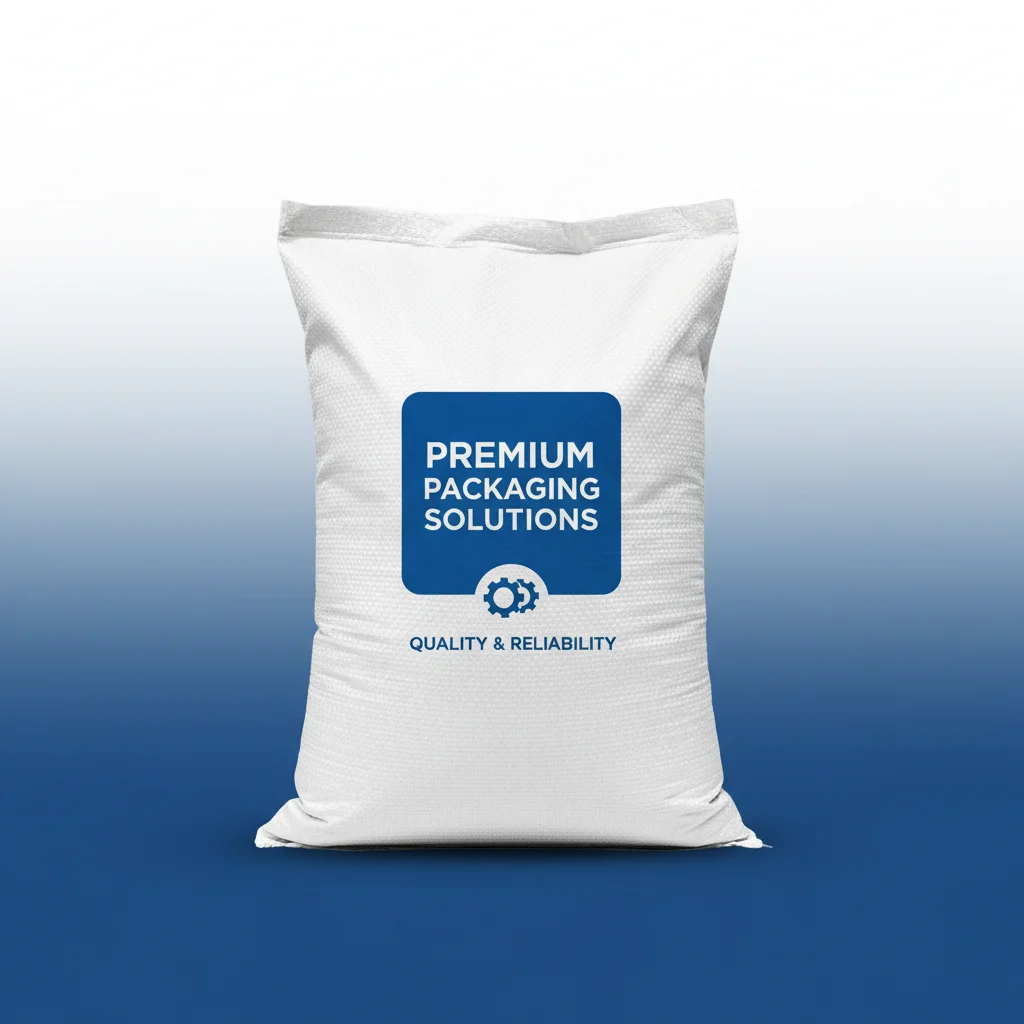
Pp woven sack bags are ubiquitous in modern logistics and storage, playing a crucial role in global trade. These durable and cost-effective containers are essential for transporting a vast array of goods, from agricultural products to industrial materials. Understanding the intricacies of pp woven sack bag production, applications, and future trends is vital for businesses, aid organizations, and anyone involved in supply chain management. They’ve become a cornerstone of efficient global commerce.
The global demand for pp woven sack bag is consistently high, driven by factors such as population growth, increasing agricultural output, and expanding industrialization. According to the UN Comtrade database, billions of dollars worth of these bags are traded annually. This highlights their importance in supporting economies worldwide, particularly in developing nations where they offer an affordable and reliable packaging solution. The industry faces ongoing challenges related to sustainability and material innovation.
Pp woven sack bag aren't merely containers; they represent a critical infrastructure component for global stability, enabling the movement of essential goods, particularly during humanitarian crises. Their ability to withstand harsh conditions and facilitate efficient distribution makes them indispensable in disaster relief and food security programs. Continual improvements in material science and manufacturing processes are increasing their functionality and reducing their environmental impact.
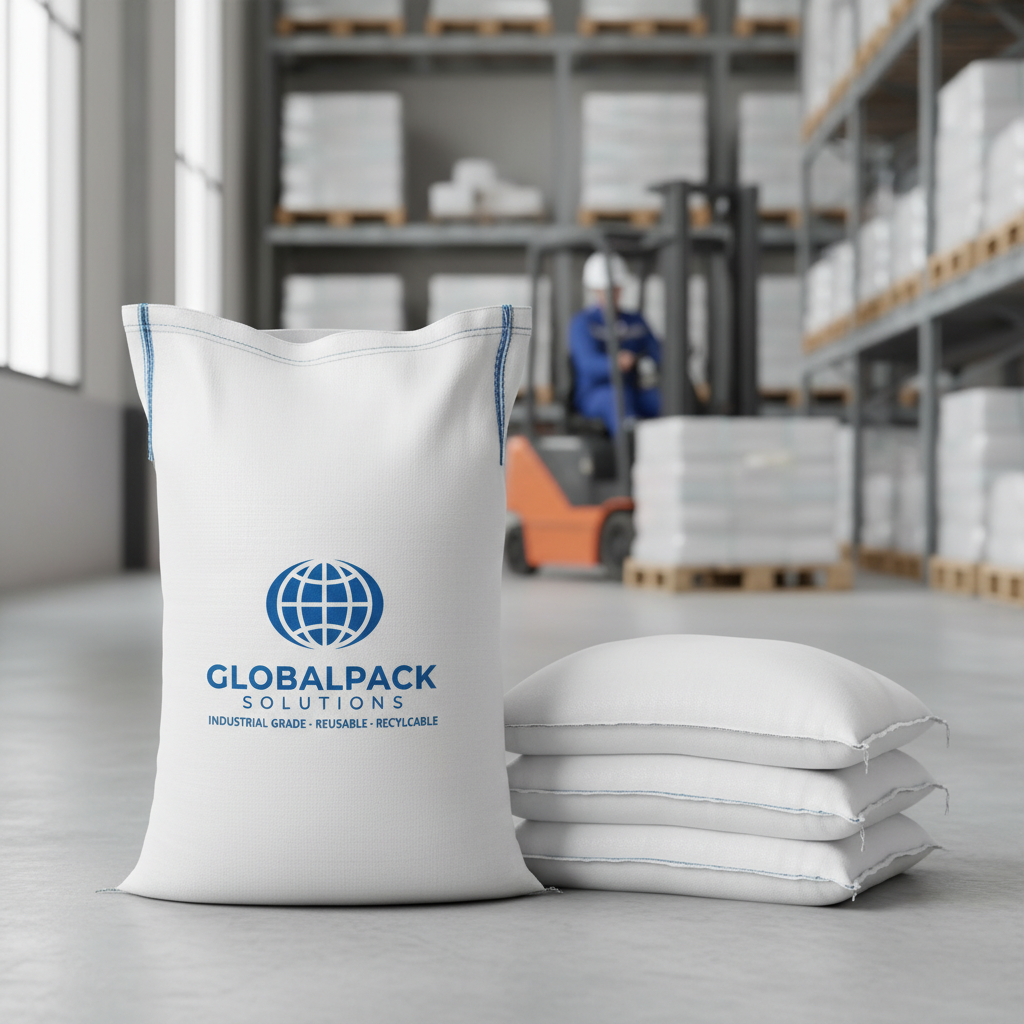
Introduction to pp woven sack bag
Pp woven sack bag are a versatile packaging solution extensively used across numerous industries. Their popularity stems from a unique combination of strength, affordability, and adaptability. They are manufactured from polypropylene, a thermoplastic polymer, which contributes to their inherent durability and resistance to various environmental factors. This makes them ideal for both indoor and outdoor storage and transport.
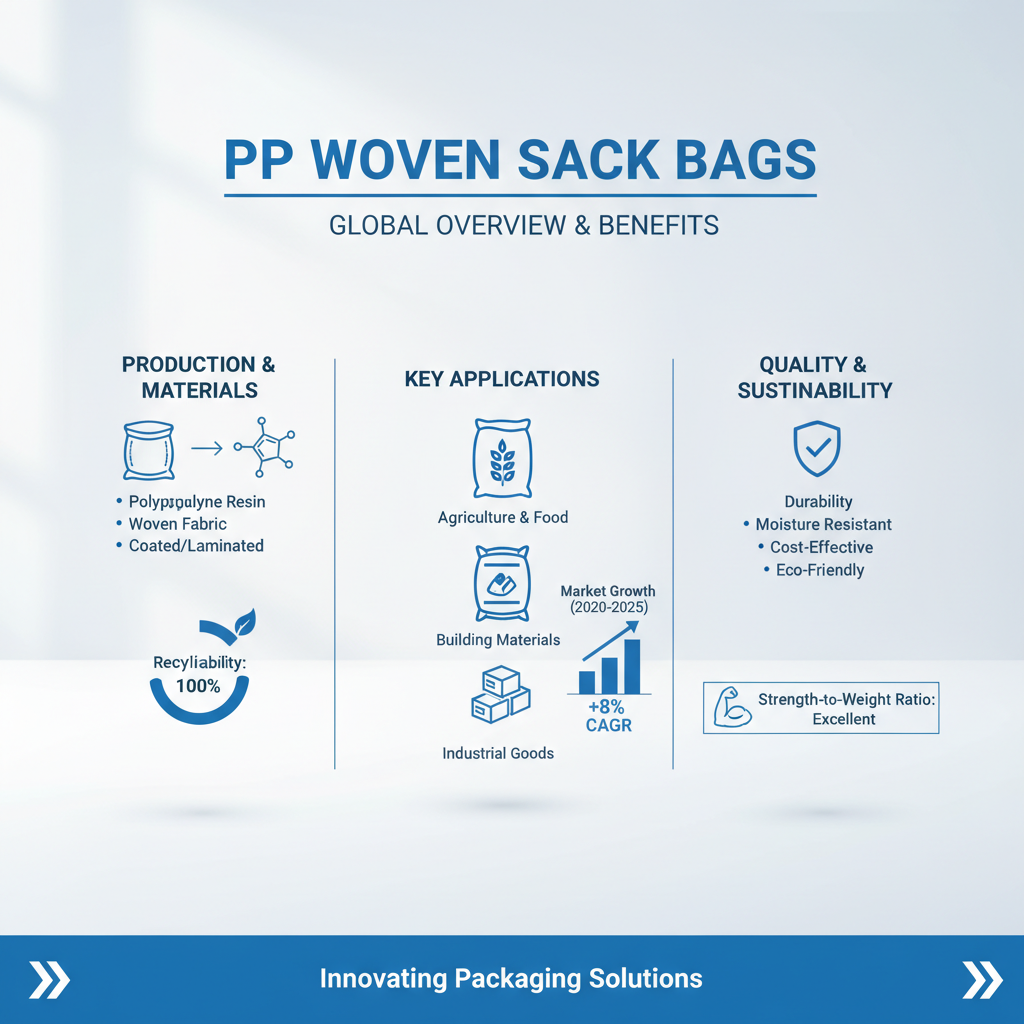
The manufacturing process involves extruding polypropylene resin into thin, flat tapes, which are then woven together to create a fabric. This fabric can be laminated with polyethylene to enhance moisture resistance or coated with UV stabilizers to improve longevity. Different weaving patterns and fabric densities are employed to achieve varying levels of strength and permeability, tailoring the bag to specific application requirements. You can find a range of options at pp woven sack bag suppliers.
Global Relevance of Pp Woven Sack Bag
The relevance of pp woven sack bag extends far beyond simple product packaging. They are intrinsically linked to global food security, agricultural trade, and industrial supply chains. The World Bank estimates that efficient packaging, including solutions like pp woven sack bags, reduces food waste by approximately 20% in developing countries. This contributes significantly to reducing hunger and improving economic stability in vulnerable regions.
Furthermore, the versatility of pp woven sack bags allows for their use in a broad range of industries, including construction, chemicals, pharmaceuticals, and textiles. They can be customized with various features such as liners, handles, and printing, catering to the unique requirements of each sector. The demand for these bags is directly correlated with economic growth and industrial output globally.
ISO standards dictate rigorous testing protocols for pp woven sack bags, ensuring they meet safety and performance criteria. These standards cover aspects such as tensile strength, tear resistance, and seam strength. Adherence to these standards is crucial for maintaining quality control and building trust with customers worldwide.
Defining Pp Woven Sack Bag
A pp woven sack bag, at its core, is a flexible packaging container constructed from woven polypropylene fabric. Polypropylene (PP) is a thermoplastic polymer known for its high tensile strength, resistance to chemicals, and relatively low cost. The weaving process interlocks the PP strands to create a durable fabric capable of holding significant weight and withstanding harsh handling.
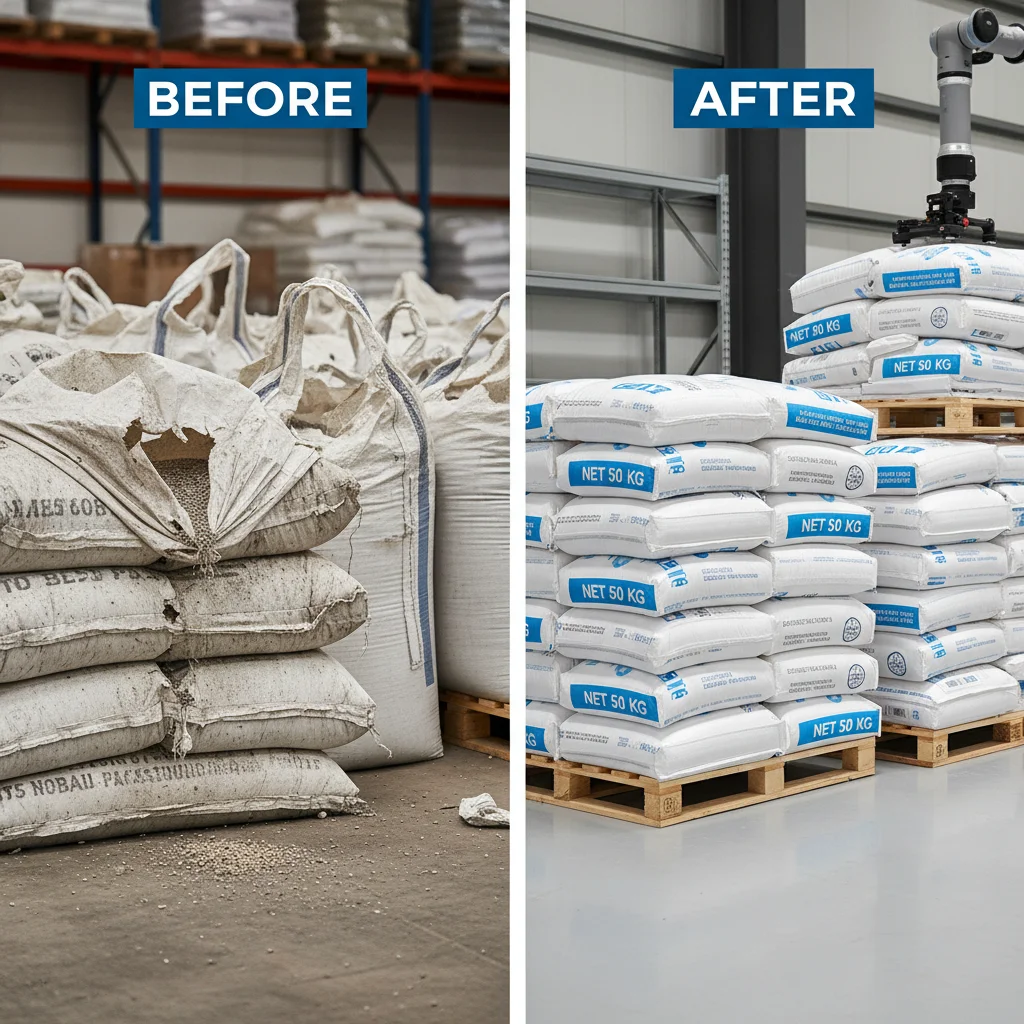
The connection to modern industry is undeniable. These bags have largely replaced traditional packaging materials like jute and paper in many applications due to their superior strength, water resistance, and cost-effectiveness. They facilitate efficient logistics and contribute to reduced product damage during transportation and storage, streamlining global supply chains.
In humanitarian contexts, pp woven sack bags are vital for distributing food aid, medical supplies, and emergency relief items. Their durability ensures that supplies reach those in need without spoilage or loss. They’re often employed in sandbagging operations for flood control and can serve as temporary shelters in disaster zones, showcasing their adaptability in challenging environments.
Core Components of Pp Woven Sack Bag
Pp woven sack bag's strength lies in a combination of key features. Firstly, Durability is paramount, achieved through the high tensile strength of polypropylene and the tight weaving pattern. This ensures the bag can withstand considerable weight and resist tearing. Secondly, Cost Efficiency makes them an attractive option for businesses operating on tight margins. PP is a relatively inexpensive plastic, and the manufacturing process is highly efficient.
Thirdly, Customization is a significant benefit. Bags can be tailored to specific dimensions, printed with branding, and equipped with features like liners, valves, and handles. Fourthly, Moisture Resistance is critical for protecting contents from damage. Lamination with polyethylene film further enhances this property. Fifthly, UV Resistance extends the lifespan of the bag when exposed to sunlight, preventing degradation. Finally, Scalability of production allows for meeting large volume demands efficiently.
Global Applications & Use Cases
Pp woven sack bag find extensive application in agriculture, specifically for packaging grains, seeds, fertilizers, and animal feed. In post-disaster relief operations, they are frequently used to transport and distribute food aid, sandbags, and medical supplies to affected areas. In remote industrial zones, they offer a robust and economical solution for transporting raw materials and finished goods.
The construction industry utilizes pp woven sack bags for packaging cement, sand, and other building materials. Chemical companies rely on them for transporting powdered chemicals and granules. The textile industry employs them for packaging fibers and finished fabrics. Countries in Southeast Asia, Africa, and South America heavily rely on these bags for agricultural exports.
Organizations like the World Food Programme and the Red Cross frequently incorporate pp woven sack bags into their logistical operations, recognizing their cost-effectiveness, durability, and ability to withstand challenging conditions. Their ease of handling and stacking also contribute to efficient warehouse management and transportation.
Pp Woven Sack Bag Performance by Method
Advantages & Long-Term Value
The advantages of using pp woven sack bag are numerous. From a cost perspective, they represent a highly economical packaging solution compared to alternatives like paper or plastic. In terms of sustainability, while polypropylene is a plastic, its durability and reusability reduce waste. Socially, they contribute to food security and efficient distribution of essential goods.
The long-term value is rooted in their reliability and consistent performance. Businesses can depend on these bags to protect their products during transit and storage, minimizing losses and maintaining product quality. This reliability builds trust with customers and strengthens supply chain resilience. Investing in quality pp woven sack bag ensures product integrity and reduces the risk of damage claims.
Future Trends & Innovations
The future of pp woven sack bag lies in the development of more sustainable materials and production processes. Research is underway to incorporate recycled polypropylene into the manufacturing process, reducing reliance on virgin plastic. Biodegradable additives are also being explored to enhance the compostability of these bags.
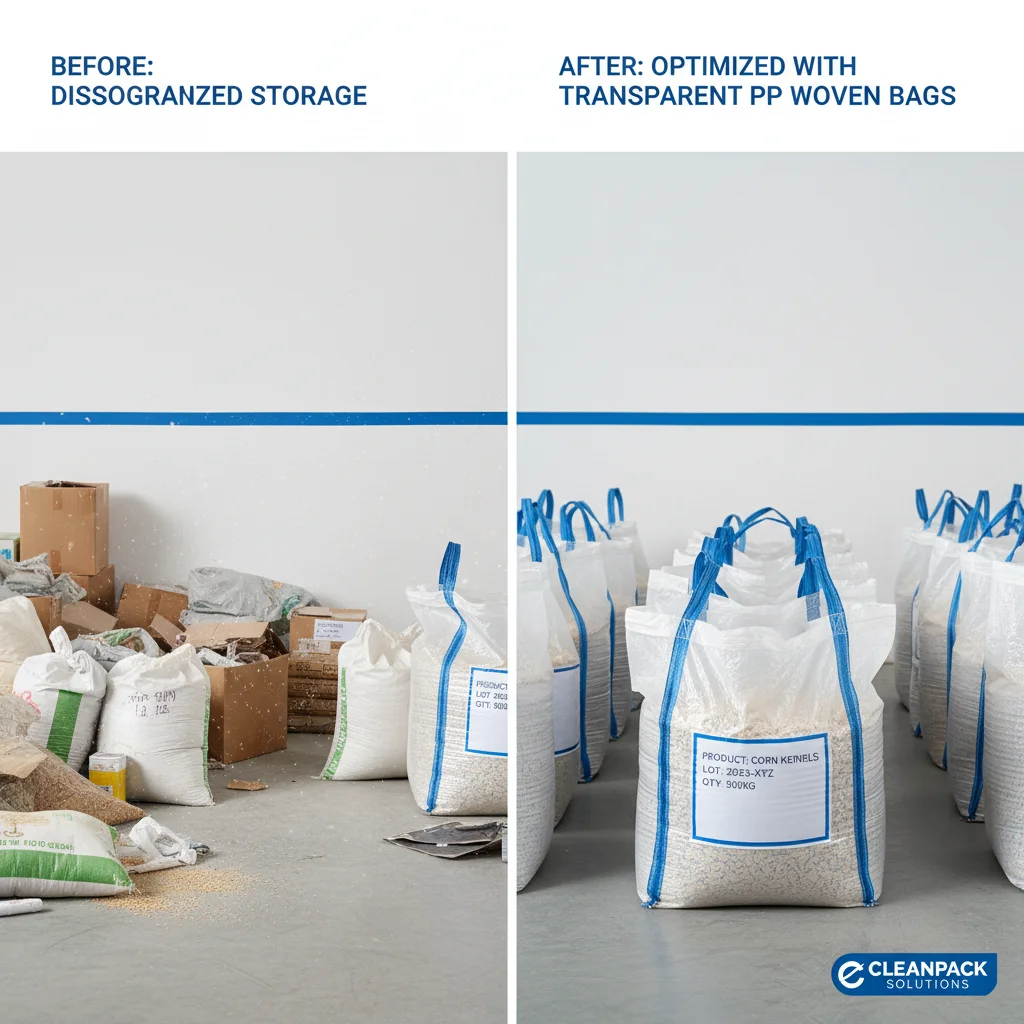
Digital transformation is playing a role, with the integration of QR codes and RFID tags enabling enhanced traceability and supply chain visibility. Automation in the weaving and printing processes is increasing efficiency and reducing production costs. The move towards circular economy principles is driving the development of reusable and recyclable pp woven sack bag solutions.
Challenges & Solutions
A primary challenge is the environmental impact of plastic waste. While pp woven sack bags are durable and reusable, end-of-life management remains a concern. Solutions include promoting recycling programs, investing in biodegradable alternatives, and encouraging responsible disposal practices. Another challenge is maintaining consistent quality control across different manufacturers.
Addressing this requires stricter adherence to international standards, implementation of robust quality assurance systems, and ongoing training for production staff. Furthermore, optimizing the weaving process to reduce material waste and energy consumption is crucial for improving sustainability. Collaboration between manufacturers, researchers, and policymakers is essential to overcome these challenges.
Developing closed-loop systems where used pp woven sack bags are collected, recycled, and reintroduced into the manufacturing process represents a significant opportunity. This minimizes waste, conserves resources, and promotes a more circular economy.
Summary of Challenges and Solutions for Pp Woven Sack Bag Production
| Challenge |
Impact Area |
Proposed Solution |
Implementation Cost (1-10) |
| Plastic Waste Generation |
Environmental Sustainability |
Invest in Recycling Infrastructure |
7 |
| Inconsistent Quality |
Product Reliability |
Implement Strict Quality Control Standards |
6 |
| High Energy Consumption |
Operational Costs |
Optimize Weaving Processes |
5 |
| Lack of Traceability |
Supply Chain Management |
Integrate RFID/QR Code Technology |
8 |
| Limited Biodegradability |
Environmental Impact |
Develop Biodegradable Additives |
9 |
| Fluctuating Raw Material Costs |
Production Expenses |
Explore Alternative Polymer Sources |
4 |
FAQS
Pp woven sack bags are incredibly versatile and used across many industries. Common applications include packaging agricultural products like grains and fertilizer, shipping building materials like cement and sand, and distributing food aid in humanitarian relief efforts. They're valued for their strength, durability, and cost-effectiveness, making them a staple in logistics and storage globally. Their resistance to moisture and ability to withstand harsh conditions also contribute to their widespread use.
The durability of a pp woven sack bag depends on the denier (thickness) of the polypropylene yarn and the weaving density. Typically, they can hold between 25kg to 100kg (55lbs to 220lbs) or more, depending on the bag's construction. Higher denier yarns and tighter weaving result in stronger bags capable of handling heavier loads. They're also resistant to tearing and punctures, making them suitable for demanding transportation and storage conditions.
While polypropylene is recyclable (resin code #5), recycling infrastructure for pp woven sack bags is not yet widely available in all regions. However, increasing efforts are being made to establish recycling programs specifically for these materials. Sustainability considerations include reducing plastic waste through reuse, exploring biodegradable additives, and utilizing recycled polypropylene in production. Choosing suppliers committed to sustainable practices is also crucial.
Yes, pp woven sack bags are highly customizable. They can be printed with logos, branding, product information, and warning labels using various printing techniques, including flexographic printing. Additional features such as liners for moisture protection, valves for easy filling and emptying, handles for convenient carrying, and gussets for increased capacity are also commonly added to meet specific customer requirements.
Laminated pp woven sack bags have a layer of polyethylene (PE) film laminated to the inside of the woven fabric. This lamination provides enhanced moisture resistance, making them ideal for packaging products that need protection from water, humidity, or dust. Unlaminated bags are more breathable and are suitable for products that require ventilation. The choice between laminated and unlaminated depends on the specific application and the properties of the contents.
Finding a reliable supplier involves researching their reputation, quality control processes, and production capacity. Look for suppliers with ISO certifications and a proven track record of delivering consistent quality. Check online reviews and request samples to assess the bag's strength and durability. Consider factors such as price, lead time, and shipping costs when making your decision. You can explore options at pp woven sack bag suppliers.
Conclusion
Pp woven sack bag are a foundational element of modern global commerce, offering a cost-effective, durable, and versatile packaging solution. Their applications span diverse industries, from agriculture and construction to humanitarian aid, playing a vital role in efficient logistics, product protection, and food security. Understanding their core components, advantages, and future trends is critical for businesses and organizations seeking to optimize their supply chains and minimize their environmental impact.
Looking ahead, innovation in materials, recycling technologies, and sustainable production practices will further enhance the value of pp woven sack bags. Continued collaboration between manufacturers, researchers, and policymakers is essential to address challenges related to plastic waste and promote a circular economy. For reliable pp woven sack bag solutions, visit our website today: www.ssjtpack.com.