

Addressing critical failures in material durability and brand visibility for Zambian exporters and producers.
Standard bags often fail during rough handling in regional logistics, leading to significant product loss in fertilizer and grain shipments across Zambia's transport corridors.
Intense sunlight exposure in Africa causes rapid brittleness in low-grade plastics, compromising the integrity of outdoor stored bulk materials and reducing shelf life.
Generic packaging fails to communicate brand value, making it difficult for local Zambian producers to compete with international brands in high-end retail markets.
Hygroscopic materials like fine chemicals and pet feed are susceptible to humidity, requiring advanced barriers to prevent clumping and spoilage during transit.
Variations in weave density lead to unpredictable burst strengths, causing safety hazards and operational delays during the loading of heavy industrial containers.
Long lead times and lack of customization options from distant suppliers force local businesses to overstock or accept suboptimal packaging that slows down distribution.
Combining advanced polymer technology with precise craftsmanship to eliminate packaging failure.
We utilize high-density polypropylene resins and precision weaving to increase burst strength, ensuring pp woven bag options withstand extreme mechanical stress.
Our bopp laminated bag process adds a high-gloss, waterproof film that provides superior UV protection and photographic print quality for brand elevation.
Implementing multi-color rotogravure printing for printed pp woven bags, allowing for sharp, smudge-proof branding that survives abrasive shipping conditions.
Our pinch bottom bags eliminate sewing threads at the base, creating a leak-proof seal ideal for fine powders and sensitive chemicals.
Custom fertilizer packaging bags feature internal PE liners to block moisture and prevent nutrient leaching, maintaining chemical stability in humid climates.
We work with clients from material selection to final production, ensuring the bag dimensions and weave are optimized for the specific density of the product being packed.

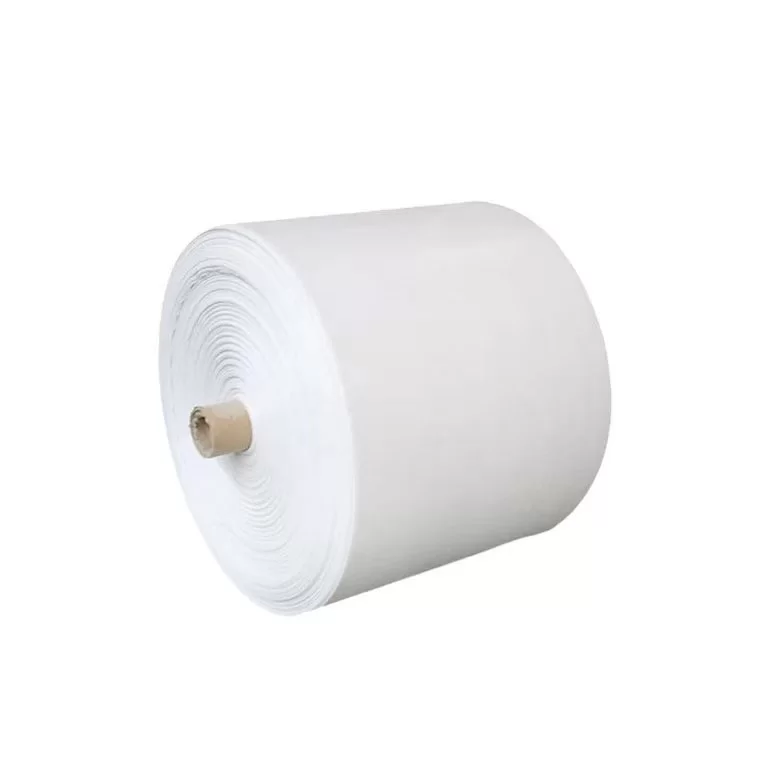

Quantifiable standards ensuring reliability for every shipment delivered to Zambia.
Evaluating the intersection of agricultural growth and packaging demands in Central Africa.
Zambia's economy is heavily anchored in mining and agriculture, creating a massive demand for robust bulk packaging. The transportation of maize, soy, and various fertilizers across the Copperbelt and Southern provinces requires bags that can withstand high-impact loading and long-distance transit. The current market environment is shifting toward professionalization, where producers are moving away from basic woven sacks toward high-performance polymers that ensure product stability and minimize wastage during the "last mile" of delivery to rural farming communities.
Recent trends indicate a surge in the adoption of BOPP lamination and multi-layer structures. As Zambian agribusinesses seek to export more processed goods to neighboring SADC countries, the need for visually appealing and moisture-resistant packaging has become paramount. There is a clear movement toward "branded logistics," where the packaging serves as a marketing tool. Furthermore, the integration of valve and pinch-bottom technology is increasing in the fine chemical sector to improve filling automation and eliminate manual sewing errors.
The primary constraint in the Zambian market remains the balance between cost-efficiency and material longevity. While there is a high demand for premium bags, the volatility of raw material costs requires strategic partnerships with manufacturers who can provide consistent quality without excessive overhead. The outlook remains positive, with an expected increase in demand for eco-friendly and recyclable PP materials as regional environmental regulations tighten and consumer awareness regarding plastic waste grows across African urban centers.
From basic utility sacks to high-tech brand ambassadors.
Packaging has evolved from a cost center to a value driver. Modern PP bags in Zambia are no longer just containers but essential components of the supply chain that protect product purity and communicate brand trust through high-definition printing.
The shift toward valve and pinch-bottom bags is driven by the need for faster filling lines. By removing the need for manual stitching, companies are reducing labor costs and increasing the accuracy of fill weights.
Advances in resin blending now allow for bags that are both lighter and stronger. This reduction in material weight, without compromising burst strength, lowers shipping costs for bulk exporters in the region.
Analyzing the technological shifts redefining the plastics industry.
Increased demand for PCR (Post-Consumer Recycled) resins to reduce environmental impact without sacrificing the structural integrity of woven bags.
Incorporating QR codes and RFID tags into BOPP films to allow real-time tracking of agricultural shipments across African borders.
Using specialized holographic layers in lamination to prevent the fraudulent rebranding of fertilizers and seeds in local markets.
Developing new polymer additives that prevent photo-oxidation, extending the outdoor lifespan of bags in high-radiation tropical climates.
The convergence of material science and digital tracking is redefining the role of the PP woven bag. No longer just a passive container, the next generation of packaging will provide data on humidity and temperature during transit, which is crucial for high-value agricultural exports from Zambia to Europe and Asia. This shift is driven by the need for stricter quality control and the reduction of waste in the global food supply chain.
Additionally, the transition toward sustainable plastics is not just an environmental goal but a commercial necessity. As international buyers demand certified sustainable packaging, manufacturers are investing in biodegradable additives and mono-material designs that simplify the recycling process. This evolution ensures that industrial packaging remains viable in a regulatory environment that increasingly penalizes single-use plastics.
How our tailored packaging solves real-world operational problems.
A local fertilizer producer faced significant losses due to moisture clumping during the rainy season. By implementing BOPP laminated bags with internal PE liners, they created a hermetic seal that blocked humidity. The result was a drastic reduction in product degradation and a professional, high-gloss appearance that increased retail visibility in local agro-dealers.
An export firm experienced frequent bag bursts during mechanical loading into shipping containers. We replaced their standard sacks with high-tenacity PP woven bags featuring reinforced seams. This increased the burst strength, ensuring that the heavy loads remained secure during transit to ports, eliminating cargo spillage and reducing insurance claims.
A chemical manufacturer struggled with powder leakage and dust contamination during the filling process. We introduced pinch bottom bags, which provide a secure, heat-sealed closure without the need for sewing. This eliminated the "dusting" effect at the base of the bag, improving workplace safety and ensuring precise weight delivery for the end user.
A pet feed company wanted to compete with premium imports by improving their packaging aesthetics. We utilized multi-color rotogravure printing on BOPP laminated bags, allowing them to feature high-resolution imagery of their products. This shift in packaging identity allowed them to secure placement in higher-end supermarkets, increasing their market share.
Cement and gypsum producers in rural Zambia faced challenges with bag fragility during manual offloading. By deploying reinforced woven bags with optimized weave density, the packaging could withstand the friction of being dragged across rough surfaces. This ensured the materials reached the construction site intact, reducing waste and improving customer satisfaction.
Illustrative perspectives on the impact of professional packaging.
The transition to BOPP laminated bags completely solved our moisture infiltration issues during the rainy season. We noticed a significant drop in product wastage and an immediate improvement in how our brand is perceived on the shelf compared to the plain woven sacks we used previously.
Using pinch bottom bags has streamlined our filling process. The elimination of manual sewing not only increased our hourly output but also removed the risk of leakage that we faced with traditional bags. It's a critical upgrade for any company handling fine powders.
The burst strength of these reinforced PP bags is impressive. We can now load our containers to full capacity without worrying about bag failure during the long haul to the coast. The consistency in material quality has made our logistics much more predictable.
Weaving strength and innovation into every package.
Established in the heart of Hebei, China, our company was founded on the principle of merging advanced manufacturing technology with meticulous craftsmanship to serve global industrial sectors.
We expanded our expertise to include a comprehensive range of specialized products such as valve bags, pinch bottom bags, and FIBCs, serving critical sectors like fine chemicals and pet feed.
Our capacity grew to include 8 senior engineers and 28 engineers, supported by 51 skilled technicians, ensuring every product meets the highest standards of precision and durability.

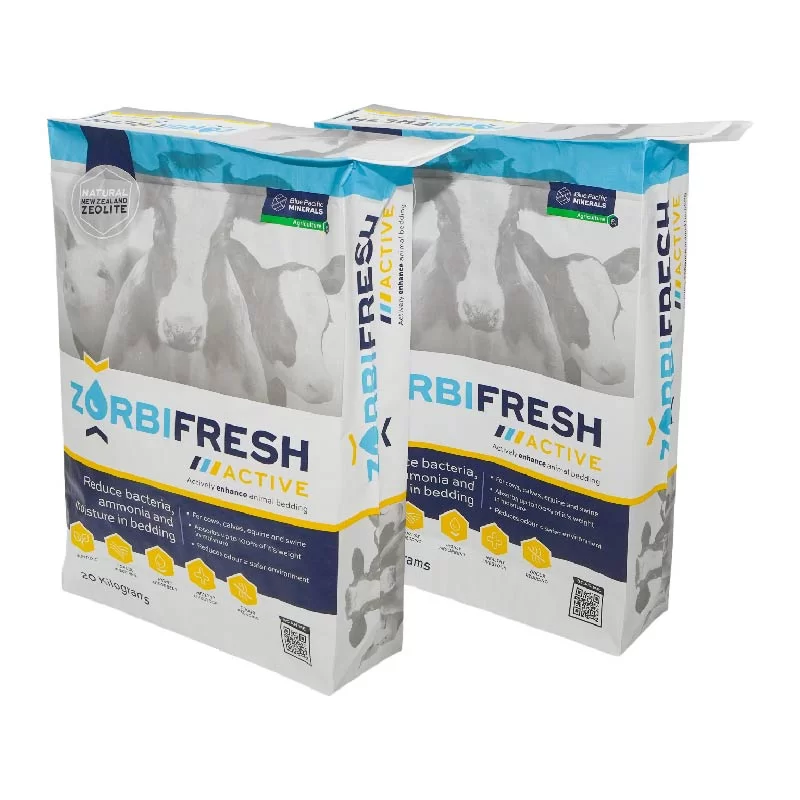

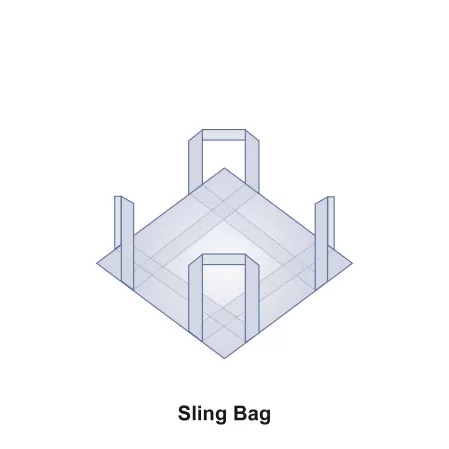
Answers to technical and commercial questions for the Zambian market.
The primary advantage is the addition of a biaxially oriented polypropylene (BOPP) film, which provides an exceptional moisture barrier and superior print quality. While standard woven bags are breathable, BOPP lamination seals the weave, protecting contents from humidity and UV rays, and allows for photographic-quality branding that is essential for retail competition in Zambia.
Pinch bottom bags utilize a heat-sealed closure instead of traditional sewing. This removes the needle holes present in sewn bags, effectively eliminating powder leakage and reducing dust contamination in the filling area. For chemical producers, this means higher product purity and a safer operational environment, as the seal is more consistent and reliable under pressure.
Yes, our fertilizer bags are engineered specifically for challenging environments. We incorporate UV-stabilizing additives into the PP resin to prevent the material from becoming brittle under intense sunlight. Additionally, the optional internal PE liner ensures that the fertilizer remains dry and free-flowing even when stored in humid, non-climate-controlled warehouses.
We ensure strength through a combination of high-tenacity virgin PP resins and precision weave density control. Every batch undergoes rigorous stress testing to verify the load-bearing capacity. By optimizing the weave pattern and utilizing reinforced sewing or sealing techniques, we ensure the bags can withstand the mechanical shocks of loading and unloading in Zambian logistics hubs.
Absolutely. We specialize in customized solutions, working closely with our clients from the structural design phase to final production. We can adjust bag dimensions, material thickness, and printing layouts to fit specific product densities and brand guidelines, ensuring that even smaller producers have access to world-class packaging that enhances their market presence.
The best next step is to provide a detailed specification of your product, including its density, moisture sensitivity, and the typical transport conditions it will face. Our engineering team will then analyze these factors to recommend the optimal combination of weave, lamination, and closure type, providing you with samples to verify performance before full-scale production.
Whether you are exporting agricultural staples or distributing industrial chemicals, the right packaging is your first line of defense. Hebei Shengshi Jintang Packaging combines technical expertise with a deep understanding of the Zambian market to deliver bags that protect, promote, and perform. Contact our engineering team today to discuss your customized requirements and receive a technical proposal tailored to your supply chain.
Discuss Your RequirementsHit enter to search or ESC to close


