

Addressing the critical vulnerabilities of traditional packaging in tropical climates and rigorous supply chain environments.
Thailand's intense solar radiation causes standard plastic bags to become brittle and crack. This degradation leads to catastrophic packaging failure during outdoor storage or transport of grains and chemicals.
High humidity levels in Southeast Asia can penetrate non-laminated weaves, causing fertilizer clumping or chemical instability, which reduces product shelf life and quality for end-users.
Heavy-duty materials like cement or minerals often cause puncture wounds in low-denier bags. Inefficient weaving patterns result in seam bursts during automated filling and rough handling.
Traditional printing often fades or smears on rough woven surfaces. Thai companies struggle to maintain a premium brand image when packaging looks generic or wears off during transit.
Standard bags without specialized bases often collapse or misalign on filling lines. This creates bottlenecks in high-volume production facilities, increasing labor costs and reducing output.
Export-grade products must meet strict international strength and purity standards. Substandard packaging leads to leakage and rejection at ports, creating significant financial losses for exporters.
We combine material science with precision manufacturing to solve the most demanding packaging requirements.
By integrating high-grade UV inhibitors into the pp woven bag resin, we ensure the material maintains tensile strength even under prolonged exposure to tropical sunlight.
Our bopp laminated bag technology creates an airtight, waterproof barrier that prevents moisture ingress and provides a high-gloss, smudge-proof surface for graphics.
We utilize reinforced weaving patterns and optimized denier selection to increase puncture resistance, ensuring bags can withstand the abrasive nature of building materials and heavy minerals.
Through printed pp woven bags, we utilize advanced ink formulations that bond chemically with the substrate, ensuring vivid colors and sharp logos that do not fade.
Our pinch bottom bags provide a flat, stable base that improves filling efficiency on automated lines and enhances stacking stability in warehouses.
Rigorous load-bearing and leak-proof testing ensure our fertilizer packaging bags meet global shipping regulations, eliminating the risk of contamination or rupture.


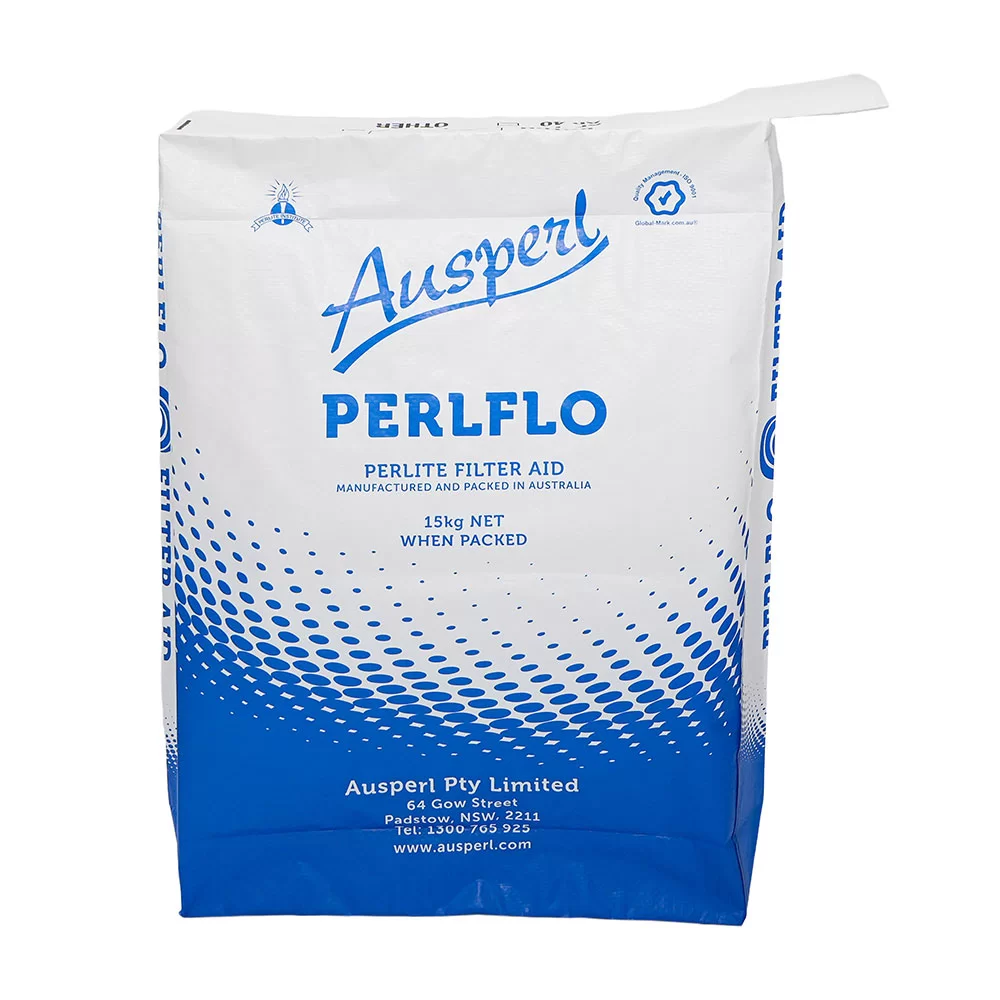
Quantifiable standards that define our commitment to structural integrity and production precision.
Understanding the unique intersection of agricultural demand and industrial growth in Asia's hub.
Thailand serves as a critical node for the production of fine chemicals, grains, and building materials. In regions like the Central Plains and Eastern Economic Corridor (EEC), the demand for high-performance PP woven packaging is driven by the necessity to transport bulky materials across diverse terrains. The climate, characterized by extreme humidity and heat, imposes severe stress on packaging materials, making structural durability and chemical resistance non-negotiable for local manufacturers.
Current market trends show a significant shift toward "Smart Packaging" where aesthetics meet functionality. Thai exporters are increasingly adopting BOPP lamination to meet the visual standards of international markets. Furthermore, there is a growing transition from traditional back-seam bags to pinch bottom and valve bag technologies, which optimize filling speeds and reduce product waste, aligning with the broader industrial drive toward automation in Thai factories.
The outlook for the Thai market is shaped by a tightening of environmental regulations and a push for sustainable yet strong materials. While the demand for high-strength woven bags remains robust, the opportunity lies in the development of recyclable PP composites. Companies that can provide a balance of extreme durability—specifically for the fertilizer and pet feed sectors—and a lower environmental footprint will lead the next phase of regional growth.
From basic containment to high-engineered brand ambassadors.
Packaging is no longer just a container but a component of the production line. The shift toward valve bags and pinch bottoms is a direct response to the need for zero-human-intervention filling processes.
In a competitive global market, the "Silent Ambassador" concept has taken hold. High-definition printing on woven substrates allows brands to communicate quality and trust instantly at the point of sale.
Reducing plastic weight without sacrificing tensile strength is the new engineering frontier. This involves optimizing the weave density and polymer blend to minimize waste while maintaining load capacity.
Analyzing the forces driving the next generation of PP woven solutions.
The industry is moving toward PCR (Post-Consumer Recycled) resins and biodegradable additives that maintain the strength of traditional PP while reducing the carbon footprint of agricultural packaging.
Specialized internal coatings are being developed for fertilizer bags to prevent chemical reactions with the bag wall and stop powder clumping in high-humidity regions like Thailand.
The integration of QR codes and RFID tags directly into the BOPP layer allows for real-time tracking of bulk shipments, improving supply chain transparency for agricultural exports.
Combining PP with other high-tenacity fibers to create "super-bags" that can hold extreme weights (FIBCs) while remaining flexible enough for standard palletization.
The convergence of these trends indicates a move toward a more holistic view of packaging. It is no longer viewed as a cost center but as a strategic asset. For instance, a well-designed BOPP laminated bag does not just protect the product; it reduces the need for secondary outer packaging, thereby lowering the overall logistics cost and environmental impact.
Furthermore, the adoption of precision engineering in bag closures, such as the move toward pinch bottom designs, is enabling Thai manufacturers to scale their production. By eliminating the manual sewing phase and reducing air entrapment, companies are achieving higher packing densities in containers, which is critical for maintaining competitiveness in the export market.
Real-world applications showing how specific bag technologies solve regional operational problems.
In high-volume rice mills, the main challenge is protecting the grain from moisture during sea transit. By deploying BOPP laminated bags with reinforced seams, operators prevent humidity ingress and ensure that the high-resolution branding remains intact from the Thai port to the international consumer, reducing product spoilage and increasing brand trust.
Fertilizer is highly corrosive and sensitive to water. In rural storage depots, standard bags often leak or tear. The use of UV-stabilized, high-denier PP woven bags with specialized liners prevents chemical leaching and ensures the bags do not degrade when stacked in open-air warehouses, maintaining product potency and safety.
Industrial chemicals require leak-proof containment to meet safety regulations. By implementing pinch bottom bags, plants can automate the filling process with precision, eliminating the risk of powder leakage at the seams and ensuring that hazardous materials are securely sealed for industrial transport within the EEC region.
Premium pet food brands in Bangkok require packaging that looks professional and resists punctures from sharp kibble. Using printed PP woven bags with a high-gloss BOPP finish provides the necessary aesthetic appeal for retail shelves while the reinforced weave prevents accidental bursts during home delivery.
Cement bags face extreme abrasion and heavy impact during loading. By utilizing heavy-duty WPP bags with optimized weave density, suppliers reduce the incidence of "dusting" (small leaks) and seam failure, ensuring that construction sites receive full-weight product without material loss during transit.
How industrial operators typically experience the benefits of engineered packaging.
The transition to BOPP laminated bags significantly reduced our moisture-related product losses during the monsoon season. The high-definition printing also allowed us to enter premium retail markets with a packaging look that rivals international brands, directly impacting our sales growth.
Implementing pinch bottom bags has revolutionized our filling line. We've seen a noticeable increase in bagging speed and a reduction in downtime caused by bag misalignment. The structural integrity of the bags ensures that heavy chemical loads remain stable during long-haul trucking.
For our fertilizer line, UV stabilization was the key. Previous packaging would degrade within weeks of outdoor storage in the Thai sun. Now, the bags remain flexible and strong, preventing leaks and ensuring the safety of the workers handling the materials.
Weaving strength and innovation into every bag to package your future success.
Located in the heart of Hebei, China, we established our specialization in the design and supply of high-quality, customized packaging solutions, focusing on WPP, valve, and BOPP laminated bags for critical industrial sectors.
Our team grew to include 8 senior engineers, 28 engineers, and 51 skilled technicians, allowing us to leverage advanced manufacturing technologies for precision machining and rigorous quality control in every production batch.
Driven by integrity and innovation, we have evolved from a supplier to a strategic partner, helping global clients in the chemical, feed, and building material sectors wrap their excellence with our high-strength packaging.


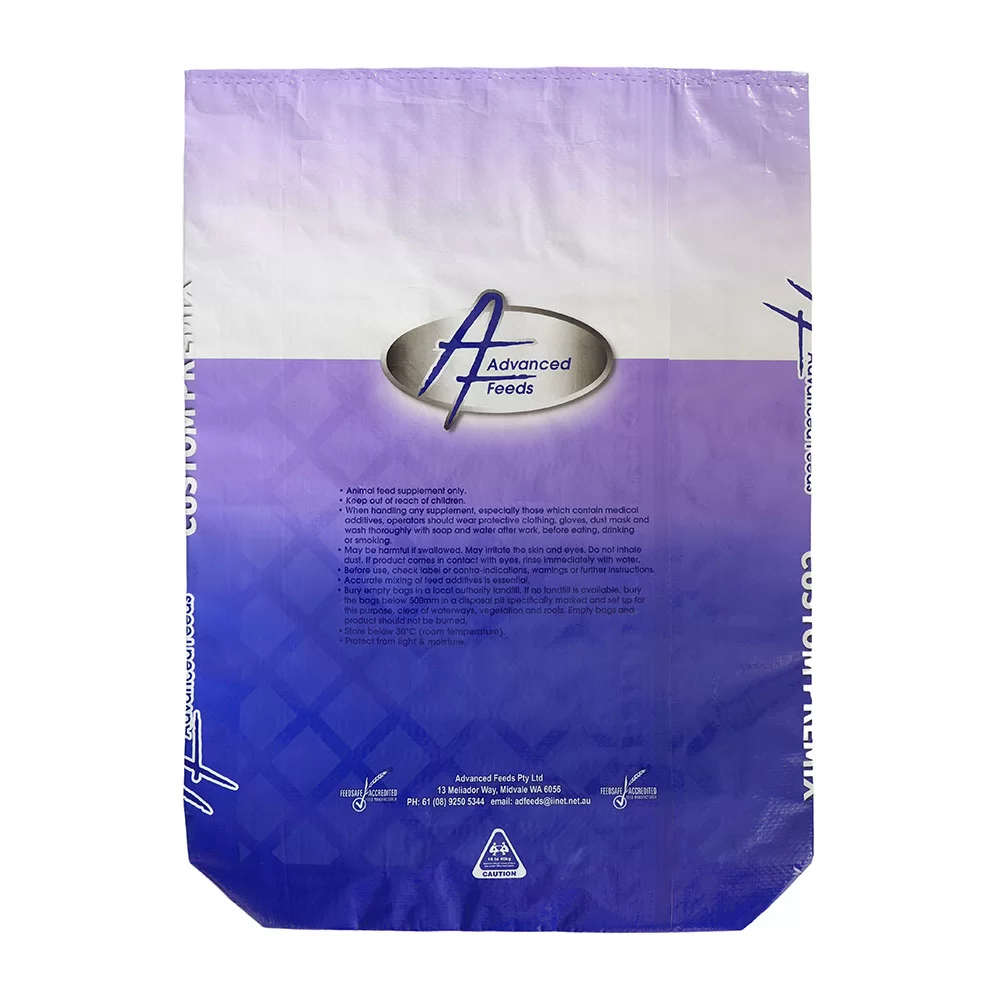
Detailed answers to help you select the optimal packaging for your specific operational needs.
The primary difference lies in the barrier properties and aesthetics. A standard pp woven bag consists of interlaced polypropylene tapes, providing strength but allowing moisture and air to penetrate. A BOPP laminated bag features an additional layer of Biaxially Oriented Polypropylene film heat-sealed to the weave. This creates a waterproof, airtight seal that prevents contamination and allows for high-definition, photographic-quality printing, making it ideal for premium retail products and moisture-sensitive chemicals.
Selection depends on the abrasive nature of the product and the intended load weight. For heavy materials like cement, we recommend a higher denier (thicker tapes) and a tighter weave density to prevent "dusting" and puncture. We analyze the typical handling process—whether the bags are manually stacked or dropped by machinery—to suggest a material specification that balances cost-efficiency with the necessary burst strength to prevent on-site failure.
Yes, pinch bottom bags are specifically designed for automation. Unlike traditional bags that require manual sewing or heat sealing at the end, the pinch bottom design allows for a more stable base and a faster closing process. Most modern filling machines can be easily adapted or are already equipped to handle this format. This transition typically results in higher throughput and significantly reduced labor costs per unit packed.
UV stabilization is essential in regions like Thailand. Without it, PP resins undergo photo-oxidation, leading to brittleness and "flaking" of the material. By integrating specialized UV inhibitors during the extrusion process, the polymer chains are protected from breaking down under solar radiation. This extends the outdoor life of the packaging from a few weeks to several months, ensuring that the bags remain structurally sound during transit and outdoor storage.
Customization options include full-color BOPP printing, custom bag dimensions, additive selection (like anti-static or UV), and specialized closure types (valve or pinch bottom). Lead times depend on the complexity of the design and order volume, but our integrated engineering team streamlines the process from concept to production. We provide digital proofs for approval to ensure the final product aligns perfectly with your brand guidelines and technical requirements.
The choice depends on your filling speed and product characteristics. Valve bags are ideal for high-speed automated filling of free-flowing powders, as the bag self-closes after reaching the target weight. Back-seam bags are more versatile for various weights and are often used when manual filling or different closure methods are required. For maximum efficiency in a factory setting, valve bags are generally the superior choice due to reduced labor and minimized product waste.
Whether you are managing agricultural exports or industrial chemical distribution in Thailand, the right packaging is critical to your bottom line. From UV-resistant weaves to high-impact BOPP laminates, our engineers can help you reduce waste and elevate your brand. Contact Hebei Shengshi Jintang Packaging today to discuss your custom specifications and request a technical consultation.
Discuss Your RequirementsHit enter to search or ESC to close


