

Logistical constraints and harsh environments create significant risks for bulk material transport and storage.
High UV exposure and extreme temperature fluctuations in Afghan highlands cause standard plastics to become brittle, leading to sudden bag failures during transit.
Low-grade fertilizer bags often tear during rough handling in rural districts, causing significant loss of valuable nutrients and environmental contamination.
Unpaved roads and manual loading practices cause severe surface friction, wearing down thin-walled containers and compromising the integrity of the inner product.
Lack of proper moisture barriers in basic bags leads to clumping in fine chemicals and grains, rendering the product unusable for end-users.
Standard printing often fades under intense sunlight, making it difficult for distributors to distinguish authentic brands from low-quality substitutes in local markets.
Inconsistent bag dimensions and lack of structural stability lead to unstable stacking in trucks, increasing the risk of collapse during long-distance haulage.
We combine material science with precision manufacturing to eliminate common packaging failures.
We integrate high-grade UV inhibitors into the PP resin, preventing polymer chain scission and ensuring bags remain flexible and strong under intense sun.
Utilizing high-tenacity tapes and optimized weaving densities, our bags withstand heavy loads and sharp-edged granules without bursting.
A BOPP film layer is thermally bonded to the woven fabric, providing a superior abrasion-resistant shield and an airtight seal against dust.
Our pinch bottom bags eliminate the traditional sewn bottom, preventing leaks of fine powders and improving stability.
We use specialized inks and multi-layer lamination for printed pp woven bags, ensuring colors remain vivid and legible.
Customized dimensions and reinforced seams ensure that bags maintain a consistent shape, allowing for maximum space utilization and safe stacking.
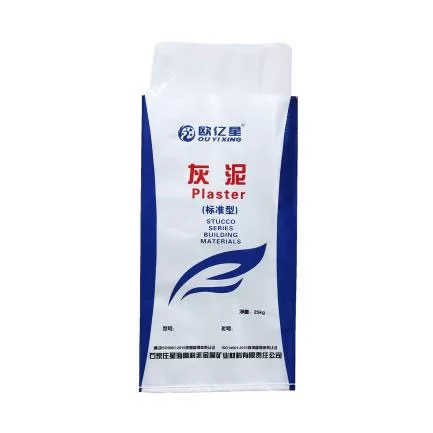

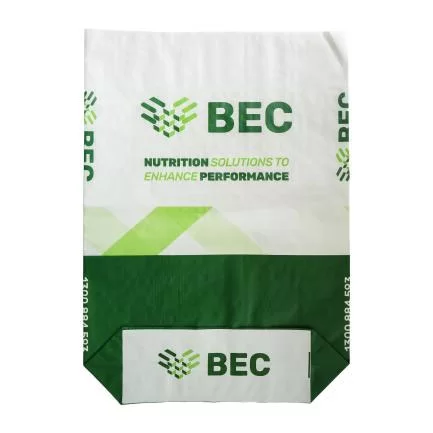
Our manufacturing benchmarks ensure consistency and reliability for global exports.
Understanding the intersection of agricultural necessity and logistical hardship.
The Afghan market is characterized by a heavy reliance on bulk transportation of agricultural products, grains, and mining minerals. Due to the country's varied geography—from the fertile plains of the north to the rugged mountains of the east—packaging must be exceptionally robust. Local businesses often face the challenge of sourcing materials that can withstand long-haul transit on underdeveloped road networks, where mechanical stress on containers is constant. Consequently, there is a growing demand for industrial-grade pp woven bag products that offer a balance of lightness and extreme tensile strength.
Current trends indicate a shift toward higher-specification packaging. As Afghanistan seeks to modernize its agricultural exports, there is an increasing requirement for bopp laminated bag options that not only protect the product but also provide high-fidelity branding. This evolution is driven by the need to compete in international markets where packaging aesthetics and moisture-barrier properties are strictly regulated. Furthermore, the adoption of valve bags and FIBCs is rising in the mineral processing sector to improve loading efficiency and reduce manual labor costs.
Despite the opportunities, constraints such as fluctuating import costs and limited local manufacturing infrastructure remain. The outlook for the market suggests a move toward sustainability and specialized materials. Companies that can provide tailored solutions—such as pinch bottom bags for fine chemicals or UV-resistant woven bags for seasonal storage—will find a competitive edge. The goal for operators in this region is to minimize "waste-at-transit," making high-durability packaging a strategic investment rather than a simple overhead cost.
From basic containment to engineered brand ambassadors.
The industry has moved from open-mouth bags to valve and pinch-bottom designs, allowing Afghan producers to integrate automated filling lines that increase speed and reduce contamination.
Modern weaving now utilizes blends of PP and PE to achieve a balance between the rigidity required for stacking and the flexibility needed to prevent tearing under stress.
The transition from simple ink stamps to multi-layer BOPP lamination allows for complex graphics and barcodes, enabling better traceability in the supply chain.
Adapting to the demands of a globalized and sustainable economy.
Increasing focus on recyclable PP materials to reduce the environmental footprint of agricultural packaging in rural Afghan provinces.
Implementation of QR codes and RFID tags on BOPP layers to track shipments of high-value grains through Afghan customs and borders.
Use of holographic laminates to protect the identity of premium Afghan saffron and nut exports against low-quality counterfeits.
Development of ultra-strong tapes that allow for thinner bags with equal strength, reducing overall plastic consumption per ton of product.
The shift toward "Intelligent Packaging" is not merely about electronics but about the chemistry of the materials used. In regions like Afghanistan, where storage conditions are often unmanaged, the evolution of moisture-barrier coatings is critical. By integrating nano-coatings within the PP structure, we can effectively prevent the hydration of hygroscopic powders, which is a common cause of product loss in fertilizer and cement industries.
Furthermore, the integration of logistics and packaging is becoming seamless. By designing bags specifically for the dimensions of standard shipping containers and regional trucks, we reduce "void space," effectively lowering the carbon footprint per unit of transport. This holistic approach ensures that the packaging is not just a container, but a component of a larger, efficient supply chain strategy.
How our packaging solves real-world operational challenges across different sectors.
In the arid climate of Kandahar, fertilizer must be transported over rough terrain to remote farms. Standard bags often burst due to the abrasive nature of the granules and road vibration. By deploying high-tenacity fertilizer packaging bags with reinforced seams, the spillage rate is minimized, ensuring that farmers receive the full quantity of nutrients despite the harsh logistical journey.
Northern Afghanistan's grain hubs struggle with moisture and pest infiltration during winter storage. Using bopp laminated bag technology, we create a moisture-resistant barrier that protects wheat and maize from humidity and external contaminants. The smooth BOPP surface also prevents rodents from easily gnawing through the bag, significantly reducing post-harvest losses.
Chemical manufacturers in Kabul require zero-leakage packaging for powders that are sensitive to air exposure. Traditional sewn bags often leak fine particles through the needle holes. We implemented pinch bottom bags, which use a specialized heat-seal to close the bottom. This mechanism ensures a complete airtight seal, protecting the product's purity and keeping the transport environment clean.
Herat's nut exporters need packaging that reflects premium quality for international markets. We provided printed pp woven bags with high-definition BOPP graphics. This not only ensures the bags survive the journey to foreign ports but also provides the visual appeal necessary for retail shelving, transforming a bulk transport bag into a market-ready branded product.
Cement and lime transport in the Hindu Kush region involves extreme mechanical stress during manual unloading. We utilized heavy-duty FIBCs and valve bags with high-denier PP fabric. The increased wall thickness and specialized weave prevent tearing when bags are dragged or dropped, ensuring the materials reach construction sites intact and without loss.
Illustrative outcomes based on typical industry requirements in the region.
The transition to UV-stabilized woven bags solved our primary issue of bag brittle-failure during the summer months. Previously, we saw a significant percentage of bags splitting during the final mile of delivery. The current material maintains its elasticity and strength even after weeks of direct sun exposure.
Using BOPP laminated bags has allowed us to maintain a consistent brand image across multiple provincial markets. The print quality does not fade, and the added moisture barrier has significantly reduced the clumping of our fine powders, resulting in fewer customer complaints regarding product quality.
The shift to pinch-bottom bags for our chemical line eliminated the leakage problems we had with sewn bottoms. It has made our warehouse much cleaner and improved the safety of our loading crews by preventing the release of fine particulates into the air during handling.
Innovation meets excellence in the world of industrial packaging.
Established in Hebei, China, the company began focusing on the design and manufacture of high-quality, customized packaging solutions, specifically targeting the needs of fine chemicals and building materials sectors.
Expanded production capabilities to include a comprehensive range of solutions: WPP bags, valve bags, back-seam bags, pinch bottom bags, BOPP laminated bags, and FIBCs (bulk bags) for diverse global sectors.
Built a robust technical core comprising 8 senior engineers, 28 engineers, and 51 skilled technicians dedicated to precision machining and rigorous quality control to meet international standards.
Transitioned from a simple supplier to a strategic partner, working closely with clients from concept and structural design to material selection, ensuring packaging elevates the brand story.
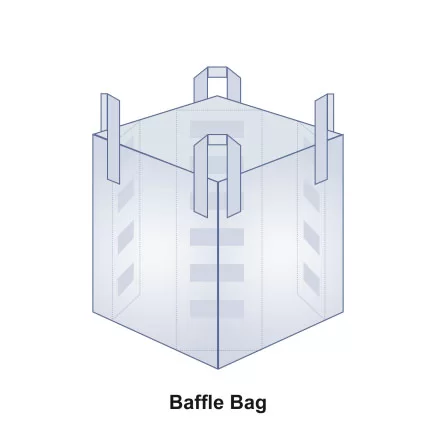


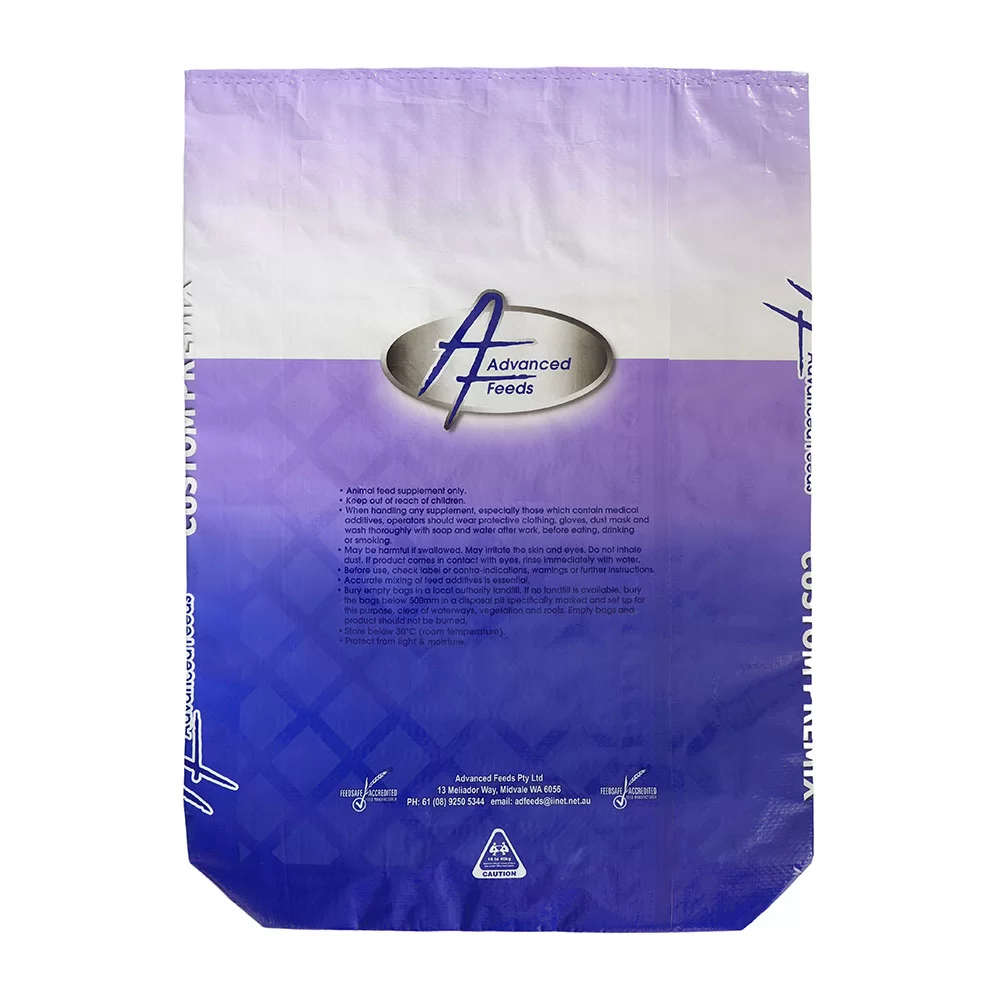
Technical answers to the most common questions from Afghan importers and operators.
A standard PP woven bag consists of interwoven polypropylene tapes providing high tensile strength. A BOPP laminated bag adds a biaxially-oriented polypropylene film layer to the surface. This film provides a superior moisture barrier, prevents fine powder leakage, and allows for high-resolution, photorealistic printing that is far more durable than standard ink. For the Afghan market, BOPP is recommended for any product requiring protection from humidity or high-end branding.
Selection depends on the granule size and the total weight per bag. For heavier loads, we increase the denier (thickness) of the PP tapes and the mesh density of the weave. We evaluate the "drop test" capability and tensile strength based on your specific loading method. In practical applications, we suggest a reinforced base and UV-stabilized resin to ensure the bag does not weaken during outdoor storage before reaching the end-user.
Traditional sewn bags have thousands of tiny needle holes at the bottom, which act as leak points for fine chemicals or powders. Pinch bottom bags utilize a heat-seal technology that fuses the material together, creating a seamless, airtight closure. This eliminates product loss, prevents contamination from external moisture, and is significantly more compatible with high-speed automated filling machines, reducing manual labor and increasing throughput.
Yes, customization is our core strength. We can adjust the UV-inhibitor concentration to match the solar intensity of specific regions, add anti-slip coatings to the surface for safer stacking in trucks on uneven roads, or include internal PE liners for absolute moisture protection. We recommend a consultation to analyze your specific transport route and storage duration to optimize the material blend for your environment.
Lead times vary based on the complexity of the print and the volume of the order. Since we manage the process from design to production, we can optimize timelines. For shipping to Afghanistan, we ensure all bags are compressed efficiently to maximize container space, reducing your per-unit shipping cost. We also provide detailed packing lists and certification documentation to facilitate smoother customs clearance at the border.
The process begins with a structural consultation where we determine the bag type (e.g., WPP vs BOPP) and dimensions. Once the structure is set, our design team works with your brand guidelines to create a digital layout. We provide a digital proof for your approval before moving to plate production. This collaborative approach ensures that the final product not only protects your goods but also serves as a high-impact marketing tool in your local market.
Whether you are distributing fertilizers in Kandahar or exporting premium grains from the north, the right packaging is critical to your profitability. Hebei Shengshi Jintang Packaging provides the technical expertise and manufacturing scale to ensure your products reach their destination intact. Contact us today to discuss your specific material requirements for the Afghanistan market and request a tailored technical proposal.
Discuss Your RequirementsHit enter to search or ESC to close


