

Operators in Norway face unique environmental and logistical pressures that demand more than standard bagging solutions.
Norway's humid and cold coastal climates often lead to condensation and moisture ingress, which can degrade the quality of fine chemicals and pet feed during transit or storage.
Heavy building materials and grains put immense stress on seams. Standard bags often suffer from bursting, leading to costly product loss and workplace safety hazards.
Generic packaging fails to differentiate products in a competitive European market. Low-resolution printing often fades or peels under harsh industrial handling conditions.
Inefficient bag openings and poor structural stability during automated filling lead to frequent line stoppages and increased labor costs in high-volume production facilities.
Strict Norwegian environmental regulations require packaging that balances extreme durability with the ability to be handled within circular economy frameworks to reduce waste.
Irregular bag shapes often cause instability during palletization and shipping, increasing the risk of collapses in warehouses and during long-distance transport.
We combine advanced polymer science with precision manufacturing to solve the toughest packaging dilemmas.
Our bopp laminated bag technology creates an airtight moisture barrier, preventing frost damage and ensuring product purity in cold climates.
By optimizing the weave density of our pp woven bag, we provide superior tensile strength that eliminates ruptures for building materials.
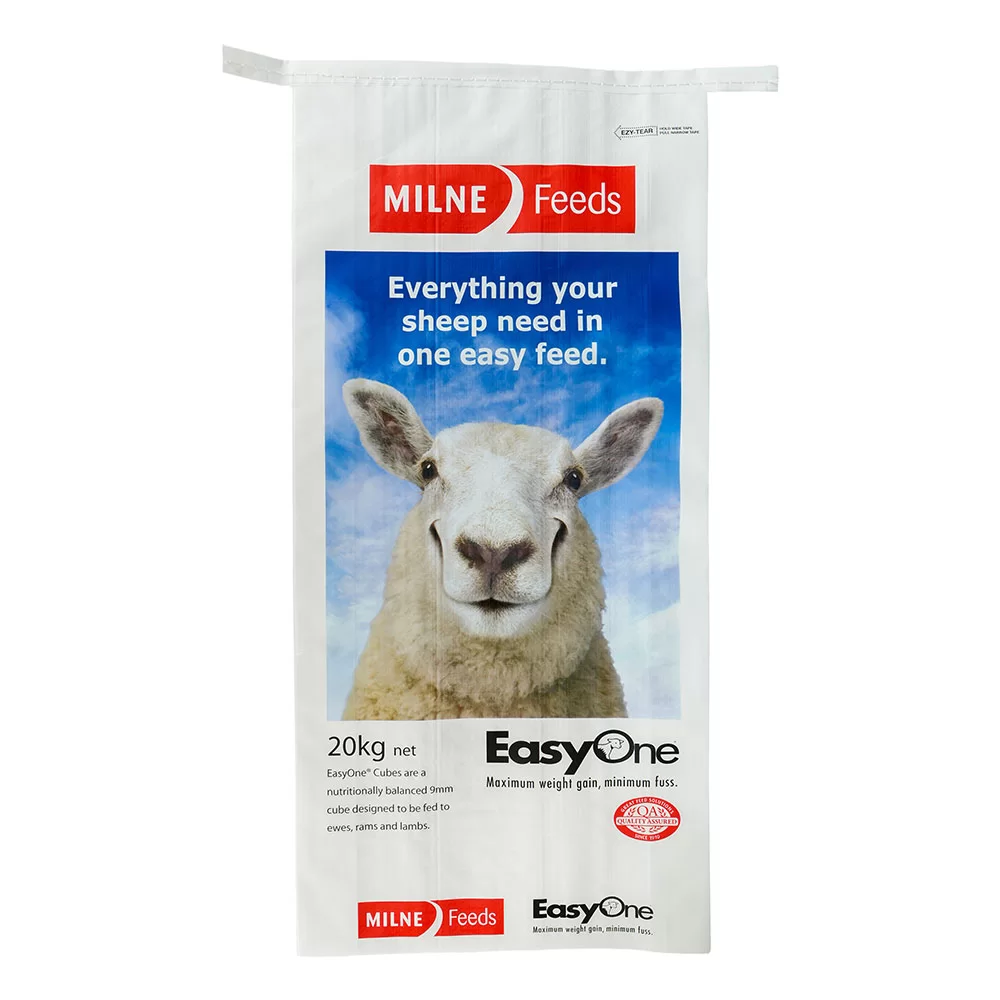
Using advanced ink-bonding processes for printed pp woven bags, we ensure vivid, smudge-proof branding that survives the rigors of logistics.
Our pinch bottom bags offer a square-bottom profile for maximum stability and seamless integration with automated filling lines.
We utilize high-grade Polypropylene that maximizes strength-to-weight ratios, reducing plastic consumption while maintaining industrial-grade performance for sustainability.
From FIBCs to valve bags, we design the bag geometry to ensure perfect pallet stacking, reducing shifting and damage during transit to Norwegian hubs.


Our commitment to excellence is backed by a robust engineering team and meticulous quality control.
Understanding the interplay between Northern European regulations and industrial demand.
Norway's industrial sector is characterized by high standards for safety and environmental stewardship. In the realms of fine chemicals and building materials, packaging is not merely a container but a critical component of the supply chain. The geography—marked by fjords and mountainous terrain—means products often undergo varied temperature shifts and physical stresses during transport. Consequently, there is a strong market preference for high-tenacity polymers and moisture-resistant coatings that can withstand the North Atlantic humidity without compromising the integrity of the contents.
Current market trends indicate a significant shift toward "smart" and highly specialized packaging. There is a growing demand for fertilizer packaging bags that offer specific breathability or total impermeability depending on the chemical composition of the product. Furthermore, the integration of BOPP lamination is becoming the standard for consumer-facing industrial products in Norway, as companies seek to combine the structural strength of woven PP with the high-fidelity graphics required for premium branding in European retail and wholesale channels.
The outlook for the Norwegian market is shaped by a dual commitment to durability and sustainability. While the need for extreme strength remains paramount—especially for heavy grains and minerals—there is an increasing push for materials that are easier to recycle or have a lower carbon footprint. The opportunity for manufacturers lies in developing "hybrid" solutions: bags that provide the absolute protection of traditional plastics but are optimized for the circular economy. Companies that can prove a reduction in material waste without sacrificing burst strength will hold a competitive advantage.
Tracing the journey from simple sacks to high-performance engineered containers.
Packaging has evolved from a simple transport vessel into a critical marketing asset. Modern printed bags now incorporate UV-resistant inks and multi-layer laminates to ensure that the brand identity remains intact from the factory in Hebei to the final destination in Norway.
The shift toward Industry 4.0 has forced a redesign of bag geometry. The move toward pinch-bottom and FIBC configurations is a direct response to the need for faster cycle times and reduced human intervention in the bagging process.
Modern engineering now focuses on "down-gauging"—reducing the thickness of the PP film while using higher-tenacity resins to maintain strength, effectively reducing the total plastic weight per unit shipped.
Anticipating the technological and regulatory shifts in the global PP woven market.
There is a rising shift toward integrating bio-based resins into woven structures to meet EU packaging directives, reducing reliance on virgin fossil-fuel plastics.
Incorporating RFID or QR codes directly into the BOPP layer to allow Norwegian logistics providers to track bulk shipments in real-time through the supply chain.
For fine chemical powders, the adoption of anti-static coatings is increasing to prevent dust explosions and ensure safer handling in automated Norwegian warehouses.
Developing polymers specifically tuned for low-temperature flexibility, ensuring bags do not become brittle and crack in sub-zero Norwegian winters.
The convergence of material science and digital integration is redefining the role of the woven bag. No longer viewed as a commodity, high-performance packaging is now a strategic asset. The industry is moving toward a "precision packaging" model where the bag's molecular structure is tailored to the specific gravity, chemical volatility, and environmental exposure of the product. This shift is particularly evident in the European market, where the cost of a single bag failure far outweighs the investment in a premium, engineered solution.
Furthermore, the drive toward carbon neutrality is pushing manufacturers to optimize the entire lifecycle of the PP woven bag. This includes exploring chemical recycling methods and improving the efficiency of the weaving process to minimize energy consumption. As Norway leads the way in green industrialism, the demand for packaging that proves its ecological credentials while maintaining absolute industrial reliability will continue to accelerate, creating a new standard for global manufacturing.
How our specialized packaging performs in diverse Norwegian industrial environments.
In the high-humidity environment of Bergen, fine chemical suppliers utilize our BOPP laminated bags to prevent moisture ingress. The waterproof barrier ensures that hygroscopic powders remain dry and free-flowing, preventing clumping and ensuring precise dosing for end-users, effectively eliminating product spoilage caused by the coastal climate.
Pet feed producers in the Trøndelag region implement our printed pp woven bags to combine heavy-duty strength with high-impact branding. The reinforced weave handles the abrasive nature of feed grains, while the high-definition printing maintains a premium shelf appearance in regional cooperatives, reducing bag breakage during rough rural handling.
For Oslo's booming urban infrastructure projects, our pinch bottom bags are used for cement and aggregate packaging. The square-bottom design allows for stable stacking on pallets in tight urban warehouse spaces, reducing the risk of leaning loads and ensuring faster off-loading at construction sites through improved structural rigidity.
Export-grade fertilizer packaging bags are deployed for long-haul maritime transport. By utilizing UV-stabilized PP and reinforced seams, these bags withstand the prolonged exposure to sunlight and salt spray on ship decks, preventing leaks and ensuring that the nutrient-rich contents reach global markets intact.
In the Arctic conditions of Tromsø and beyond, mineral operators use our low-temperature flexible PP bags. Unlike standard plastics that become brittle in the cold, our material formulation maintains impact resistance at sub-zero temperatures, preventing the bags from cracking during rapid loading and unloading processes in winter.
Illustrating the operational impact of high-performance packaging in typical scenarios.
In high-humidity coastal regions, the transition to BOPP laminated bags has significantly reduced our product wastage. The moisture barrier ensures that chemical powders remain stable, which is critical for maintaining our quality certifications and customer trust.
The structural stability provided by pinch-bottom designs has optimized our automated filling lines. We've seen a marked decrease in bag misalignment and ruptures, which has directly improved our hourly throughput and reduced manual cleanup time.
Maintaining brand integrity during long-distance shipping to Northern Norway is challenging. The UV-resistant, high-definition printing on these woven bags ensures our products look professional and premium even after weeks of transit.
Where innovation meets excellence in the world of industrial packaging.
Established in Hebei, China, we began our journey specializing in the design and manufacturing of high-quality customized packaging solutions, focusing on woven bags (WPP bags) for industrial sectors.
We expanded our production capabilities to include valve bags, back-seam bags, pinch bottom bags, BOPP laminated bags, and FIBCs, allowing us to serve fine chemicals, pet feed, and building materials.
We built a powerhouse technical team comprising 8 senior engineers, 28 engineers, and 51 skilled technicians dedicated to precision machining and rigorous quality control.
Our mission evolved to transform client visions into market-ready packaging that not only protects products but elevates brand stories through meticulous craftsmanship and sustainability.
Today, we operate as more than a supplier; we are a strategic partner, leveraging deep industry knowledge to deliver robust, efficient, and customized pumping and packaging solutions worldwide.


Technical insights and operational guidance for selecting the right packaging.
Standard PP woven bags provide excellent strength but are naturally porous, allowing moisture and air to permeate through the weave. BOPP (Biaxially Oriented Polypropylene) laminated bags feature an additional extruded film layer that is heat-bonded to the woven fabric. This creates an impermeable barrier that protects contents from humidity and frost, which is essential for the damp coastal climates of Norway. It also provides a superior surface for high-resolution printing.
Pinch bottom bags are engineered with a specific fold-and-seal bottom that eliminates the need for traditional sewing. This design allows the bag to open more consistently under filling nozzles, reducing the frequency of "mis-feeds" or jams. Additionally, the flat bottom provides a stable base, meaning bags stand upright immediately after filling, which accelerates the palletization process and reduces the risk of bag collapse during the transport phase.
Yes, we focus on using high-grade, recyclable Polypropylene. By optimizing the material thickness (down-gauging) and improving the tensile strength through advanced weaving, we help our clients reduce the total plastic weight per unit without sacrificing durability. We work closely with clients to ensure that the material selection aligns with the circular economy goals and the specific regulatory requirements of the Norwegian and EU markets.
For heavy construction materials in Arctic regions, we recommend reinforced PP woven bags with a specific low-temperature resin additive. Standard PP can become brittle and crack when temperatures drop significantly. Our specialized formulation maintains flexibility and impact resistance in sub-zero temperatures. For maximum stability and ease of handling at the job site, a pinch bottom or FIBC (bulk bag) configuration is ideal to prevent ruptures during mechanical loading.
Absolutely. Customization is a core part of our service. We work with your team from the concept stage to define the exact structural dimensions that optimize your pallet footprint, reducing shipping voids and increasing stability. For branding, our BOPP lamination process supports full-color, high-fidelity designs that ensure your product stands out. We provide prototypes to ensure the dimensions and graphics are perfectly aligned with your operational requirements.
The process begins with a technical consultation. You will need to provide details regarding the product's density, chemical properties, required bag capacity, and the environmental conditions of your supply chain. Our engineers will then suggest the optimal material (e.g., BOPP vs. Standard Woven) and structural design (e.g., Valve vs. Pinch Bottom). Once the specifications are confirmed, we provide a detailed quote and a production timeline, followed by sample development for your approval.
Whether you are managing fine chemicals in Bergen or construction materials in Oslo, the right packaging is the silent ambassador of your brand. Partner with Hebei Shengshi Jintang Packaging to access engineered solutions that withstand the Norwegian climate and optimize your operational efficiency. Let our technical team design a customized solution that wraps your excellence with ours.
Discuss Your RequirementsHit enter to search or ESC to close


