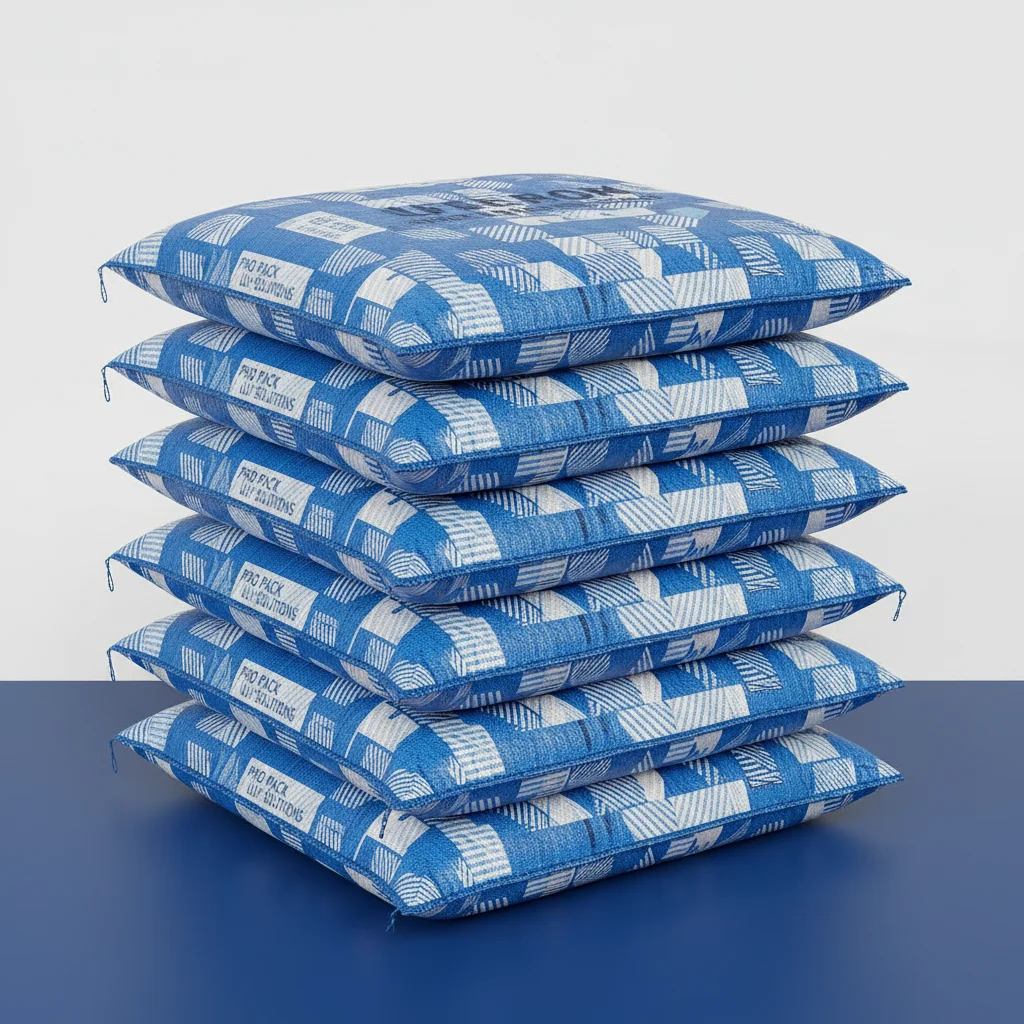
In the demanding landscape of industrial packaging, the plastic woven bag stands as a cornerstone of logistics and material handling. These versatile containers, engineered from high-tenacity polypropylene, provide an unparalleled balance of strength and lightweight efficiency, making them indispensable for transporting everything from agricultural grains to chemical powders. By leveraging a cross-weave structural design, they offer a level of tear resistance that single-layer films simply cannot match.
Globally, the reliance on woven plastic solutions has surged as industries seek to minimize transit losses and optimize warehouse space. The ability to customize these bags—whether through BOPP lamination for branding or adding liners for moisture protection—allows businesses to tailor their packaging to specific environmental challenges. Understanding the technical nuances of these bags is no longer just for procurement officers; it is a strategic advantage for any supply chain aiming for maximum durability and cost-effectiveness.
From a sustainability perspective, the evolution of the plastic woven bag has shifted toward circularity. Modern manufacturing processes now incorporate recyclable resins and thinner yet stronger tapes, reducing the overall carbon footprint without compromising the structural integrity required for heavy-duty industrial use. This balance of utility and responsibility defines the current state of the global packaging market.
Global Industrial Significance of Plastic Woven Bags
The global logistics framework relies heavily on the plastic woven bag due to its ability to handle extreme stresses during intermodal transport. According to industry trends aligning with ISO packaging standards, the move toward polypropylene (PP) weaving has drastically reduced the incidence of bag bursts during sea freight. This is critical for the agricultural sector, where a single ruptured bag can lead to significant commodity loss and contamination.
Beyond simple transport, these bags address the challenge of "bulk instability." By providing a standardized, high-tensile containment system, they allow for efficient stacking and palletization. This systemic reliability ensures that critical supplies—from fertilizers in Southeast Asia to minerals in South America—reach their destination without degradation, stabilizing global supply chains in the face of volatile shipping conditions.
Technical Definition and Structural Composition
At its most basic level, a plastic woven bag is a textile-like container created by weaving polypropylene tapes in two perpendicular directions (warp and weft). Unlike traditional plastic films that are extruded as a single sheet, the woven structure distributes weight and tension across a network of interconnected fibers. This mechanical interlocking is what gives the material its legendary resistance to punctures and tears.
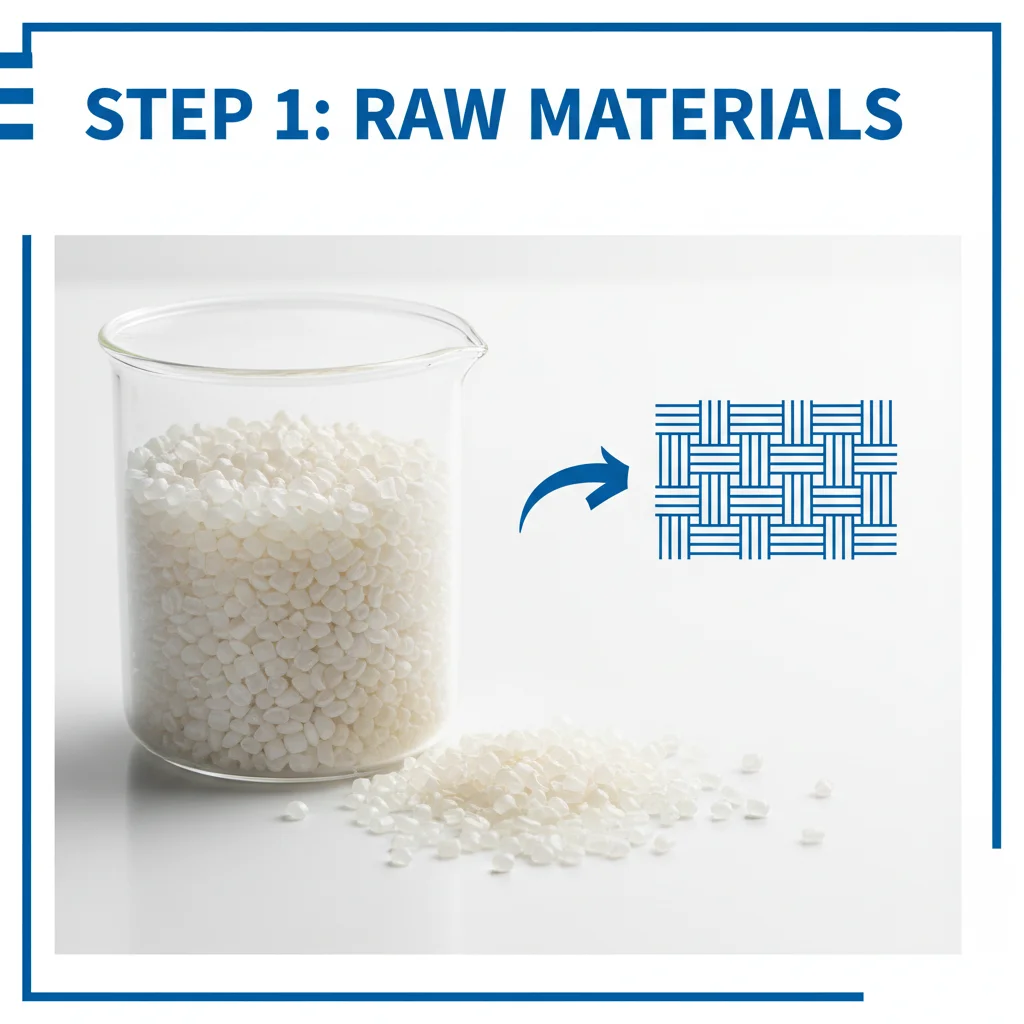
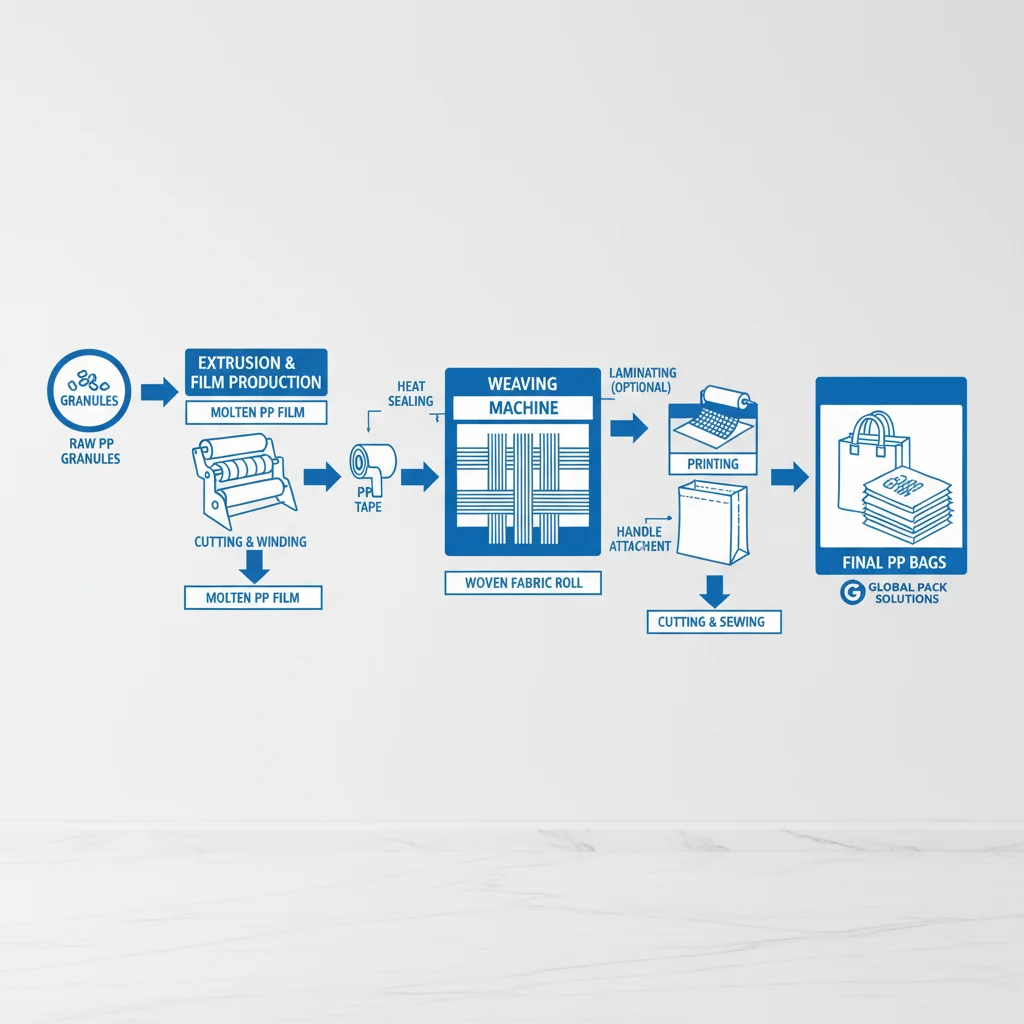
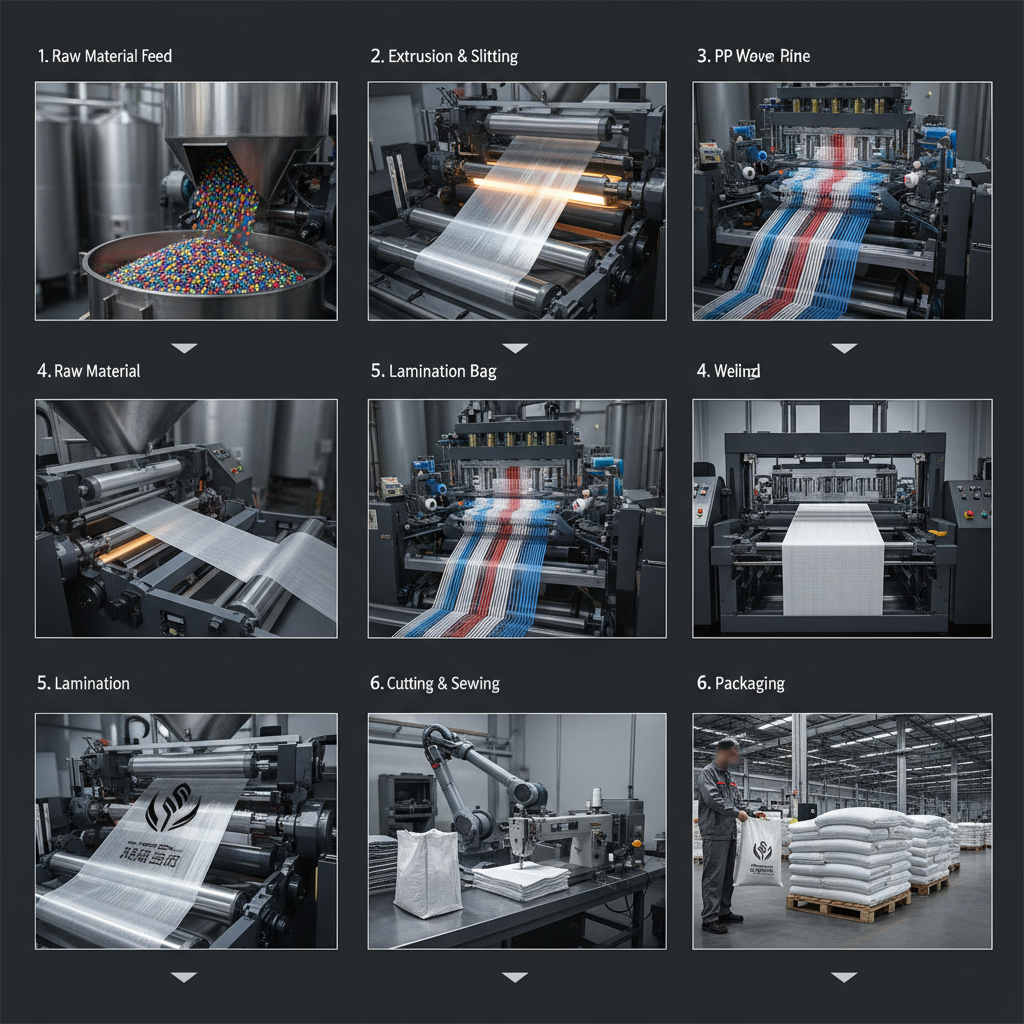
The manufacturing process involves the extrusion of PP resin into thin tapes, which are then stretched to align the molecular chains, significantly increasing the tensile strength. These tapes are woven on circular looms to create a tubular fabric. Depending on the end-use, the bag may undergo additional processes such as coating (lamination) with a thin layer of PE to make it waterproof or adding a BOPP film for high-resolution printing.
In modern industrial contexts, this construction is more than just "packaging"; it is a performance-engineered tool. For humanitarian aid, such as food distribution by the World Food Programme, the structural integrity of the woven bag ensures that nutrients are delivered to remote areas where road conditions are poor and handling is rough, proving that technical simplicity often yields the highest reliability.
Core Performance Factors for Heavy-Duty Use
Durability is the primary metric for any plastic woven bag. This is measured by the "breaking strength" of the tapes and the density of the weave (mesh count). A tighter weave prevents fine powders from leaking through the gaps, while a higher denier tape ensures the bag can withstand the vertical pressure of being stacked five or six layers high in a warehouse.
UV Stabilization is another critical factor. Since many woven bags are used in outdoor agricultural settings, untreated polypropylene would degrade rapidly under sunlight. By integrating UV inhibitors during the extrusion phase, the plastic woven bag remains structurally sound even after prolonged exposure to harsh equatorial sun, extending its operational lifespan.
Cost Efficiency and Scalability complete the core triad. Because the raw materials are abundant and the production process is highly automated, these bags provide a low per-unit cost without sacrificing safety. This allows enterprises to scale their distribution networks rapidly, knowing that their packaging costs will remain predictable even as volume increases.
Comparative Analysis of Woven Packaging Types
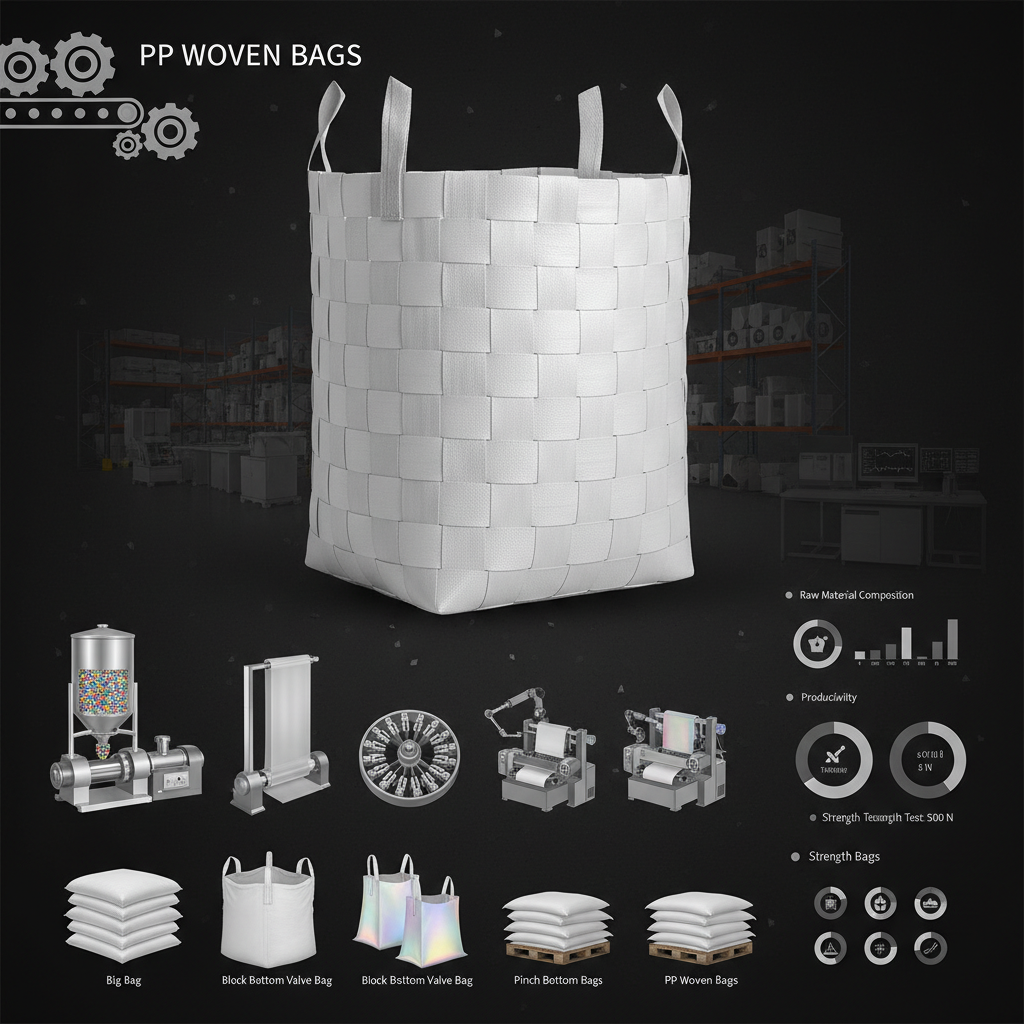
Not all woven solutions are created equal. Depending on the product's density and the required handling method, businesses choose between different iterations of the plastic woven bag. For instance, Big Bags (FIBCs) are designed for multi-ton loads, while Block Bottom Valve Bags are specialized for the automatic filling of cement and minerals, ensuring a square shape for optimal stacking.
When comparing a standard PP woven bag to a BOPP laminated bag, the difference lies in the "commercial face." While the standard bag is utility-focused, the BOPP version adds a layer of clarity and branding, effectively turning the packaging into a marketing tool. This allows brands to communicate quality and authenticity directly on the bag's surface, which is vital in retail-facing agricultural markets.
Performance Rating of Plastic Woven Bag Variants
Global Applications and Strategic Use Cases
The versatility of the plastic woven bag extends across diverse sectors. In the chemical industry, specialized lined woven bags prevent hazardous powders from reacting with the atmosphere while providing the physical strength to prevent leaks during transit. In the agricultural sector, they are the gold standard for transporting seeds, grains, and animal feed across borders, ensuring that food security is maintained through reliable containment.
Beyond industry, we see critical applications in disaster relief. In post-earthquake or flood scenarios, heavy-duty woven bags are used for sandbagging to prevent further flooding and for the distribution of emergency food rations. Their ability to be produced in massive quantities and shipped flat makes them the most logical choice for rapid-response logistics where time and space are the most constrained resources.
Long-Term Economic and Operational Value
Investing in high-quality plastic woven bag solutions translates directly into reduced operational overhead. When a company chooses a bag with the correct GSM (grams per square meter) and UV protection, they drastically reduce the "shrinkage" rate—the loss of product due to packaging failure. This reliability builds trust between the manufacturer and the end consumer, as the product arrives in pristine condition.
Furthermore, the logical angle of cost-per-use is unbeatable. Compared to jute or paper bags, plastic woven options are more resistant to moisture and mold, eliminating the need for expensive climate-controlled storage in some instances. This operational flexibility allows companies to store materials in a wider variety of environments, reducing the need for specialized warehousing infrastructure.
Ultimately, the value lies in the peace of mind. The safety of workers handling these bags, the dignity of receiving intact aid in developing nations, and the innovation of integrated branding all stem from a simple, well-engineered piece of woven plastic. It is a silent partner in global trade that ensures efficiency and reliability.
Future Innovations and Sustainability Trends
The future of the plastic woven bag is inextricably linked to the "Green Transition." We are seeing a shift toward the use of PCR (Post-Consumer Recycled) resins, allowing bags to be manufactured from recycled plastic waste. This creates a circular economy where the packaging of today becomes the raw material for the packaging of tomorrow, reducing the reliance on virgin petroleum-based polymers.
Technological integration is also entering the space. We are seeing the introduction of "Smart Packaging" where RFID tags or QR codes are woven into the fabric or printed on the BOPP layer. This allows for real-time tracking of bulk shipments, providing transparency in the supply chain and ensuring that batches of agricultural products can be traced back to their origin for quality control.
Automation in the weaving and filling process is further optimizing the industry. New high-speed looms are reducing energy consumption per bag, while automated pinch-bottom sealing machines are increasing the speed of packaging lines. These innovations ensure that the plastic woven bag remains the most competitive and sustainable choice for the next generation of industrial packaging.
Technical Specifications and Suitability Matrix for Woven Bags
|
Bag Variant
|
Primary Material
|
Load Capacity
|
Best Use Case
|
| PP Woven Bag |
Virgin Polypropylene |
5kg - 50kg |
Rice and Flour |
| BOPP Laminated |
PP + BOPP Film |
10kg - 50kg |
Premium Pet Food |
| Valve Bag |
Coated PP |
20kg - 40kg |
Cement and Plaster |
| Big Bag (FIBC) |
Heavy-Duty PP |
500kg - 2000kg |
Mining and Chemicals |
| Pinch Bottom |
Reinforced PP |
10kg - 25kg |
Industrial Powders |
| Lined Woven Bag |
PP + PE Liner |
5kg - 50kg |
Fine Chemical Powders |
FAQS
The strength comes from the weaving process. While standard bags are made from a single extruded film, a plastic woven bag consists of interwoven tapes. This structure distributes weight across multiple axes, preventing a small puncture from turning into a large tear and allowing the bag to carry significantly heavier loads without stretching or breaking.
Standard woven bags have tiny gaps between the weave. For moisture-sensitive items, we recommend using a laminated plastic woven bag or adding an internal PE liner. Lamination seals the surface of the fabric, while a liner provides a complete moisture barrier, ensuring your product stays dry and free from contamination.
UV stabilization involves adding specialized chemical inhibitors (like HALS) to the PP resin before the tapes are extruded. These additives absorb or block the ultraviolet radiation from the sun, which would otherwise break the polymer chains and cause the bag to become brittle and crumble. This is essential for bags stored outdoors.
Yes, absolutely. The most effective method is BOPP lamination, where a high-quality printed film is bonded to the woven fabric. This allows for photographic-quality graphics, vibrant colors, and precise text. For simpler needs, flexographic printing can be applied directly to the woven surface, providing a cost-effective way to add logos and basic info.
A standard bag is open-topped and requires manual tying or sewing. A valve bag has a specially designed "valve" opening that allows the bag to be filled automatically via a filling machine. Once the bag reaches its capacity, the valve closes under pressure, making it ideal for high-speed industrial filling of cement or chemicals.
Yes, polypropylene (PP) is a thermoplastic, meaning it can be melted down and reshaped. Many industrial users now collect used woven bags and send them to recycling plants where they are pelletized into PCR resin. Using bags made from recycled content further reduces the environmental impact and supports a circular economy.
Conclusion
The plastic woven bag is far more than a simple container; it is a critical piece of industrial engineering that ensures the safe, efficient, and cost-effective movement of goods worldwide. From its high-tensile woven structure and UV stabilization to its diverse variations like BOPP lamination and FIBCs, it provides the necessary durability for the world's most demanding supply chains. By balancing technical performance with economic scalability, these bags have become the backbone of agricultural and industrial logistics.
Looking forward, the integration of recycled materials and smart-tracking technologies will continue to enhance the value proposition of woven packaging. For businesses aiming to optimize their packaging strategy, the focus should be on matching the bag's technical specifications—such as GSM and coating—to the specific challenges of their transit environment. Embracing these innovations not only protects the product but also contributes to a more sustainable global trade ecosystem. Visit our website for more professional solutions: www.ssjtpack.com