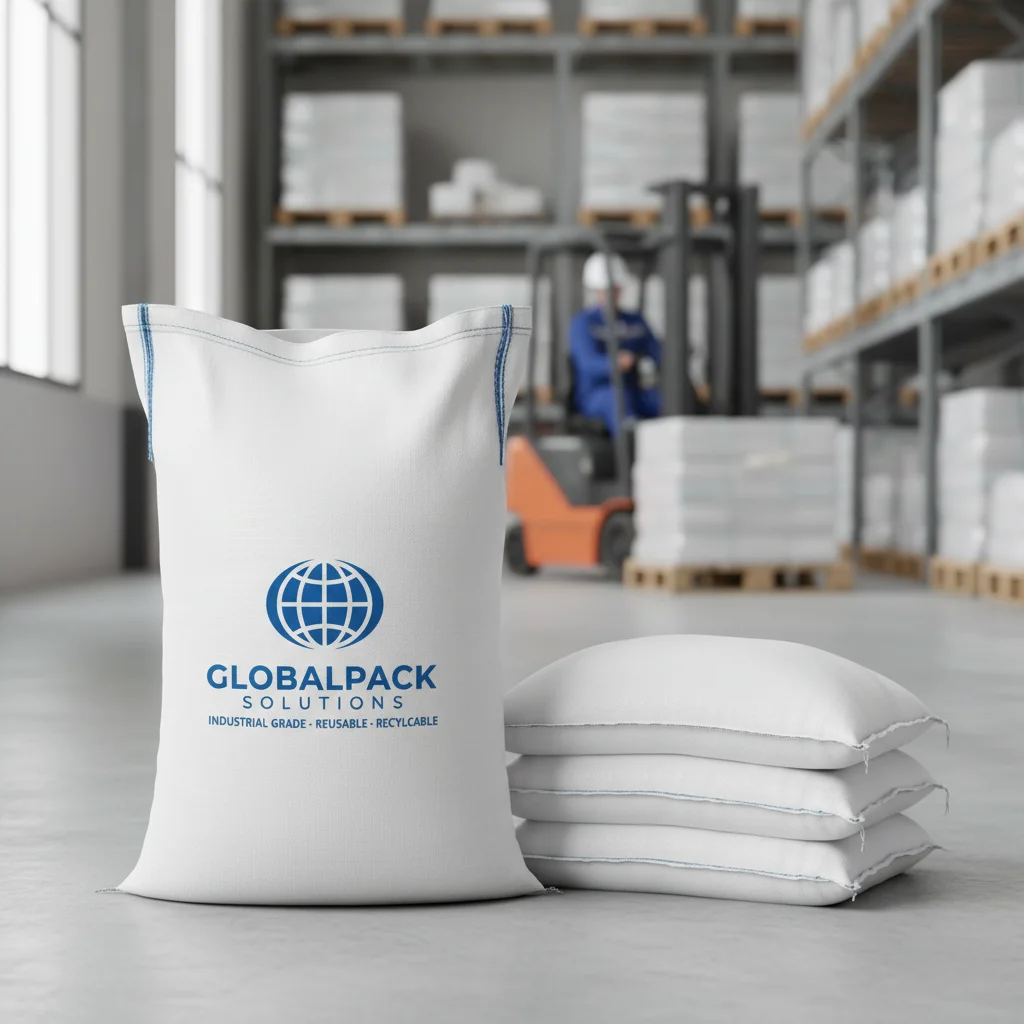
In the modern logistics and packaging landscape, the pp woven laminated bag has emerged as a cornerstone for transporting bulk materials across various industries. By combining the structural integrity of woven polypropylene with the moisture-resistant properties of a laminated film, these containers provide an unparalleled shield against external environmental factors, ensuring that contents remain pristine from the factory floor to the end consumer.
Understanding the technical nuances of these bags is essential for procurement managers and business owners who aim to reduce product loss and optimize supply chain efficiency. Whether it is agricultural seeds, chemical powders, or construction aggregates, the ability to choose a packaging solution that balances strength with barrier protection can significantly impact the bottom line and brand reputation.
Globally, the shift toward high-performance polymers has pushed the pp woven laminated bag into the spotlight, as it offers a sustainable yet robust alternative to traditional multi-wall paper bags. This comprehensive guide explores the technical specifications, global applications, and future innovations that make this packaging medium indispensable in today's industrial economy.

The Engineering Behind PP Woven Laminated Bags
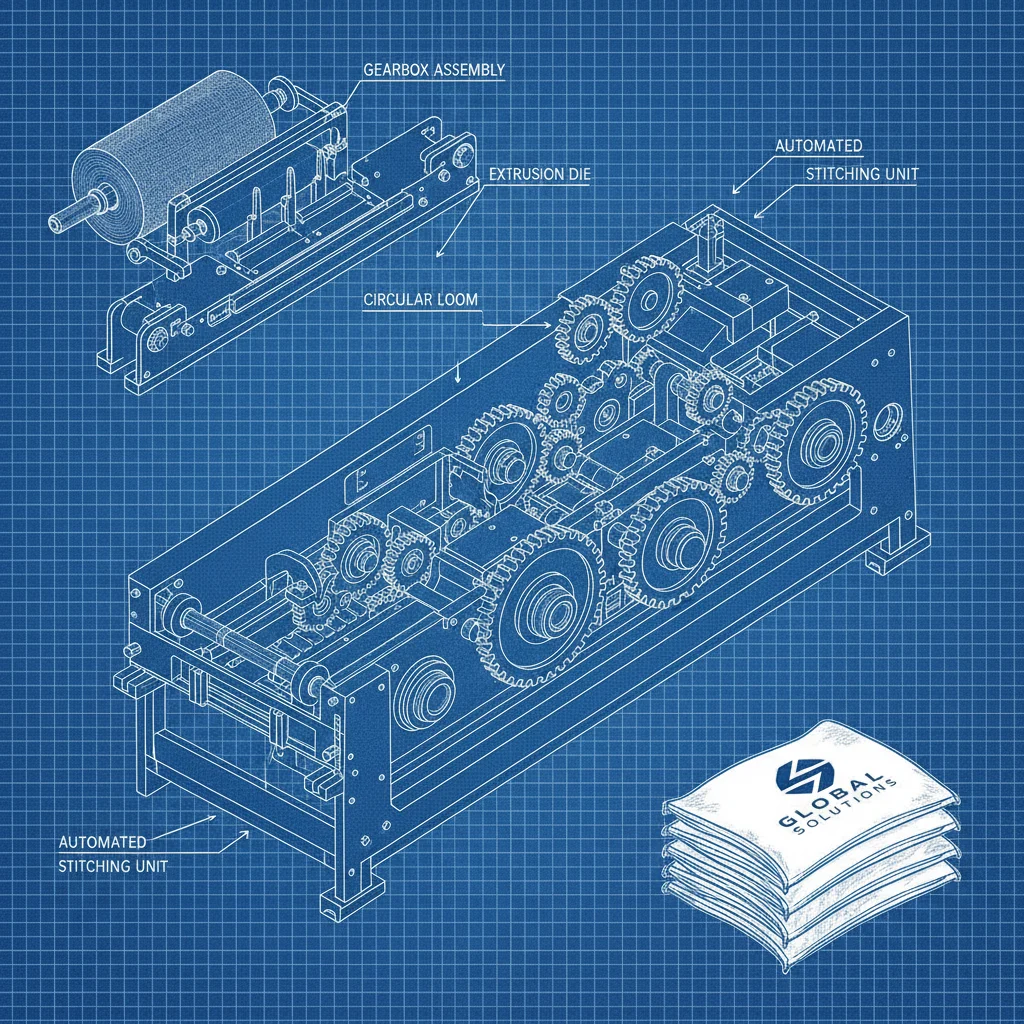
The structural foundation of a pp woven laminated bag lies in the intricate weaving process of polypropylene tapes. These tapes are extruded and woven into a tight fabric that provides exceptional tensile strength, preventing the bag from bursting under the pressure of heavy bulk loads. This mechanical strength is what allows the bags to withstand the rigors of automated filling lines and rough handling during transit.
To enhance this strength, a thin layer of polyethylene or polypropylene film is heat-bonded to the woven surface. This lamination process transforms a breathable fabric into a moisture-resistant barrier, preventing fine powders from leaking out and protecting the contents from humidity and water ingress. This synergy between woven strength and laminated protection creates a packaging solution capable of surviving the harshest logistical environments.
Global Industrial Relevance and Market Demand
On a global scale, the demand for the pp woven laminated bag is driven by the rapid expansion of the agricultural and chemical sectors in emerging economies. According to industry standards and ISO guidelines for packaging, the shift toward polymers is motivated by the need for lightweight yet durable containers that reduce shipping costs and minimize product spoilage. In regions like Southeast Asia and Africa, these bags are critical for securing food supplies and fertilizer distribution.
One of the primary challenges addressed by these bags is the "leakage and contamination" problem prevalent in traditional jute or paper packaging. Traditional materials often fail when exposed to rain or high humidity, leading to catastrophic losses of high-value materials. The laminated layer acts as a definitive shield, ensuring that hygroscopic materials remain dry and uncontaminated throughout long-haul maritime transport.
Furthermore, the integration of BOPP (Biaxially Oriented Polypropylene) films has revolutionized the commercial appeal of these bags. Companies no longer have to choose between durability and branding; the lamination process allows for high-resolution photographic printing, enabling brands to market their products directly on the packaging while maintaining the structural integrity of a heavy-duty industrial container.
Defining the Core Components of Lamination
At its simplest level, a pp woven laminated bag is a hybrid product consisting of a primary woven polypropylene fabric and a secondary polymer coating. This dual-layer approach is designed to solve the inherent permeability of woven plastics, creating a sealed environment that is essential for the transport of fine powders and granules.
The "Lamination" aspect refers to the fusion of a PE or PP film onto the fabric using heat and pressure. For a pp woven laminated bag, this layer is not merely a coating but a molecular bond that prevents the film from peeling, ensuring that the moisture barrier remains intact even when the bag is subjected to extreme stretching or friction.
This technical construction is vital for humanitarian needs, such as the distribution of emergency grain supplies in disaster zones. The ability of the pp woven laminated bag to protect life-saving food from pests, moisture, and tearing makes it a preferred choice for NGOs and international relief organizations operating in remote industrial zones.
Key Performance Metrics for Industrial Packaging
When evaluating the quality of a pp woven laminated bag, industry experts look at several critical metrics: tensile strength, burst pressure, moisture vapor transmission rate (MVTR), and UV resistance. These factors determine whether a bag will survive a 10-meter drop or a three-month voyage across the ocean in a humid cargo hold.
For instance, the scalability of production allows these bags to be customized in terms of GSM (grams per square meter) to match the density of the product being packed. A high-density pp woven laminated bag is typically reserved for heavy minerals, while a lighter, high-clarity version is used for retail-grade pet foods or seeds.
Comparison of PP Woven Laminated Bag Performance Metrics
Diverse Applications Across Global Sectors
The versatility of the pp woven laminated bag allows it to penetrate diverse markets. In the agricultural sector, these bags are indispensable for packing rice, flour, and sugar, where moisture control is paramount to prevent clumping and mold growth. The lamination ensures that the product remains flowable and fresh throughout its shelf life.
Beyond agriculture, the construction and chemical industries rely on these bags for transporting cement, resins, and plastic granules. In remote industrial zones, where infrastructure may be lacking, the durability of the pp woven laminated bag prevents breakage during off-loading from trucks to manual warehouses, significantly reducing waste and ensuring operational safety.
Long-Term Value and Sustainability Benefits
Investing in a high-quality pp woven laminated bag provides tangible long-term value by reducing the "cost-per-trip." While the initial price may be higher than non-laminated options, the dramatic reduction in product loss and the elimination of secondary protective wrapping make it a more cost-effective choice over the entire supply chain.
From a sustainability perspective, polypropylene is highly recyclable. Many modern pp woven laminated bag manufacturers are now integrating post-industrial recycled (PIR) resins into their fabric, reducing the reliance on virgin plastics. This move toward a circular economy allows companies to maintain their safety standards while meeting corporate social responsibility (CSR) goals.
Ultimately, the value lies in the trust and reliability these bags provide. When a customer receives a product in a pristine, un-leaked bag, it reflects the professionalism of the manufacturer. The emotional angle of "safety and dignity" is particularly relevant in food aid, where a sturdy bag ensures that nutrition reaches the most vulnerable without being compromised by the elements.
Future Trends in PP Woven Technology
The future of the pp woven laminated bag is being shaped by digital transformation and material science. We are seeing the rise of "Smart Packaging," where QR codes and NFC tags are embedded within the lamination layer. This allows for real-time tracking and authenticity verification, which is critical for preventing the counterfeiting of high-value chemical products.
Another major trend is the development of biodegradable lamination films. By blending traditional PP with bio-polymers, the industry is working toward a pp woven laminated bag that maintains its strength during use but decomposes significantly faster in landfill conditions. Automation in the sewing and cutting process is also increasing precision, reducing material waste during manufacturing.
As global policies on single-use plastics tighten, the focus is shifting toward "multi-trip" designs. By increasing the GSM and enhancing the lamination thickness, the next generation of these bags will be designed for reuse dozens of times, further lowering the environmental footprint per kilogram of transported material.
Core Analysis of PP Woven Laminated Bag Technical Specifications
| Material Grade |
Barrier Level |
Typical Load Capacity |
Recommended Industry |
| Standard PP Woven |
Low (Breathable) |
25-50 kg |
General Agriculture |
| PE Laminated PP |
Medium (Moisture Proof) |
25-50 kg |
Animal Feed / Grains |
| BOPP Laminated |
High (Air Tight) |
10-25 kg |
Premium Retail Food |
| Heavy Duty Laminated |
High (Impact Resistant) |
50-100 kg |
Construction / Mining |
| UV-Stabilized Laminated |
Medium (Sun Protected) |
25-50 kg |
Outdoor Fertilizer |
| Anti-Static Laminated |
High (Charge Dissipative) |
25 kg |
Chemical Powders |
FAQS
The primary advantage is the addition of the laminated film layer. While standard woven bags are breathable and allow moisture and fine particles to pass through, a pp woven laminated bag provides a water-resistant barrier. This prevents product contamination, stops fine powders from leaking, and significantly improves the bag's ability to withstand humidity during long-term storage or transit.
Yes, absolutely. By using BOPP (Biaxially Oriented Polypropylene) lamination, manufacturers can print high-resolution, multi-color graphics directly onto the film before it is bonded to the woven fabric. This allows the pp woven laminated bag to function as both a heavy-duty shipping container and a professional marketing tool, making it ideal for retail pet food or seed brands.
The GSM (grams per square meter) should be chosen based on the weight and density of your product. For light agricultural seeds, a lower GSM suffices. However, for heavy minerals or chemicals, a higher GSM is required to increase the burst strength. We recommend testing a sample pp woven laminated bag with your actual product to ensure it meets your specific drop-test and stacking requirements.
Polypropylene is a thermoplastic polymer, which means it is 100% recyclable. Many industries are now implementing collection programs to recycle used pp woven laminated bag containers into plastic lumber or new industrial components. Furthermore, their extreme durability allows for multiple reuses, which reduces the total amount of packaging waste generated compared to single-use paper bags.
Standard bags may degrade under prolonged UV exposure. However, if you specify a "UV-stabilized" pp woven laminated bag, UV inhibitors are added to the resin. This prevents the polymer chains from breaking down under sunlight, allowing the bags to remain structurally sound in outdoor environments for several months without becoming brittle.
Yes, provided the supplier adheres to international standards like ISO 9001. When importing a pp woven laminated bag, ensure you request technical data sheets (TDS) and certification of the lamination bond strength. Most reputable manufacturers provide pre-shipment samples to verify that the lamination and weaving meet the required industrial specifications for your region.
Conclusion
The pp woven laminated bag represents the perfect intersection of mechanical strength and protective barrier technology. By synthesizing the durability of woven polypropylene with the resilience of lamination, these bags solve the most pressing challenges of bulk transport: moisture ingress, product leakage, and structural failure. From securing the global food supply to optimizing the transport of industrial chemicals, their versatility and cost-effectiveness make them an irreplaceable asset in modern logistics.
Looking forward, the integration of sustainable bio-polymers and smart-tracking technologies will further elevate the role of these containers. For businesses seeking to minimize waste and maximize product integrity, transitioning to high-specification laminated packaging is not just an operational upgrade, but a strategic investment in brand reliability and environmental stewardship. To find the ideal packaging solution for your needs, visit our website: www.ssjtpack.com