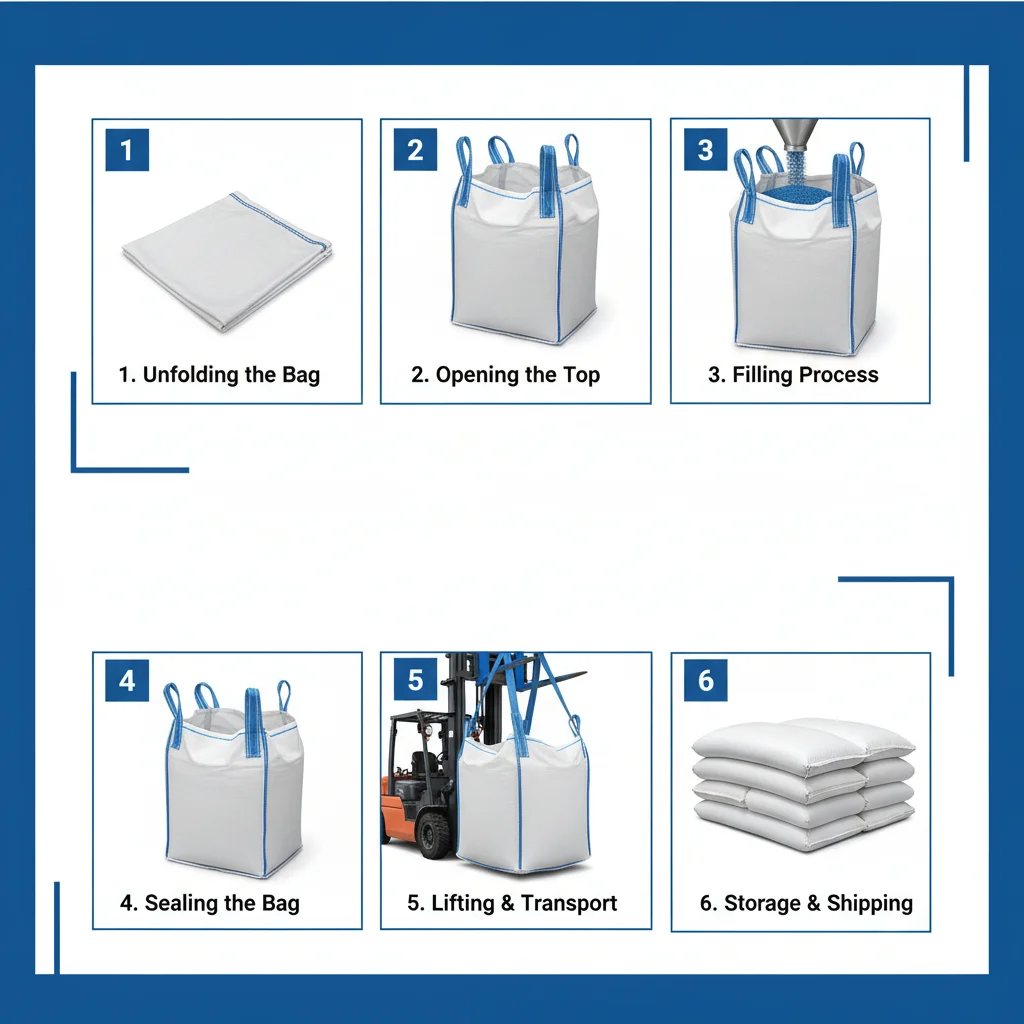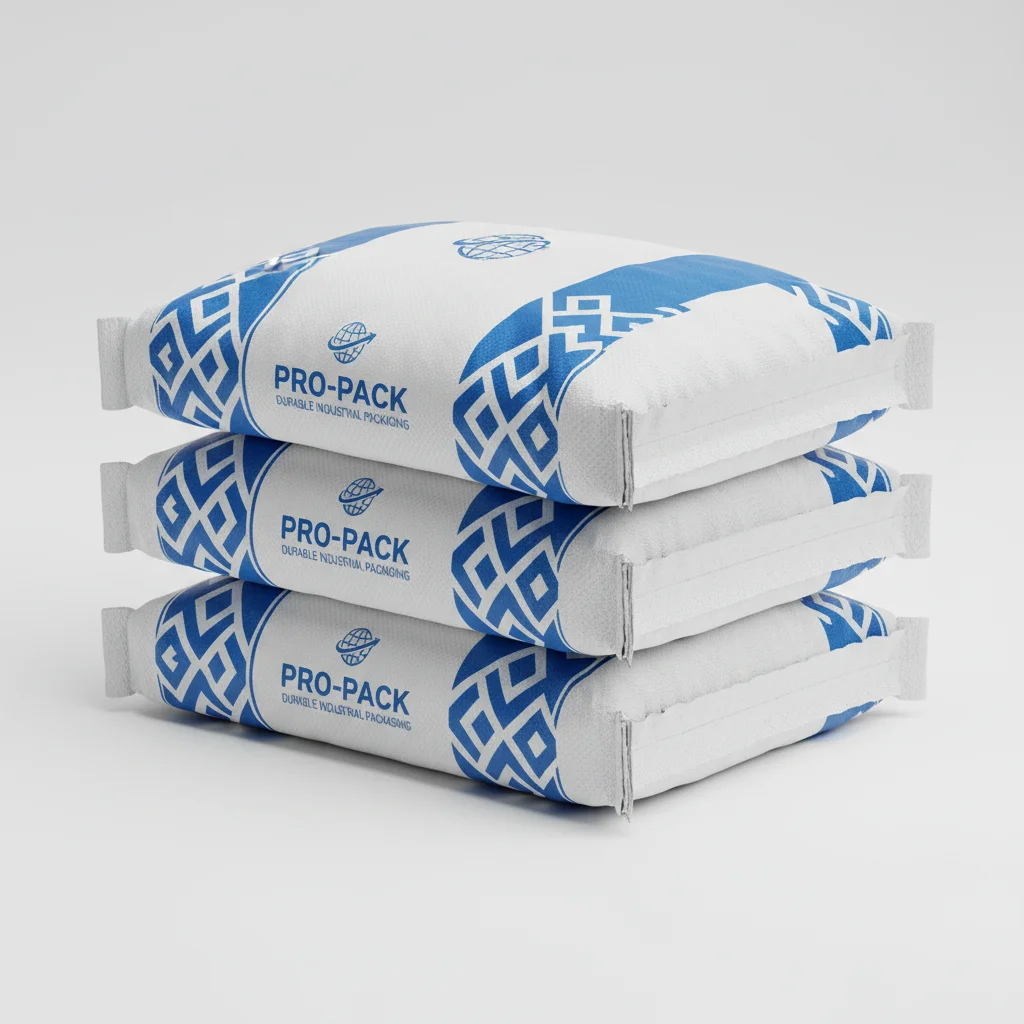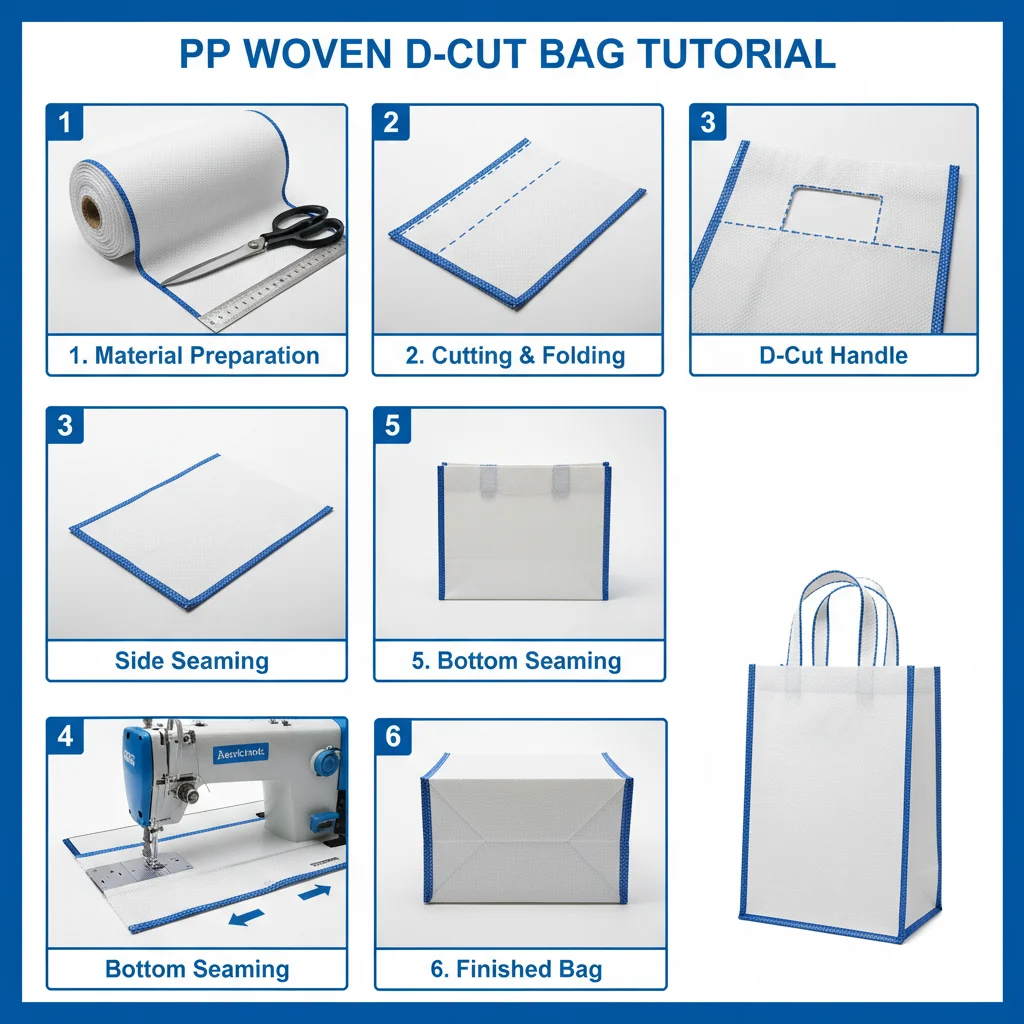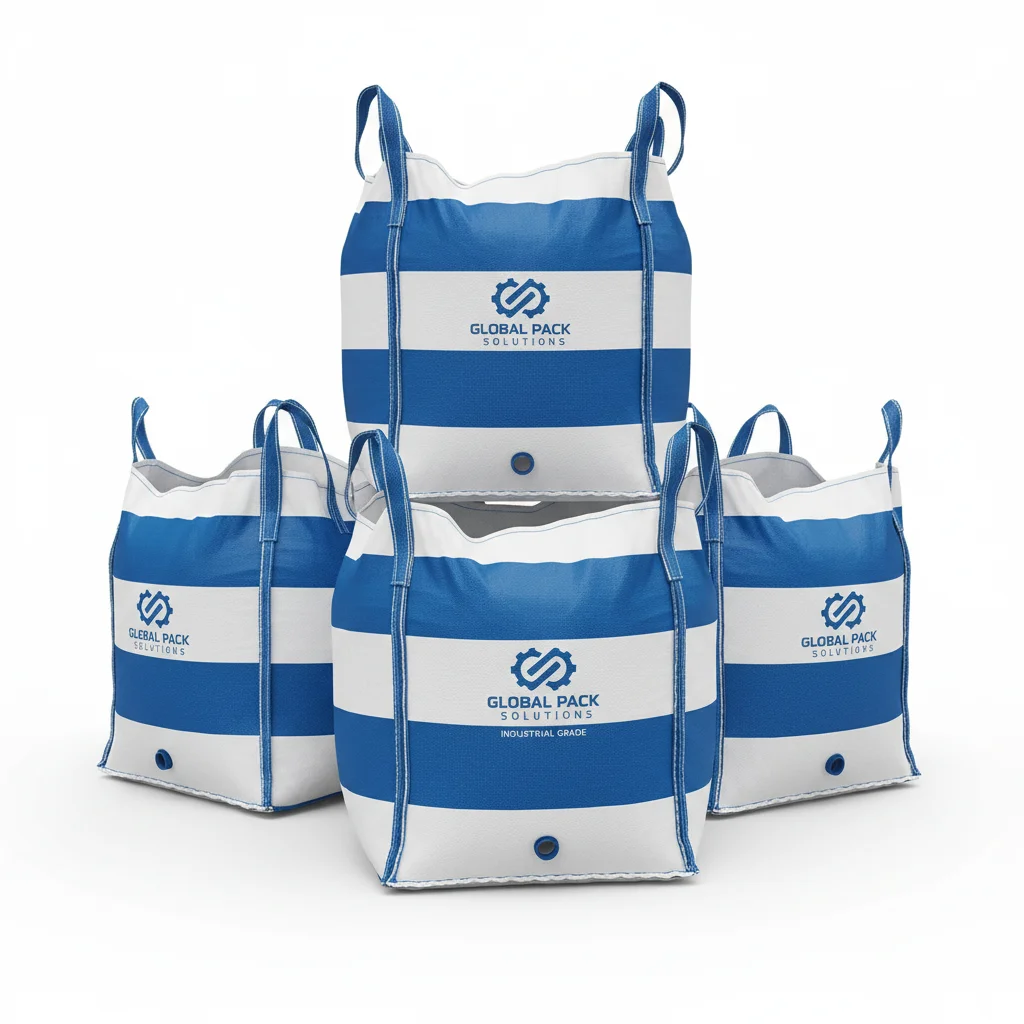
In the competitive landscape of industrial packaging, the bopp laminated bag has emerged as a gold standard for transporting granular and powdered materials. By combining the sheer tensile strength of polypropylene woven fabric with the high-gloss, protective barrier of Biaxially Oriented Polypropylene (BOPP) film, these bags solve the age-old conflict between durability and aesthetics.
Understanding the technical synergy of these materials is crucial for businesses looking to reduce product loss and enhance shelf appeal. Whether it is for agricultural seeds, chemicals, or high-end pet foods, the integration of lamination technology ensures that the contents remain uncontaminated while providing a premium canvas for brand communication.
Globally, the shift toward high-performance packaging is driven by the need for moisture resistance and puncture proofing. A high-quality bopp laminated bag not only protects the integrity of the product during rigorous transit but also aligns with modern logistics requirements for stability and stackability.
The global demand for sophisticated packaging has surged as supply chains become more complex. According to international trade standards and ISO guidelines for packaging, the need for moisture-proof and tear-resistant containers has led to the widespread adoption of the bopp laminated bag across Asia, Europe, and North America. This evolution is not merely about aesthetics; it is a response to the critical challenge of preventing product spoilage in humid climates and reducing waste during maritime shipping.
As emerging economies scale up their agricultural and chemical exports, the reliance on high-tensile, printed packaging has become a necessity. The industry is now moving toward a standard where the packaging must act as both a protective shell and a marketing tool, ensuring that products reach the end consumer in pristine condition regardless of the environmental stressors encountered during the journey.
In simple terms, a bopp laminated bag is a hybrid packaging solution consisting of a woven polypropylene (PP) base layer and a thin, oriented polypropylene film (BOPP) bonded to the surface. This "lamination" process creates a seamless barrier that locks out moisture and oxygen, while the woven fabric provides the structural strength required to hold heavy loads without stretching or bursting.
From an industrial perspective, this structure represents a fusion of mechanical strength and chemical resistance. While traditional woven bags are porous, the BOPP layer seals these pores, making the bags ideal for products that are sensitive to humidity or those that require a high-resolution photographic print for retail branding.
This connection to modern industry is most evident in the transition from bulk industrial sacks to retail-ready packaging. By utilizing lamination, manufacturers can eliminate the need for secondary outer packaging, thereby streamlining the logistics process and reducing the total carbon footprint of the packaging lifecycle.
The durability of a bopp laminated bag starts with the denier and weave density of the PP fabric. This internal skeleton determines the bag's load-bearing capacity and resistance to punctures, ensuring that heavy materials like fertilizers or grains do not breach the container during rough handling.
A critical technical factor is the adhesive bonding between the BOPP film and the woven fabric. High-quality lamination ensures that the film does not "delaminate" or peel away under temperature fluctuations. This bond is what gives the bopp laminated bag its characteristic stiffness and moisture-barrier properties.
Cost efficiency is achieved through the optimization of the film thickness and the printing process. By utilizing gravure printing directly onto the BOPP film before lamination, companies can achieve vivid, photo-quality imagery that does not rub off, providing long-term brand visibility and perceived value for the end consumer.
The versatility of the bopp laminated bag allows it to be deployed in diverse environments, from high-tech chemical plants to remote agricultural hubs. In the animal feed industry, these bags are essential for protecting nutrient-rich pellets from oxidation and pests, ensuring that livestock receive high-quality feed even in tropical regions with extreme humidity.
In post-disaster relief operations, modified versions of these bags are used to transport emergency food supplies and seeds. Their ability to withstand torrential rain and rough stacking makes them superior to paper or simple plastic alternatives, ensuring that humanitarian aid reaches affected populations without leakage or contamination.
The primary value proposition of the bopp laminated bag lies in its dual-functionality. From a logical standpoint, the reduction in product spoilage leads to a direct increase in profit margins for manufacturers. The moisture barrier prevents clumping in powdered products, ensuring that the product remains "free-flowing," which is a key quality indicator for industrial customers.
Emotionally, these bags build trust. A professional, high-gloss package signals quality and innovation to the consumer, distinguishing a premium brand from generic competitors. This psychological edge, combined with the physical reliability of the bag, creates a sense of security and dignity in the supply chain, ensuring that the brand's promise is delivered intact.
The future of the bopp laminated bag is being shaped by the global push toward sustainability. We are seeing the emergence of "green" BOPP films that incorporate bio-based polymers or are designed for easier recyclability. The goal is to maintain the high-performance barrier of lamination while reducing the environmental impact of the plastic components.
Digital transformation is also entering the packaging space. The integration of QR codes and NFC tags directly into the BOPP printed layer allows for real-time traceability and anti-counterfeiting measures. This enables brands to track a single bag from the factory to the end-user, enhancing transparency in the global food and chemical supply chains.
Automation in the filling and sealing process is further optimizing the use of these bags. New high-speed packing machines are specifically designed to handle the stiffness of laminated fabrics, reducing manual labor and increasing throughput, which further lowers the cost per unit for large-scale producers.
One of the most common limitations is the challenge of recycling multi-layer plastics. Because the bopp laminated bag combines two different types of polypropylene processing, separating them for recycling can be difficult. However, expert insights suggest moving toward mono-material structures where both the weave and the film are from the same polymer family, simplifying the recycling process.
Another challenge is the risk of "pinholes" during the lamination process, which can compromise the moisture barrier. To overcome this, manufacturers are implementing advanced optical inspection systems that scan the film in real-time, ensuring that every square inch of the lamination is flawless before the bags are cut and sewn.
Lastly, balancing the cost of high-end BOPP printing with budget constraints remains a struggle for smaller enterprises. The solution lies in the adoption of digital printing for shorter runs, allowing SMEs to enjoy the branding benefits of laminated bags without the heavy upfront cost of gravure cylinders.
| Application Segment | Lamination Thickness | Barrier Level | Tensile Strength |
|---|---|---|---|
| Agricultural Seeds | Medium (25-30 mic) | High Moisture Resistance | Very High |
| Pet Food Retail | High (35-40 mic) | Oxygen Barrier | Medium |
| Chemical Powders | Extra High (45+ mic) | Chemical Inertness | High |
| Cement/Mortar | Low (20 mic) | Basic Water Repellent | Extreme |
| Animal Feed | Medium (25 mic) | Moisture Resistant | High |
| Fertilizer | High (30-35 mic) | Corrosion Resistant | Very High |
A standard PP woven bag is breathable but porous, allowing moisture and dust to penetrate. A BOPP laminated bag adds a thin, oriented polypropylene film that acts as a waterproof barrier and allows for high-resolution, photographic printing, making it superior for retail branding and protecting sensitive materials from humidity.
Yes, the BOPP film is printed using gravure or flexographic processes before being laminated to the fabric. This allows for an unlimited range of colors, complex gradients, and high-definition logos that are protected by the lamination, ensuring they do not fade or scratch during transport.
Absolutely. By adjusting the denier of the woven PP base and the thickness of the BOPP film, these bags can be engineered to resist chemical corrosion and withstand extreme weights, making them ideal for fertilizers, resins, and other industrial powders.
The key is the quality of the adhesive and the heat-sealing process. Professional manufacturers use specialized copolymers and controlled temperature settings during the lamination phase to ensure a permanent bond that resists delamination even in high-heat or freezing environments.
While traditionally plastic-based, the industry is moving toward recyclable PP mono-materials. Because these bags are highly durable and reusable for multiple cycles in industrial settings, they reduce the need for single-use plastic alternatives, though proper industrial recycling is recommended.
Lead times generally depend on the printing method. Gravure printing requires cylinder fabrication, which may take 2-3 weeks, while the actual production and lamination typically take another 10-20 days depending on order volume and complexity.
The bopp laminated bag represents a critical intersection of material science and commercial utility. By successfully merging the mechanical strength of woven polypropylene with the protective and aesthetic properties of BOPP film, it provides an all-in-one solution for durability, moisture protection, and brand visibility. From protecting agricultural staples to elevating retail pet food, its impact on reducing waste and improving supply chain efficiency is undeniable.
Looking forward, the integration of sustainable polymers and smart-tracking technology will further solidify the role of lamination in the global packaging industry. For businesses seeking to optimize their product delivery and brand perception, investing in high-quality laminated solutions is no longer optional—it is a strategic necessity for long-term competitiveness. Visit our website: www.ssjtpack.com

Hit enter to search or ESC to close
If you are interested in our products, you can choose to leave your information here, and we will be in touch with you shortly.