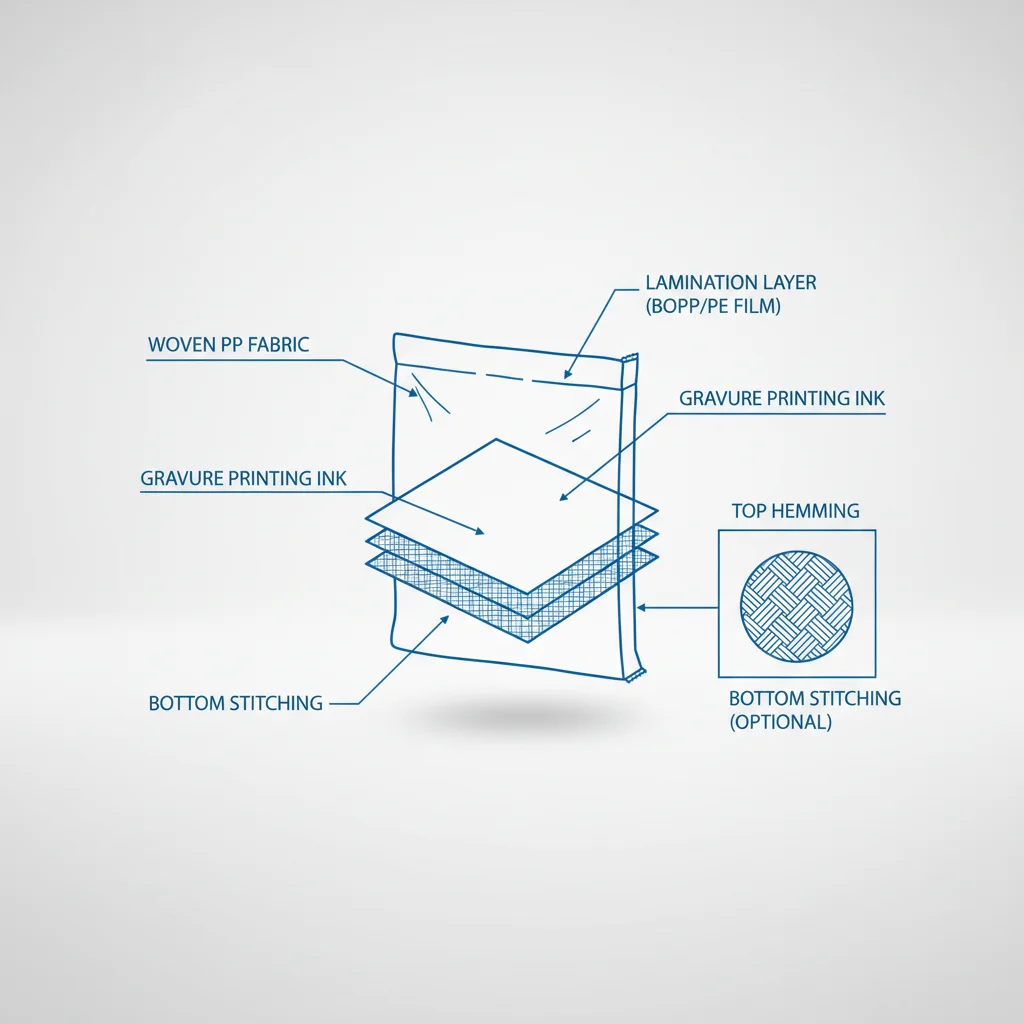
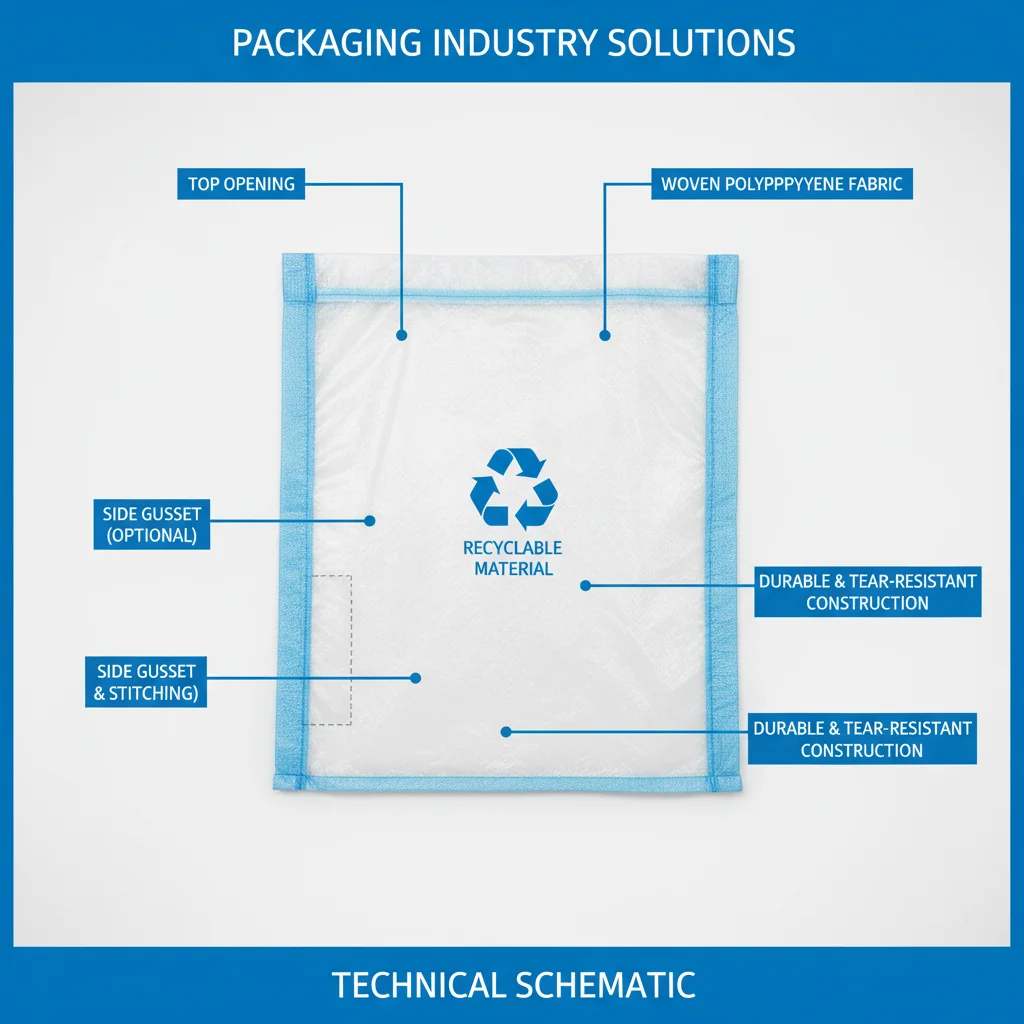
In the modern agricultural and industrial landscape, the integrity of packaging is paramount to preventing loss and ensuring the quality of livestock nutrition. The demand for a reliable stock feed bag has grown significantly as global supply chains face increasing pressure to move bulk materials efficiently across diverse climates and terrains. By utilizing high-performance materials, producers can mitigate the risks of contamination and physical degradation during transit.
The transition toward advanced polypropylene solutions has revolutionized how feed is stored and transported. A high-quality stock feed bag must not only withstand the mechanical stress of automated filling lines but also resist the abrasive nature of granulated feed and pellets. This technical evolution ensures that the nutritional value of the contents remains intact from the factory floor to the farm.
For manufacturers looking to optimize their production, selecting the right raw material is the first step toward creating a superior stock feed bag. By leveraging premium PP woven fabric, companies can achieve a perfect balance of breathability and strength, reducing waste and improving the overall return on investment in industrial packaging.

Material Foundations for Feed Packaging
The production of a resilient stock feed bag begins with the selection of 100% virgin polypropylene (PP). This material is chosen for its exceptional tensile strength and chemical resistance, ensuring that the resulting fabric can withstand the heavy loads typical of livestock feed. By utilizing advanced weaving technology, the fabric rolls provide a consistent structural integrity that prevents rupturing during rough handling.
Furthermore, the versatility of PP woven fabric allows for various customizations, such as circular weaving for seamless strength or plain weaving for specific rigidity. This foundational material ensures that every bag produced is capable of maintaining its shape and protecting the contents from external contaminants, which is critical for maintaining feed hygiene.
Technical Specifications of Heavy-Duty Fabrics
To achieve a professional-grade stock feed bag, the technical parameters of the fabric must be precisely tuned. This includes the GSM (grams per square meter), which determines the thickness and density of the weave. A higher GSM typically correlates with increased tear resistance, making the bags suitable for larger volumes of heavy pellets or grain.
Another critical specification is the incorporation of UV stabilizers. Because feed bags are often stored in outdoor yards or transported in open trucks, exposure to sunlight can cause standard plastics to become brittle. UV-inhibitors are integrated during the extrusion process of the PP tapes to extend the service life of the packaging significantly.
Additionally, the surface finish of the fabric plays a vital role. A smooth weave is essential for those who require high-resolution branding via BOPP lamination. This ensures that the adhesive bonds perfectly to the fabric, allowing for photographic quality printing that enhances brand visibility on the retail shelf.
Balancing Breathability and Moisture Protection
Depending on the type of feed, a stock feed bag may require different barrier properties. Uncoated PP woven fabrics are naturally breathable, allowing air to circulate through the weave. This is indispensable for agricultural products that need to "breathe" to prevent the buildup of heat and moisture, which could otherwise lead to mold growth.
Conversely, for specialized feeds or chemical-treated additives, a laminated stock feed bag is the superior choice. By applying a PE (Polyethylene) coating, the fabric becomes an effective moisture barrier. This prevents water ingress and keeps the internal product dry, ensuring that powders do not clump and nutrients are not degraded by humidity.
The ability to choose between uncoated, PE laminated, or BOPP laminated options allows manufacturers to tailor their packaging to the specific environmental stresses of their target market. This flexibility ensures that the product safety is never compromised, regardless of whether the bags are used in tropical humid zones or arid climates.
Performance Metrics in Industrial Applications
Evaluating the effectiveness of a stock feed bag requires a deep dive into mechanical performance. Key metrics include tensile strength and elongation limits. When a bag is stacked in a warehouse, the bottom layers must support immense pressure without stretching excessively or bursting, which is where high-mechanical-strength PP fabric excels.
Consistency across the production run is equally important. Utilizing automated loom control ensures that every meter of fabric has a uniform width and density. This precision reduces waste during the cutting and sewing process, allowing bag manufacturers to maximize their output and lower their overall cost per unit.
Performance Comparison of Stock Feed Bag Material Grades
Global Use Cases and Logistics Efficiency
Across global markets, the stock feed bag is an essential component of the agricultural supply chain. In large-scale farming operations in North America and Europe, these bags are used for everything from high-protein poultry feed to specialized equine nutrition. The ability to transport these materials in bulk, while maintaining individual unit integrity, allows for decentralized distribution.
In emerging markets, the durability of PP woven bags is crucial for transporting feed over rough roads and in underdeveloped logistics hubs. By optimizing roll dimensions for container loading, manufacturers can reduce shipping costs and ensure a steady supply of packaging materials to remote regions, thereby supporting local food security and livestock health.
Sustainability and Circular Economy in PP Packaging
The shift toward sustainable industrial practices has placed a spotlight on the recyclability of the stock feed bag. Polypropylene is a thermoplastic polymer, meaning it can be melted down and reformed multiple times without significant loss of properties. This makes PP woven fabric an ideal candidate for circular economy initiatives.
Many forward-thinking companies are now implementing scrap recovery systems, where cutting waste from the bag-making process is collected and returned to the extruder. This not only reduces the environmental footprint of the factory but also lowers the raw material costs, creating a win-win scenario for both the planet and the profit margin.
Furthermore, the long service life provided by UV stabilization reduces the frequency of bag failure and replacement. By creating packaging that lasts longer and is fully recyclable at the end of its life, the industry is moving away from "single-use" mentalities toward a more responsible, durable packaging ecosystem.
Comparative Analysis of Fabric Grades
When choosing the right material for a stock feed bag, it is essential to compare standard fabrics against premium options. Standard fabrics often have higher waste rates during production and a moderate failure rate during stress tests. In contrast, premium virgin PP fabric offers ultra-low failure rates and consistent tension, which increases the throughput of automated filling machines.
The economic impact extends beyond the initial purchase price. A premium fabric reduces the likelihood of bag bursts in the warehouse, which prevents costly product spills and potential contamination. This reliability builds trust with the end consumer and enhances the brand image of the feed producer.
Ultimately, the investment in high-grade materials translates to higher market value. A bag that looks professional, resists sunlight, and does not leak is a reflection of the quality of the feed inside. Below is a detailed comparison of how different fabric grades impact the production and performance of feed packaging.
Technical and Economic Impact of Fabric Grade Selection
| Fabric Grade |
Production Waste Rate |
Bag Failure Rate |
UV Endurance |
| Standard PP |
5-8% |
1.5% |
Short-term |
| Premium Virgin PP |
<2% |
0.2% |
Long-term |
| PE Laminated |
3-5% |
0.5% |
Moderate |
| BOPP Laminated |
2-4% |
0.3% |
High |
| UV-Stabilized Grade |
3-6% |
0.4% |
Excellent |
| Recycled Blend |
7-10% |
2.0% |
Very Short |
FAQS
For maximum moisture protection, a PE laminated PP woven fabric is recommended. This adds a waterproof barrier to the strong woven structure, preventing humidity from entering the bag and protecting the feed from clumping or spoiling.
UV stabilizers are additives mixed into the polypropylene during extrusion. They prevent the polymer chains from breaking down when exposed to sunlight, which stops the bag from becoming brittle and tearing during outdoor storage.
Yes, we offer fully customizable width and GSM (density) for our fabric rolls. This ensures that the resulting bags fit your specific filling machinery and meet the weight requirements of your particular feed product.
Absolutely. Our PP woven fabric is made from 100% recyclable polypropylene. We encourage clients to recycle industrial scrap and end-of-life bags to promote a circular economy and reduce environmental waste.
PE lamination is primarily for moisture protection and strength. BOPP lamination provides a high-gloss, smooth surface that is ideal for high-resolution photographic printing and premium branding, while also offering a moisture barrier.
To ensure high load-bearing capacity, select a premium virgin PP fabric with a higher GSM and a tight weave. Our high-mechanical-strength fabrics are specifically engineered to withstand the pressures of bulk packaging without rupturing.
Conclusion
Selecting the right material for a stock feed bag is a critical decision that affects every stage of the supply chain, from production efficiency to final delivery. By prioritizing premium virgin polypropylene and tailoring lamination and UV stabilization to specific needs, manufacturers can drastically reduce product waste and enhance the safety of livestock nutrition. The combination of high tensile strength, customizable specifications, and recyclability ensures a packaging solution that is both economically viable and environmentally responsible.
Looking ahead, the integration of smarter manufacturing and a commitment to the circular economy will further refine the quality of industrial packaging. We recommend that producers move toward UV-stabilized and high-GSM fabrics to future-proof their logistics against environmental challenges. For those seeking to optimize their production line with the highest quality PP woven fabric, we invite you to explore our professional solutions. Visit our website: www.ssjtpack.com