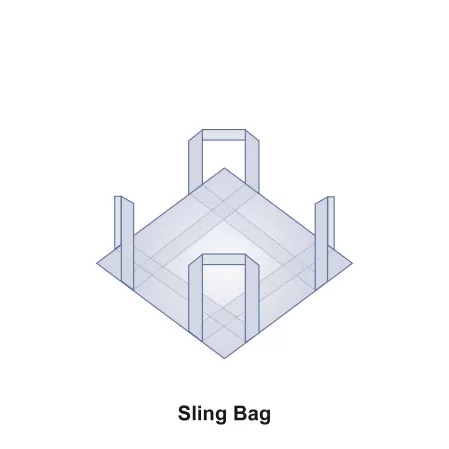

Addressing the critical vulnerabilities in material transport and brand preservation within the Gulf region's demanding environment.
High solar radiation in Bahrain causes standard plastics to become brittle. This leads to sudden bag failure during outdoor storage, risking costly product loss for chemical and grain exporters.
Coastal humidity can penetrate basic weaves, causing clumping in fertilizers or spoilage in fine chemicals. Standard bags often fail to provide the necessary hermetic barrier for sensitive materials.
Poor seam strength in low-quality bags often results in leakage during high-stacking in warehouses. This creates hazardous cleanup environments, especially for fine chemical powders.
Simple printing often fades or scuffs during transit. For companies competing in international markets, a weathered bag reflects poorly on the perceived quality of the internal product.
Lack of precision in bag dimensions leads to uneven filling. This causes instability in palletization and complicates automated weighing processes in industrial production lines.
Reliance on non-specialized suppliers often results in generic packaging that requires manual modification, slowing down the speed-to-market for seasonal agricultural shipments.
We combine material science with precision manufacturing to eliminate traditional packaging vulnerabilities.
Integrating high-grade UV inhibitors into the PP resin prevents polymer chain scission. This ensures that pp woven bag structures remain flexible and strong under intense Bahraini sunlight.
Our bopp laminated bag solutions add a biaxially-oriented polypropylene film. This creates an airtight moisture barrier and a high-gloss surface that resists scratches and humidity.
Utilizing advanced stitching and heat-sealing techniques, we ensure burst-proof bottoms. Our pinch bottom bags eliminate the traditional bottom seam, significantly reducing the risk of leakage during stacking.
By employing multi-color gravure printing on the BOPP layer, we provide printed pp woven bags with photographic clarity that does not peel or fade, ensuring brand integrity.
We use automated cutting and weaving systems to ensure every bag meets exact specifications. This enables perfect fitment in automated filling machines and maximizes pallet stability.
We develop specialized fertilizer packaging bags with specific breathability or barrier properties based on the chemical composition of the product, optimizing the supply chain.


Our commitment to precision is reflected in the technical specifications of our weaving and lamination processes.
Evaluating the shift towards high-performance polymer solutions in the Middle Eastern logistics hub.
Bahrain's industrial sector is characterized by a strong presence of petrochemicals, fine chemicals, and a growing agricultural support system. Given its geographical position as a strategic port, there is a constant flow of bulk materials that require robust packaging. The market traditionally relied on basic woven sacks, but as Bahrain upgrades its industrial infrastructure and exports more refined chemical products, the demand for specialized barrier properties has surged. The environment—marked by high salinity and extreme temperatures—demands materials that can withstand chemical reactions and thermal expansion without losing structural integrity.
Current trends indicate a decisive shift toward "intelligent packaging" where the bag is no longer just a container but a tool for brand differentiation and product protection. There is a growing preference for BOPP lamination because it allows for high-resolution graphics that are essential for retail-ready fertilizer and pet feed products. Furthermore, the adoption of pinch bottom bags is increasing among chemical manufacturers who seek to eliminate the dust and leakage associated with traditional sewn bottoms, aligning with stricter safety and environmental regulations within Bahrain's industrial zones.
The outlook for the Bahraini market is one of cautious optimization. While cost remains a factor, the "total cost of ownership" approach is gaining traction; companies are realizing that investing in higher-quality PP woven bags reduces product wastage and insurance claims during transit. The primary constraint remains the reliance on imported raw resins, making the partnership with experienced manufacturers who can optimize material usage critical. The future will likely see an increase in recyclable PP options as the region moves toward sustainable industrialization goals.
Tracing the technological progression of polypropylene weaving and lamination.
Modern packaging now blends different polymer grades to achieve a balance between tensile strength and flexibility, ensuring that bags do not tear under the weight of dense chemical granules.
For fine chemicals, the integration of anti-static additives into the PP weave is becoming critical to prevent sparks during high-speed filling and unloading in hazardous environments.
The industry is moving toward thinner but stronger weaves (down-gauging) to reduce the overall plastic footprint without compromising the protection of the contents.
The convergence of material science and digital branding is redefining industrial containers.
Moving beyond simple BOPP to multi-layered co-extruded films that provide specific gas and moisture permeability, tailored to the shelf-life of the product.
The use of QR codes and NFC tags printed directly onto BOPP layers to enable traceability and authenticity verification for high-value chemical exports.
Redesigning bag geometries specifically for robotic palletizing and automated filling systems to reduce labor costs in Bahraini warehouses.
Developing circular economy models where industrial bags can be collected and re-granulated into new products, reducing environmental impact.
The progression toward high-performance polymer packaging is fundamentally driven by the need to lower the risk of contamination. In the fine chemicals sector, even a microscopic puncture can lead to oxidation or moisture contamination, which compromises the entire batch. By utilizing advanced BOPP lamination and pinch bottom closures, manufacturers are moving toward a "zero-leak" operational standard. This transition is not merely about the bag itself, but about creating a sealed environment that maintains the chemical stability of the product from the factory floor in China to the end-user in Bahrain.
Furthermore, the aesthetic demands of the modern industrial market are shifting. Packaging is increasingly viewed as a silent ambassador of the brand. Companies are now investing in complex, multi-layered printed designs that communicate quality and professionalism. The integration of high-tensile woven fabrics with high-gloss films allows for a product that is both a rugged industrial tool and a marketing asset, enabling Bahraini distributors to stand out in a crowded regional market while ensuring their products arrive in pristine condition.
How our customized packaging solutions solve real-world operational problems across the region.
A chemical exporter faces product clumping due to the extreme humidity of coastal Bahrain. By implementing BOPP laminated bags with a specialized moisture barrier, the product remains free-flowing. The high-tensile weave prevents bursting during the heavy vibration of sea freight, ensuring zero leakage upon arrival at international destinations.
Fertilizer distributors storing bags in outdoor depots experience UV-induced brittleness. Switching to UV-stabilized pp woven bags prevents the fabric from disintegrating under intense sun. The reinforced bottom seams handle the high density of the fertilizer, reducing bag breakage by eliminating the weak points found in traditional sewn sacks.
A premium pet feed brand requires high-impact visuals to compete in retail outlets. We deploy printed pp woven bags with high-definition BOPP films. This provides a luxury glossy finish and vibrant colors that don't scuff during warehouse handling, effectively turning the packaging into a primary marketing tool for the brand.
Suppliers of building materials face issues with dust leakage and bag instability on pallets. Implementing pinch bottom bags provides a seamless closure that eliminates dust escape. The precision dimensions ensure that bags sit flat, increasing pallet stability and reducing the need for excessive shrink-wrap during transport.
Laboratory-grade chemical suppliers require zero contamination and high precision. We provide small-batch, high-strength valve bags that allow for automated filling with minimal air entrapment. The interior coating prevents chemical reactions between the product and the polymer, maintaining purity throughout the supply chain.
Illustrative outcomes based on typical deployments for our regional partners.
The transition to BOPP laminated bags has significantly reduced our moisture-related product losses. In the humid coastal environment of Bahrain, the barrier properties of these bags ensure that our fine chemical powders remain stable and free-flowing, reducing customer complaints regarding clumping.
Using pinch bottom bags has solved our long-standing issue with leakage during high-stacking. The structural integrity of the bottom seal is far superior to traditional sewing, which has improved our warehouse safety and reduced the amount of wasted product during pallet movement.
The print quality on the printed pp woven bags we now use is exceptional. It has allowed us to upgrade our brand image in the retail sector. The colors remain vivid even after weeks of exposure to sunlight, which was a major problem with our previous suppliers.
Combining advanced manufacturing with a commitment to packaging excellence.
Founded in the heart of Hebei, China, we began with a mission to transform industrial packaging into a strategic asset. We focused on the core engineering of woven fabrics to ensure maximum strength and durability for critical industrial sectors.
We expanded our capabilities to include a comprehensive range of solutions: valve bags, back-seam bags, pinch bottom bags, BOPP laminated bags, and FIBCs, serving sectors from fine chemicals to building materials.
We assembled a core team of 8 senior engineers, 28 engineers, and 51 skilled technicians. This collective expertise allows us to deliver robust, customized pumping and packaging solutions that exceed global expectations.


Technical answers to common queries regarding PP woven packaging and lamination.
The primary difference lies in the barrier and aesthetic layers. Standard PP woven bags are breathable and provide structural strength but offer minimal protection against moisture. BOPP laminated bags feature a biaxially-oriented polypropylene film bonded to the weave. This creates an airtight moisture barrier, increases puncture resistance, and allows for high-definition photorealistic printing. For industries in Bahrain dealing with high humidity, BOPP lamination is essential to prevent product spoilage and ensure brand visibility.
Traditional sewn bags have a needle-hole seam at the bottom, which is a primary point of failure and a source of fine powder leakage. Pinch bottom bags are engineered using a folding and sealing process that eliminates the bottom stitch entirely. This creates a more robust, leak-proof closure that can withstand the pressure of high stacking in warehouses. This is particularly critical for fine chemicals and fertilizers where leakage can cause environmental hazards or product loss.
Yes, we specialize in UV-stabilized polypropylene. Standard PP degrades when exposed to long-term solar radiation, becoming brittle and prone to tearing. We integrate high-performance UV inhibitors into the resin during the extrusion process. This chemical stabilization prevents polymer chain scission, ensuring that the bags maintain their tensile strength and flexibility even when stored in outdoor depots in the Middle East. We recommend specifying the expected exposure duration so we can optimize the UV additive concentration.
We offer several technical customizations for fertilizer packaging. These include valve closures for automated filling, varying weave densities to control breathability, and internal PE liners for absolute moisture exclusion. We also provide precision dimensional tailoring to ensure that the bags fit perfectly into automated weighing and palletizing systems. By matching the bag's physical properties to the specific density and flow characteristics of your fertilizer, we help reduce filling time and eliminate bag deformation during transport.
We use high-precision gravure printing on the BOPP film before it is laminated to the PP weave. This means the ink is protected between the film and the fabric, making it virtually immune to scuffing, peeling, or fading. We use industrial-grade, UV-resistant inks that maintain color vibrancy even in harsh climates. Every batch undergoes rigorous rub-tests and color-matching audits to ensure that your brand's visual identity remains consistent across thousands of units.
The process begins with a technical consultation where we analyze your product's chemical properties, filling method, and storage conditions in Bahrain. We then provide a structural design recommendation (e.g., BOPP lamination vs. valve closure) and a material specification. Once the artwork is finalized, we produce a physical sample for your approval. After validation, we move to full-scale production with integrated QC checks at the extrusion, weaving, and printing stages to ensure the final delivery meets all agreed-upon specifications.
Whether you are exporting chemicals or distributing agricultural products in Bahrain, the right packaging is the difference between a successful delivery and a costly loss. Hebei Shengshi Jintang Packaging provides the technical expertise and manufacturing scale to ensure your products are protected and your brand is elevated. Discuss your specific requirements with our engineering team today to find the optimal balance of strength, barrier, and aesthetics.
Discuss Your RequirementsHit enter to search or ESC to close


