

Egyptian industrial sectors face specific logistical and environmental hurdles that compromise packaging integrity during transit and storage.
Intense solar radiation in Egypt causes standard polypropylene to become brittle, leading to bag failure during outdoor storage or long-distance transport.
Hygroscopic products like fertilizers suffer from clumping when bags lack adequate moisture barriers, reducing product quality and marketability.
Poor seam strength in low-grade bags often leads to catastrophic ruptures during mechanical loading and unloading in Egyptian ports.
Basic woven textures often fail to display complex logos clearly, making it difficult for brands to stand out in competitive regional markets.
Reliance on non-specialized suppliers often results in long lead times and inconsistent specifications for customized industrial bags.
Increasing pressure to adopt sustainable packaging makes it challenging for operators to balance strength with eco-friendly material requirements.
We implement advanced material science and precision manufacturing to eliminate common packaging failures.
By integrating specialized UV inhibitors into the PP resin, we ensure bags maintain tensile strength even under prolonged exposure to Egyptian sunlight.
Our bopp laminated bag technology creates an impermeable barrier that blocks moisture and provides a high-gloss surface for superior printing.
Using high-denier threads and optimized seam patterns, we prevent bursting, ensuring stability for heavy loads like chemicals and grains.
Our printed pp woven bags utilize advanced ink systems for sharp, vivid graphics that enhance retail shelf appeal.
Implementing pinch bottom bags allows for leak-proof sealing and better pallet stability, reducing product loss during transit.
Through precision weaving, we maximize strength while minimizing excess plastic, aligning with global trends toward material efficiency.


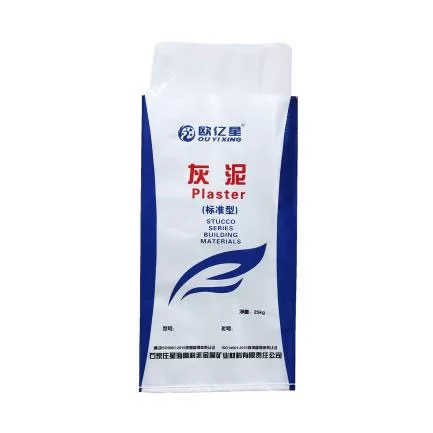
Our operational strength is backed by a dedicated technical team and rigorous quality standards.
An overview of how Egyptian industrial growth is shaping the demand for advanced polymer packaging.
Egypt's strategic position as a gateway between Africa and Asia makes it a hub for agriculture and chemical exports. The Egyptian market relies heavily on robust packaging to transport bulk commodities across diverse terrains—from the Nile Delta to the Red Sea ports. In this environment, the demand for pp woven bag solutions is driven by the need for durability against abrasive materials and the ability to withstand high-humidity coastal air.
Current market trends indicate a shift toward value-added packaging. Egyptian producers are moving away from generic bags toward BOPP laminated solutions that allow for high-resolution branding. This transition is fueled by the growth of domestic retail and the need for products to be visually competitive. Furthermore, there is an increasing requirement for specialized bags that can handle the unique chemical properties of locally produced fertilizers and building materials.
Looking ahead, the Egyptian packaging sector faces both constraints and opportunities. While raw material price fluctuations can create volatility, the push for industrial modernization offers a path toward automation. Companies that can provide integrated solutions—combining structural strength with advanced moisture barriers—will hold a significant advantage. The outlook remains positive as Egypt continues to expand its industrial output and export capabilities.
From simple containment to strategic brand ambassadors.
Industrial users no longer view bags as mere costs. The shift toward high-quality printed bags allows Egyptian exporters to communicate quality and trust before the product is even opened.
The adoption of multi-layer lamination has drastically reduced spoilage rates for agricultural products, creating a direct link between packaging quality and revenue growth.
The movement toward standardized dimensions and reinforced seams has optimized warehouse space and reduced the incidence of bag breakage during mechanical stacking.
How technology is redefining the standards of strength and sustainability.
The use of polymers with enhanced thermal stability and chemical resistance to handle more aggressive industrial contents without degradation.
Reducing the carbon footprint of manufacturing through optimized weaving patterns that maintain strength while using less raw resin.
Transitioning to advanced printing processes that allow for photorealistic imagery on BOPP films, further differentiating premium brands.
Development of more secure, automated closure methods like pinch bottoms to reduce manual labor and increase filling speed.
The convergence of material science and digital branding is creating a new standard for the fertilizer packaging bags sector. As Egypt expands its agricultural exports, the need for packaging that acts as both a protective shield and a marketing asset is paramount. This requires a holistic approach where the structural weave, the lamination layer, and the printing ink all work in synergy to protect the product from environmental stressors while communicating brand value.
Furthermore, the industry is seeing a move toward "right-sizing" packaging. By using precision engineering to match the bag's strength exactly to the density and nature of the content, manufacturers can reduce material waste without compromising safety. This technical optimization is essential for maintaining competitiveness in a market where raw material costs are volatile and logistics efficiency is the key to profitability.
Real-world scenarios where specialized packaging ensures operational success in Egypt.
Grain exporters in the Nile Delta require bags that can withstand humid river conditions and long voyages. By using UV-stabilized PP woven bags with an internal moisture barrier, these operators prevent fungal growth and spoilage, ensuring that the grain arrives at international ports in peak condition, thereby securing higher market prices.
In the arid regions of Upper Egypt, fertilizers are often stored in open-air warehouses. Standard bags often fail due to heat-induced brittleness. The implementation of BOPP laminated bags provides a dual benefit: it blocks moisture from clumping the product and protects the polymer from solar degradation, reducing waste and replacement costs.
Fine chemical manufacturers near the Suez Canal deal with high-density powders that can leak through standard weaves. By switching to pinch bottom bags, these companies achieve a leak-proof seal that prevents environmental contamination and ensures compliance with safety regulations during high-speed automated filling and palletizing.
For the competitive pet food market in Cairo, visual appeal is everything. Companies utilize high-resolution printed PP woven bags to create a professional, retail-ready look. The BOPP layer allows for photographic quality imagery, which captures consumer attention on the shelf while maintaining the rugged strength needed for transport.
The massive infrastructure projects at the New Administrative Capital require millions of bags for cement and additives. Using reinforced back-seam bags ensures that the packaging doesn't rupture under the weight of multi-stacking, reducing onsite debris and improving the efficiency of construction site logistics.
How specialized packaging solves real-world industrial challenges.
Switching to BOPP laminated bags solved our moisture problem. We no longer see clumping in our fertilizer shipments to the coast, and the print quality has significantly improved our brand recognition in regional markets.
The pinch bottom design eliminated our leakage issues during automated filling. We have seen a noticeable reduction in product loss and a cleaner warehouse environment, which has improved our overall safety rating.
UV-stabilized bags are essential for our outdoor storage needs. We previously struggled with bags becoming brittle in the sun, but the current reinforced woven solution has virtually eliminated ruptures during transport.
Where innovation meets excellence in the world of high-performance packaging.
Located in the heart of Hebei, we began with a mission to provide high-quality, customized packaging solutions. We specialize in WPP bags, valve bags, and FIBCs, serving critical sectors such as chemicals and building materials.
We built a core team of 8 senior engineers, 28 engineers, and 51 skilled technicians. This expertise allows us to leverage advanced manufacturing technologies to build products that withstand demanding applications.
Driven by integrity and innovation, we now act as a strategic partner for global clients, transforming visions into market-ready packaging that protects products and elevates brand stories worldwide.


Clarifying the technical and commercial aspects of PP woven packaging.
BOPP (Biaxially Oriented Polypropylene) lamination adds a smooth, non-porous film to the woven fabric. This provides a superior moisture barrier, preventing water and humidity from affecting the contents. Additionally, it allows for high-definition, photographic printing, which is not possible on standard woven surfaces, significantly increasing the retail value and brand visibility of the product.
We integrate UV-stabilizing additives directly into the polypropylene resin during the extrusion process. This chemical modification prevents the polymer chains from breaking down when exposed to ultraviolet light. The result is a bag that maintains its tensile strength and flexibility even during prolonged outdoor storage or transport in high-temperature environments typical of the North African climate.
Yes, pinch bottom bags are specifically designed for automation. Unlike traditional sewn bottoms, the pinch-bottom seal is created through heat or specialized folding and sealing, which is highly compatible with modern filling machinery. This reduces the risk of leakage and allows for faster cycle times, increasing the overall throughput of the production line while ensuring a secure, air-tight closure.
The primary cost drivers include the weight (denier) of the woven fabric, the type of lamination (BOPP vs. PE), the number of colors in the printed design, and the total order volume. Specialized features like UV stabilization or pinch-bottom construction also add to the cost. However, these investments typically reduce long-term expenses by lowering product spoilage and improving market competitiveness through better branding.
We offer specialized valve bags and BOPP laminated options that are highly effective for fine chemicals. By optimizing the weave density and adding impermeable lamination, we prevent the "sifting" of fine particles and block external contaminants. For highly sensitive materials, we can provide additional inner liners to ensure absolute containment and compliance with safety and environmental regulations.
The choice depends on three factors: the nature of the product (density, moisture sensitivity), the storage conditions (indoor vs. outdoor), and the distribution channel (bulk vs. retail). For retail, BOPP laminated bags are best. For heavy bulk chemicals, FIBCs or reinforced woven bags are ideal. We recommend providing us with your product specifications and logistics route so our engineers can suggest the most cost-effective and durable material combination.
Whether you are exporting grains from the Nile Delta or distributing chemicals in Cairo, the right packaging is critical to your success. Our team of engineers is ready to design a customized solution that balances strength, protection, and brand visibility. Contact us today to discuss your technical requirements and receive a tailored packaging strategy for the Egyptian market.
Request a ConsultationHit enter to search or ESC to close


