Engineered for strength and precision, our packaging solutions ensure product integrity from the factory floor to the final Malaysian destination.


Analyzing the demand for reinforced polyproylene solutions across Southeast Asian trade hubs.
Malaysia's diverse economic structure, heavily reliant on palm oil, rubber, and chemicals, creates a critical need for specialized fertilizer packaging bags. The humid tropical climate and the logistical demands of transporting bulk materials through port cities like Klang and Penang require materials that are not only tear-resistant but also moisture-stable to prevent product degradation during transit.
Many local enterprises face the challenge of balancing cost-efficiency with brand presentation. Standard bags often lack the aesthetic appeal needed for export markets. This has led to a surge in the adoption of printed pp woven bags, which allow manufacturers to integrate high-resolution branding with the structural strength of woven polypropylene, ensuring the "silent ambassador" of the brand remains intact.
As the region shifts toward more automated filling lines, there is a growing preference for specialized closures and laminations. The transition toward bopp laminated bag technology provides an extra barrier against external contaminants and enhances the visual shelf-life of products, reflecting a broader trend toward professionalization in the Malaysian industrial packaging sector.
From basic utility to advanced material science in global supply chains.
Initial adoption of plain woven bags for grain and basic minerals, focusing solely on load-bearing capacity and cost.
Introduction of BOPP and PE coatings to improve moisture barriers and allow for complex photographic printing.
Shift toward specialized structures like pinch bottom bags for high-speed automated filling and zero-leakage.
Advancing the efficiency and sustainability of bulk material transport.
The move from simple sewing to advanced heat-sealing and pinch-bottom technology to eliminate product loss.
Reducing material waste through precision cutting and optimizing fabric weight for specific payload capacities.
Using high-fidelity BOPP laminates to transform packaging into a marketing tool for international exports.
Integrating smarter logistics labels and RFID-compatible surfaces for better tracking of bulk industrial shipments.
The future of industrial packaging lies in the intersection of material science and operational efficiency. As Malaysian industries scale, the demand for packaging that reduces spillages and optimizes warehouse space will drive the adoption of more complex, engineered bag structures.
From a procurement perspective, the focus is shifting toward strategic partnerships with manufacturers who can provide consistent quality and rapid design iterations to match changing market regulations and consumer expectations.
Real-world implementation of reinforced woven solutions across Malaysia's key sectors.
Fertilizer plants in the hinterlands use heavy-duty bags to prevent nutrient leakage and resist moisture absorption during long-term storage in warehouses.
Fine chemical producers utilize BOPP laminated bags to provide a chemical-resistant barrier and high-contrast labeling for safety compliance.
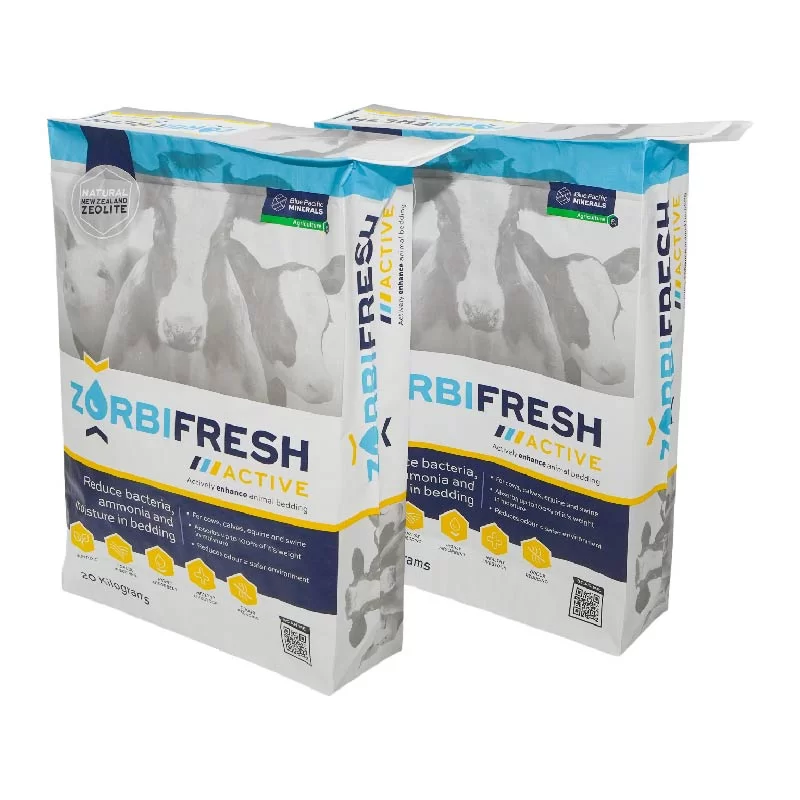
Pet feed and livestock nutrition companies employ printed woven bags to enhance retail visibility while ensuring durability during rough handling.
Cement and grout suppliers use valve bags and reinforced woven structures to handle extreme weights and withstand abrasive materials.
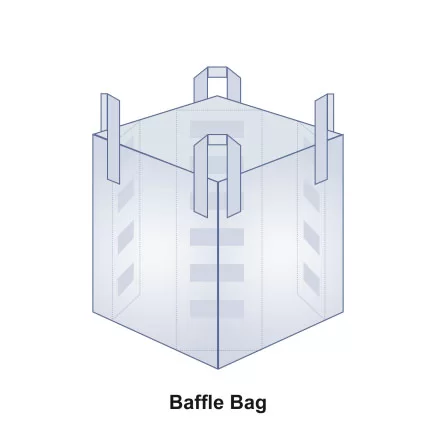
At major ports, bulk grain exporters rely on FIBCs and high-capacity woven bags to streamline loading processes and minimize transit losses.
Hebei Shengshi Jintang Packaging Co., Ltd. Global Development Journey
Established in Hebei, China, focusing on the design and manufacturing of high-quality customized packaging solutions.
Expanded production to include WPP bags, valve bags, and FIBCs, serving sectors like fine chemicals and building materials.
Integrated advanced manufacturing technology to meet the highest standards of precision, sustainability, and aesthetic appeal.
Developed a collaborative process from structural design to final production to ensure brands stand out in the market.
Positioned as a strategic partner for global industrial success, delivering robust and efficient customized packaging.
Continuing to weave for strength and packaging the future with an unwavering commitment to customer satisfaction.
Explore our range of high-performance packaging tailored for the unique demands of the Malaysian industrial sector.
Technical guidance and procurement insights for woven polypropylene solutions.
Partner with Hebei Shengshi Jintang Packaging to bring world-class durability and brand excellence to your operations in Malaysia. Let us wrap your excellence with ours.
Request a Custom QuoteHit enter to search or ESC to close