

Local operators face critical vulnerabilities in material durability and brand presentation during the logistics chain.
Exposure to Portugal's coastal humidity and temperature swings often causes standard bags to weaken, leading to product leakage and waste during transit.
Conventional printing on basic sacks lacks the visual clarity needed for premium markets, making it difficult for Portuguese brands to stand out on shelves.
Inconsistent closure methods in bulk powders and granules frequently lead to contamination or spilling, especially in high-frequency industrial handling environments.
The physical stress of long-distance shipping from ports to inland facilities causes punctures in low-grade woven materials, compromising the interior contents.
Increasing EU and local Portuguese environmental mandates require materials that balance extreme durability with the potential for efficient industrial recycling.
Fragmented supply chains often force companies to choose between low-cost, low-quality options or overpriced local stock with limited customization capabilities.
We replace vulnerability with precision engineering, ensuring your products reach the end-user in perfect condition.
Utilizing reinforced polypropylene weaves that resist punctures and tears, providing the structural integrity needed for heavy industrial loads in any climate.
Implementing bopp laminated bag technology to create a moisture-proof barrier and a high-gloss finish for superior brand visibility.
Our pinch bottom bags eliminate traditional sewing holes, providing a leak-proof seal ideal for fine powders and chemicals.
Precision-engineered valve bags allow for rapid automated filling while maintaining an airtight seal, reducing dust emissions and product loss.
By optimizing the resin grade and weave density, we provide durable bags that meet industrial standards while facilitating easier recycling processes.
We collaborate on material selection and dimensions to match specific product densities, ensuring optimal space utilization during Portuguese logistics.

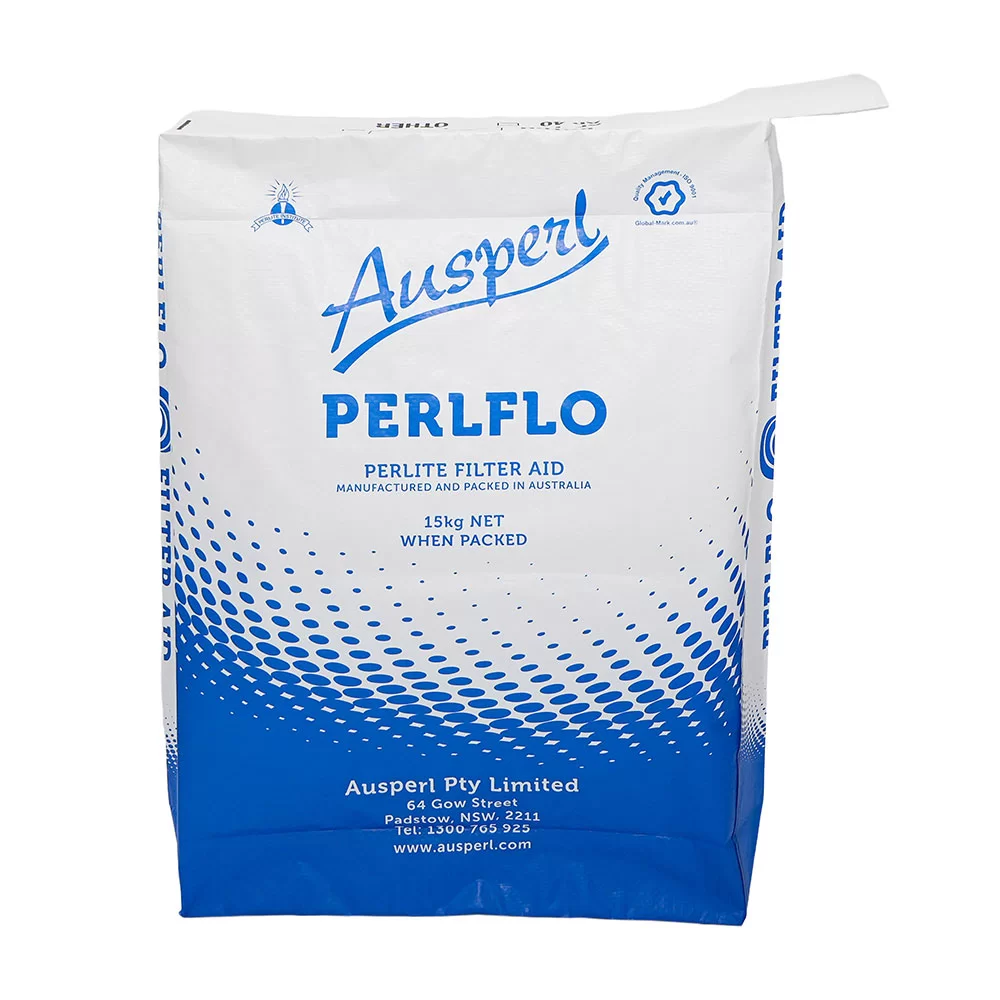

Measurable indicators of the strength and reliability we weave into every packaging solution.
Evaluating the intersection of agricultural tradition and modern industrial requirements.
Portugal's industrial sector, particularly in regions like the Alentejo and the northern manufacturing hubs, relies heavily on the efficient transport of agricultural inputs and chemical products. The market for pp woven bag solutions is driven by the need for high-tensile strength materials that can withstand the rigors of Atlantic coastal logistics. With a strong presence in fertilizer and grain exports, Portuguese firms require packaging that ensures zero leakage and resists environmental degradation during maritime and road transport.
Current market trends indicate a sharp transition toward high-fidelity branding. The shift from generic sacks to printed pp woven bags is no longer just an aesthetic choice but a commercial necessity for market differentiation. Companies are increasingly adopting multi-layer laminations to enhance barrier properties against moisture and UV light, ensuring that chemical products remain stable and agricultural feeds maintain their nutritional integrity throughout their shelf life in the Iberian market.
The outlook for the Portuguese packaging market is shaped by the dual pressure of sustainability and automation. There is a growing demand for bags compatible with high-speed automated filling lines, such as valve and pinch-bottom designs, to reduce labor costs. While the industry faces constraints regarding strict EU waste directives, the opportunity lies in adopting optimized polypropylene structures that maximize durability per gram of plastic, aligning industrial efficiency with ecological responsibility.
From basic containment to high-performance strategic branding assets.
Industries are moving away from traditional stitched bottoms toward heat-sealed and pinch-bottom technologies. This evolution reduces the risk of contamination and allows for an airtight environment, which is critical for the stability of hygroscopic materials.
The adoption of BOPP film not only improves aesthetics but serves as a critical technical layer. By combining the strength of woven PP with the barrier properties of BOPP, packaging now provides comprehensive protection against oxygen and moisture.
Packaging is no longer designed just for the product, but for the machine. The rise of automated filling and palletizing in Portugal has led to the development of bags with precise dimensions and specialized loading valves.
Analyzing the forces driving the next generation of containment solutions.
Increasing focus on mono-material constructions to simplify recycling. Using pure PP for both weave and lamination ensures the entire bag can be processed in a single recycling stream.
The transition to digital printing allows for shorter lead times and more complex, photo-realistic graphics on fertilizer packaging bags, enhancing retail appeal.
Integration of QR codes and RFID tags directly into the woven structure for real-time tracking and authenticity verification in the chemical supply chain.
Utilizing advanced polymer blends to reduce the total plastic weight of the bag while maintaining the same burst strength, lowering shipping costs and environmental footprints.
The convergence of these trends is driving a fundamental shift in how Portuguese companies view their packaging. It is no longer viewed as a disposable cost center but as a strategic asset that ensures product quality and communicates brand value. The adoption of BOPP lamination, for instance, does more than protect; it creates a psychological perception of quality that allows manufacturers to command higher prices in competitive European markets.
Furthermore, the move toward automation-compatible designs is a response to the rising cost of labor in the EU. By investing in pinch-bottom and valve bags, companies are reducing the manual handling of packaging, thereby decreasing the incidence of human error and workplace injuries. This systemic optimization is essential for any manufacturer looking to scale their operations within the Portuguese and broader European industrial landscape.
How our tailored packaging solutions solve real-world operational problems.
In the vast plains of Alentejo, fertilizer producers faced significant bag bursting during bulk transport on rough rural roads. By deploying reinforced fertilizer packaging bags with optimized weave density, they eliminated transit losses and ensured that the nutrient-rich contents remained secure and dry despite high humidity levels during the spring season.
Chemical exporters operating through the Port of Sines required packaging that could withstand extreme maritime conditions. The implementation of BOPP laminated bags provided a critical moisture barrier, preventing the clumping of fine powders. This ensured that products arrived at their international destinations in a free-flowing state, maintaining high customer satisfaction and reducing claims.
A feed mill in the north struggled with dust leakage and contamination in their standard sewn bags. Transitioning to pinch bottom bags provided an airtight seal that prevented fine particles from escaping. This not only improved the hygiene of the warehouse environment but also extended the shelf life of the pet feed by preventing oxidation.
Retailers in Lisbon demanded more attractive packaging for high-end organic grains. By using printed PP woven bags with high-resolution graphics, producers were able to communicate their brand story and organic certifications clearly. The high-gloss finish increased the "shelf-pop," leading to a measurable increase in consumer pick-up rates compared to plain packaging.
Cement and lime producers in central Portugal faced issues with bag punctures during automated palletizing. The shift to high-tensile woven bags with reinforced corners reduced the failure rate during the stacking process. This allowed for higher pallet loads and reduced the frequency of re-bagging operations, significantly lowering operational overhead.
Typical outcomes based on common industrial packaging deployments.
Switching to laminated woven solutions fundamentally changed our export reliability. The moisture barrier prevents clumping in our fine chemical powders, which was a recurring issue with our previous suppliers. The visual quality of the printing also helped us secure new contracts in the premium European market.
The introduction of pinch bottom bags has eliminated our leakage problems entirely. We no longer deal with the dust contamination that came from traditional sewn seams. It has streamlined our automated filling process and reduced the amount of wasted product in our facility.
We required a bag that could withstand heavy stacking without bursting. The high-tensile PP woven bags provided the necessary strength. We've seen a significant drop in damage reports from our distributors, which has improved our overall brand reputation for reliability.
Combining advanced manufacturing technology with meticulous craftsmanship.
Established in the heart of Hebei, China, we set out to redefine industrial packaging by combining innovation with excellence. Our focus was placed on high-quality, customized solutions for the most demanding industrial sectors.
We expanded our capabilities to produce a full spectrum of solutions, including WPP bags, valve bags, back-seam bags, pinch bottom bags, BOPP laminated bags, and FIBCs, serving fine chemicals, pet feed, and grains.
Today, our team of 8 senior engineers, 28 engineers, and 51 skilled technicians works globally to ensure that packaging acts as a silent ambassador for our clients' brands, emphasizing precision, sustainability, and appeal.

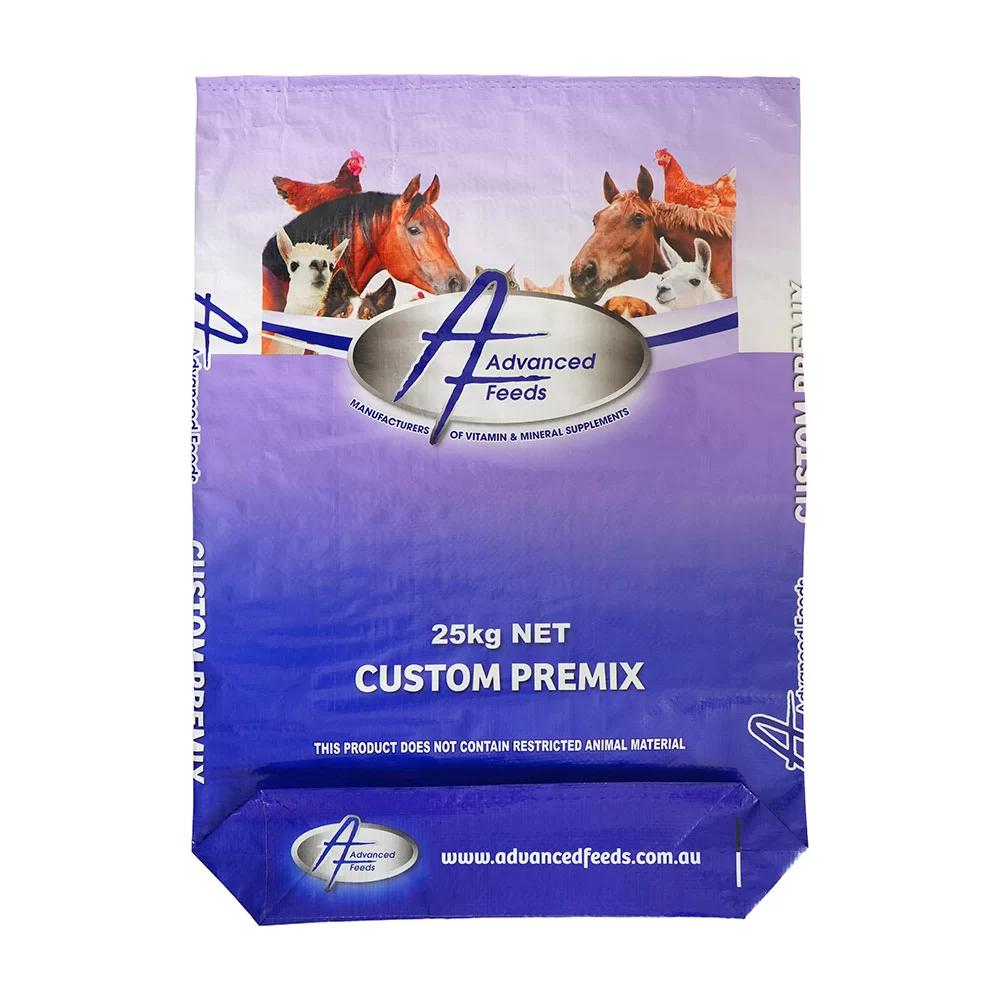

Technical answers to the most common questions from our Portuguese partners.
The primary advantage is the addition of a biaxially-oriented polypropylene (BOPP) film layer. This provides a superior moisture and air barrier, preventing product clumping and degradation. Additionally, it allows for high-resolution, multi-color printing that does not wear off, significantly enhancing brand presentation and shelf-life for industrial products.
Traditional sewn bags have thousands of small needle holes along the seam, which allow fine powders to leak. Pinch bottom bags are heat-sealed or folded and glued, creating a continuous, airtight seal across the bottom. This makes them ideal for high-value chemicals and fine powders where zero-leakage is a critical requirement for safety and quality.
Yes. We customize every aspect of the bag—from the polymer grade and weave density to the printing and closure system—to meet both EU and local Portuguese standards. Whether you need specific UV protection for outdoor storage or food-grade materials for animal feed, our engineering team ensures compliance with all safety and environmental mandates.
For automated lines, the critical factors are dimensional precision and the type of closure. Valve bags are highly recommended as they allow for rapid filling and self-closing mechanisms. You must also consider the slip-coefficient of the BOPP film to ensure the bags move smoothly through the machinery without jamming, which we optimize during the material selection phase.
While a heavier bag offers more strength, it increases the tare weight of the shipment. Our approach is "weight-to-strength optimization." We use advanced weaving patterns to maintain the same burst strength while reducing the overall grams per bag. This allows Portuguese exporters to maximize their payload and reduce shipping costs without compromising product security.
The most effective approach is to provide us with your product's density, moisture sensitivity, and current filling method. From there, our engineers can recommend a specific combination of weave, lamination, and closure. We typically start with a structural design phase followed by material sampling to ensure the solution performs perfectly in your specific operational environment.
Whether you are managing chemical exports through Sines or distributing fertilizers in Alentejo, our precision-engineered PP woven bags ensure your product arrives safely. Contact us today to discuss your technical requirements and receive a customized packaging strategy that reduces waste and elevates your brand presence across Europe.
Discuss Your RequirementsHit enter to search or ESC to close


