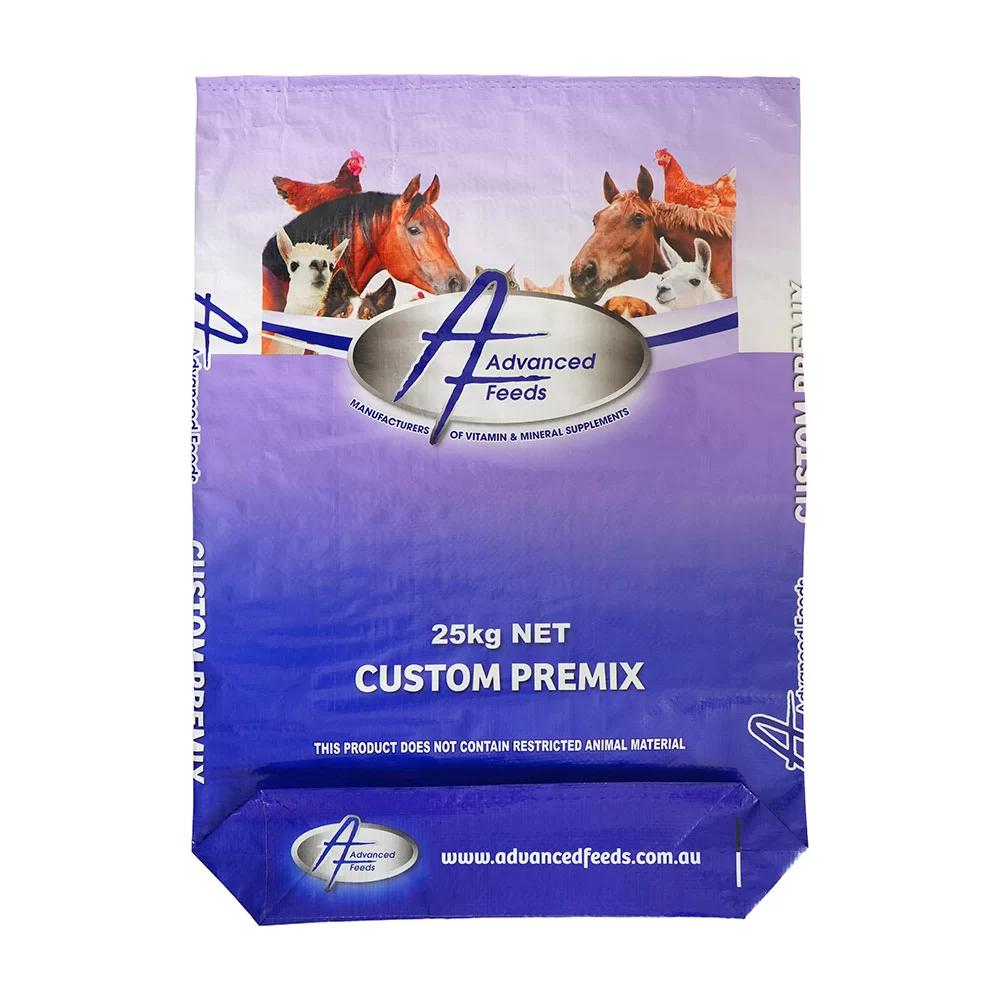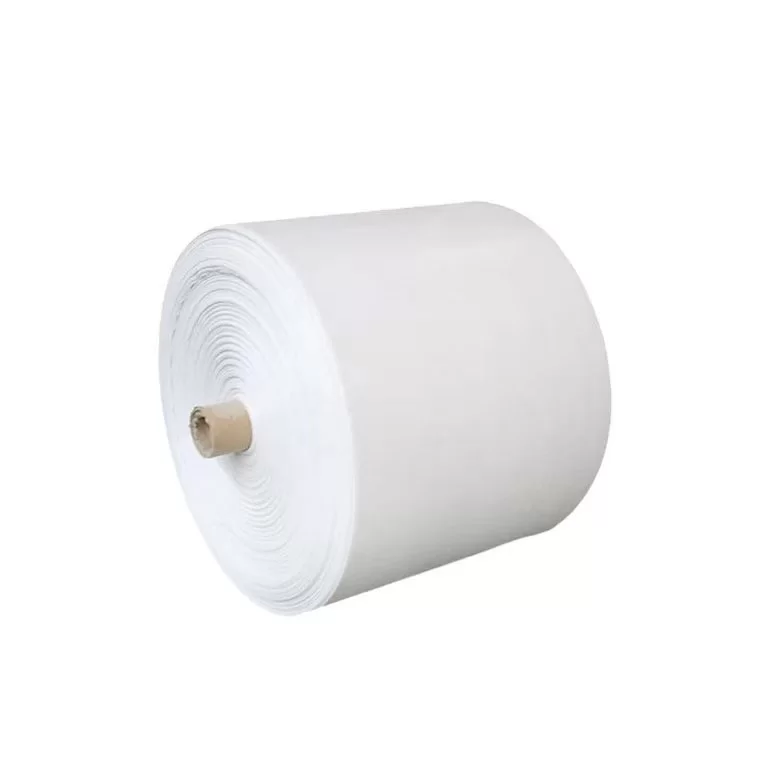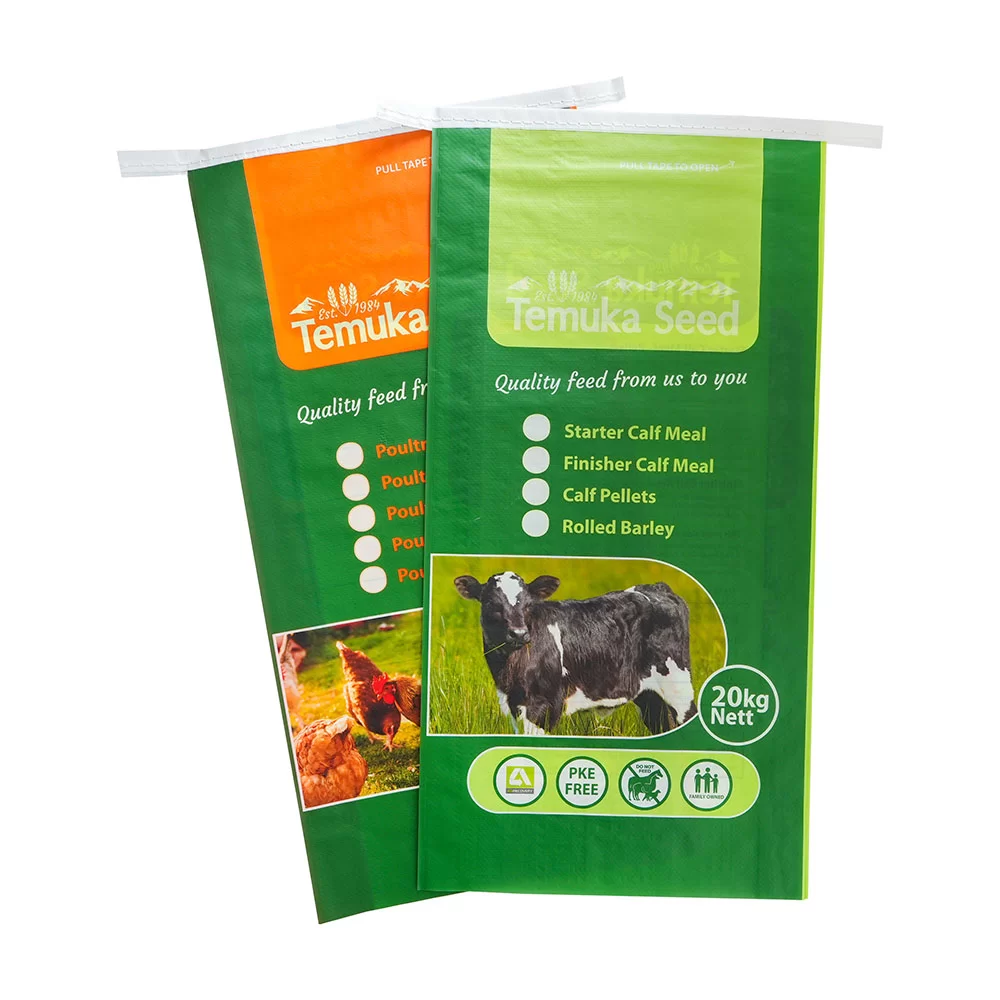

Precision-manufactured containers engineered to protect your products through every stage of the Ethiopian supply chain.


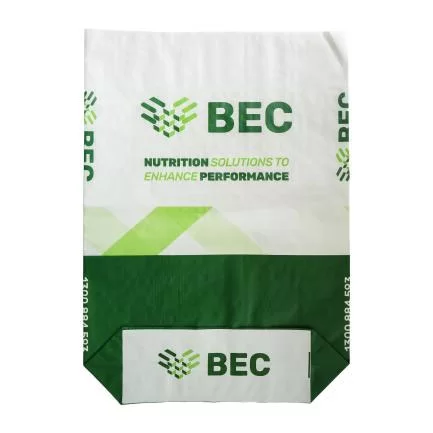
Bridging the gap between high-volume production and secure regional distribution.
Ethiopia's industrial landscape, particularly in the agricultural and chemical sectors, relies heavily on secure bulk containment. The movement of fertilizers and grains across varying terrains requires packaging that resists puncturing and environmental degradation. Utilizing a high-quality pp woven bag is essential for maintaining product integrity during long-haul transport from production hubs to rural distribution points.
Furthermore, the rise of localized manufacturing in the region has increased the demand for brand-visible packaging. Companies are moving away from generic sacks toward printed pp woven bags to improve market identification and ensure that handling instructions are clearly visible to logistics operators, reducing product loss during loading and unloading.
For procurement managers in Ethiopia, this means shifting focus from lowest-unit cost to total cost of ownership. Investing in bags with superior tensile strength and moisture barriers reduces the frequency of bag bursts and leakage, which is critical when dealing with high-value chemical inputs or export-grade coffee and grains.
From basic containment to strategic brand protection.
Reliance on standard woven sacks primarily for basic storage with limited protection against moisture or UV exposure.
Introduction of bopp laminated bag technology to provide superior moisture resistance and high-resolution graphics.
Adoption of specialized closures like pinch bottom bags for better sealing and automated filling efficiency.
Increasing demand for lamination to protect hygroscopic chemicals and seeds from Ethiopia's seasonal humidity fluctuations.
Shift toward bag designs that support automated filling lines to increase throughput and reduce manual labor costs.
Preference for high-tenacity polypropylene that allows for thinner walls without sacrificing burst strength.
Adapting to evolving industrial standards.
Integration of UV inhibitors to prevent material degradation during outdoor storage in high-sunlight regions.
Specialized surface treatments to improve pallet stability during transport on uneven road infrastructure.
Precision thickness adjustment based on the specific density and abrasiveness of the packed material.
Transition toward more recyclable PP grades to meet emerging environmental guidelines in African markets.
The future of packaging in Ethiopia will likely be driven by the need for higher efficiency in the agricultural supply chain. As the region scales its fertilizer production and distribution, the demand for fertilizer packaging bags that can withstand high pressure and moisture will grow significantly.
Decision-makers should evaluate suppliers not only on price but on their ability to customize material specifications. Ensuring a match between the bag's structural design and the specific filling equipment is the key to reducing waste and optimizing operational costs.
Real-world solutions for diverse sectors.
Addressing the challenge of moisture ingress during seasonal rains; utilizing UV-stabilized, high-density woven bags to prevent nutrient leakage and product clumping during rural transit.
Optimizing bulk coffee and seed exports using reinforced PP sacks that minimize tearing during mechanical loading into shipping containers at the port.
Implementing laminated BOPP solutions for fine chemicals to ensure zero-leakage and provide clear hazard communication through high-resolution printing.
Using custom-printed bags for commercial pet and livestock feed, focusing on puncture resistance to withstand stacking in warehouse environments.
Providing heavy-duty bulk bags for cement and aggregates, engineered to handle high-impact loads during off-loading at construction sites across Addis Ababa.
Combining innovation with manufacturing excellence.
Established as a specialist in the design and supply of high-quality customized packaging, focusing on woven bags, valve bags, and FIBCs.
Developed a robust engineering team comprising senior engineers and skilled technicians to optimize precision machining and quality control.
Expanding the range of specialized solutions, including BOPP laminated and pinch bottom bags, to serve critical sectors worldwide.
Versatile solutions tailored for diverse material densities and industrial requirements.
Technical and commercial guidance.
Enhance your supply chain efficiency in Africa - Ethiopia with high-performance PP woven solutions tailored to your specific material requirements. Let our engineering team design your next packaging standard.
Discuss Your RequirementsHit enter to search or ESC to close