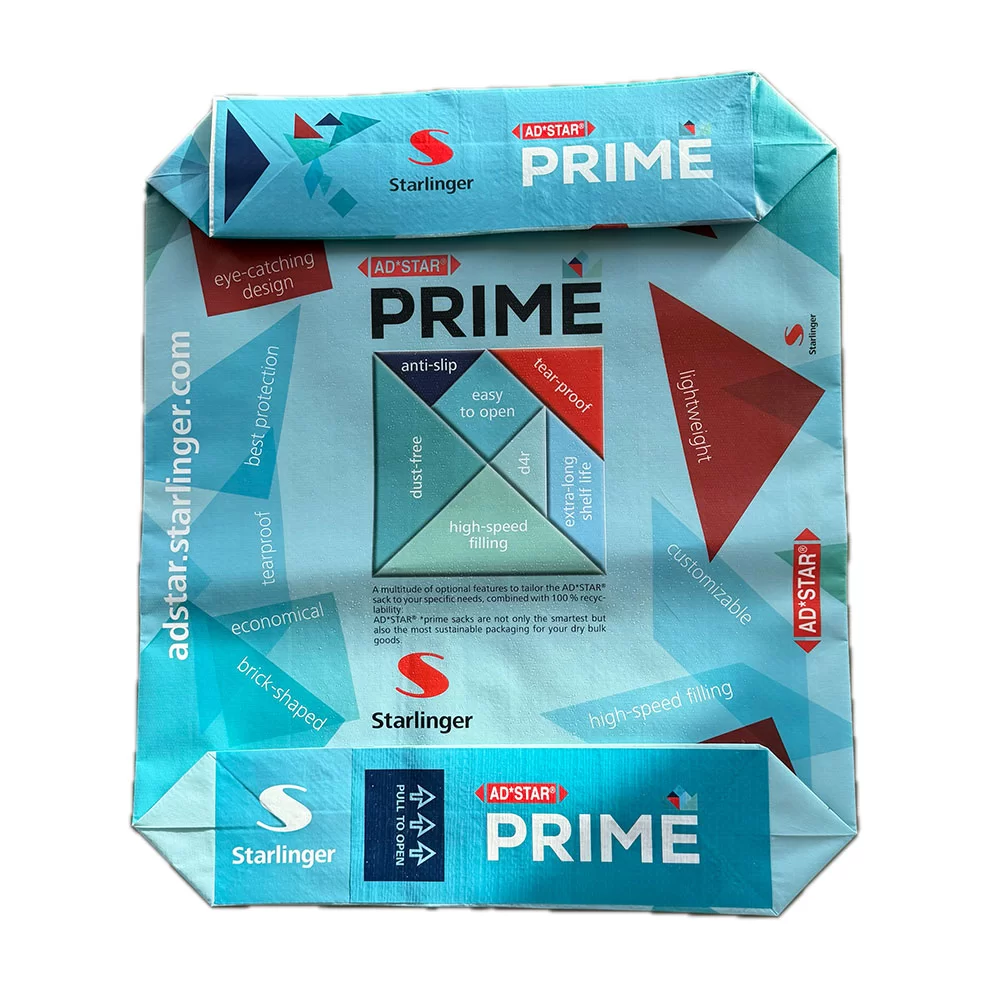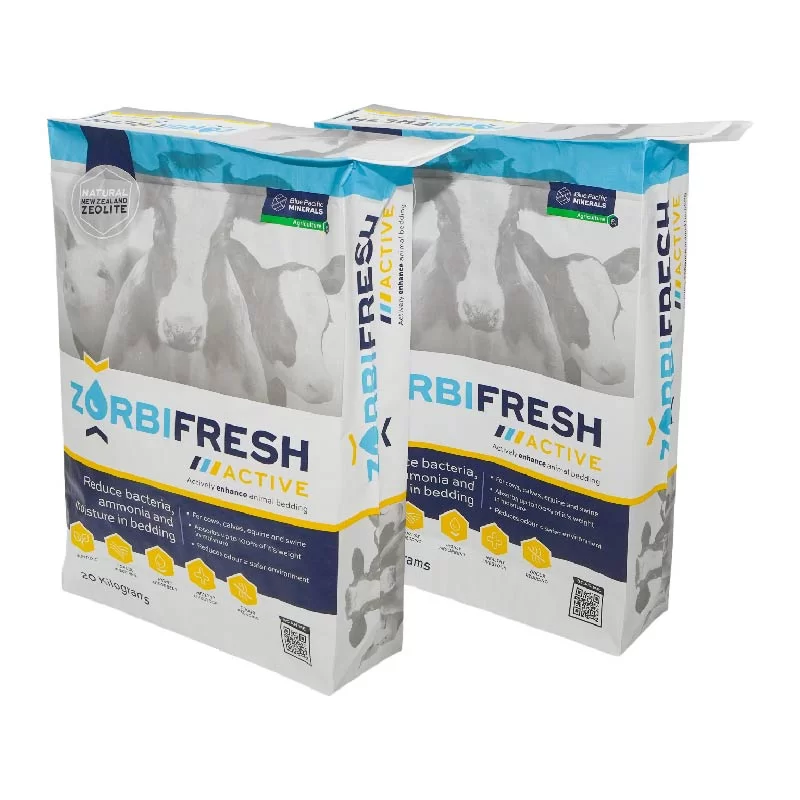
Professional-grade containment solutions designed to withstand rigorous transport and storage conditions.
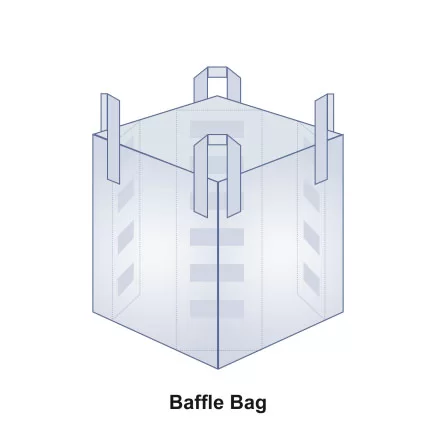


How localized packaging requirements are evolving to meet international trade standards.
Rwanda's focus on agricultural modernization has significantly increased the demand for reliable bulk packaging. The shift toward commercializing coffee, tea, and minerals requires containment that prevents leakage and protects against humidity during inland transport to regional ports. A high-quality pp woven bag is no longer just a container but a critical component of the supply chain that ensures product integrity from the farm to the end consumer.
Furthermore, the Rwandan market is increasingly prioritizing branding for export goods. This has led to a transition from plain sacks to printed pp woven bags, allowing local producers to communicate brand identity and regulatory compliance directly on the packaging, which is essential for competing in European and Asian markets.
For Rwandan procurement managers, this means moving away from generic supplies toward technical specifications. The need for UV resistance and tear strength is paramount given the varied climatic conditions and manual handling prevalent in local logistics hubs.
Tracing the shift from basic utility to strategic packaging assets.
Basic woven sacks were used primarily for short-distance transport with minimal focus on durability or branding.
Introduction of lamination and specialized coatings to protect moisture-sensitive products like grains and chemicals.
Integration of BOPP technology and high-precision printing for market differentiation and extended shelf life.
Increasing use of bopp laminated bag options to prevent spoilage in high-humidity environments.
Transition toward pinch bottom bags to facilitate automated packing and reduce product loss.
Rise in specialized fertilizer packaging bags with anti-caking and UV-stabilized properties.
Predicting the needs of Rwanda's industrial expansion.
Optimizing polymer density to maintain strength while reducing total plastic usage.
Integrating QR codes and digital markers into printed designs for batch tracking.
Developing higher puncture resistance for mineral and construction material transport.
Improving bag dimensions and handles for easier manual loading in rural areas.
As Rwanda continues to diversify its industrial base, the demand for specialized packaging will move beyond simple woven bags. We anticipate a higher requirement for multi-layer barrier films and reinforced structures that can handle longer transit times to international ports.
Procurement teams should focus on suppliers who can offer flexible design iterations. The ability to adapt material thickness and printing precision based on the specific end-use case will be a primary driver of operational efficiency.
Practical applications across diverse Rwandan industries.
Coffee cooperatives require bags that maintain aroma and prevent moisture ingress. Using BOPP laminated solutions ensures the beans remain pristine during the transit from highlands to Kigali and then to port.
For the distribution of urea and NPK, high-strength woven bags with UV stabilizers are deployed to prevent degradation during outdoor storage in the Rwandan sun.
Tantalum and tin concentrates require maximum puncture resistance. Heavy-duty woven sacks are used to prevent leakage of high-value minerals during rough handling in mining sites.
Local feed mills utilize printed bags to clearly distinguish between different nutritional formulas, aiding rural farmers in correct application and increasing brand loyalty.
Cement and lime distributors employ reinforced woven bags to minimize breakage during offloading, reducing waste and improving the overall cost-efficiency of the building project.
A commitment to strength, precision, and collaborative design.
Established in the heart of Hebei, China, focusing on the design and manufacturing of high-quality customized packaging solutions for critical industrial sectors.
Expanded the product range to include valve bags, pinch bottom bags, BOPP laminated bags, and FIBCs, serving sectors from fine chemicals to pet feed.
Leveraging a team of senior engineers and skilled technicians to provide robust, customized pumping and packaging solutions that exceed client expectations worldwide.
Tailored specifications to meet the unique demands of Rwandan industrial and agricultural logistics.
Technical and commercial guidance for packaging buyers.
Enhance your product protection and brand visibility in Africa - Rwanda. Contact our technical team to discuss high-performance packaging solutions tailored to your industry needs.
Discuss Your RequirementsHit enter to search or ESC to close