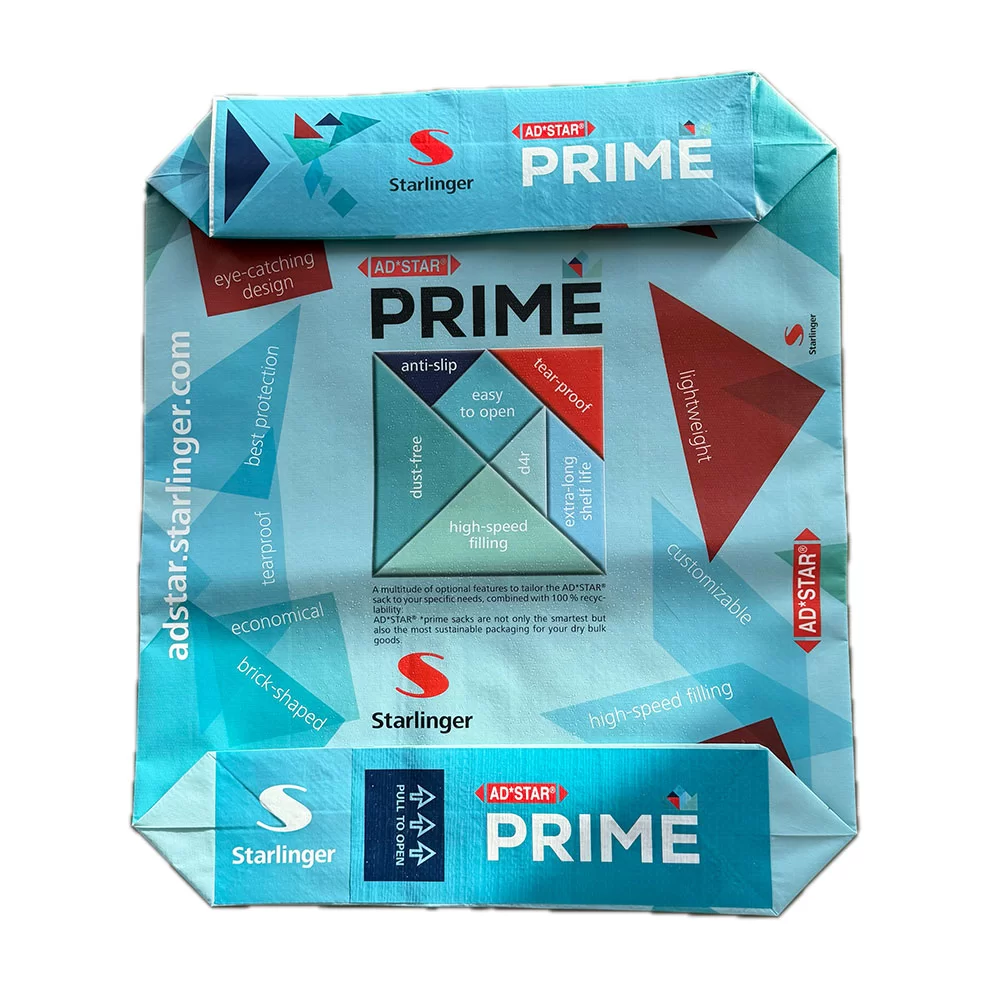
Selecting the right high-performance packaging is critical for industries dealing with hygroscopic materials or high-value chemicals. Biaxially Oriented Polypropylene (BOPP) laminated bags offer a superior fusion of structural strength and moisture resistance, ensuring that contents remain uncontaminated throughout the supply chain. Unlike standard woven sacks, these composite solutions provide a high-gloss surface for precision branding and enhanced tensile durability to prevent breakage during transit.
For procurement managers in the fine chemical, pet food, and agriculture sectors, the challenge lies in balancing cost-efficiency with uncompromising protection. Whether you are transporting fine mineral powders or high-grade seeds, the integrity of the packaging directly impacts the shelf life and perceived quality of the product. By integrating advanced lamination techniques, these bags provide a robust barrier against external environmental factors while maintaining a professional market appearance.

The technical superiority of these packaging solutions stems from their multi-layer construction. At the core is a high-density woven polypropylene (WPP) fabric, which provides the primary mechanical strength and puncture resistance. This base is then laminated with a BOPP film—a polypropylene film that has been stretched in both machine and transverse directions. This biaxial orientation significantly improves the clarity, tensile strength, and barrier properties of the plastic.
The lamination process creates a seamless bond that prevents moisture ingress and protects the inner contents from humidity. Furthermore, the outer BOPP layer acts as an ideal substrate for high-resolution gravure printing. This allows brands to implement complex graphics and detailed product information that will not rub off or fade, serving as a silent ambassador for the brand on the retail shelf. From a structural standpoint, the combination of the flexible woven base and the rigid BOPP film ensures the bag can withstand heavy loads without distorting its shape.

Versatility is a hallmark of composite woven packaging. In the fine chemicals industry, preventing leakage and contamination is non-negotiable. BOPP laminated bags are frequently deployed for resins, pigments, and specialty additives where a moisture-proof barrier is essential. The precision of the seal and the strength of the fabric prevent "sifting" of fine powders, which reduces product loss and maintains a cleaner warehouse environment.
In the agricultural and animal nutrition sectors, these bags are indispensable for high-value grains and pet feeds. The high-gloss finish not only attracts consumers but also protects the nutritional integrity of the feed by blocking oxygen and moisture. Additionally, for building materials such as specialty mortars or grouts, the high burst strength of the woven polypropylene ensures that bags can be stacked in high pallets without the risk of rupture under compression.
When searching for a reliable bopp bag supplier, buyers must look beyond the price per unit. The focus should be on the manufacturer's ability to integrate structural design with material science. Key evaluation criteria include the quality of the lamination bond—ensuring the film does not delaminate under stress—and the consistency of the print registration. A strategic partner should be able to offer a range of configurations, including valve bags for automated filling or pinch-bottom bags for enhanced sealing.
Customization capability is another critical factor. The ability to tailor the denier of the woven fabric to the specific weight of the product ensures that the bag is neither over-engineered (increasing costs) nor under-engineered (increasing risk of failure). Professional manufacturers utilize CAD-driven structural prototyping to ensure that the dimensions are optimized for the buyer's specific filling machinery and palletizing dimensions, streamlining the entire logistics process.
| Feature | Standard Woven PP | BOPP Laminated Bag | FIBC (Bulk Bag) |
|---|---|---|---|
| Moisture Barrier | Low (Porous) | High (Laminated) | Medium (Depending on Liner) |
| Printing Quality | Basic Flexo | High-Res Gravure | Basic Branding |
| Puncture Resistance | High | Very High | Highest |
| Visual Appeal | Matte/Industrial | Glossy/Premium | Industrial |
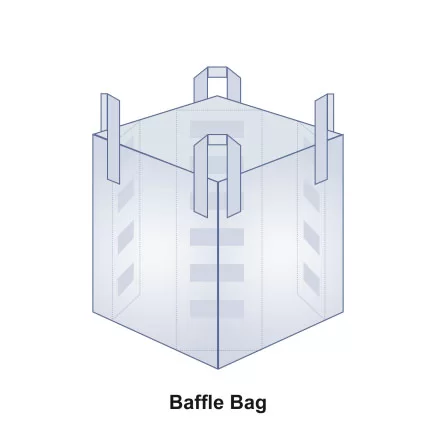
| Primary Use Case | General Grains | Retail/Fine Chemicals | Bulk Industrial Raw Materials |
The impact of packaging extends far beyond the point of sale; it fundamentally alters the efficiency of the supply chain. Properly designed BOPP bags can be engineered with specific bottom structures, such as block bottoms, which allow the bag to stand upright. This stability is crucial for retail displays and simplifies the process of automated palletizing, reducing the frequency of bags tipping over during transport.
Furthermore, the integration of anti-slip additives in the woven fabric can prevent bags from sliding during shipment, thereby reducing the need for excessive shrink-wrap and lowering the overall carbon footprint of the logistics operation. By collaborating with engineers who understand the interplay between material friction and stack height, companies can maximize container utilization and minimize product damage during long-haul sea freight.
The packaging industry is currently shifting toward a more sustainable lifecycle. While traditional BOPP bags are prized for their durability, there is an increasing demand for recyclable polypropylene solutions. The industry is exploring mono-material constructions that maintain the barrier properties of BOPP while being fully compatible with existing PP recycling streams. This evolution allows brands to maintain high performance without compromising their environmental commitments.
Additionally, the integration of "smart packaging" elements, such as QR codes printed directly onto the BOPP layer, is enabling better traceability in the supply chain. This allows buyers to verify the authenticity of the chemicals or grains inside and provides consumers with immediate access to product origins and usage instructions. The fusion of material strength, aesthetic brilliance, and digital connectivity marks the next generation of industrial packaging.
A standard woven bag is porous and offers basic protection, whereas a BOPP laminated bag features a biaxially oriented polypropylene film bonded to the woven fabric. This provides a superior moisture barrier, significantly higher print quality for branding, and increased resistance to external contaminants.
Yes, they are widely used for fine chemicals due to their leak-proof nature and structural strength. However, the specific grade of lamination and fabric density should be tailored to the chemical properties of the product to ensure full compatibility and safety.
Fabric density is determined by the weight of the content and the handling method. Heavier, abrasive materials require a higher denier woven base to prevent punctures, while lighter powders can use a lower density fabric to reduce costs.
Yes, because the printing is applied to the BOPP film before lamination (reverse printing), the ink is trapped between the film and the fabric. This protects the graphics from abrasion and ensures the branding remains intact during rough handling.
Focus on their structural design expertise, the precision of their lamination process, their ability to provide customized dimensions, and their track record in serving specific sectors like chemicals or animal feed.
Absolutely. They can be manufactured in various styles, such as valve bags or open-mouth bags, specifically designed to interface with automated filling and sealing machinery to increase production speed.
Choosing the right composite packaging is a strategic decision that protects your product and elevates your brand. By combining high-strength woven polypropylene with the barrier and aesthetic properties of BOPP, you ensure your goods reach the customer in perfect condition. Contact our engineering team today to design a packaging solution tailored to your specific industrial requirements.

Hit enter to search or ESC to close