
Block Bottom Bag – Extended Valve
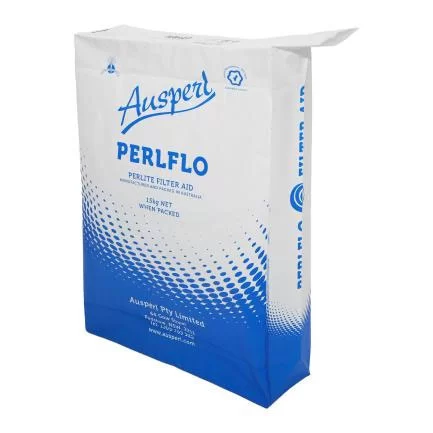
Extended Valve Block Bottom Bag refers to the block bottom bag with extended valve or sleeve valve that can be sealed with heat-seal or sealed using the ultrasonic waves. Featuring a robust block bottom and valve, this bag is renowned for its outstanding durability against bursts, impacts, and wear and tear. It's a reliable, waterproof companion that offers a flexible packaging solution across a variety of products and industries. The innovative block bottom design not only ensures ease of use but also simplifies the palletizing process.
-
Manufacturing process
The difference between block bottom valve bag and other industrial bag is that block bottom bag is completed by hot air welding without adhesive. The bottom of pouch is gusseted from sides and sealed. Vertical sides of bag are creased to allow the pouch to stand up straight on shelves. The sack applies star micro perforation system for the valve part, allowing air to come out and keeping products without leaking out. This packaging is widely used for granular products and powder products such as cement, sugar, salt and cereals.
The Ad*Star® Bag, patented globally by Starlinger, is crafted with care exclusively on Starlinger machines. We are proud to say that we have been the leading Ad*Star Bag manufacturer since 2009 right here in China

-
Product features
Embrace Multi-purpose Convenience with Just One Bag
Block bottom bags have flat bottom for hassle -free filling and stacking for a wide range of free-flowing bulk materials, such as cement, building materials, fertilizers, chemical products, and granular substances, are also suitable for flour, sugar, and animal feed.
Experience the Ultimate in Customization and Ingenious Packaging
BOPP Laminated block bottom bag is BOPP Laminated fabric that makes into block bottom bag. Block bottom bag with BOPP laminated fabric will be more durable and fancy since BOPP film on the fabric is an extra protection. Besides, it supports customer design on bottom, top and sides because of the structure of bag, increasing recognition for bags stacked on shelves or pallets.

Elevates the Value of Your Brand with a Gentle Touch
Not only is it incredibly robust and highly resistant to harsh weather conditions, but it also allows for vibrant full-color printing and features transparent windows to beautifully display the products inside. When it comes to burst resistance, it outperforms all comparable products on the market, offering versatility and economy in one package.

Explore Efficient Industrial Packaging Methods to Make Your Work Easier
Upon the bag's being filled with products, the automated closure mechanism is activated, effectuating a seamless seal in response to the applied pressure. The block bottom bag has a self -closing filling valve , a seal-able valve or a pocket valve , which contributes to a super efficient filling process and the neat rectangular shape and covering top patch over the valve makes this bag remarkable for your brand.

-
Applications
These bags are neatly folded at the edges and heat sealed at the top and the bottom. The top position of the bag can be equipped with a valve structure for hassle-free automatic filling, making these bags ideally suitable for streamlined packaging needs in industries like cement, animal feed, chemicals, and fertilizers.
-
Specification
Material
100% Virgin Polypropylene ( PP )
Fabric color
White / Transparent/ Color
Printing
Flexo or Rotogravure
Width
35cm to 60cm
Length
50cm to 90cm
Mesh
8*8 /9*9 /10*10/12*12
Denier
From 600D to 1500D
Weight
50gsm-120gsm
Top
valve spout
Bottom
square bottom
Characteristics
moisture-proof, tightness, highly tensile,tear resistant
Optional choice
inner coated, side gusseted,back seam
Perforation
microSTAR perforation
Printing color
1-8 colors
Certificate
BRC ISO9100
Appearance
glossy/matt lamination, UV stabilization , anti skid, anti-slip
-
What Is an Extended Valve Block Bottom Bag and How Does It Work?
An extended valve block bottom bag is a type of industrial packaging designed for filling dry powders and granular materials through a valve opening. It combines a rectangular block-shaped base with an extended valve sleeve, giving manufacturers a practical packaging option for automated filling and bulk material handling.
The extended valve is an important part of the bag's design. After filling, the extended sleeve can be closed through a suitable sealing method, such as heat sealing or ultrasonic sealing, depending on the bag construction and filling equipment. This helps secure the filling opening without relying on a conventional sewn top.
The block bottom serves a different purpose. Its flat, rectangular base allows the filled bag to stand upright and maintain a more regular shape during storage and transportation. Compared with packaging that has an irregular bottom, this structure makes it easier to arrange bags in consistent pallet patterns.
Shengshi Jintang manufactures block bottom bags using 100% virgin polypropylene. The product combines a woven PP fabric structure with a block-shaped base and extended valve design. It is suitable for industrial packaging applications where filling efficiency, package stability and material handling all matter.
For buyers, the key is to match the valve structure and bag dimensions with the filling equipment and the characteristics of the packed material.
-
Extended Valve vs. Standard Valve: Which Block Bottom Bag Is Better for Your Filling Line?
When selecting a block bottom bag for an automatic filling line, the valve design deserves as much attention as the bag's material and dimensions. A standard valve and an extended valve may look similar at first, but their sleeve construction can affect how the filling opening is handled after filling.
A standard valve is designed to receive material through a relatively compact filling opening. Depending on the construction, it may use an internal sleeve or another valve arrangement to help retain the contents after the filling nozzle is removed.
An extended valve provides a longer sleeve section. This additional material gives the operator or packaging line more room to carry out a closing operation. For example, the extended sleeve may be heat-sealed or ultrasonically sealed when the selected material and equipment support that process.
The right choice depends on several practical considerations:
Filling equipment: Check whether the filling nozzle and valve arrangement are compatible.
Closing method: Confirm whether your production line uses heat sealing, ultrasonic sealing or another closure process.
Product characteristics: Fine powders may require additional attention to valve construction and leakage control.
Production workflow: Consider how the valve is handled after filling and whether the closing step affects line efficiency.
Shengshi Jintang offers extended valve block bottom bags for industrial packaging applications. Before ordering, buyers should share their filling machine type and preferred sealing method so the bag construction can be evaluated against actual operating conditions.
-
How Does MicroSTAR Perforation Help with Powder Filling and Air Release?
Air trapped inside a bag during filling can affect its final shape, filling efficiency and stacking performance. This is particularly relevant when packaging cement, dry construction materials and other powders that carry air into the bag during the filling process.
Shengshi Jintang's extended valve block bottom bag uses a microSTAR perforation system in the valve area. The small perforations provide a route for displaced air to escape as material enters the bag, helping the bag fill and settle more effectively.
This design needs to balance two requirements: air release and product retention. If the perforations are too large for the packed material, fine particles may escape. If air cannot escape efficiently, the bag may remain inflated or become difficult to handle after filling.
That is why buyers should not evaluate perforation only by its presence. The packed material, particle size, filling pressure and filling equipment all matter when choosing the appropriate structure.
For powder packaging projects, it is useful to test the bag with the actual material before confirming a large production order. Observe whether the bag fills smoothly, whether visible dust escapes from the valve and whether the filled package reaches the desired shape.
Micro-perforation is not a guarantee of zero leakage or dust emissions. Its performance depends on the complete bag construction and operating conditions. Shengshi Jintang can discuss the required valve and perforation configuration with buyers based on their intended application.
-
Why Does a Block Bottom Bag Provide Better Pallet Stability?
For industrial packaging, a bag's job does not end when filling is complete. It must also remain manageable during stacking, palletizing, warehouse storage and transportation. This is where the block bottom structure becomes especially useful.
Unlike a conventional flat-bottom or sewn-bottom sack, a block bottom bag is designed with a rectangular base. Once filled, the base helps the package maintain a more regular shape, making it easier to position alongside other bags.
This matters when a warehouse handles large quantities of cement, fertilizer or other bulk materials. Bags with more consistent dimensions and shapes can make pallet arrangement easier and help reduce gaps between packages. A more uniform pallet footprint can also simplify handling with forklifts and other warehouse equipment.
However, pallet stability is not determined by the bottom design alone. The filled bag's dimensions, weight distribution, material characteristics, friction between bag surfaces and stacking pattern all influence the final result.
For example, a bag that is overfilled or unevenly filled may still bulge even when it has a block-shaped base. Buyers should therefore consider the filling weight and final package dimensions together with the bag structure.
Shengshi Jintang's block bottom bag combines a square base with a valve filling design for industrial packaging. For projects involving palletized shipments, buyers should confirm the filled bag dimensions and test the stacking arrangement before selecting the final specification.
-
What Products Can Be Packed in Extended Valve Block Bottom Bags?
Extended valve block bottom bags are commonly considered for products that can be filled through a valve opening, particularly dry powders and free-flowing granular materials. Their combination of a woven PP body, valve filling structure and rectangular base makes them suitable for several industrial packaging applications.
Cement and Construction Materials
Cement, dry mortar, gypsum powder and similar construction materials are typical applications. These products require packaging that can withstand handling during filling, storage and transportation. The block bottom structure also helps maintain a regular package shape for palletized delivery.
Fertilizers and Agricultural Products
Granular fertilizers and selected powdered agricultural materials can be packed in valve bags. The appropriate fabric construction and valve design should be selected according to the product's particle size, moisture sensitivity and filling conditions.
Chemical Powders
Industrial chemical powders may also use block bottom valve packaging. Buyers should consider the chemical compatibility of the packaging material and any special handling or regulatory requirements before placing an order.
Other Dry Bulk Materials
Depending on the product's physical properties, applications may also include mineral powders and other dry granular materials.
Not every material requires the same bag construction. Fine powders may need closer attention to valve sealing and perforation, while heavier products place greater demands on fabric strength and package handling.
Shengshi Jintang supplies extended valve block bottom bags for different industrial packaging needs. Sharing the product type, target filling weight and storage conditions helps determine whether this packaging format is appropriate for your project.
-
What Should Buyers Check When Ordering Block Bottom Bags Wholesale?
When purchasing block bottom bags wholesale, the lowest unit price is not the only factor worth comparing. A bag that does not match your filling line or packed material can create production interruptions, product loss and additional handling costs.
Before confirming a bulk order, buyers should review the following points.
1. Bag Dimensions and Filling Weight
Provide the required bag width, length, bottom dimensions and target filling weight. These details help the manufacturer assess whether the proposed construction suits your packaging process.
2. Valve and Sealing Requirements
Confirm whether you need an extended valve and how the filling opening will be closed. If your production line uses heat sealing or ultrasonic sealing, the bag material and sleeve construction should be compatible with that method.
3. Fabric and Material Selection
Ask about the polypropylene fabric construction, fabric weight and other relevant material specifications. The right selection depends on the packed product, handling conditions and expected load.
4. Printing and Appearance
If the bags carry your company logo or product information, confirm the printing method, artwork, color requirements and whether the design needs to appear on multiple panels.
5. Sample Testing and Quality Consistency
Before moving to mass production, test samples on your actual filling equipment. Check filling performance, valve closure, leakage, package shape and pallet stability.
Shengshi Jintang manufactures block bottom bags for industrial packaging buyers. We can discuss customized dimensions, material choices and printing requirements for wholesale projects. When requesting a quotation, provide your estimated order quantity, product type, filling weight and preferred valve design. This helps the team evaluate the requirements more accurately and prepare a suitable proposal.

If you are interested in us, please fill out the form
Our dedicated OUR team can help you find the right products to acceltrate your output.From design to use,We take care to all your needs.
-
 BOPP Inner Coated Bags China Factory Leading Packaging Suppliers
-
 Industrial Block Bottom Valve Bags China Factory and Professional Packaging Suppliers
-
 Premium PP Woven Bags China Factory Reliable Industrial Packaging Suppliers
-
 High Strength PP Woven Fabric Rolls China Factory and Professional Suppliers

Hit enter to search or ESC to close


