d cut pp woven bags have become a cornerstone of modern logistics, disaster relief, and agricultural practices globally. Their versatility, stemming from the woven polypropylene material, offers a cost-effective and robust solution for packaging and containment. The increasing demand for efficient and reliable material handling has propelled the widespread adoption of these bags across various industries. Understanding their properties, applications, and future trends is crucial for businesses and organizations seeking optimized supply chain solutions.
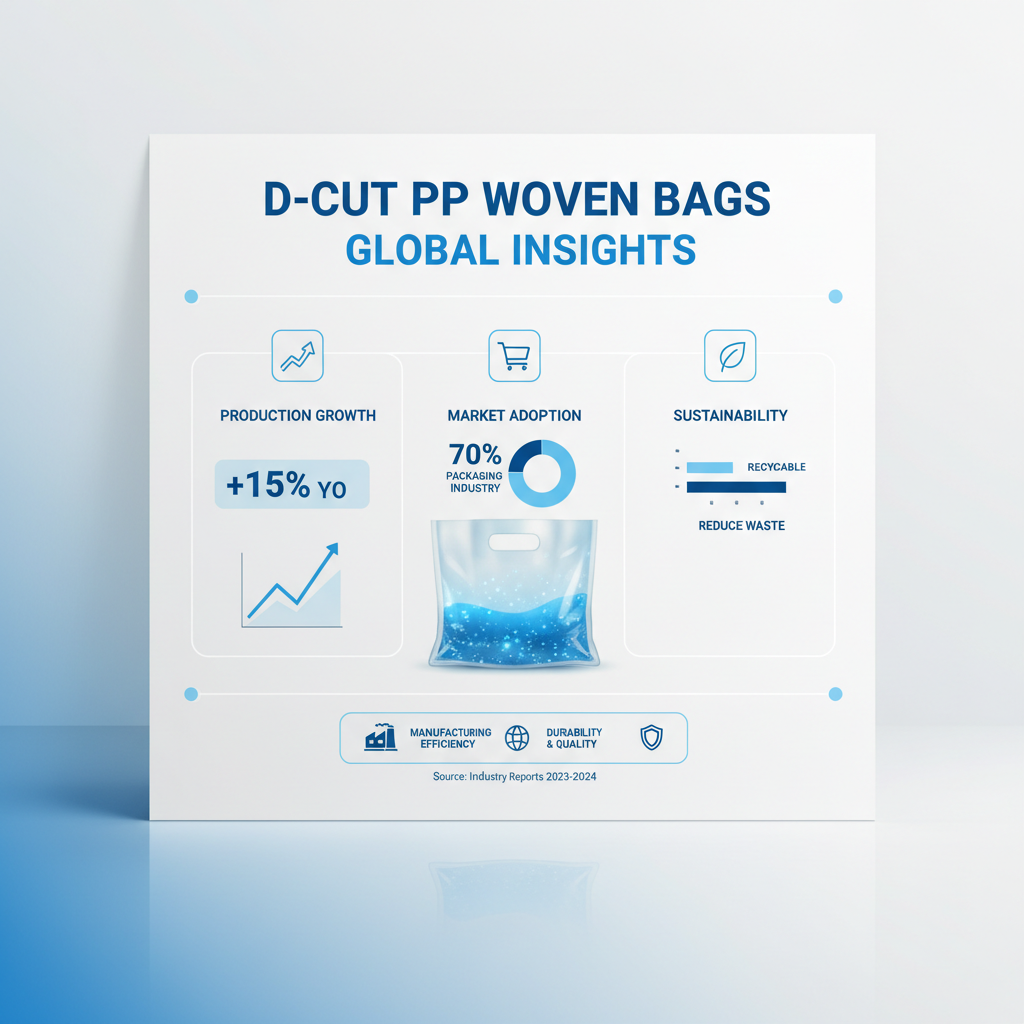
The global market for woven polypropylene bags, including d cut varieties, is experiencing significant growth, driven by expanding industrialization and a rising need for affordable packaging. According to recent reports, the demand is particularly high in emerging economies where infrastructure development and agricultural output are rapidly increasing. This demand isn’t merely economic; d cut pp woven bags play a vital role in food security, providing safe and efficient storage and transportation of grains, fertilizers, and other essential commodities.
The inherent strength and durability of d cut pp woven bags address critical challenges related to product protection during transit and storage. They offer a sustainable alternative to single-use plastic options, contributing to reduced environmental impact. Their adaptability to various sizes and designs further enhances their appeal, making them suitable for a wide range of applications.
Introduction to d cut pp woven bags
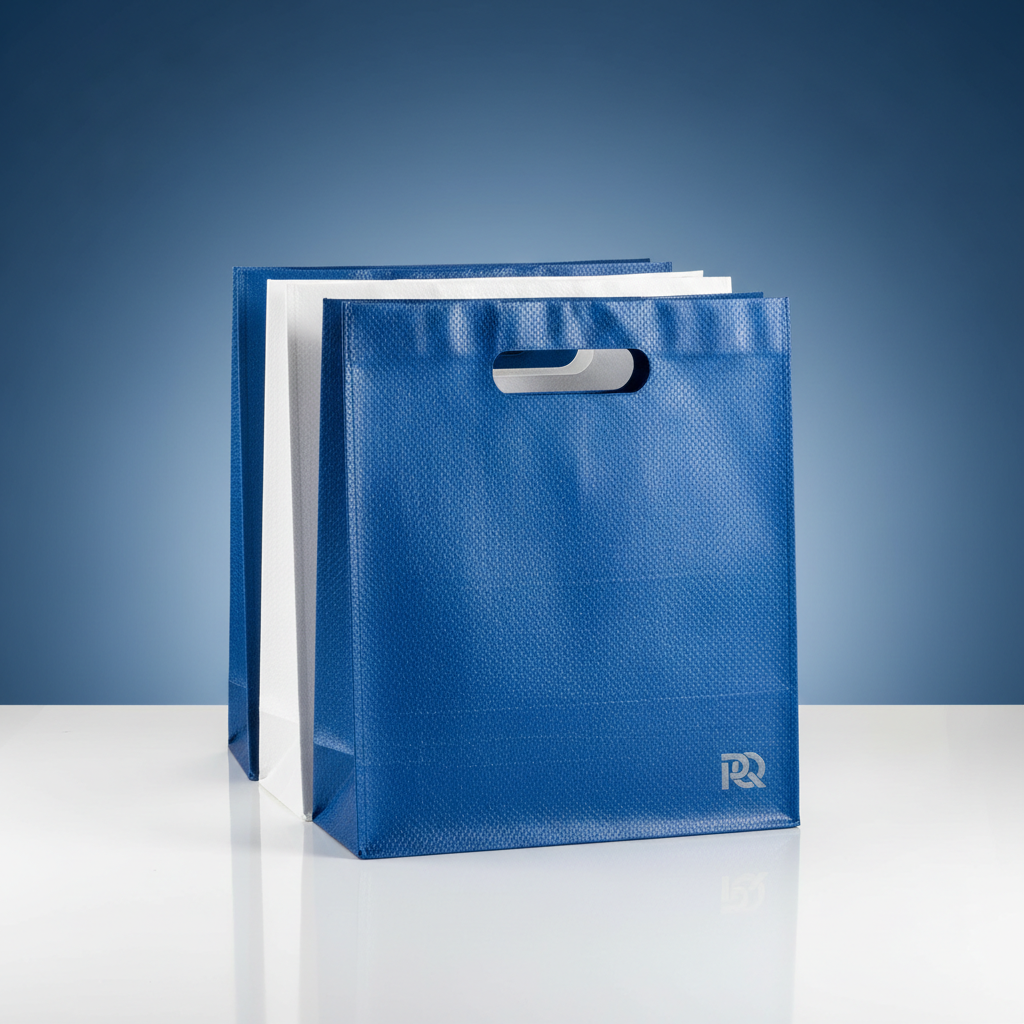
D cut pp woven bags represent a significant advancement in packaging technology, offering a blend of cost-effectiveness, durability, and versatility. The ‘d cut’ refers to the specific shape of the bag's opening, designed for easy filling and emptying. This design element, combined with the inherent strength of woven polypropylene, makes these bags ideal for a broad spectrum of applications, from agricultural products to industrial materials.
These bags are frequently utilized for transporting and storing bulk materials, providing a reliable barrier against moisture, dust, and physical damage. Their lightweight nature reduces transportation costs, while their reusability contributes to a more sustainable supply chain. Furthermore, the ability to customize these bags with printing and branding options enhances their marketing potential.
Defining d cut pp woven bags
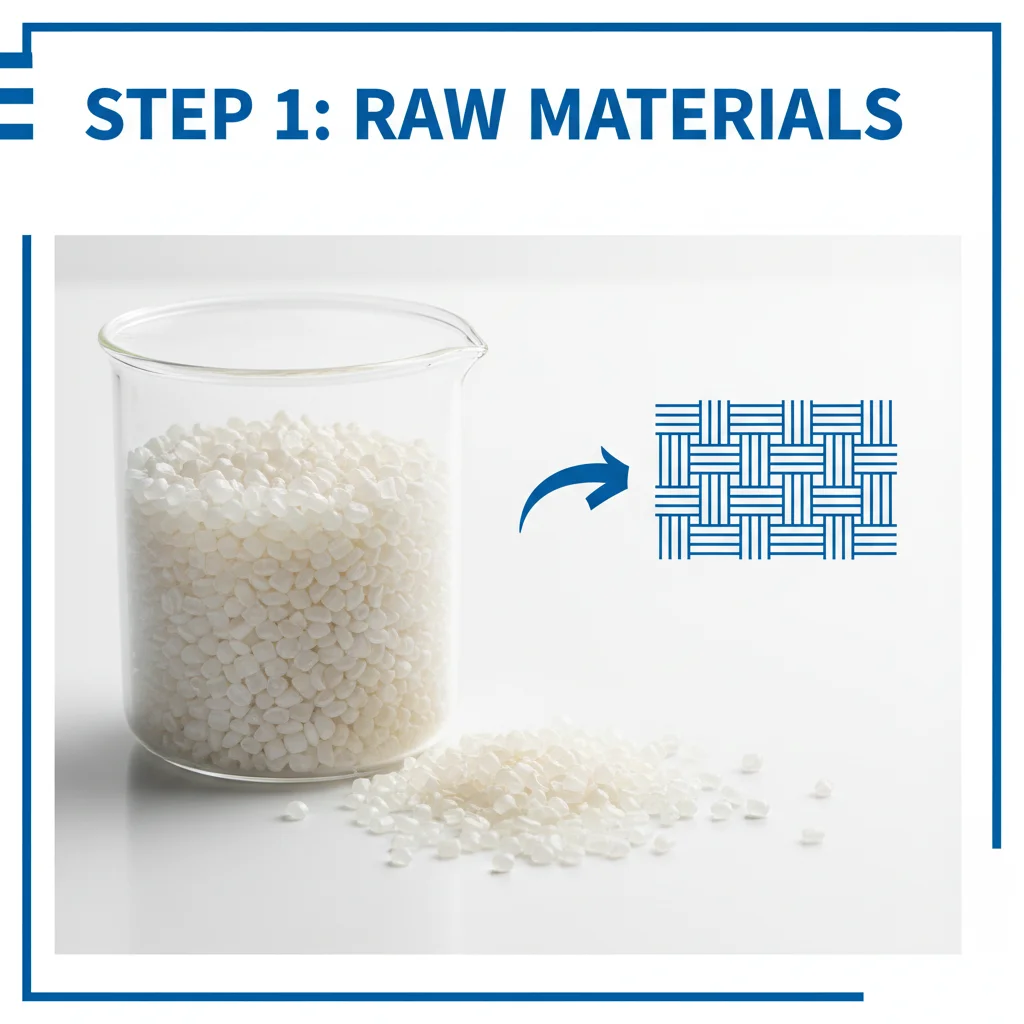
D cut pp woven bags are constructed from polypropylene (PP) resin, which is extruded into tapes, woven together to create a fabric, and then cut into a specific ‘d’ shape at the top opening. This shape facilitates effortless filling and dispensing of contents. The weaving process provides significant tensile strength, allowing the bags to withstand substantial weight and pressure.
The ‘pp woven’ aspect is critical: it signifies the polypropylene material is woven, rather than simply laminated or coated. This weaving contributes substantially to the bag’s strength and resistance to tearing. This type of bag stands apart from other packaging materials due to its cost-effectiveness, longevity, and recyclability.
In modern industry and humanitarian efforts, d cut pp woven bags are vital. They offer a dependable solution for storing and transporting essential goods, particularly in regions with limited infrastructure. Their use extends from safeguarding food supplies in developing countries to efficiently moving raw materials in manufacturing plants.
Core Components of d cut pp woven bags
Several key components define the quality and performance of d cut pp woven bags. First is the polypropylene resin itself, with varying grades impacting strength and UV resistance. The denier (thickness) of the woven tapes is another critical factor, influencing the bag’s tear resistance and load-bearing capacity. The weaving pattern also plays a role, with tighter weaves offering greater durability.
Lamination, often utilizing polyethylene (PE), provides a moisture barrier and enhances the bag’s printability. Coating options are also available for specialized applications, such as preventing static buildup or providing enhanced UV protection. Finally, the stitching method—whether single-fold, double-fold, or woven seam—determines the bag’s overall strength and longevity. Understanding these components is crucial for selecting the right bag for a specific application.
The 'd cut' design, as mentioned previously, is more than just aesthetics. The angled cut allows for a wider opening, simplifying the filling and emptying process, even with bulky or granular materials. This efficiency contributes to reduced handling time and lower labor costs, making it a pragmatic choice for large-scale operations.
Practical Applications of d cut pp woven bags
The versatility of d cut pp woven bags allows them to be applied across numerous sectors. In agriculture, they are extensively used for packaging grains, seeds, fertilizers, and animal feed. Their robust construction ensures the safe transport of these commodities, minimizing losses due to damage or spoilage. Industrial applications include packaging chemicals, building materials, and plastics.
D cut pp woven bags are also indispensable in disaster relief operations. They are frequently used to pack and distribute emergency supplies, such as food, water, and medical equipment. Their durability and water resistance make them well-suited for challenging environments. Further use cases include sandbagging for flood control and the packaging of mineral products.
Comparative Performance of d cut pp woven bags methods
Global Use Cases for d cut pp woven bags
In post-disaster relief operations across Southeast Asia, d cut pp woven bags are routinely deployed by organizations like the Red Cross to distribute food aid and essential supplies to affected communities. Their robust construction and water-resistant properties are vital in challenging conditions. Similarly, in remote industrial zones of Africa, they facilitate the transport of minerals and agricultural products to processing facilities.
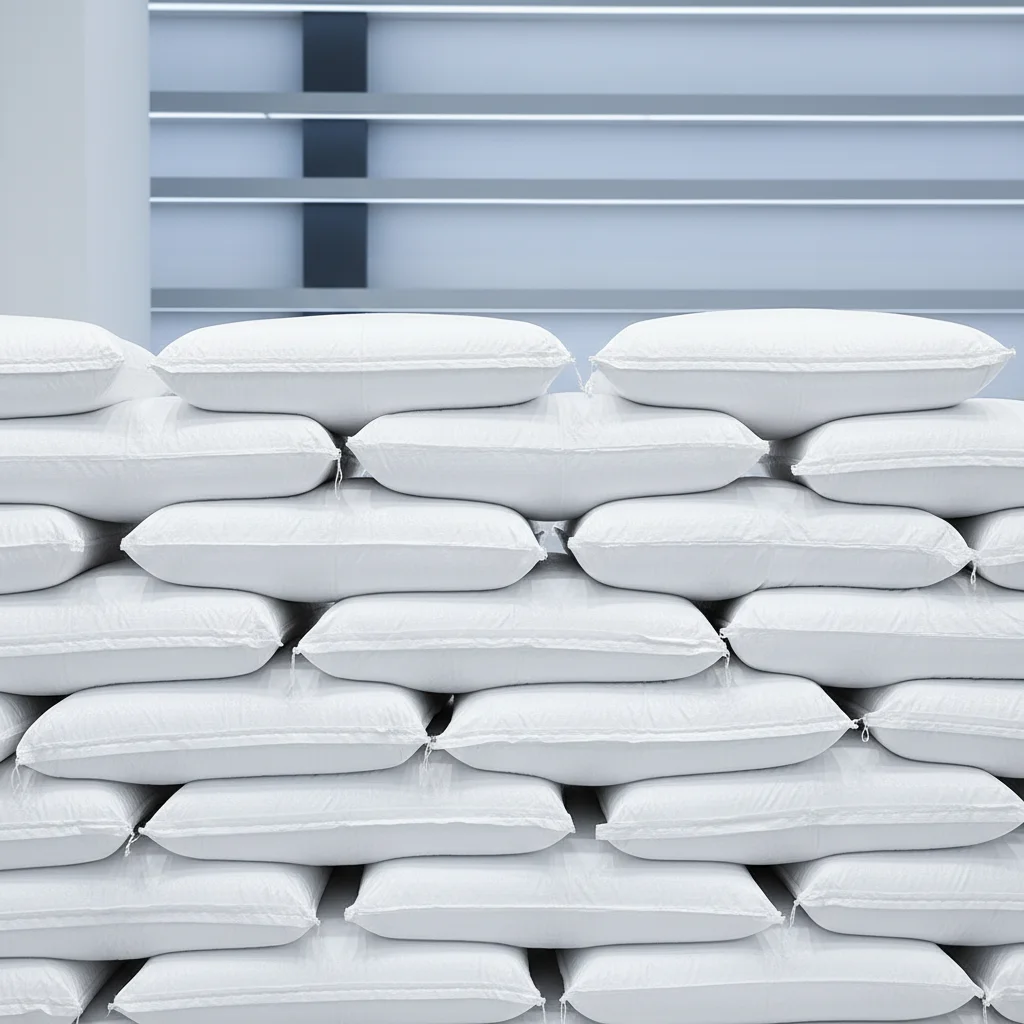
Across South America, particularly in the agricultural heartlands of Brazil and Argentina, d cut pp woven bags are integral to the efficient storage and transport of grain and soybeans. The bags' large capacity and stackability maximize space utilization in warehouses and during transportation. In the Middle East, they are used extensively in the construction industry for packaging cement and other building materials.
Advantages & Long-Term Value of d cut pp woven bags
The tangible benefits of d cut pp woven bags are numerous. Cost efficiency is paramount, as polypropylene is a relatively inexpensive material. Sustainability is enhanced through reusability and recyclability, reducing reliance on single-use plastics. Social impact is positive, as these bags contribute to food security and efficient disaster relief.
Beyond these practical advantages, d cut pp woven bags offer emotional and logical value. They instill confidence in product safety and integrity, ensuring that goods arrive at their destination in optimal condition. Their dependability fosters trust between suppliers, distributors, and consumers. Investing in high-quality d cut pp woven bags demonstrates a commitment to innovation and responsible sourcing.
Future Trends in d cut pp woven bags
The future of d cut pp woven bags is intertwined with sustainability initiatives. Research and development are focused on incorporating recycled polypropylene into the manufacturing process, reducing the carbon footprint of these bags. Biodegradable additives are also being explored to accelerate decomposition at the end of the bag’s life cycle.
Digital transformation is playing a role, with the integration of RFID tags and QR codes for improved tracking and traceability. Automation in the manufacturing process is increasing efficiency and reducing production costs. The demand for customized designs and printing options will continue to drive innovation in this sector.
Furthermore, the exploration of bio-based polypropylene, derived from renewable sources, presents a promising avenue for creating even more environmentally friendly d cut pp woven bags. This aligns with growing consumer preferences for sustainable packaging solutions.
FAQS
The lifespan of a d cut pp woven bag varies depending on factors such as material quality, load weight, and environmental exposure. Generally, a well-maintained bag can withstand multiple uses over several years. With proper care, including avoiding overfilling and protecting from prolonged UV exposure, a bag can last 3-5 years or even longer, making them a very cost effective packaging solution. The quality of the stitching is also a vital factor in the longevity of the product.
Yes, d cut pp woven bags are recyclable, though the process isn’t as widespread as with other plastics. They are typically categorized as #5 plastic (polypropylene). Recycling involves shredding the bags and reprocessing the PP resin into new products, such as auto parts, containers, or even more woven bags. Check with your local recycling facilities for their specific guidelines.
Absolutely. D cut pp woven bags are highly customizable. Various printing techniques, including flexographic printing, are used to apply logos, text, and designs directly onto the bag’s surface. Color options are extensive, and specialized coatings can enhance print durability. Customization allows for effective branding and product identification.
The appropriate weight capacity depends on the contents being stored and transported. D cut pp woven bags are available in a range of weights, typically measured in grams per square meter (GSM). Higher GSM indicates greater strength and load-bearing capacity. It is essential to select a bag with a GSM that exceeds the expected weight of the contents by a safety margin to prevent tearing or failure.
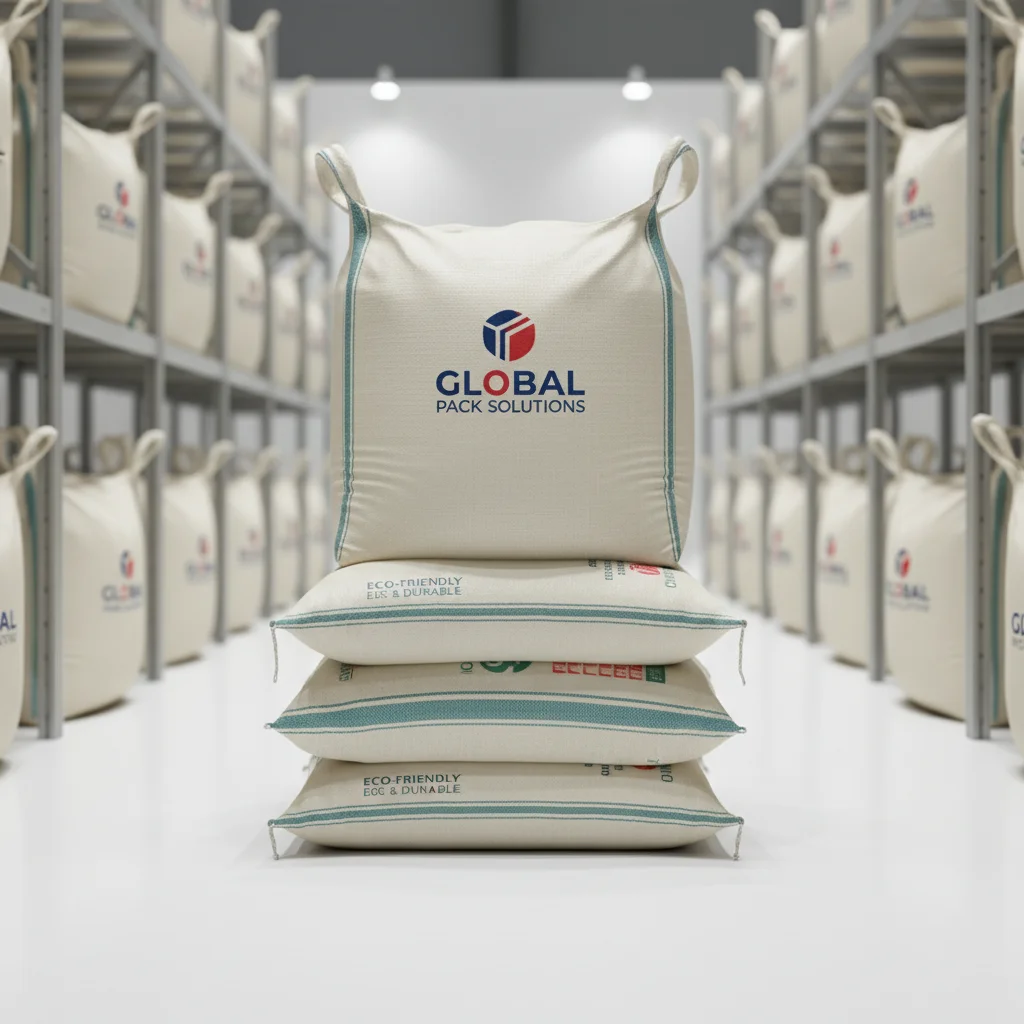
D cut pp woven bags and FIBCs (big bags) serve different purposes. FIBCs are significantly larger and designed for handling very large volumes of material (typically over 1000 lbs). D cut pp woven bags are ideal for smaller bulk quantities (typically under 100 lbs) and offer greater ease of handling and storage due to their smaller size and lighter weight. The choice depends on the specific volume and handling requirements.
Yes, while standard d cut pp woven bags offer some degree of moisture resistance, enhanced waterproof or water-resistant options are available. This is achieved through lamination with polyethylene (PE) or the application of a waterproof coating. The degree of water resistance can be tailored to specific needs, ranging from splash-proof to fully waterproof.
Conclusion
D cut pp woven bags represent a versatile, cost-effective, and increasingly sustainable packaging solution. Their widespread application across agriculture, industry, and humanitarian aid underscores their importance in global supply chains. Understanding their core components, benefits, and future trends is critical for organizations seeking optimized packaging strategies. As demand for efficient and eco-friendly packaging continues to grow, d cut pp woven bags are poised to remain a vital component of the global logistics landscape.
Looking ahead, continued innovation in materials, manufacturing processes, and digital integration will further enhance the value and sustainability of these bags. By embracing recycled materials, exploring biodegradable additives, and adopting automation technologies, we can ensure that d cut pp woven bags contribute to a more responsible and resilient future. For high-quality d cut pp woven bags tailored to your specific needs, visit our website: www.ssjtpack.com.