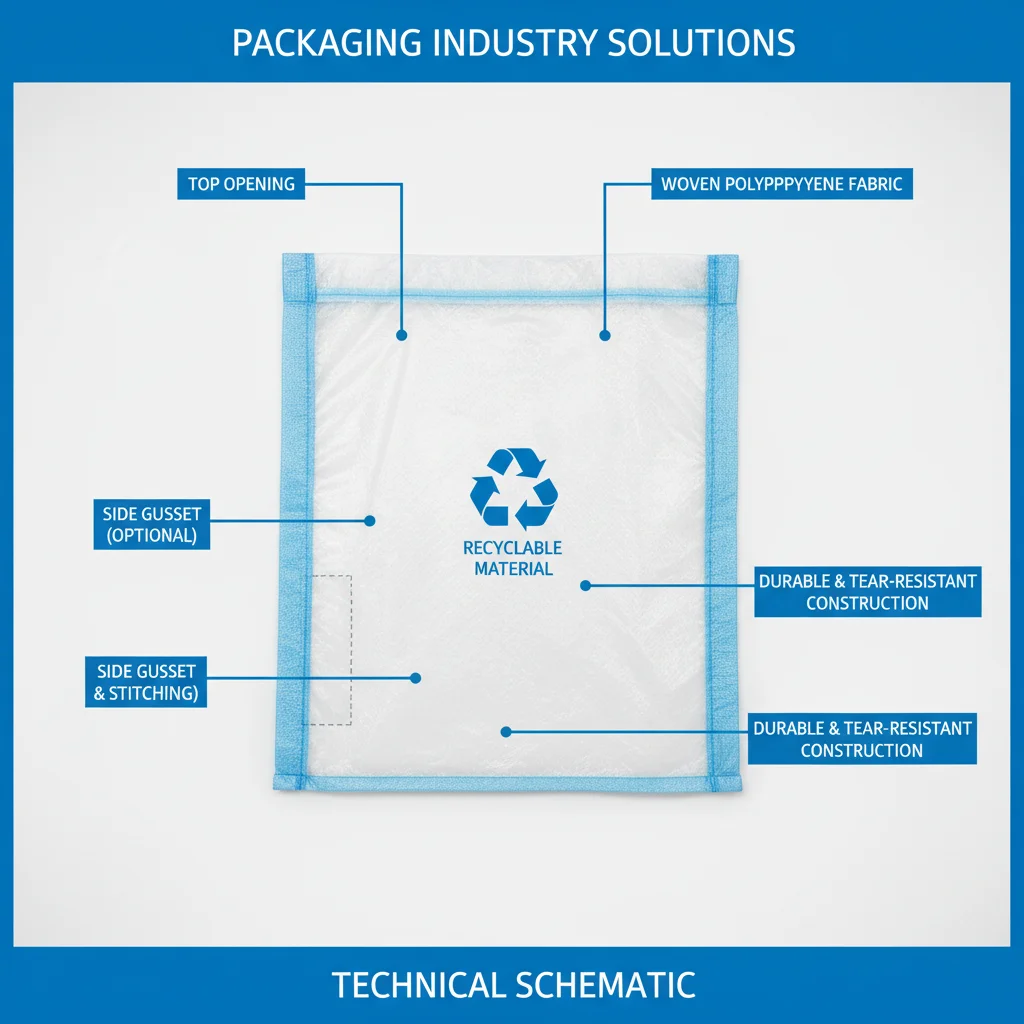
In the fast-paced world of industrial packaging, small woven polypropylene bags have emerged as a cornerstone for the efficient transport and storage of granular and powdered materials. Their unique construction—interweaving thermoplastic polymer strips—provides a structural integrity that far surpasses traditional plastic films, making them indispensable for sectors ranging from agriculture to chemical manufacturing.
The global shift toward optimizing supply chains has placed a premium on packaging that balances weight, cost, and durability. By utilizing high-tensile strength polymers, these compact containers ensure that goods are protected from punctures and tears during rigorous transit, effectively reducing product loss and operational overhead for businesses worldwide.
Understanding the technical nuances of small woven polypropylene bags allows procurement managers and logistics experts to make informed decisions. Whether it is enhancing shelf appeal through BOPP lamination or ensuring moisture resistance for specialty chemicals, these versatile bags provide a scalable solution to a myriad of complex packaging challenges.
The Global Industrial Significance of Small Woven Polypropylene Bags
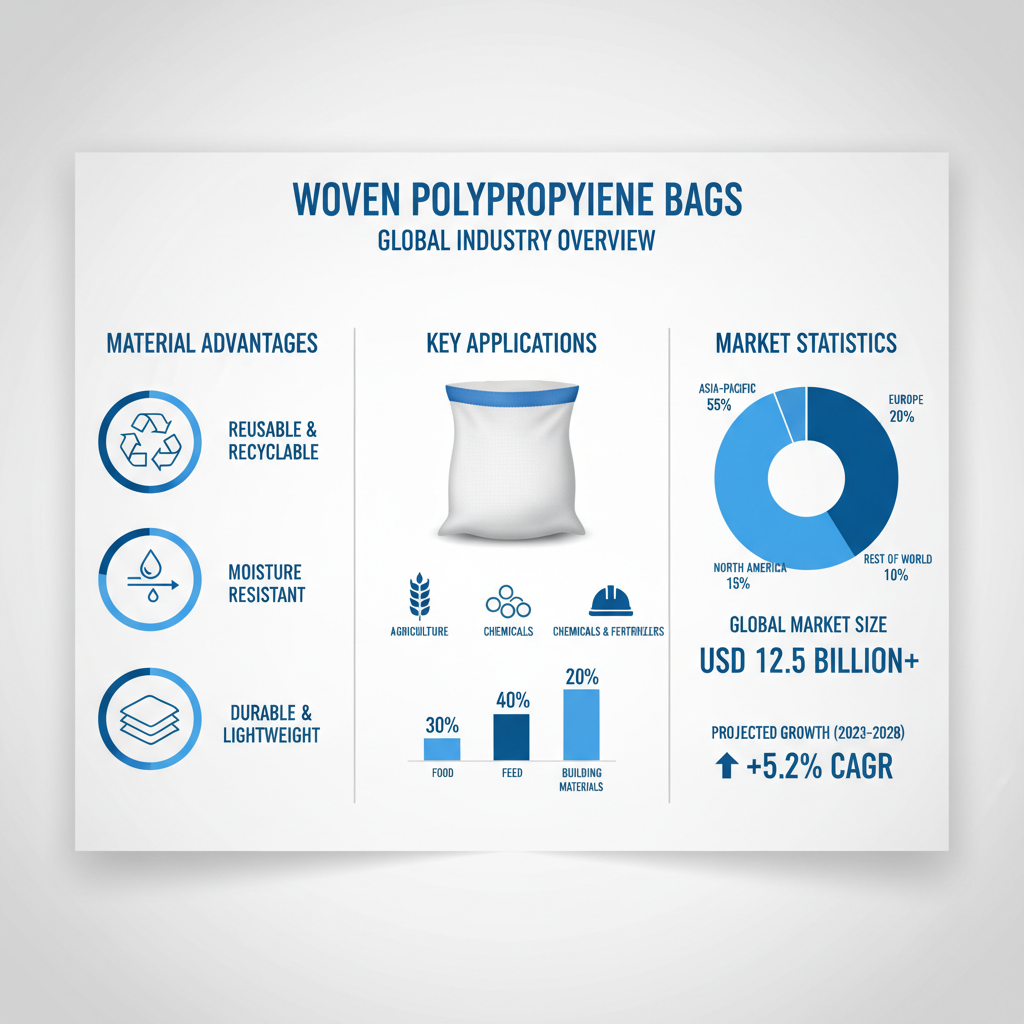
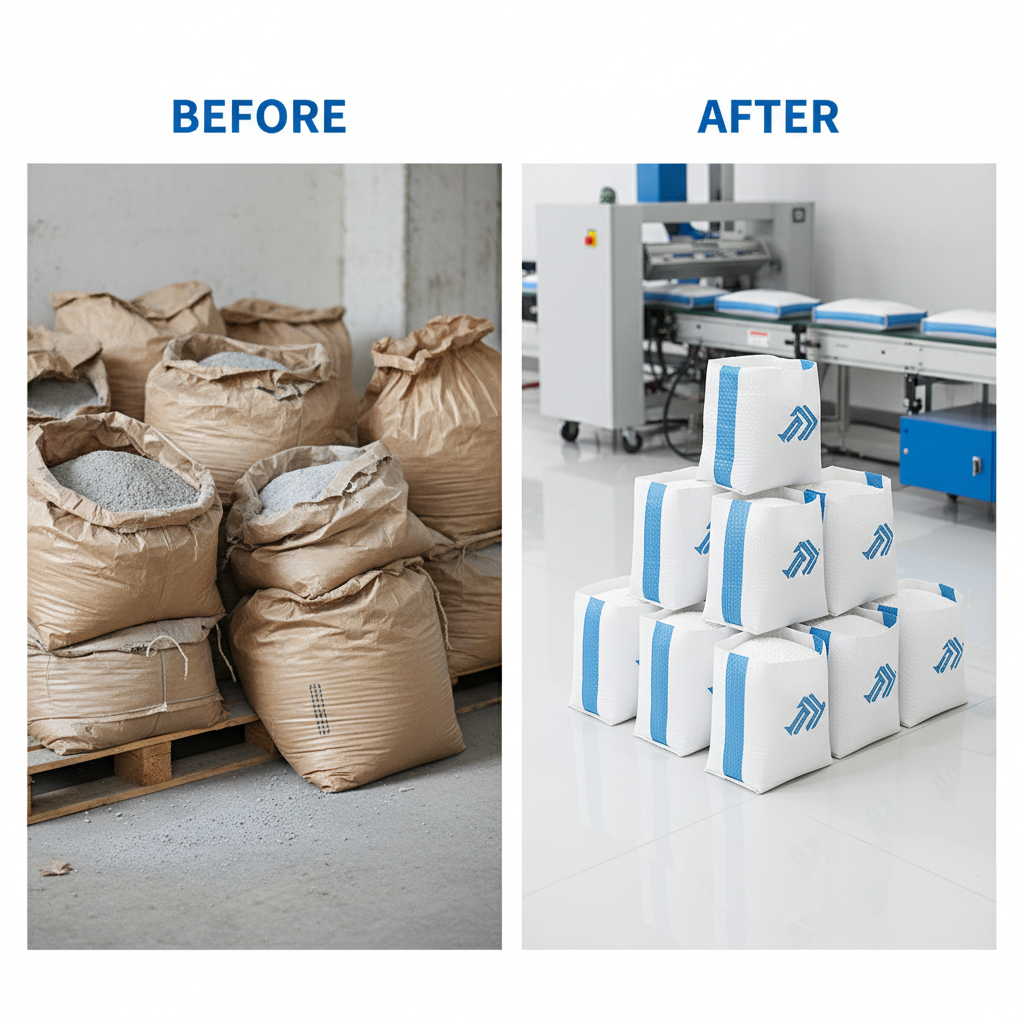
On a global scale, the demand for small woven polypropylene bags is driven by the critical need for secure, lightweight packaging in the agricultural and chemical sectors. According to industry benchmarks, the transition from traditional jute or paper bags to PP woven alternatives has led to a significant reduction in spoilage rates, as these synthetic materials offer superior resistance to mold, mildew, and mechanical stress.
Moreover, the scalability of these bags allows them to be integrated into automated filling lines, which is essential for meeting the high-volume demands of emerging markets. By providing a reliable means of transporting seeds, fertilizers, and resins, they support global food security and industrial growth, addressing the challenge of material degradation during long-haul maritime shipping.
Defining Small Woven Polypropylene Bags in Modern Logistics
In simple terms, small woven polypropylene bags are heavy-duty containers created by weaving polypropylene (PP) tapes in two directions—the warp and the weft. This cross-hatched structure creates a fabric that is incredibly strong yet flexible, allowing the bag to expand and contract based on the volume of the contents without compromising the integrity of the seams.
Beyond their physical structure, these bags represent a shift toward "engineered packaging." Unlike simple poly-bags, the woven nature of these containers allows for breathability (unless laminated), which is vital for products like grains or coffee beans that require a certain level of air exchange to prevent moisture buildup and fermentation.
In the context of humanitarian aid and disaster relief, these bags are often the gold standard for distributing food rations and medical supplies. Their ability to withstand extreme weather conditions and rough handling makes them a critical tool for NGOs and government agencies operating in remote or unstable environments where infrastructure is minimal.
Core Components Driving the Performance of PP Woven Packaging
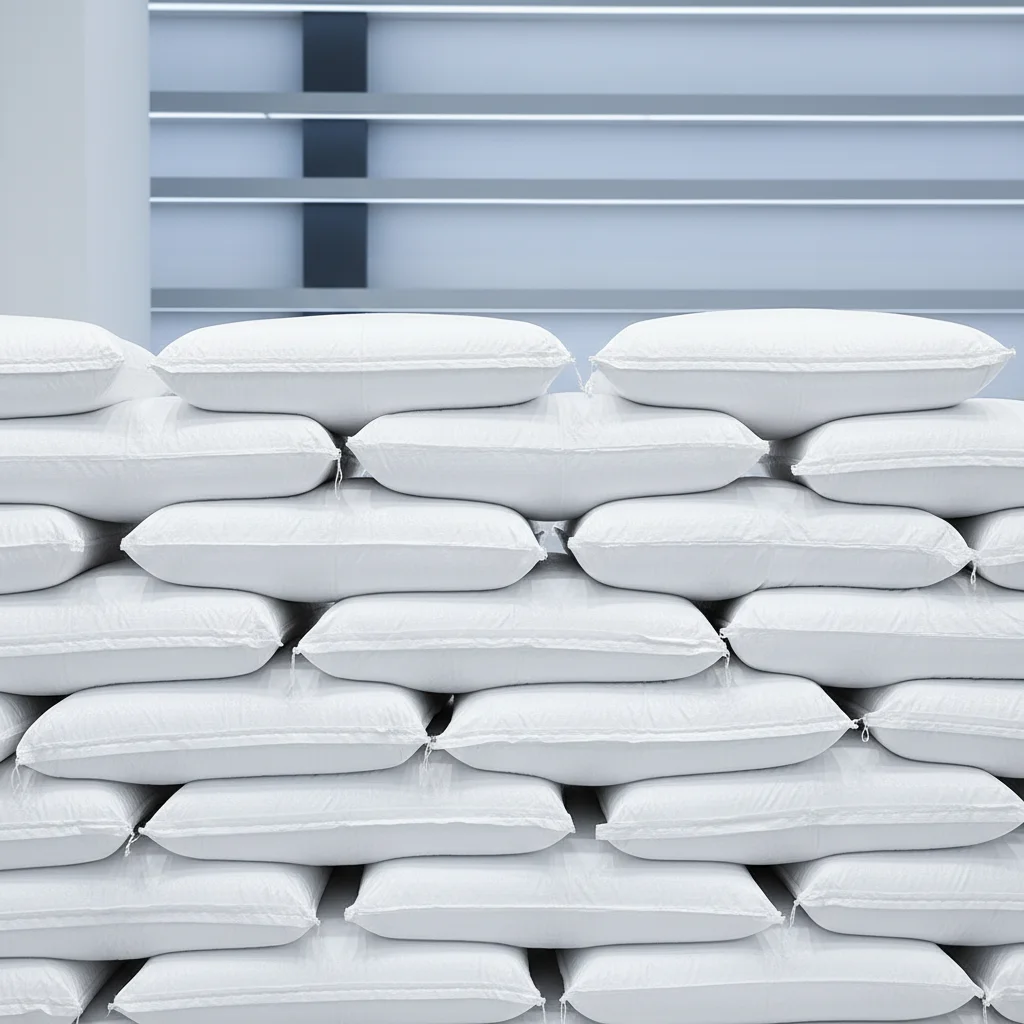
The durability of small woven polypropylene bags is primarily derived from the molecular structure of the polypropylene resin. The high crystallinity of PP provides the necessary tensile strength to carry loads that are many times the weight of the bag itself, ensuring that the packaging does not fail during vertical stacking in warehouses.
Another critical component is the UV stabilization process. Since polypropylene is naturally susceptible to degradation when exposed to sunlight, manufacturers integrate UV inhibitors during the extrusion process. This ensures that small woven polypropylene bags remain structurally sound even when stored in open-air fields or on sun-drenched loading docks.
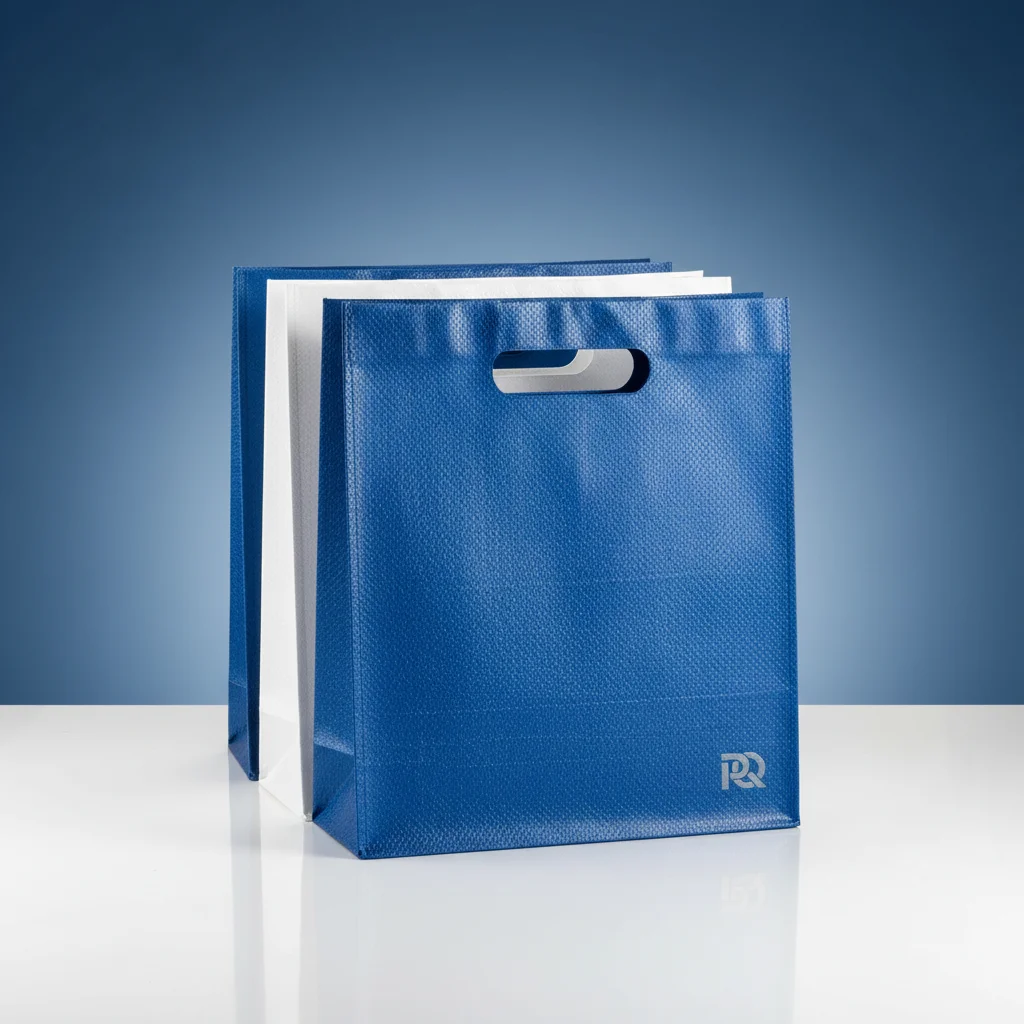
Finally, the versatility of these bags is enhanced through optional coatings. Lamination with a thin layer of PE (polyethylene) can transform a breathable woven bag into a moisture-proof barrier, while BOPP lamination allows for high-resolution photographic printing, turning the packaging into a powerful marketing tool for consumer-facing retail products.
Analyzing Cost-Efficiency and Durability Metrics
When evaluating the total cost of ownership, small woven polypropylene bags offer an unmatched ratio of strength-to-weight. This efficiency directly translates to lower shipping costs, as the packaging adds negligible weight to the gross cargo, allowing companies to maximize their payload capacity and reduce the carbon footprint per unit transported.
Furthermore, the longevity of these bags allows for potential reuse in closed-loop industrial systems, further driving down the per-use cost. By analyzing performance metrics such as burst strength and tear resistance, it becomes evident why PP woven materials outperform paper and LDPE alternatives in heavy-duty applications.
Comparative Performance Analysis of Small Woven Polypropylene Bags
Global Applications and Real-World Use Cases
In the agricultural heartlands of Southeast Asia and Sub-Saharan Africa, small woven polypropylene bags are the primary vessel for transporting rice, maize, and legumes from small-scale farms to urban markets. Their ability to withstand the abrasive nature of grains while remaining lightweight ensures that farmers can transport their yields with minimal risk of bag failure.
In the industrial sector, these bags are widely used for the distribution of specialty polymers, calcium carbonate, and various mineral ores. For example, in the construction industry, small-format PP bags are used to package high-performance grout and additives, providing a professional, leak-proof solution that maintains product purity from the factory to the job site.
Long-Term Value and Sustainable Advantages
The long-term value of investing in high-quality small woven polypropylene bags extends beyond mere cost savings. There is a profound logical and emotional angle to this: the safety and dignity of the end-user. In humanitarian contexts, a bag that does not break ensures that food reaches the hungry without contamination, fostering trust between the aid provider and the recipient.
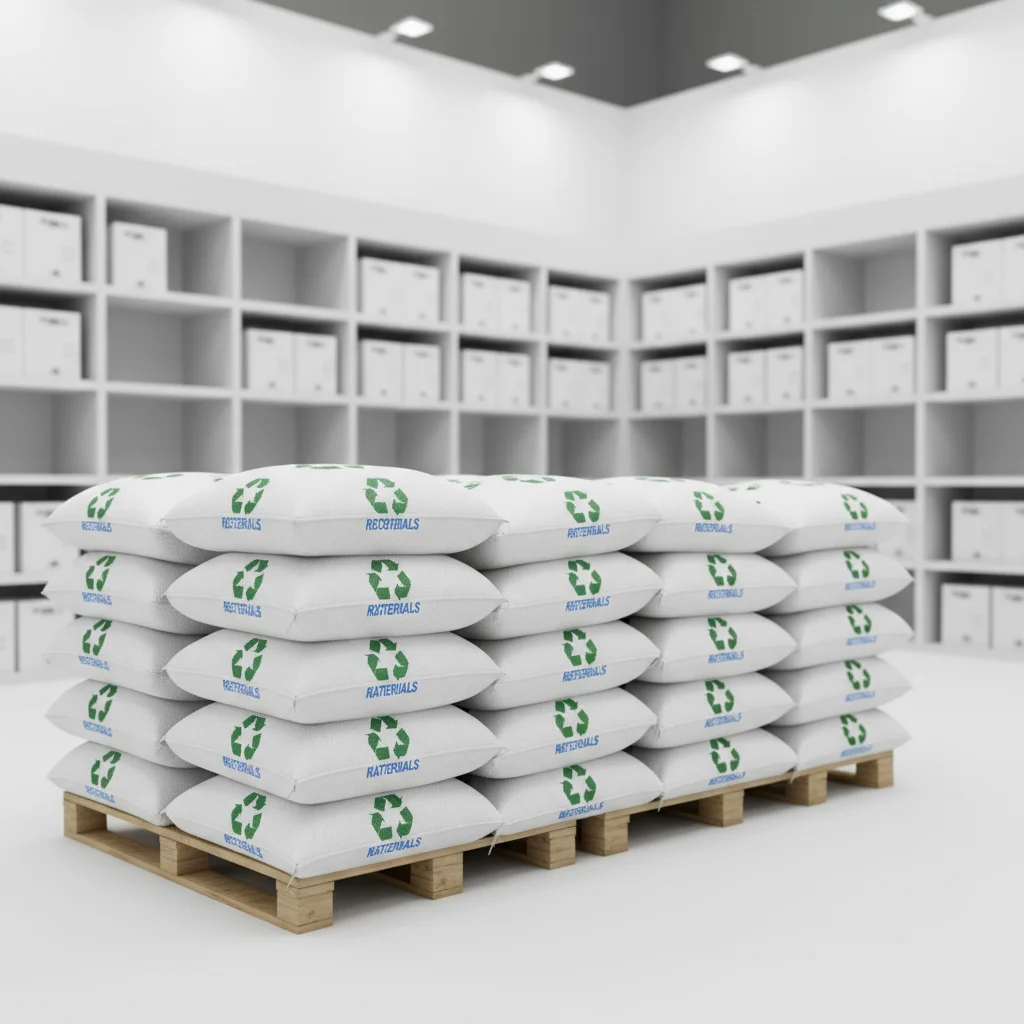
From a sustainability perspective, the shift toward recyclable polypropylene is a significant step forward. Unlike single-use thin plastics, woven bags are robust enough to be reused multiple times. Furthermore, modern recycling facilities are increasingly capable of processing PP waste into recycled pellets, which can then be repurposed into industrial pallets or automotive parts.
Innovation in the manufacturing process has also led to a reduction in raw material waste. By optimizing the weave density, manufacturers can create bags that are lighter yet stronger, reducing the overall plastic consumption per million units produced without sacrificing the reliability of the packaging.
Future Trends and Technical Innovations in PP Weaving
The future of small woven polypropylene bags is being shaped by the integration of "smart packaging" and bio-based polymers. We are seeing the emergence of bags embedded with RFID tags or QR codes, allowing for real-time inventory tracking and provenance verification in the global supply chain, which is particularly critical for organic certifications.
Moreover, the industry is exploring the blend of polypropylene with biodegradable additives. These innovations aim to maintain the incredible strength of the woven structure while allowing the material to break down more efficiently in landfill environments, aligning the industry with the UN's Sustainable Development Goals regarding plastic pollution.
Automation is also transforming production. High-speed circular looms and robotic sewing stations are increasing precision, ensuring that every bag meets exact dimensional tolerances. This reduces leakage and failure rates, providing an even higher level of reliability for high-value chemical products.
Technical Specification Analysis for Various Small Woven Polypropylene Bag Types
| Bag Variant |
Tensile Strength |
Moisture Resistance |
Typical Application |
| Standard Woven |
High |
Low (Breathable) |
Grain & Feed |
| PE Laminated |
Very High |
High |
Chemical Powders |
| BOPP Laminated |
High |
Very High |
Retail Pet Food |
| UV Stabilized |
Medium-High |
Medium |
Outdoor Storage |
| Anti-Static PP |
High |
Medium |
Combustible Powders |
| Valve Bottom |
Very High |
High |
Cement & Plaster |
FAQS
Unlike paper, woven polypropylene is tear-resistant, waterproof, and highly durable. While paper bags can easily rip when exposed to moisture or heavy loads, small woven polypropylene bags maintain their structural integrity under extreme stress and environmental conditions, making them a safer choice for heavy industrial materials.
Yes, through BOPP (Biaxially Oriented Polypropylene) lamination, these bags can be printed with high-definition graphics and vibrant colors. This allows brands to maintain a professional image while benefiting from the strength of woven fabric, effectively combining marketing appeal with industrial-grade durability.
The choice depends on the product's breathability needs. Non-laminated small woven polypropylene bags are ideal for grains and seeds that need air circulation. Laminated bags are essential for fine powders or chemicals that must be protected from moisture or prevented from leaking through the weave.
Polypropylene is a recyclable thermoplastic. While it is a plastic, the durability of woven bags allows for multiple re-uses, reducing the overall volume of waste. When disposed of correctly, they can be recycled into various plastic products, and current industry trends are moving toward bio-based PP additives to improve degradability.
While "small" varies by industry, typically these bags range from 5kg to 25kg. Due to the high tensile strength of the PP weave, even a small bag can safely handle loads that would cause traditional plastic bags to stretch or burst, provided the seams are professionally stitched.
UV stabilization involves adding chemical inhibitors (like HALS) into the polymer melt during the extrusion of the PP tapes. These additives absorb or neutralize the harmful UV radiation from the sun, preventing the plastic chains from breaking and ensuring the bag doesn't become brittle or "flake" when stored outdoors.
Conclusion
In summary, small woven polypropylene bags represent an optimal intersection of material science and logistical practicality. By combining high tensile strength, customizable barriers, and cost-effectiveness, they provide an essential solution for the secure transport of everything from life-saving food aid to high-value industrial chemicals. The ability to scale these bags—from simple woven fabric to complex BOPP laminations—ensures that they remain relevant across a diverse spectrum of global industries.
As we look toward the future, the integration of sustainable materials and smart tracking will only enhance the value proposition of PP woven packaging. For businesses seeking to optimize their supply chain, investing in high-quality, UV-stabilized, and appropriately laminated bags is not just a procurement decision, but a strategic move toward operational reliability and environmental responsibility. Visit our website: www.ssjtpack.com