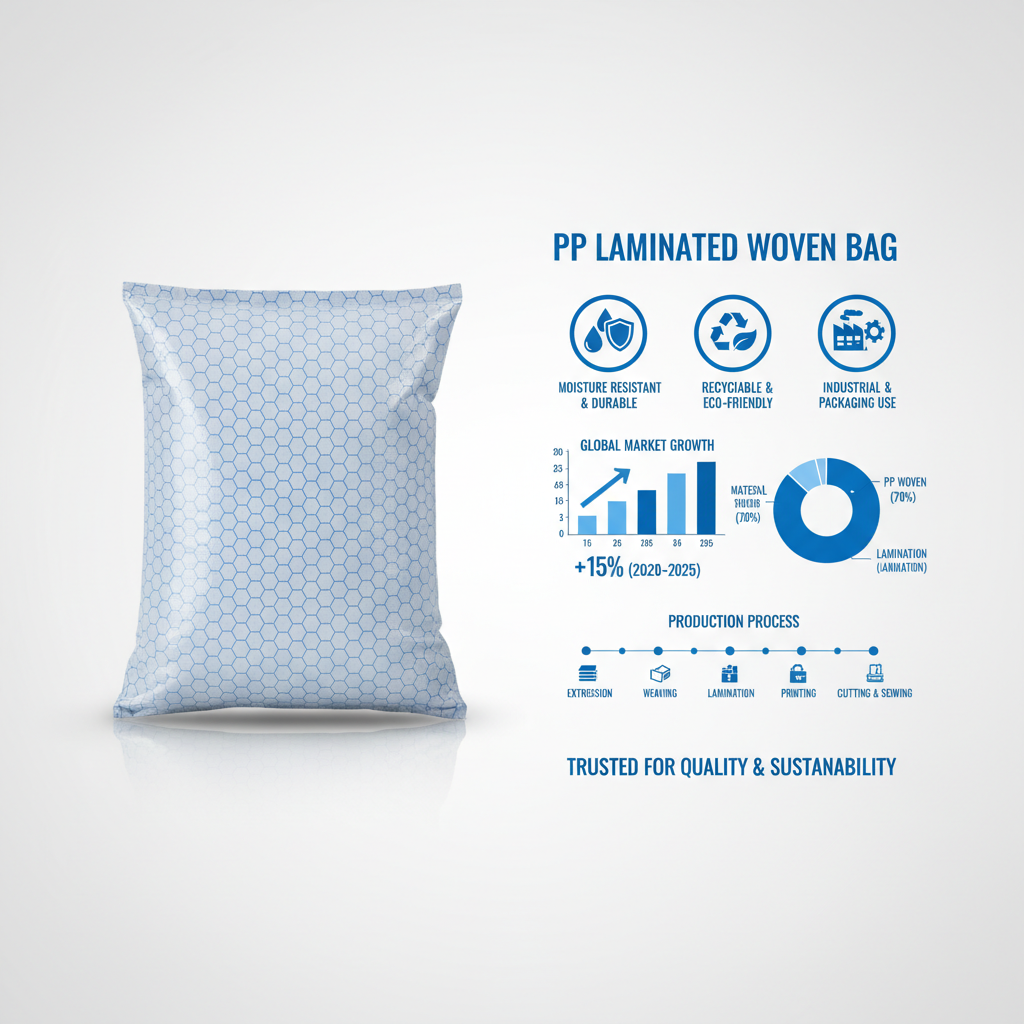
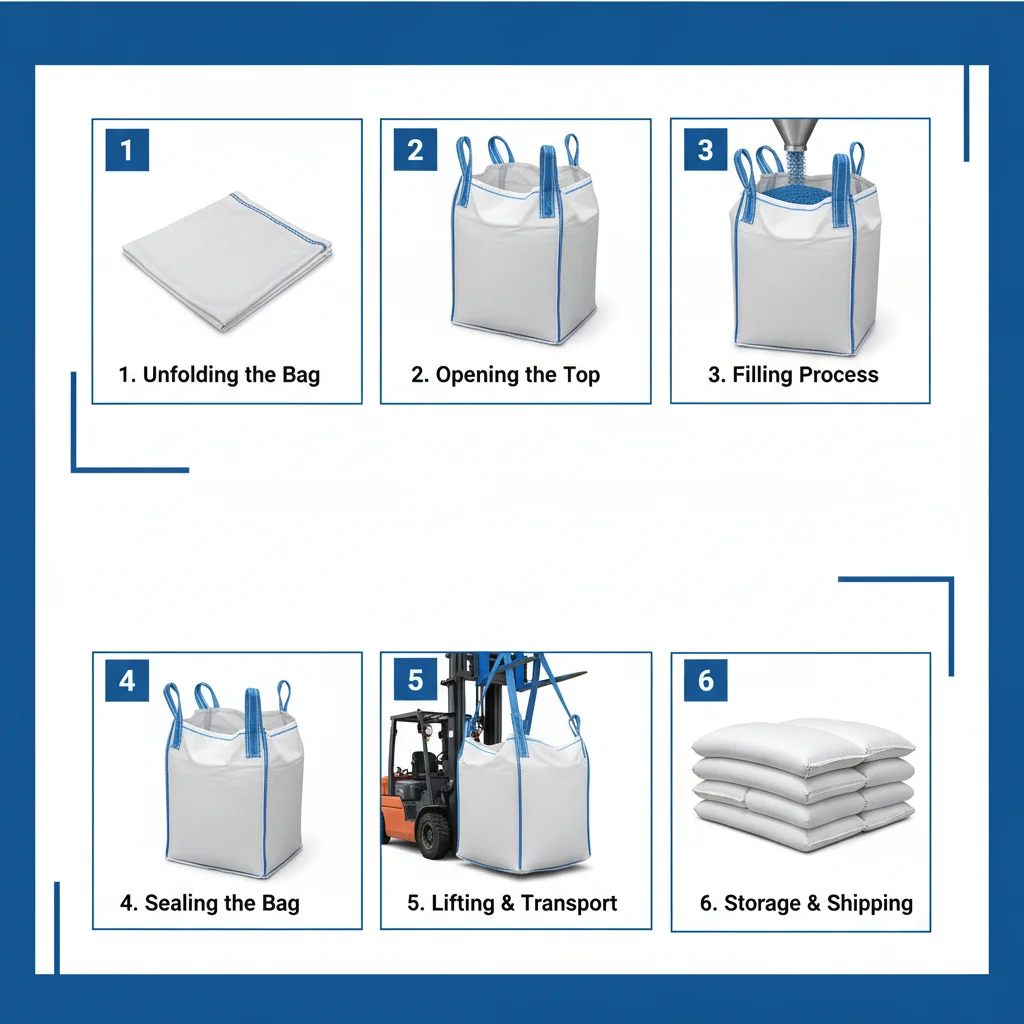
In the modern logistics and packaging landscape, the pp laminated woven bag has emerged as a cornerstone for transporting granular and powdered materials across the globe. These specialized containers combine the inherent tensile strength of woven polypropylene with a protective laminated layer, ensuring that contents remain dry and uncontaminated during long-haul transit. Understanding the technical nuances of these bags is essential for procurement managers and industrial engineers seeking to optimize supply chain efficiency.
The global shift toward high-performance packaging is driven by the need to reduce product loss and enhance safety standards. By integrating a moisture-resistant barrier, the pp laminated woven bag addresses the critical challenge of hygroscopic material degradation, which can cost the chemical and agricultural industries millions in wasted inventory annually. This evolution in material science allows for a seamless transition from production lines to end-users, regardless of climatic extremes.
Whether utilized for fertilizers, resins, or food-grade minerals, the adoption of a pp laminated woven bag provides a strategic advantage in terms of durability and branding. The lamination process not only seals the fabric but also offers a smooth surface for high-fidelity printing, transforming a simple shipping vessel into a powerful marketing tool. As industries push for more sustainable yet robust solutions, these bags continue to set the benchmark for industrial reliability.
The Structural Engineering of PP Laminated Woven Bags
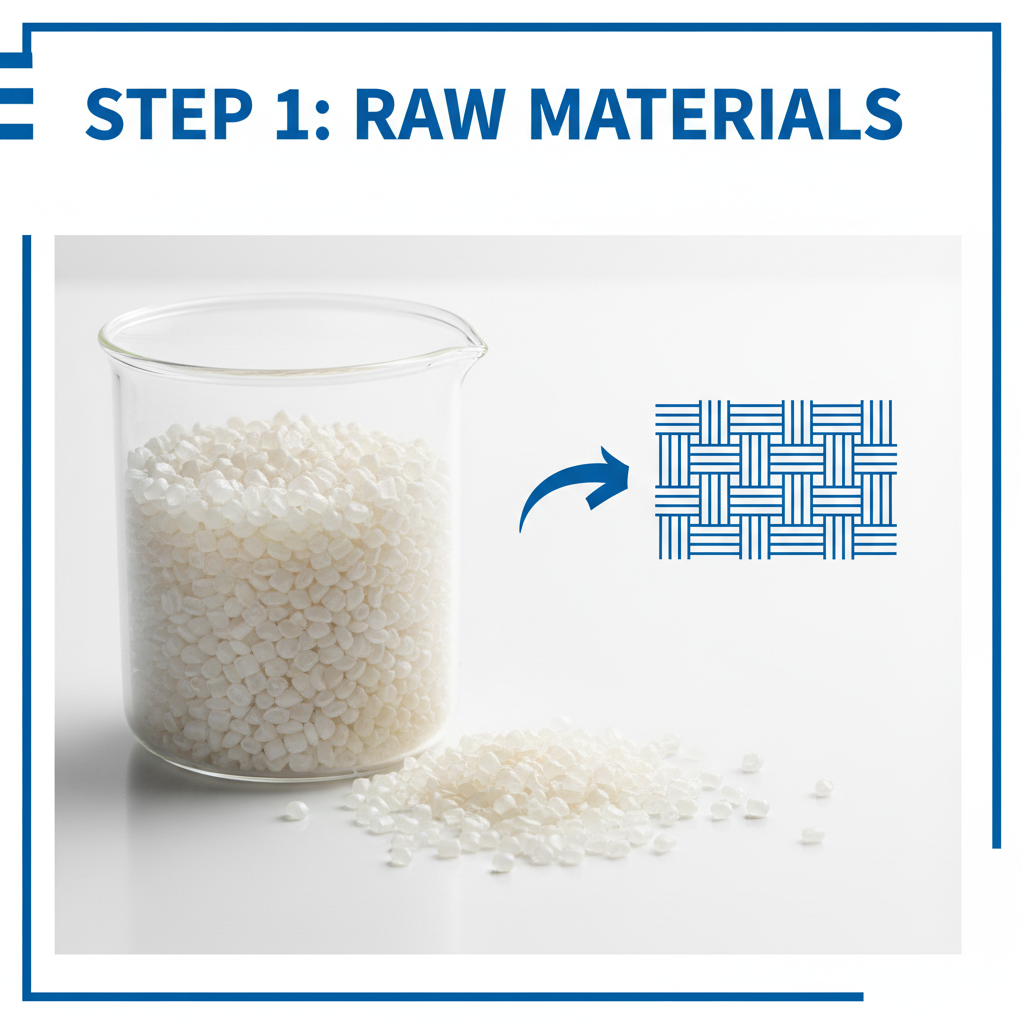
At its core, a pp laminated woven bag is a masterpiece of polymer engineering. The process begins with the extrusion of polypropylene resin into thin tapes, which are then woven into a high-strength fabric. This weaving provides the primary structural integrity, ensuring the bag can withstand immense vertical pressure and resist punctures during mechanical handling.
The "laminated" aspect refers to the application of a thin polypropylene film to the woven base. This layer acts as a waterproof shield, sealing the interstices of the weave. This critical addition prevents fine powders from leaking out (sifting) and prevents external moisture from seeping in, making the pp laminated woven bag far superior to standard unlaminated bags in humid environments.
Global Industry Standards and Demand Drivers
The global demand for pp laminated woven bag solutions is closely tied to the growth of the agricultural and chemical sectors. According to international shipping data and ISO standards for flexible packaging, the transition toward laminated materials has increased by nearly 20% in emerging markets over the last decade. This is primarily due to the need for more reliable containment of fertilizers and seeds which are highly sensitive to environmental moisture.
One of the primary challenges facing the industry is the "last mile" of delivery in developing regions, where infrastructure may be lacking and bags are subjected to harsh dragging and stacking. The pp laminated woven bag solves this by providing a low-friction exterior and high tear resistance, reducing the risk of catastrophic bag failure during transit.
Furthermore, the rise of global trade has necessitated packaging that meets stringent regulatory requirements. Laminated bags provide a cleaner, more hygienic barrier that prevents cross-contamination, aligning with Global GAP (Good Agricultural Practices) and other food safety certifications. This makes them the preferred choice for exporters shipping bulk goods across oceans.
Technical Specifications for Moisture Protection
When selecting a pp laminated woven bag, the thickness of the lamination film—usually measured in microns—is the most critical specification. A higher micron count directly correlates with a lower Water Vapor Transmission Rate (WVTR), which is essential for products like PVC resin or specialized chemicals that clump when exposed to air.
The integration of a pp laminated woven bag allows manufacturers to customize the barrier properties. For instance, BOPP (Biaxially Oriented Polypropylene) lamination can be added to provide not only superior moisture protection but also an optically clear, high-gloss finish that enhances the visual appeal of the product on retail shelves.
Moreover, the bond strength between the woven fabric and the laminate is a key quality indicator. A high-quality pp laminated woven bag ensures that the laminate does not peel or delaminate under stress, maintaining the integrity of the moisture barrier even when the bag is subjected to extreme temperature fluctuations in shipping containers.
Comparative Performance Analysis of Bag Types
Comparing different packaging methods reveals why the pp laminated woven bag often outperforms traditional paper or unlaminated plastic options. While paper bags are biodegradable, they fail instantly upon contact with water; conversely, the laminated PP bag maintains its structural integrity in torrential rain, making it indispensable for outdoor storage.
From a cost-to-performance ratio, the investment in lamination pays for itself by reducing the need for secondary outer wrapping (such as shrink-wrap) during palletization. This efficiency streamlines the packing process and reduces the overall carbon footprint associated with excessive plastic use.
Performance Metrics of PP Laminated Woven Bag Variations
Versatile Applications Across Industrial Sectors
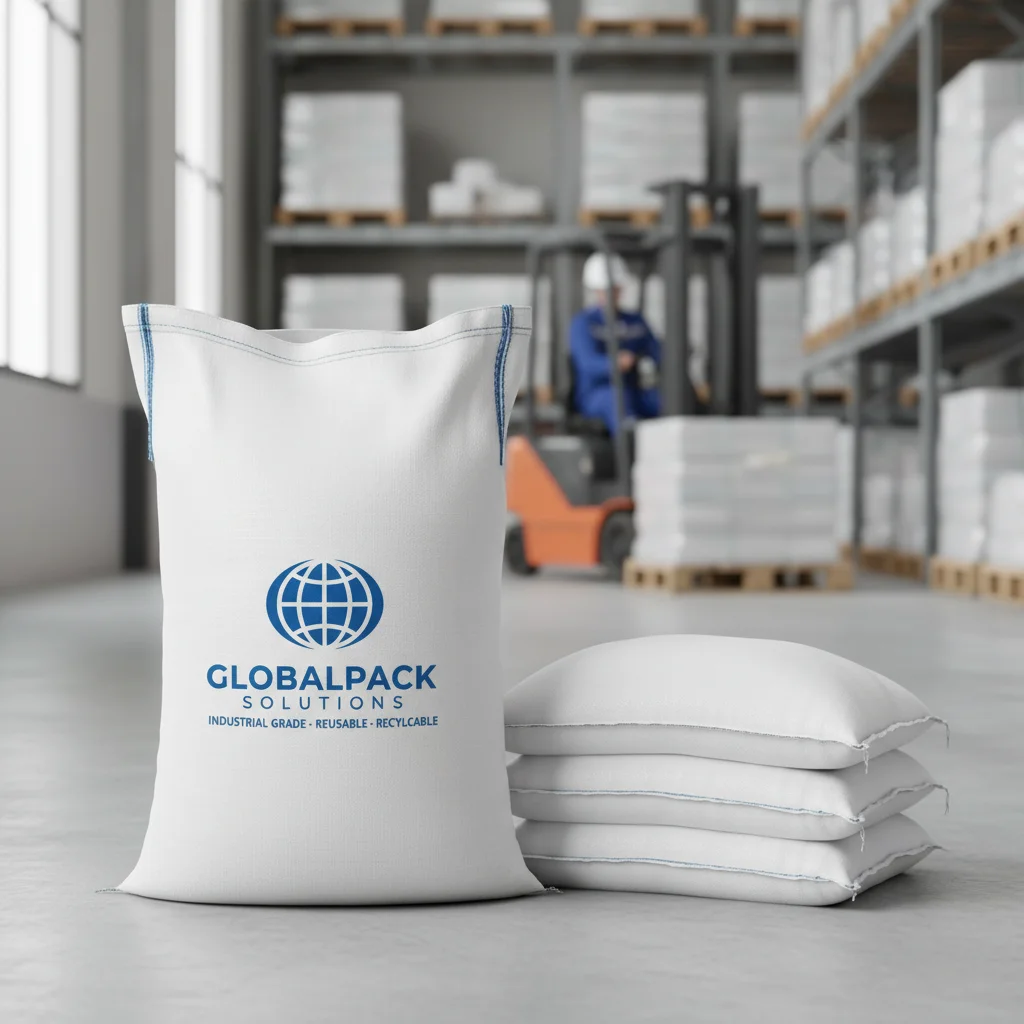
The versatility of the pp laminated woven bag is evident in its widespread use across diverse industries. In the agricultural sector, they are used to package rice, flour, and animal feed, where the lamination prevents the ingress of pests and moisture. In the construction industry, they are the gold standard for transporting cement and lime, ensuring that the product does not harden prematurely due to humidity.
Beyond traditional bulk goods, these bags are increasingly used in chemical processing for the storage of polymer granules and specialty resins. In these high-stakes environments, a breach in packaging can lead to significant financial loss and environmental hazards; hence, the reinforced nature of the pp laminated woven bag provides the necessary peace of mind for logistics managers.
Long-term Value and Cost-Efficiency Gains
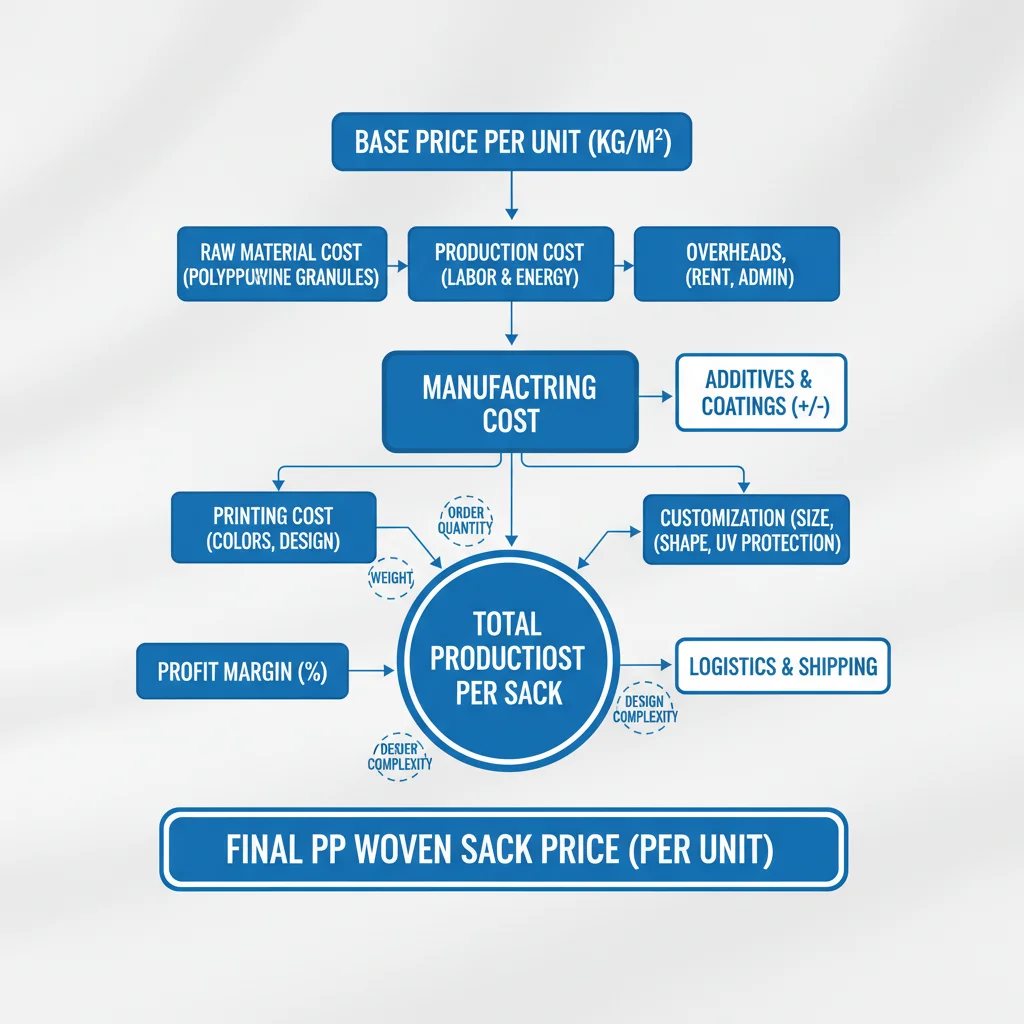
When calculating the Total Cost of Ownership (TCO) for packaging, many companies make the mistake of looking only at the per-unit price. However, the pp laminated woven bag offers superior long-term value by drastically reducing the rate of product spoilage and leakage. A slightly higher initial cost is offset by the elimination of expensive replacement shipments and claims for damaged goods.
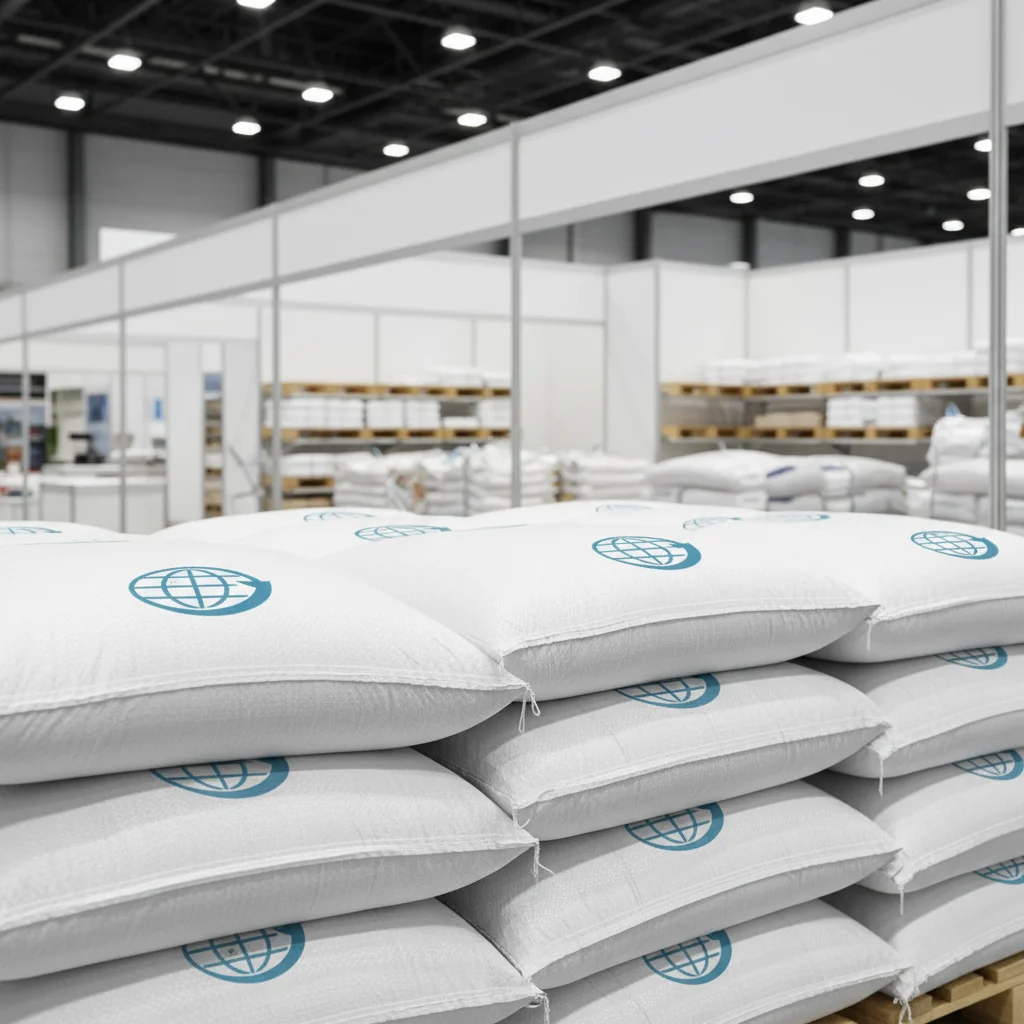
Moreover, the durability of these bags allows for potential reuse in certain internal warehouse operations, further driving down the cost per use. The ability to stack these bags high without fear of bursting allows companies to optimize their warehouse vertical space, leading to lower overhead costs for storage.
From a branding perspective, the high-quality printability of the lamination layer means that companies can eliminate the need for separate adhesive labels. By printing brand identity and barcodes directly onto the pp laminated woven bag, businesses reduce labor costs and ensure that branding remains intact throughout the entire shipping journey.
Future Innovations in Sustainable Lamination
The future of the pp laminated woven bag is moving toward circularity and sustainability. The industry is currently exploring biodegradable lamination films and recycled polypropylene (rPP) to reduce the dependence on virgin plastics. These innovations aim to maintain the high-performance barrier properties while significantly lowering the environmental impact.
Digital transformation is also playing a role, with the integration of RFID tags and QR codes embedded within the lamination layer. This allows for real-time tracking of shipments and provides end-users with instant access to product authenticity and handling instructions, turning the pp laminated woven bag into a "smart" packaging solution.
Additionally, the development of UV-resistant additives in the lamination process is extending the outdoor lifespan of these bags. This is particularly critical for the construction and mining sectors, where bags may be stored in direct sunlight for weeks. The following table summarizes the current evolution of these packaging technologies.
Evolution and Technical Comparison of PP Laminated Woven Bag Technologies
|
Technology Generation
|
Barrier Efficiency
|
Sustainability Score
|
Primary Market
|
| Standard PP Laminated |
Moderate |
4/10 |
General Agriculture |
| BOPP Enhanced |
High |
5/10 |
Retail Food/Chemicals |
| UV-Stabilized |
Moderate-High |
6/10 |
Construction/Mining |
| rPP (Recycled) Laminated |
Moderate |
8/10 |
Eco-conscious Brands |
| Biodegradable Composite |
Moderate |
9/10 |
Organic Fertilizers |
| Smart-Laminated (RFID) |
High |
7/10 |
High-Value Industrial |
FAQS
The primary difference lies in the added thin film of polypropylene that is bonded to the woven fabric. While a regular woven bag has small gaps between the threads that allow moisture and fine particles to pass through, a pp laminated woven bag is sealed. This creates an airtight and watertight barrier, making it ideal for powders and materials that must remain dry, while also providing a superior surface for high-quality printing.
The lifespan depends on whether the bag is UV-stabilized. Standard pp laminated woven bags may degrade under prolonged exposure to intense sunlight. However, bags treated with UV inhibitors can withstand outdoor conditions for several months without losing structural integrity. For long-term outdoor storage, we always recommend UV-stabilized versions to prevent the polymer chains from breaking down.
Yes, polypropylene is a thermoplastic, meaning it can be melted down and repurposed. While the lamination process makes it slightly more complex than simple PP, most industrial recycling facilities can process these bags. We are currently seeing a rise in "circular" packaging where old bags are collected, pelletized, and turned into new industrial containers, reducing overall plastic waste.
Absolutely. In fact, lamination is the preferred choice for companies that require high-end branding. Because the lamination creates a smooth, non-porous surface, it allows for BOPP printing, which produces vivid colors, sharp images, and a professional gloss or matte finish. This is far superior to the ink-bleeding often seen on unlaminated woven fabrics.
Industries dealing with hygroscopic materials benefit the most. This includes agriculture (seeds, fertilizers), chemicals (resins, polymers), and construction (cement, gypsum). Any product that clumps, degrades, or leaks fine powder when exposed to humidity requires the protective barrier provided by a pp laminated woven bag to ensure product quality upon arrival.
Choice depends on the product's sensitivity to moisture and the expected transit time. For short-term domestic transport, a standard lamination is sufficient. For international shipping through humid tropical zones, a higher micron lamination or BOPP layer is recommended. We suggest conducting a "leak test" and "moisture absorption test" with samples to determine the optimal thickness for your specific material.
Conclusion
The pp laminated woven bag represents the ideal intersection of strength and protection in the industrial packaging world. By combining the mechanical durability of woven polypropylene with the impervious nature of lamination, these bags solve the age-old problem of material degradation during transit. From enhancing brand visibility via BOPP printing to safeguarding critical chemical assets, the value proposition is clear: reduced waste, increased reliability, and optimized logistics costs.
Looking forward, the industry is poised for a green revolution, with rPP and biodegradable films set to redefine sustainability in bulk packaging. For businesses aiming to scale their operations while maintaining a commitment to quality and environmental responsibility, investing in high-spec laminated solutions is no longer optional—it is a strategic necessity. We invite you to explore our full range of high-performance packaging solutions. Visit our website: www.ssjtpack.com