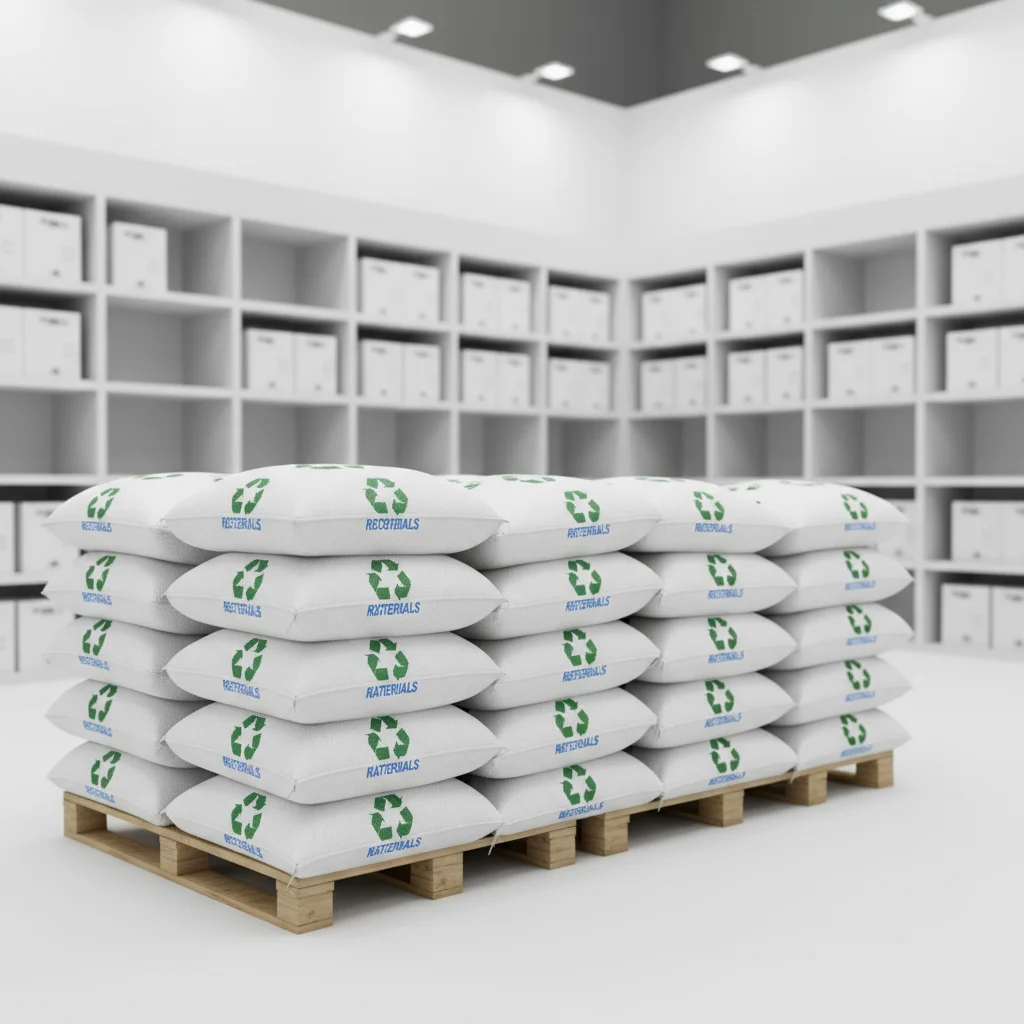
The global demand for efficient and reliable packaging solutions is ever-increasing, and pp liner bags have emerged as a cornerstone in various industries. These bags, crafted from polypropylene, offer a versatile, durable, and cost-effective solution for a multitude of applications, ranging from agricultural product transport to industrial packaging and even disaster relief. Understanding the nuances of pp liner bag technology is crucial for businesses and organizations seeking optimized supply chains and secure product containment.
The significance of pp liner bag extends beyond mere containment; it plays a vital role in preserving product integrity, reducing waste, and streamlining logistical operations. With growing concerns regarding environmental sustainability, the adaptability of polypropylene to recycling and innovative material science are making pp liner bag an increasingly attractive option compared to traditional packaging materials. The use of pp liner bag has become integral to modern global trade and humanitarian efforts.
Furthermore, the flexibility of pp liner bag allows for customization based on specific requirements – from size and thickness to printing and lamination options. This adaptability, coupled with its inherent strength and moisture resistance, makes pp liner bag an ideal choice for a wide spectrum of goods, bolstering their protection throughout the supply chain and reducing damage during transit.
Introduction to pp liner bag
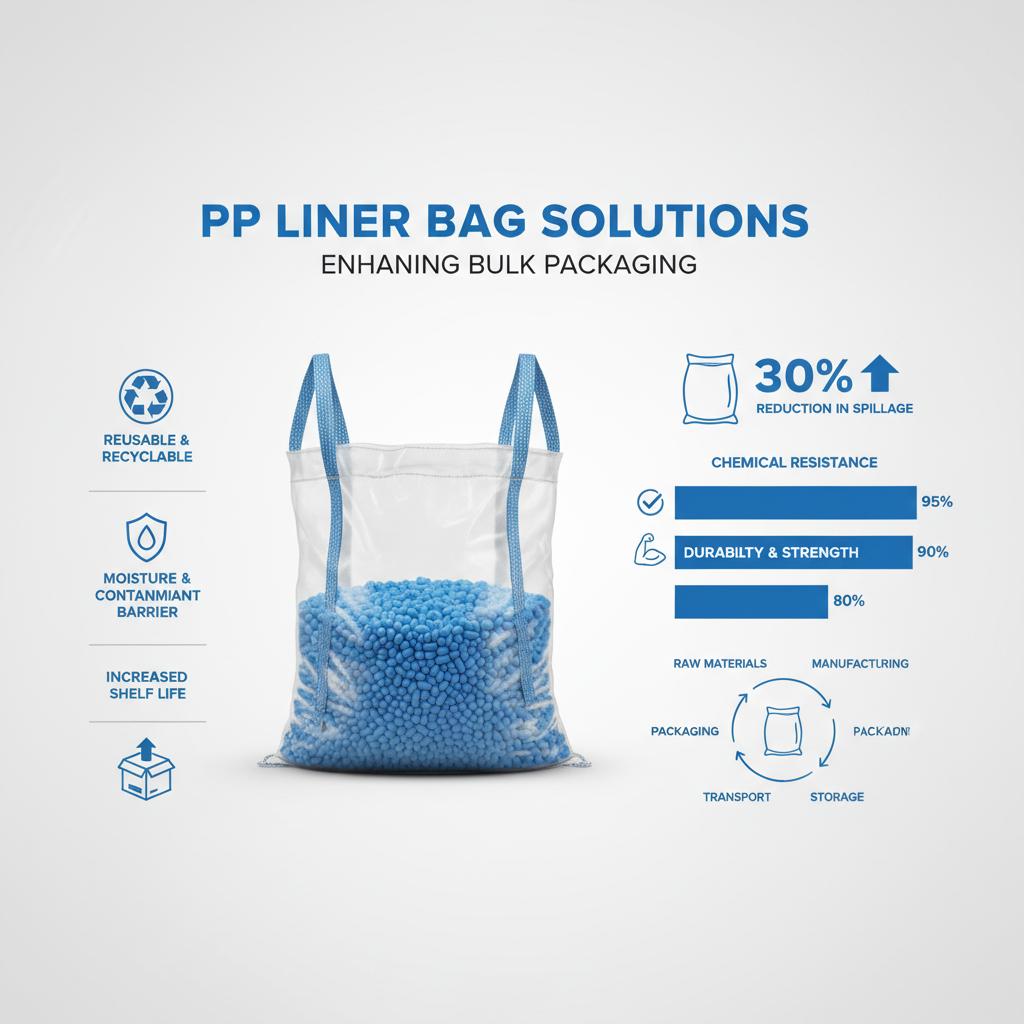
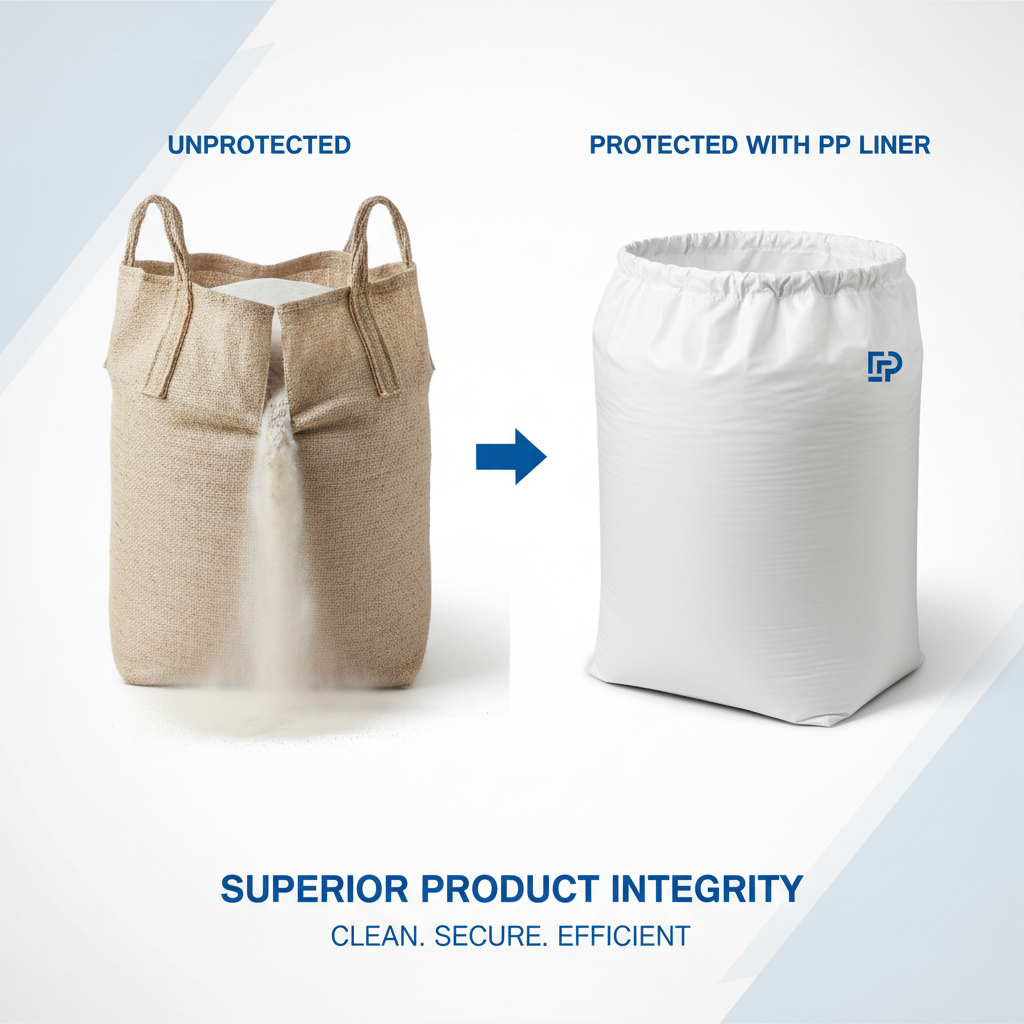
The term pp liner bag refers to flexible packaging solutions constructed from polypropylene (PP) plastic, often used as an inner lining within larger containers like FIBCs (Flexible Intermediate Bulk Containers), paper bags, or cardboard boxes. These liners are vital for protecting the enclosed product from moisture, contamination, and physical damage.
The utility of pp liner bag stems from polypropylene’s inherent properties: its high tensile strength, chemical resistance, and relatively low cost. This makes it a preferred choice across numerous sectors, including food processing, pharmaceuticals, agriculture, and industrial manufacturing. Their lightweight nature also contributes to lower shipping costs, making them an economically viable packaging option.
Global Relevance and Industry Context
The global packaging industry is a multi-billion-dollar market, with a significant portion dedicated to flexible packaging like pp liner bags. According to a report by Smithers Pira, the global flexible packaging market was valued at over $237 billion in 2022 and is projected to reach $287 billion by 2027. This growth is fueled by increasing demand from emerging economies and a shift towards more sustainable packaging solutions.
The widespread use of pp liner bags is also driven by the need to reduce food waste and extend the shelf life of perishable goods. The UN’s Food and Agriculture Organization (FAO) estimates that roughly one-third of all food produced globally is lost or wasted, and improved packaging solutions play a crucial role in mitigating this issue. In this context, the moisture barrier properties of pp liner bag are particularly valuable.
A key challenge facing the industry is the increasing focus on plastic waste. While polypropylene is recyclable, the recycling infrastructure varies significantly across the globe. This has led to increased research and development efforts focused on bio-based polypropylene and improved recycling technologies for pp liner bag and other polypropylene products.
Defining the pp liner bag
A pp liner bag is essentially a protective barrier made from polypropylene film, designed to be placed inside a larger container. They are not intended for direct consumer contact in most applications, but rather serve to safeguard the contents from external elements during storage and transportation. They are often custom-made to fit the specific dimensions of the container they are intended for.
The connection to modern industry is profound. Global supply chains rely heavily on efficient and safe packaging to move goods across vast distances. pp liner bags provide that safety and efficiency, enabling the seamless transport of essential commodities like grains, powders, fertilizers, and industrial chemicals. Without reliable liners, the risk of spoilage, contamination, and loss would be significantly higher.
In humanitarian contexts, pp liner bags are essential for delivering food aid, medical supplies, and other critical resources to disaster-stricken areas. Their durability and moisture resistance are vital for protecting these goods during challenging logistical operations. The ability to customize liners for specific cargo types is also invaluable in these scenarios.
Core Components of pp liner bag
pp liner bags aren't simply a single sheet of plastic. Several factors contribute to their effectiveness. Material Grade is key, with options ranging from standard polypropylene to specialized grades offering increased strength, clarity, or barrier properties. Thickness, measured in microns, dictates the bag's resistance to tearing and puncture.
Sealing Type is another crucial aspect. Heat sealing is the most common method, creating a strong, airtight bond. Other options include ultrasonic welding. Lamination, often using polyethylene (PE), enhances the bag's moisture barrier and strength. Finally, Printing allows for branding, product information, and handling instructions to be clearly displayed on the liner.
pp liner bag Performance Metrics
Real-World Applications
The applications of pp liner bag are incredibly diverse. In the agricultural sector, they are used extensively to package and protect grains, seeds, and fertilizers, preserving their quality during storage and transport. In the food industry, they line boxes containing powdered products, preventing moisture ingress and maintaining freshness.
In post-disaster relief operations, pp liner bags are often used to package emergency food supplies, ensuring they remain safe and hygienic for distribution to affected populations. In remote industrial zones, they provide a reliable and cost-effective solution for packaging and transporting raw materials and finished goods.
Advantages and Long-Term Value
The tangible benefits of using pp liner bags are numerous. Cost efficiency is a primary driver, as polypropylene is a relatively inexpensive material. Sustainability is improving with the development of recyclable and bio-based PP options. Reliability is assured through the material’s inherent strength and moisture resistance.
Beyond the practical aspects, pp liner bags contribute to safety by preventing contamination and ensuring product integrity. They enhance brand reputation by protecting goods during transport, minimizing damage and returns. This ultimately builds trust with consumers and stakeholders.
Future Trends and Innovations
The future of pp liner bags is intertwined with advancements in materials science and sustainable packaging technologies. Research is underway to develop bio-based polypropylene derived from renewable resources, reducing reliance on fossil fuels. Digital printing technologies are enabling more sophisticated and customized liner designs.
The integration of smart packaging solutions, such as RFID tags and QR codes, is also gaining traction, allowing for real-time tracking and monitoring of goods throughout the supply chain. These technologies will enhance transparency and improve inventory management. Automation in liner manufacturing is streamlining production processes and reducing costs.
Challenges and Solutions
A significant challenge remains the recyclability of polypropylene. Despite being technically recyclable, the collection and processing infrastructure is not yet fully developed in many regions. Solutions involve investing in improved recycling facilities, promoting consumer awareness, and developing closed-loop systems where polypropylene is recovered and reused.
Another challenge is the potential for microplastic pollution. Research is focused on developing biodegradable additives that can accelerate the breakdown of polypropylene in the environment. Optimizing liner design to minimize material usage is also crucial.
Furthermore, achieving consistent liner performance across different climates and storage conditions requires careful material selection and quality control. Collaboration between liner manufacturers, container producers, and end-users is essential to address these challenges and ensure optimal performance.
Summary of pp liner bag Performance and Applications
| Application Area |
Required Liner Thickness (Microns) |
Typical Material Composition |
Performance Characteristics |
| Food Powder Packaging |
50-80 |
100% PP, with PE lamination |
High moisture barrier, excellent sealability |
| Fertilizer Packaging |
80-120 |
PP with UV inhibitors |
High tensile strength, UV resistance |
| Grain Storage Liners |
60-90 |
PP with anti-static additives |
Breathable, anti-static properties |
| Pharmaceutical Ingredient Liners |
70-100 |
Food-grade PP |
High purity, chemical resistance |
| Industrial Chemical Liners |
100-150 |
PP with specialized chemical barrier |
Excellent chemical resistance, durable |
| Disaster Relief Food Packaging |
70-90 |
PP with moisture barrier |
Moisture resistant, lightweight |
FAQS
The lifespan of a pp liner bag varies depending on its thickness, the quality of the polypropylene used, and the conditions of its use. Generally, a well-maintained pp liner bag can last through one complete shipping and storage cycle, often several months or even a year. Exposure to direct sunlight, harsh chemicals, or physical damage will shorten its lifespan. Proper storage when not in use is crucial for extending longevity.
Yes, polypropylene is recyclable, and pp liner bags can often be recycled. However, the availability of recycling facilities for polypropylene varies significantly by location. Look for local recycling programs that accept PP plastic (typically labeled with recycling symbol #5). Some manufacturers also offer take-back programs for used liners, enabling a closed-loop recycling system.
The appropriate thickness depends on the weight and nature of the product being contained. Heavier or sharper items require thicker liners to prevent tearing or puncture. Moisture sensitivity also plays a role; products requiring a strong moisture barrier necessitate a thicker liner or one with PE lamination. Consult with a packaging specialist to determine the optimal thickness for your specific application.
Yes, pp liner bags can be customized with printing using flexographic or rotogravure techniques. Printing allows for branding, product information, handling instructions, and other vital details to be displayed directly on the liner. The type of printing available and the number of colors will depend on the manufacturer.
Lamination, typically with polyethylene (PE), significantly enhances the barrier properties of a pp liner bag. PE lamination improves moisture resistance, preventing the ingress of water and humidity. It also increases the bag's strength and durability, making it more resistant to tearing and punctures. This is particularly important for products that are sensitive to moisture or require robust protection during transit.
Yes, food-grade polypropylene is available for manufacturing pp liner bags intended for contact with food products. These liners are produced using materials that meet stringent regulatory requirements for food safety and are free from harmful chemicals. Always ensure that the liner is specifically certified as food-grade before using it for food packaging.
Conclusion
In conclusion, pp liner bags represent a versatile, cost-effective, and increasingly sustainable packaging solution crucial for a wide range of industries. Their durability, moisture resistance, and adaptability make them ideal for protecting goods during storage and transport, reducing waste, and streamlining supply chains. The continued development of bio-based polypropylene and improved recycling technologies will further enhance their environmental profile.
Looking ahead, embracing innovation in materials science, incorporating smart packaging technologies, and fostering collaboration across the supply chain are essential for maximizing the benefits of pp liner bag. By prioritizing sustainability, safety, and efficiency, we can unlock the full potential of these versatile liners and contribute to a more resilient and environmentally responsible global economy. Visit our website at www.ssjtpack.com to learn more about our range of pp liner bag solutions.