The humble white pp woven bag is far more than just a simple container; it's a cornerstone of modern logistics, agriculture, and disaster relief. Globally, these bags facilitate the movement of everything from grain and fertilizer to sand and building materials. Their affordability, durability, and versatility have made them indispensable across diverse industries and humanitarian efforts, impacting economies and livelihoods worldwide. Understanding the nuances of white pp woven bag—its manufacturing, applications, and evolving innovations—is crucial for businesses, aid organizations, and policymakers alike.
The demand for white pp woven bag is driven by a confluence of factors: increasing global trade, a growing agricultural sector needing efficient packaging, and the persistent need for cost-effective solutions in infrastructure and emergency response. According to the UN, efficient packaging and transport are vital for reducing food waste, a significant global challenge. Similarly, the World Bank emphasizes the importance of affordable materials in developing countries for infrastructure projects. The white pp woven bag directly addresses these needs, offering a reliable and scalable solution.
However, with increasing scrutiny on plastic usage, challenges remain in addressing the environmental impact of these bags. Innovative approaches to recycling, biodegradable materials, and sustainable production methods are becoming increasingly important, ensuring continued relevance in a world striving for greater environmental responsibility. The adaptability of the white pp woven bag will be key to overcoming these hurdles.
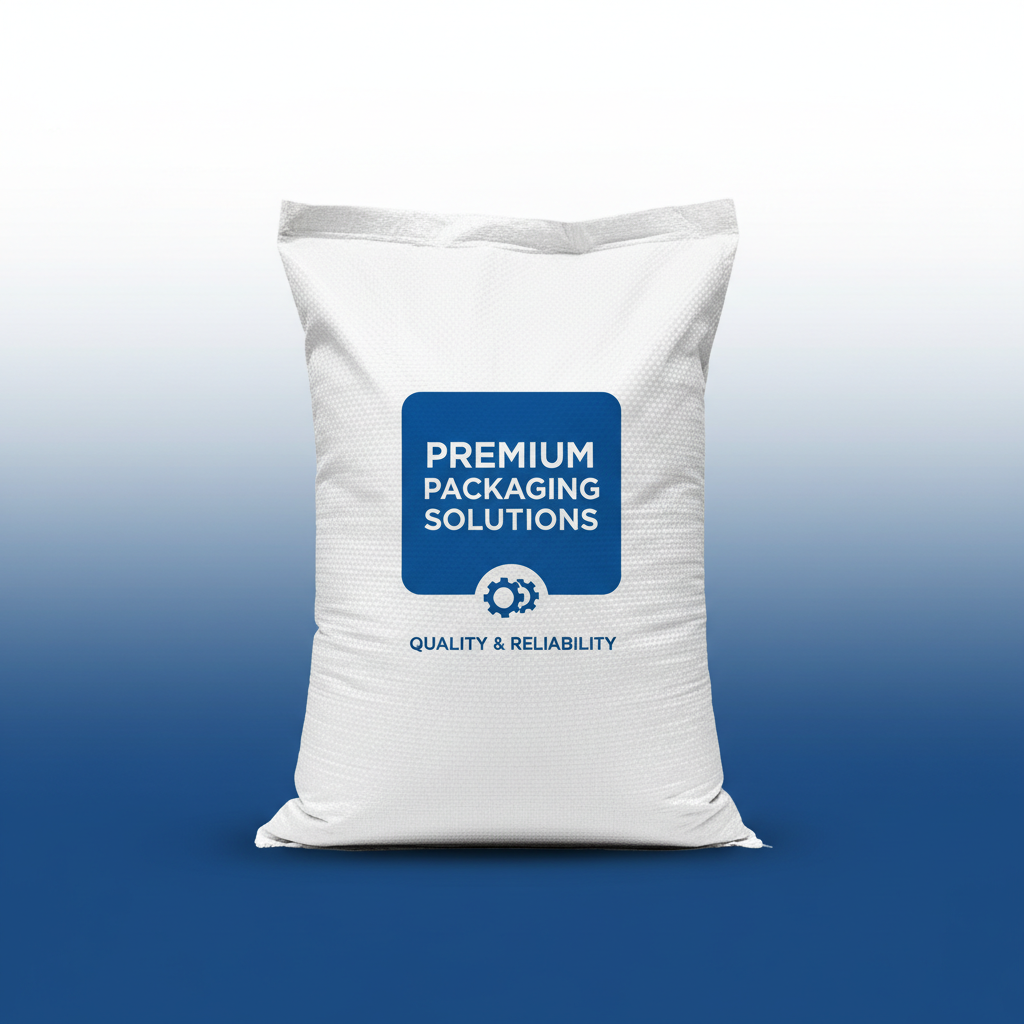
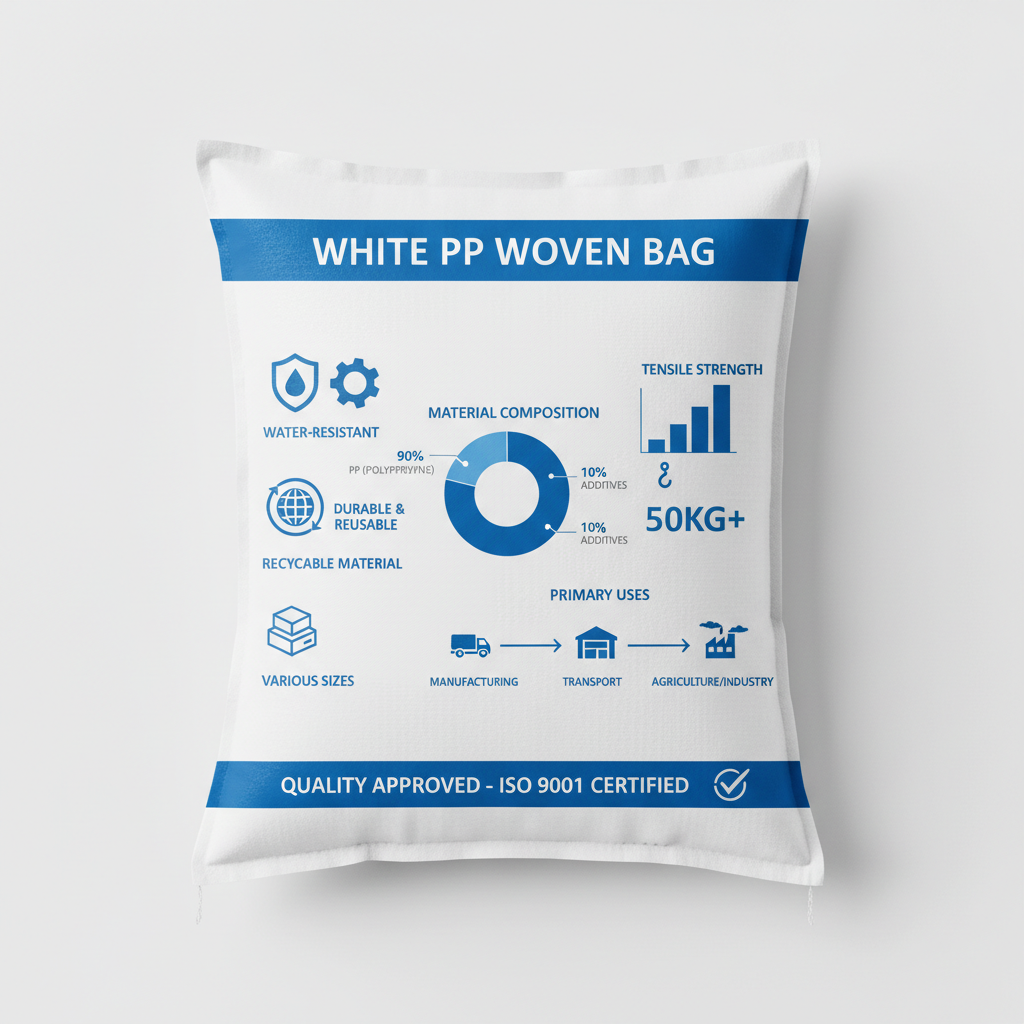
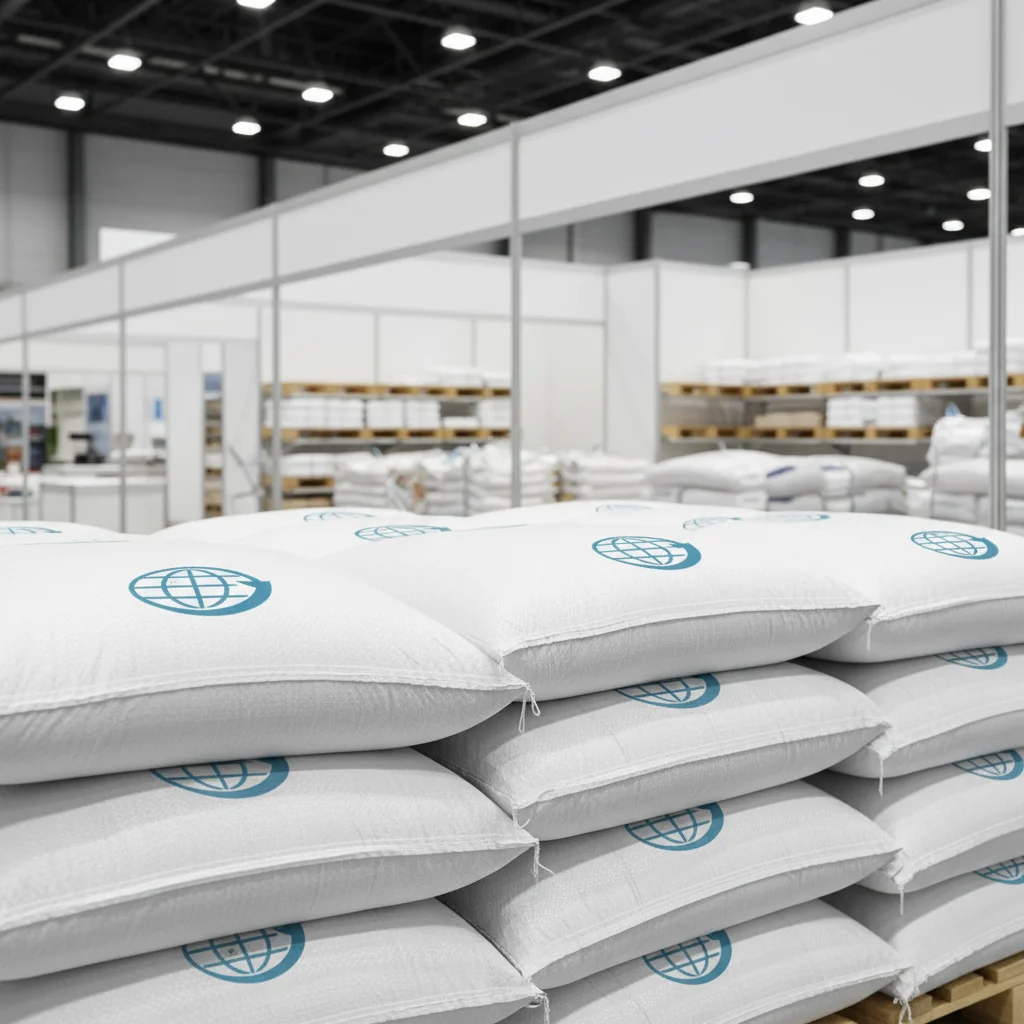
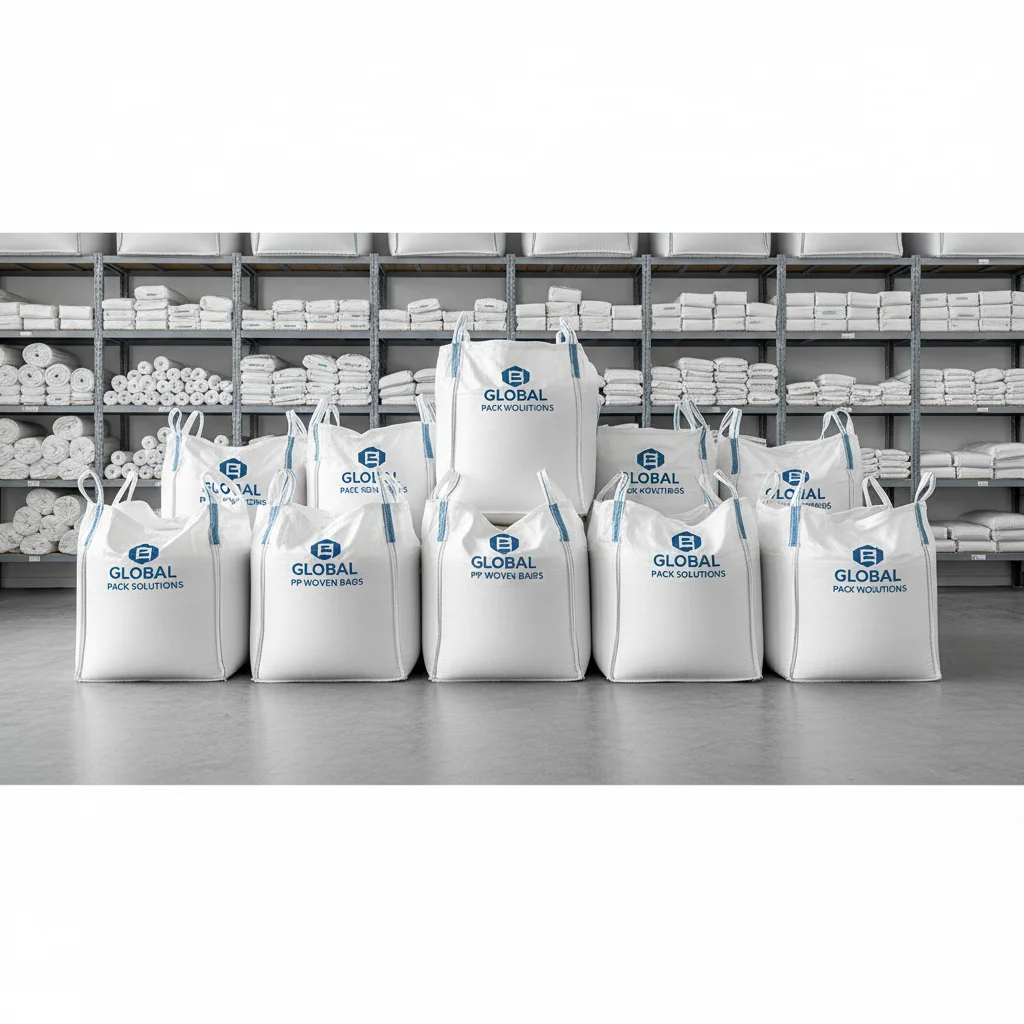
White pp woven bags are a ubiquitous presence in global supply chains, largely due to their remarkable versatility and cost-effectiveness. They provide a robust packaging solution for a vast array of products, from agricultural goods like rice and flour to industrial materials like chemicals and construction aggregates. The simplicity of their construction—woven polypropylene—combined with their ability to be customized with various coatings and laminations, makes them adaptable to countless applications. white pp woven bag manufacturers continue to refine their production processes to meet increasingly diverse customer demands.
These bags aren't merely packaging; they represent a crucial link in the global movement of essential goods. Their strength and durability minimize product loss during transportation and storage, reducing waste and ensuring goods reach their destination in optimal condition. From protecting harvests in rural communities to delivering vital supplies in disaster relief operations, the white pp woven bag plays a silent but critical role in sustaining economies and supporting communities worldwide.
The typical lifespan of a white PP woven bag varies depending on the denier of the polypropylene, the quality of the weave, and the weight of the contents. However, under normal conditions – indoor storage, moderate handling – a well-constructed bag can last for several years. Exposure to prolonged sunlight or harsh chemicals can significantly shorten its lifespan. Bags used for heavy loads or repeated transport will naturally degrade faster. Proper storage and handling are crucial for maximizing longevity.
Yes, white PP woven bags can be recycled, but the recycling infrastructure for polypropylene is not as widespread as for PET or HDPE. The challenge lies in separating the PP from any coatings or laminations. Clean, unlaminated bags are more easily recycled. Many recycling facilities accept PP, but it’s best to check with your local provider. The recycled PP can be used to create new plastic products, reducing reliance on virgin materials. However, downcycling – converting the PP into lower-quality products – is more common than true closed-loop recycling.
Common coatings include polyethylene (PE) lamination, which provides moisture resistance and seals the weave, preventing leakage. BOPP (biaxially oriented polypropylene) lamination offers a glossy finish and improved printability, enhancing the bag's aesthetic appeal. Other coatings, like anti-UV treatments, provide protection against sun degradation. The choice of coating depends on the intended application and the specific protection requirements. Each coating adds functionality and extends the bag’s usability in different environments.
The weave pattern significantly impacts the bag’s characteristics. Plain weave is the most common and provides a good balance of strength and cost-effectiveness. Twill weave, characterized by a diagonal rib pattern, offers higher strength and abrasion resistance, making it ideal for heavier loads or rough handling. However, twill weave is generally more expensive. The density of the weave – the number of strands per inch – also affects strength; a denser weave results in a more durable bag.
The production of PP relies on fossil fuels, and the bags themselves are not readily biodegradable. However, advancements are being made in using recycled PP and biodegradable additives. Proper disposal is crucial; ideally, the bags should be recycled. Landfilling should be avoided, as PP can persist in the environment for hundreds of years. Reducing the thickness of the PP strands, using recycled materials, and promoting responsible disposal practices can mitigate the environmental impact.
White PP woven bags offer several advantages over jute and paper. They are typically more cost-effective, more resistant to moisture and tearing, and lighter in weight, which reduces transportation costs. They can be laminated for enhanced protection, a feature not easily achievable with jute or paper. While jute and paper are biodegradable, PP offers superior durability and a longer lifespan, making it a practical choice for numerous applications. However, end-of-life disposal is an area where jute and paper currently have an advantage.
In conclusion, the white pp woven bag stands as a testament to efficient, versatile, and cost-effective packaging. From agriculture and industry to disaster relief and humanitarian aid, its impact is widespread and undeniable. Its inherent strength, moisture resistance, and adaptability have made it a cornerstone of global supply chains, enabling the safe and efficient transport of essential goods around the world. Understanding its properties, applications, and the evolving innovations in its production is critical for businesses and organizations alike.
Looking ahead, the future of the white pp woven bag hinges on a commitment to sustainability. Embracing recycled materials, biodegradable additives, and innovative manufacturing processes will be crucial for minimizing its environmental footprint. Continued research and development will unlock even greater potential, ensuring that this humble bag remains a vital part of a more sustainable and interconnected world. Visit our website: www.ssjtpack.com to learn more about our range of white pp woven bag solutions.
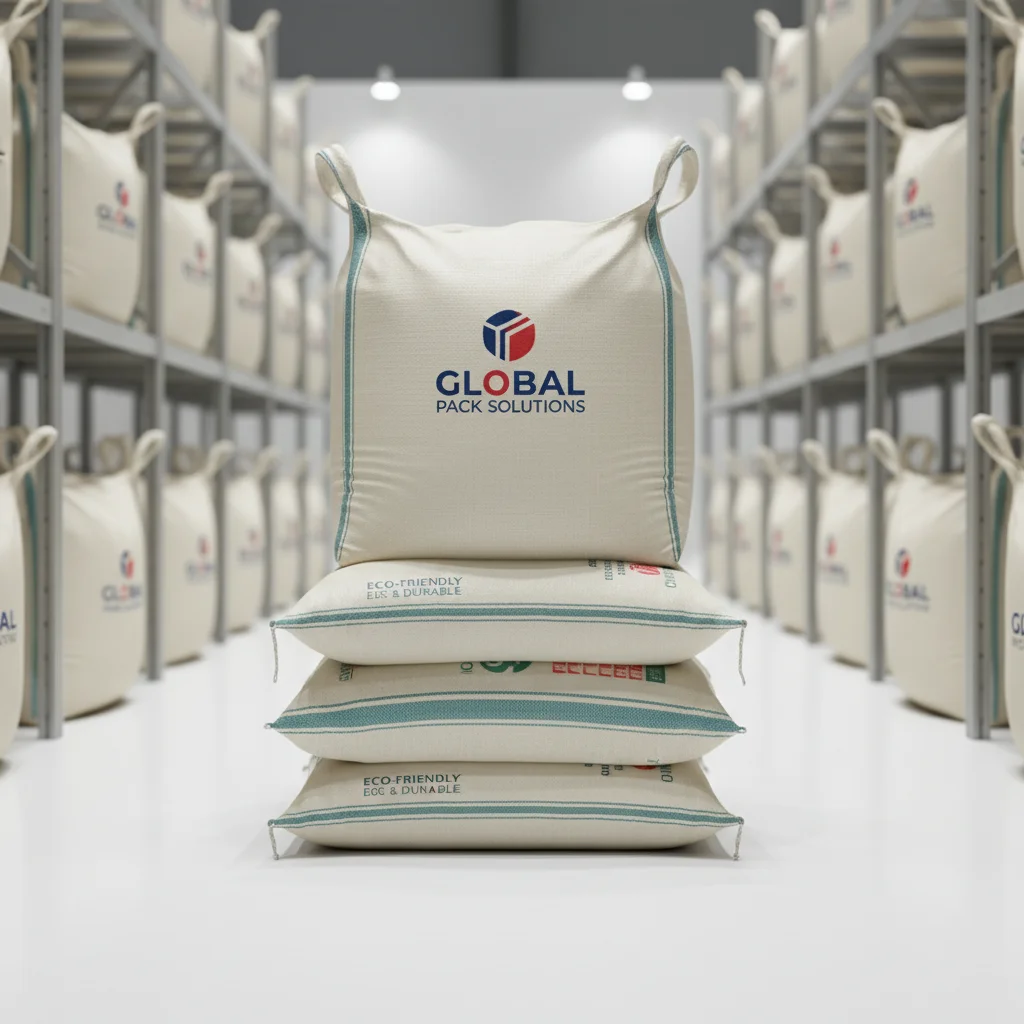
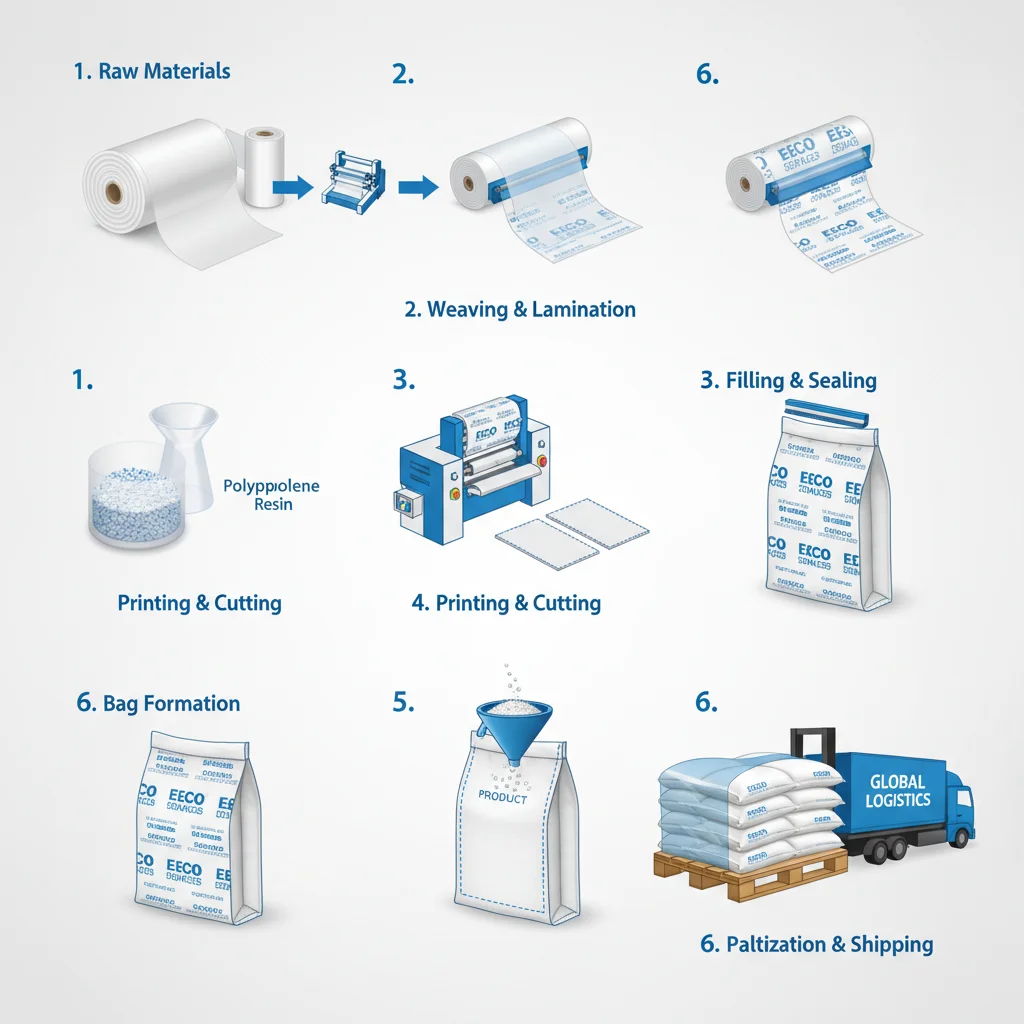

Hit enter to search or ESC to close