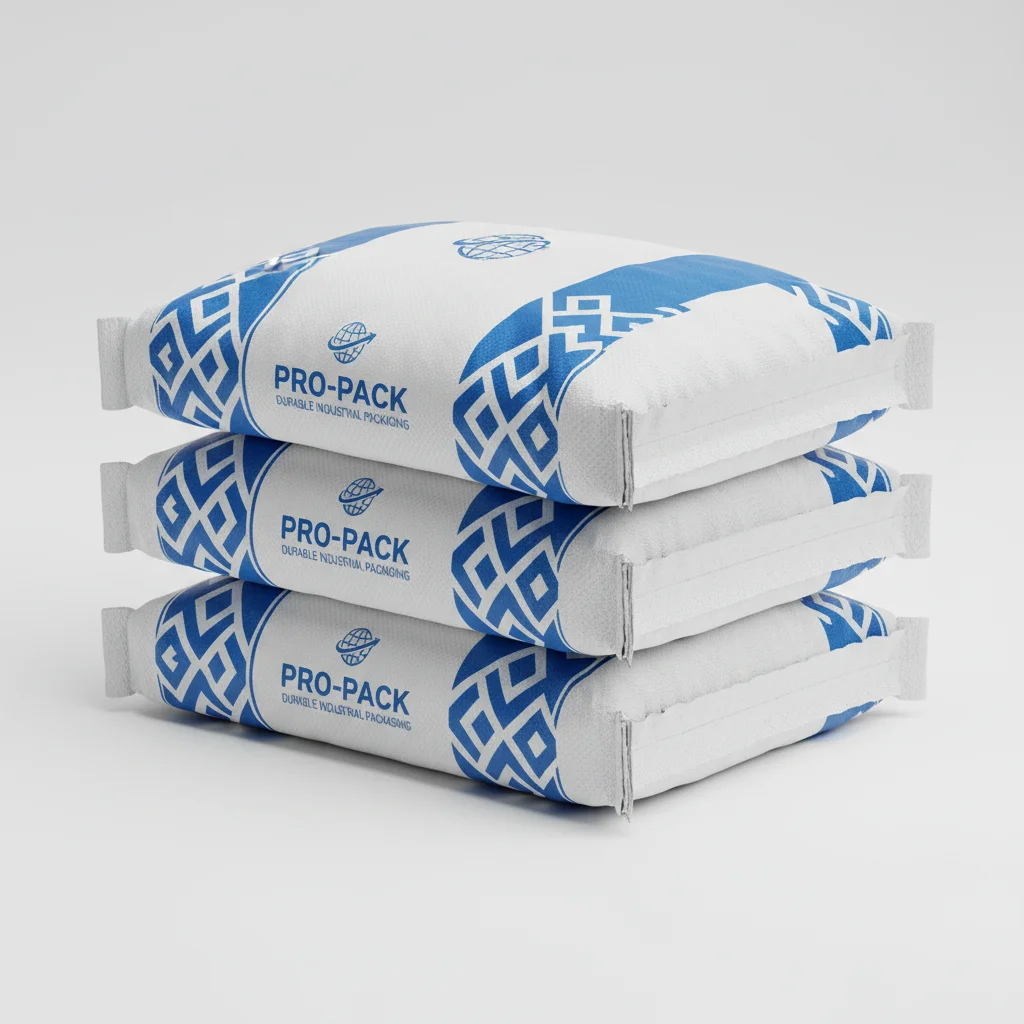
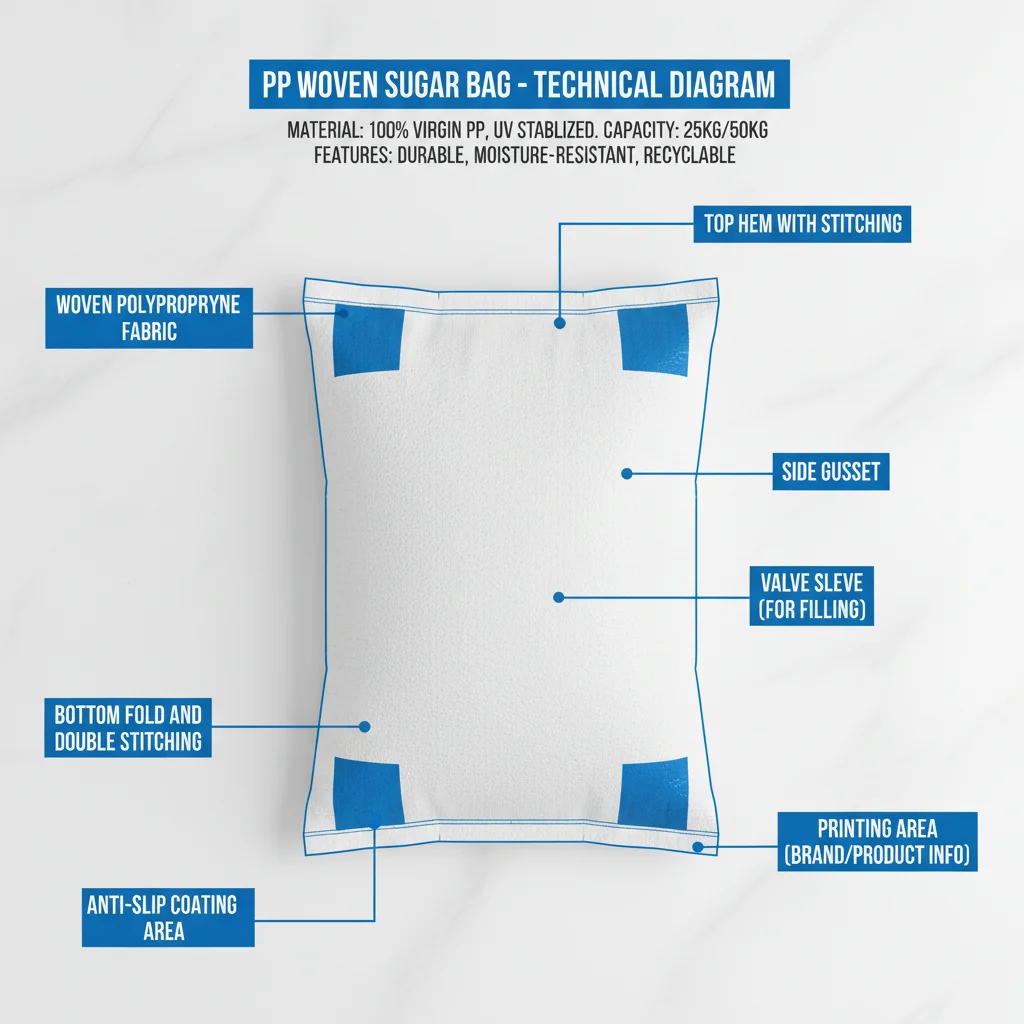
In the modern logistics and packaging landscape, the demand for versatile and high-strength containment solutions has led to the widespread adoption of woven polypropylene bags with handles. These specialized containers combine the inherent structural integrity of cross-woven polymer ribbons with the ergonomic convenience of integrated carrying options, making them indispensable for industries ranging from agriculture to chemical manufacturing.
Across the global supply chain, the ability to transport bulk materials safely and efficiently is a primary operational challenge. The integration of heavy-duty handles into woven polypropylene structures addresses the critical need for manual maneuverability without compromising the bag's load-bearing capacity, effectively bridging the gap between bulk industrial storage and portable distribution.
Understanding the technical specifications and application versatility of woven polypropylene bags with handles allows businesses to optimize their packaging costs while enhancing workplace safety. By leveraging the durability of PP woven fabric, these bags provide a reliable, moisture-resistant, and cost-effective alternative to traditional jute or paper sacks.

The Structural Engineering of Woven Polypropylene Bags with Handles
The engineering behind woven polypropylene bags with handles begins with the extrusion of polypropylene resin into thin tapes, which are then woven in two directions to create a high-tensile fabric. This weaving process ensures that the stress is distributed evenly across the surface of the bag, preventing localized failures when the container is filled to capacity.
To ensure the handles do not become the weak point of the structure, they are often reinforced with additional stitching or integrated directly into the weave of the bag. This seamless integration allows for the safe lifting of heavy materials, ensuring that the handle-to-body bond can withstand the dynamic forces encountered during manual loading and unloading.
Global Industrial Relevance and Market Demand
Globally, the transition toward lightweight yet ultra-strong packaging has placed woven polypropylene bags with handles at the center of industrial logistics. According to international trade standards, the efficiency of bulk handling in the agricultural sector—specifically for grains, seeds, and animal feed—depends heavily on the reliability of the primary packaging to prevent spoilage and leakage.
In developing economies, these bags are critical for the distribution of humanitarian aid and food supplies, where ruggedness and ease of transport are paramount. The ability to carry large quantities of essential goods by hand in areas with limited mechanized infrastructure makes the handle-integrated design a necessity rather than a luxury.
Moreover, the chemical and mineral industries utilize these bags for the transport of resins and powders. The inherent resistance of polypropylene to moisture and many corrosive agents, combined with the ability to easily move bags via handles, reduces the operational downtime and minimizes product waste during transit.
Core Functional Components for Maximum Durability
The efficacy of woven polypropylene bags with handles is determined by several key factors, starting with the denier of the PP yarn. A higher denier indicates a thicker filament, which directly correlates to the bag's ability to resist punctures and tears under extreme pressure.
Handle reinforcement is perhaps the most critical component of woven polypropylene bags with handles. By utilizing heat-sealed seams or heavy-duty industrial stitching, manufacturers ensure that the handles remain secure even when the bag is subjected to repetitive lifting cycles in rigorous warehouse environments.
Additionally, UV stabilization is often integrated into the polymer matrix. Since these bags are frequently stored outdoors or transported in open trucks, UV-resistant additives prevent the plastic from becoming brittle when exposed to sunlight, thereby extending the lifecycle of the woven polypropylene bags with handles.
Performance Metrics Across Diverse Applications
When evaluating the performance of different packaging solutions, the load-to-weight ratio is a primary metric. Woven polypropylene bags with handles offer an exceptional ratio, allowing users to transport significant volumes of material while adding negligible weight to the overall shipment.
The adaptability of these bags is further demonstrated by their performance in varied climates. From the humid environments of tropical agriculture to the arid conditions of mining sites, the stability of the PP weave ensures that the product remains protected from external contaminants.
Comparative Efficiency of Woven Polypropylene Bags with Handles
Strategic Advantages in Logistics and Warehousing
The primary strategic advantage of utilizing woven polypropylene bags with handles lies in the reduction of labor costs and the acceleration of throughput. In a fast-paced warehouse, the seconds saved per unit during manual movement accumulate into significant productivity gains over thousands of cycles.
Furthermore, these bags minimize the reliance on secondary handling equipment for smaller bulk quantities. By providing a built-in grip, they eliminate the need for temporary slings or precarious lifting methods, thereby reducing the risk of workplace injuries and product spillage.
Sustainability and Environmental Impact of PP Woven Solutions
As the global industry moves toward a circular economy, the recyclability of woven polypropylene bags with handles has become a key selling point. Polypropylene is a thermoplastic polymer, meaning it can be melted down and repurposed into new plastic products, reducing the volume of waste sent to landfills.
Beyond recyclability, the longevity of these bags contributes to sustainability by reducing the frequency of replacement. A high-quality, handle-reinforced bag can be reused multiple times for various internal transport needs, drastically lowering the overall consumption of single-use packaging materials.
Innovation in bio-based polymers is also beginning to influence the production of these containers. The industry is exploring the integration of biodegradable additives that can accelerate the breakdown of PP weave in specific composting conditions, aiming to mitigate the long-term environmental footprint of industrial packaging.
Technical Comparison of Handle Integration Methods
Depending on the intended load and usage frequency, different handle integration techniques are employed. The simplest method involves sewing a separate PP tape handle onto the body, which is cost-effective for light-to-medium loads but may be prone to stitching failure under extreme stress.
For heavy-duty applications, the "integrated weave" method is preferred, where the handle is an extension of the bag's structural fabric. This eliminates the seam entirely, distributing the weight across a larger surface area and virtually removing the possibility of the handle detaching from the bag body.
Another advanced option is the use of reinforced plastic molded handles, which provide superior ergonomic comfort for the operator. While more expensive, these are ideal for high-end commercial products where the end-user experience and ease of carry are critical for brand perception.
Comparison of Handle Integration Technologies for PP Woven Bags
| Handle Type |
Load Capacity |
Durability Score |
Cost Efficiency |
| Stitched Tape |
Low-Medium |
6/10 |
High |
| Integrated Weave |
High |
10/10 |
Medium |
| Heat-Sealed Loop |
Medium |
7/10 |
High |
| Molded Plastic |
Medium-High |
8/10 |
Low |
| Reinforced Webbing |
Extra High |
9/10 |
Medium |
| Double-Stitched Loop |
Medium-High |
8/10 |
Medium |
FAQS
The weight limit depends on the denier of the fabric and the handle integration method. Standard stitched bags typically handle up to 25kg, while integrated weave designs can safely support 50kg or more. Always check the specific load-bearing certification of the bag based on the fabric GSM (grams per square meter) to ensure safety during transit.
Polypropylene is naturally hydrophobic, meaning it resists water absorption. However, because the bags are woven, there are microscopic gaps between the threads. For products requiring absolute moisture protection, we recommend a BOPP laminated coating or an internal PE liner to ensure a complete waterproof barrier.
Without UV stabilization, PP plastic degrades under sunlight, becoming brittle and prone to tearing. UV stabilizers are chemical additives that absorb or block harmful ultraviolet rays, typically extending the outdoor lifespan of the bags from a few weeks to several months, making them ideal for agricultural storage.
Yes, woven polypropylene bags with handles are highly customizable. We offer various printing methods, including flexographic printing for simple logos and BOPP lamination for high-resolution, photographic-quality graphics. This allows businesses to turn their packaging into a marketing tool while maintaining structural strength.
Integrated handles are woven into the fabric of the bag itself, meaning there is no separate seam that can rip under pressure. This provides a significantly higher safety factor and ensures that the handle will not detach even when the bag is filled to its maximum rated capacity.
Woven polypropylene is 100% recyclable. Unlike single-use plastic films, these bags are durable enough for multiple re-use cycles. When they eventually reach the end of their life, they can be processed into plastic pellets for the manufacture of other industrial goods, fitting into a circular economy model.
Conclusion
Woven polypropylene bags with handles represent a critical intersection of material science and ergonomic design, providing an efficient solution for the bulk transport of industrial and agricultural goods. By combining the tensile strength of PP woven fabric with strategically engineered handles, these containers maximize operational efficiency, reduce manual handling risks, and offer a durable alternative to traditional packaging methods.
Looking forward, the integration of sustainable polymers and advanced lamination techniques will continue to enhance the value proposition of these bags. For businesses seeking to optimize their supply chain and reduce packaging waste, investing in high-quality, reinforced woven solutions is a strategic move toward greater reliability and sustainability. Visit our website: www.ssjtpack.com