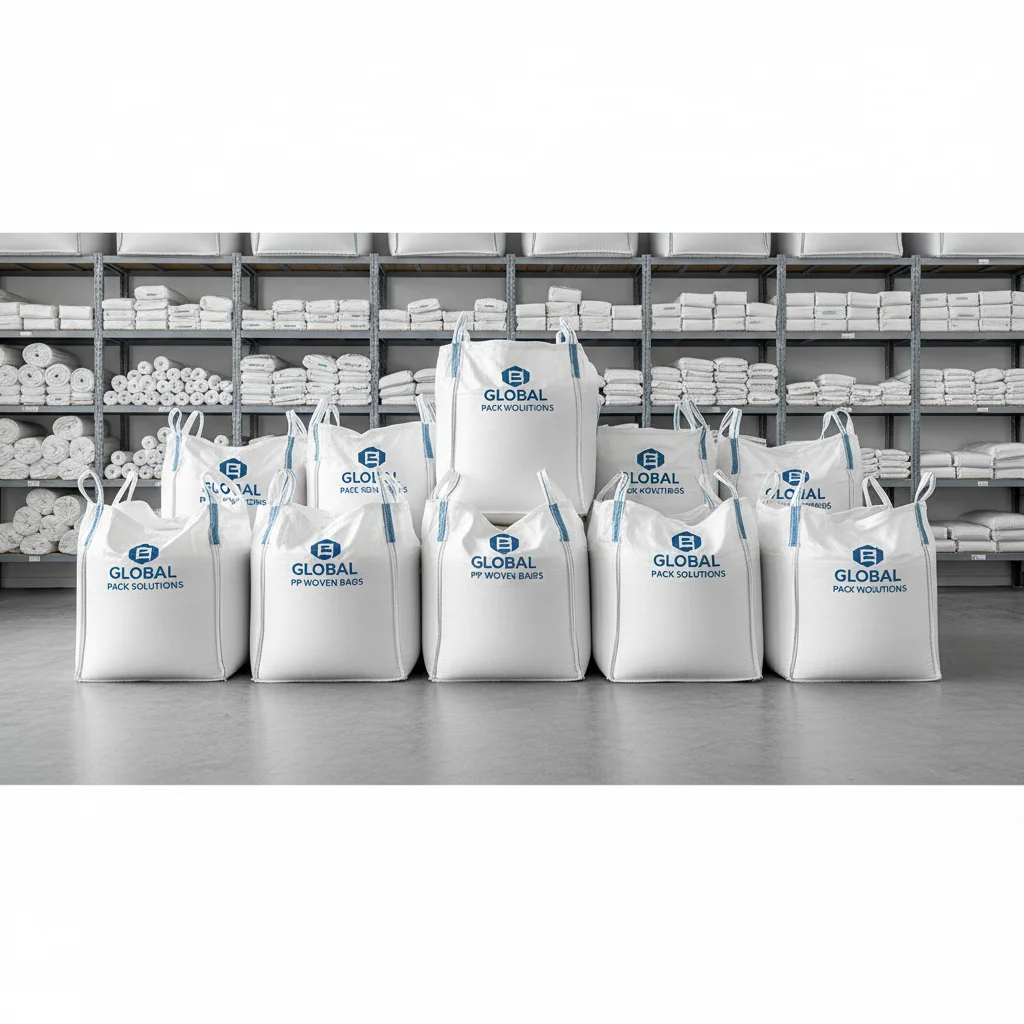
Polypropylene (PP) woven sugar bags are a critical component in the global sugar industry, facilitating efficient and safe transportation of this essential commodity. These bags are designed for durability, cost-effectiveness, and ease of handling, making them a preferred packaging solution for sugar producers and distributors worldwide. The widespread adoption of pp woven sugar bag is a direct response to the growing demand for efficient agricultural supply chains.
The significance of PP woven sugar bags extends beyond simple containment. They play a vital role in preventing product loss during transit, maintaining sugar quality, and streamlining logistics. With the global sugar market projected to continue its growth trajectory, the demand for reliable packaging solutions like pp woven sugar bag will only intensify. Addressing concerns around sustainability and recyclability within the packaging industry further highlights the importance of innovation in this sector.
Understanding the properties and applications of pp woven sugar bag is crucial for stakeholders across the sugar supply chain, from manufacturers to end-users. Choosing the right bag specifications – weight capacity, lamination type, and printing options – directly impacts efficiency, cost, and product preservation.
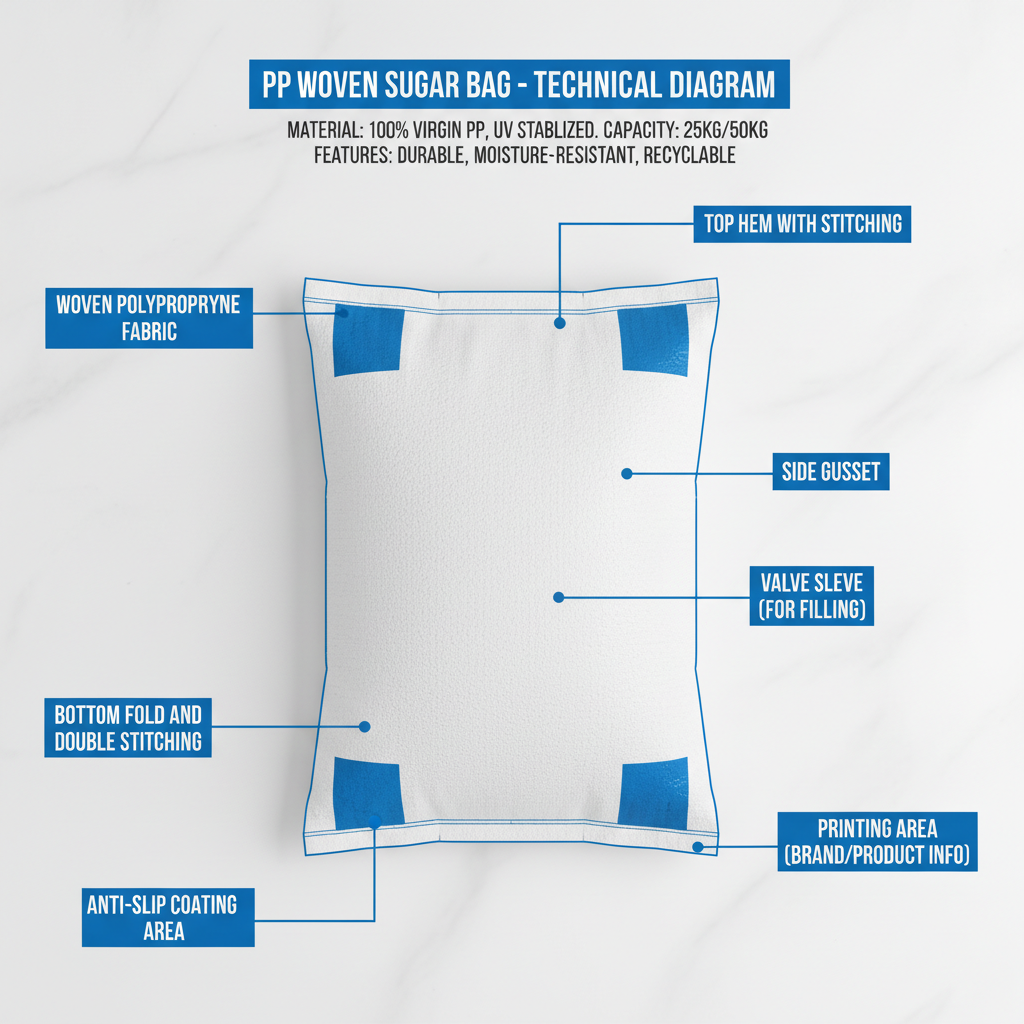
Introduction to PP Woven Sugar Bags
PP woven sugar bags have become the industry standard for transporting granulated and powdered sugar due to their robust construction and cost-effective nature. They’re readily adaptable to various sugar production scales, from small regional refineries to large-scale international operations. The demand for these bags is directly linked to the increasing global consumption of sugar.
These bags aren't just about containing sugar; they're about protecting a vital food source during transport and storage. Properly designed pp woven sugar bag minimize loss through spillage and contamination, ensuring the sugar reaches consumers in optimal condition.
Defining PP Woven Sugar Bags
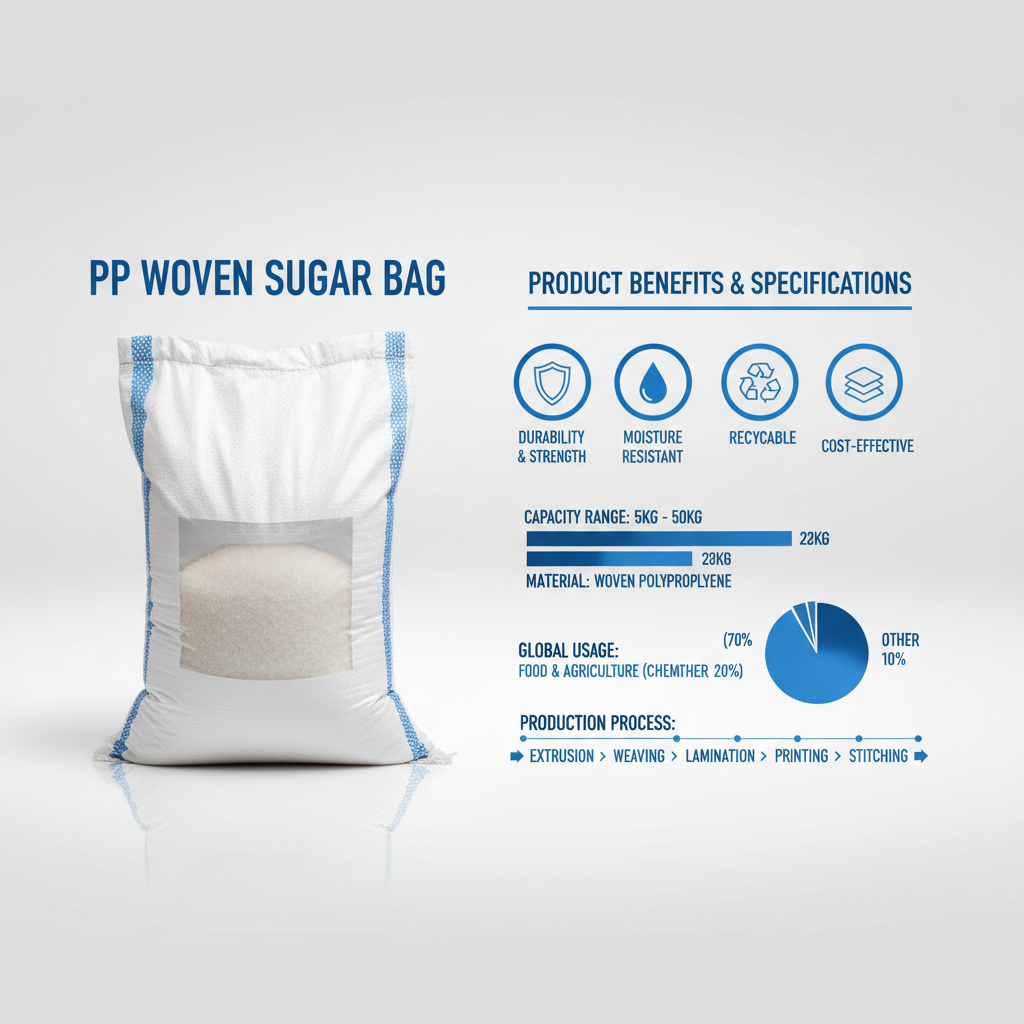
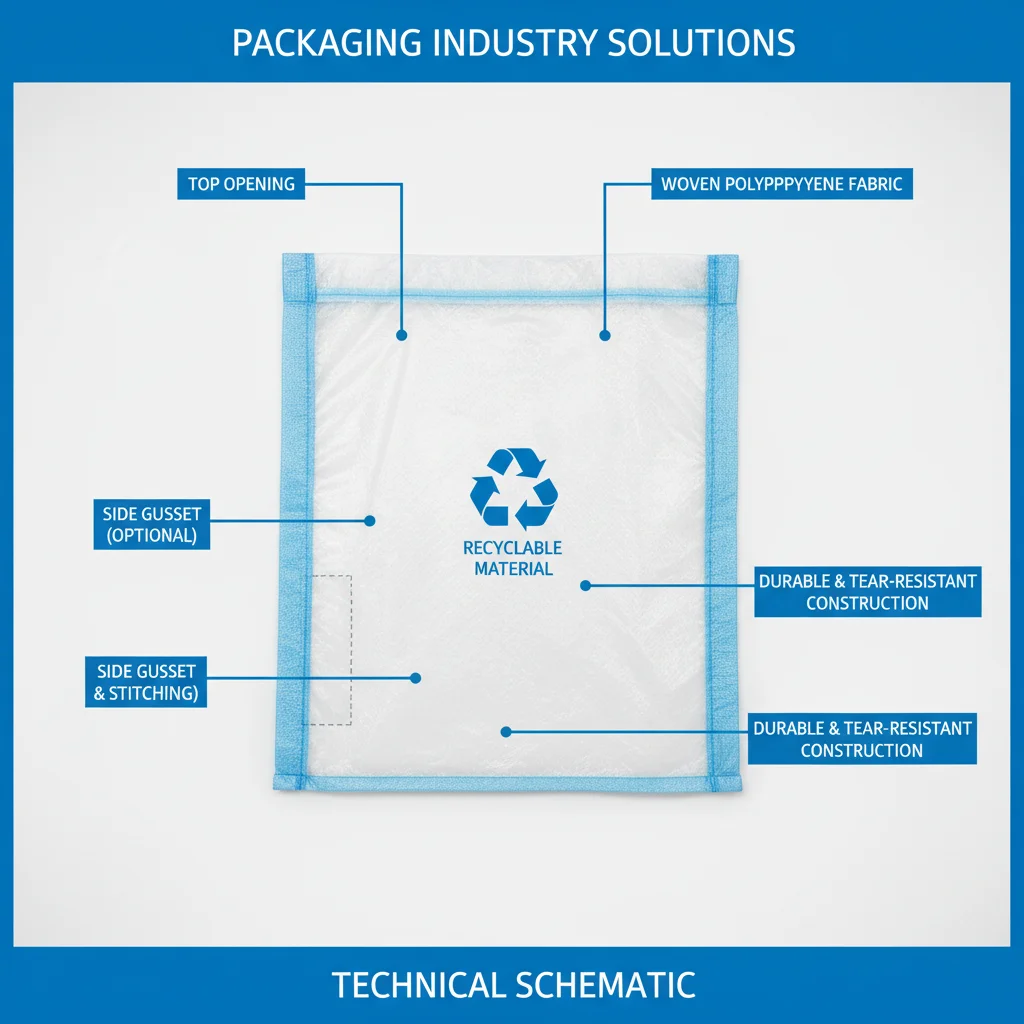
A PP woven sugar bag is a container constructed from woven polypropylene fabric, specifically designed to hold and transport sugar. The polypropylene material provides strength and resistance to tearing, while the weaving process creates a durable structure capable of withstanding significant weight. These bags often incorporate a laminated inner layer for moisture protection and improved hygiene.
Unlike traditional jute or cotton bags, PP woven sugar bags offer superior resistance to moisture, pests, and environmental degradation. This makes them ideal for long-distance transport and outdoor storage, where conditions can be harsh. The use of polypropylene also contributes to a lighter overall weight, reducing shipping costs.
The manufacturing process involves extruding polypropylene resin into long, flat ribbons, which are then woven together to form a fabric. This fabric is then laminated, printed with branding and product information, and cut and sewn into the desired bag size and shape, catering to diverse sugar packaging requirements.
Key Characteristics of PP Woven Sugar Bags
Durability is paramount. pp woven sugar bag are engineered to withstand the rigors of handling and transportation, preventing tears and spills. This resilience minimizes product loss and maintains package integrity throughout the supply chain.
Cost-Effectiveness is a major advantage. Compared to other packaging materials like paper or heavy-duty plastic, PP woven bags offer a more economical solution without compromising on performance. This makes them particularly attractive to sugar producers operating on tight margins.
Moisture Resistance is crucial for preserving sugar quality. The polypropylene material, often combined with a laminated inner layer, creates a barrier against moisture, preventing caking, clumping, and contamination. This ensures the sugar remains free-flowing and marketable.
Global Applications and Usage Scenarios
pp woven sugar bag are ubiquitous across the global sugar industry, utilized in countries with significant sugar production like Brazil, India, Thailand, and the European Union. They are essential for both domestic distribution and international export, facilitating the movement of sugar from refineries to processing plants, food manufacturers, and retail outlets.
In regions with limited infrastructure, the robustness of these bags is particularly valuable. They can withstand rough handling and challenging transportation conditions, ensuring the sugar reaches its destination safely. They’re also widely used in developing nations where cost-effectiveness is a primary concern.
Average PP Woven Sugar Bag Weight Capacity by Region
Advantages and Long-Term Benefits
The primary advantage of using pp woven sugar bag lies in their cost-effectiveness. They represent a significantly lower packaging expense compared to alternatives like paper or plastic containers, reducing overall production costs for sugar manufacturers.
Beyond cost, these bags offer enhanced protection for the sugar product, extending its shelf life and preserving its quality. The moisture-resistant properties prevent caking and contamination, ensuring the sugar remains marketable for longer periods. This translates to reduced waste and increased profitability for all parties involved.
Future Trends and Innovations
The future of pp woven sugar bag packaging lies in sustainability. Manufacturers are increasingly exploring the use of recycled polypropylene (rPP) to reduce their environmental footprint. Bioplastics derived from renewable resources are also being investigated as a potential alternative.
Another emerging trend is the integration of smart packaging technologies. This includes incorporating QR codes for traceability, humidity sensors to monitor storage conditions, and even RFID tags for inventory management. These innovations will enhance supply chain visibility and improve product quality control.
The demand for thinner, yet equally strong, PP woven fabrics is also driving innovation in weaving technology. This allows for a reduction in material usage while maintaining the bag's structural integrity, further contributing to sustainability efforts.
Challenges and Mitigation Strategies
One significant challenge is the environmental impact of plastic waste. While PP is recyclable, the recycling infrastructure for PP woven bags is not yet fully developed in all regions. This can lead to bags ending up in landfills.
To mitigate this, manufacturers are focusing on designing bags for recyclability, promoting collection programs, and exploring biodegradable alternatives. Collaboration between bag producers, sugar manufacturers, and recycling facilities is crucial for creating a circular economy for PP woven packaging.
Another challenge is maintaining consistent quality and strength across different manufacturing facilities. Implementing rigorous quality control measures and adhering to international standards (like ISO certifications) are essential for ensuring that pp woven sugar bag meet the required performance specifications.
Summary of Challenges and Mitigation Strategies for PP Woven Sugar Bags
| Challenge |
Impact on Sugar Industry |
Mitigation Strategy |
Effectiveness Rating (1-10) |
| Plastic Waste Accumulation |
Environmental damage, negative brand perception |
Recycling programs, use of rPP, biodegradable alternatives |
7 |
| Inconsistent Quality |
Product damage, loss during transport |
ISO certification, stringent quality control |
9 |
| High Transportation Costs |
Increased overall product cost |
Optimized bag design, lighter materials |
6 |
| Lack of Traceability |
Difficulty in tracking product origin |
QR code implementation, RFID tagging |
8 |
| Humidity Control Issues |
Sugar caking and reduced quality |
Improved lamination techniques, humidity sensors |
7 |
| Price Fluctuations of PP Resin |
Unpredictable packaging costs |
Long-term contracts with suppliers, material diversification |
5 |
FAQS
Under typical storage conditions—dry, protected from direct sunlight—a high-quality pp woven sugar bag can last between 6 months to a year without significant degradation. However, prolonged exposure to UV radiation or high humidity can shorten this lifespan. Proper storage is essential for maximizing the bag’s durability and protecting the sugar within.
Yes, pp woven sugar bag are generally well-suited for humid climates, particularly when they include a polyethylene (PE) inner liner. This lamination provides a crucial moisture barrier, preventing the sugar from absorbing humidity and caking. The PE layer also protects against potential contamination from moisture. Selecting a bag with appropriate lamination is key for humid environments.
Yes, polypropylene is recyclable. However, the recyclability of pp woven sugar bag depends on local recycling infrastructure. The woven structure and potential contamination from sugar residue can sometimes pose challenges for recycling facilities. Efforts are underway to improve recycling rates for these bags through collection programs and enhanced sorting technologies.
Standard pp woven sugar bag commonly range in weight capacity from 25kg to 50kg (approximately 55lbs to 110lbs). The specific weight capacity depends on the bag’s dimensions, fabric density (GSM - grams per square meter), and weaving pattern. Bags can be customized to accommodate specific weight requirements based on customer needs.
Yes, several certifications and standards are relevant to pp woven sugar bag, including ISO 9001 (quality management), and food-grade certifications ensuring the bag material is safe for contact with food products. Some manufacturers also adhere to sustainability standards and certifications related to responsible manufacturing practices.
Customization options for printing on pp woven sugar bag are extensive. Typically, manufacturers offer flexographic printing, allowing for multi-color designs, logos, and product information. The printing process is optimized for durability and resistance to smudging or fading. You'll need to provide high-resolution artwork to ensure the best results.
Conclusion
In conclusion, pp woven sugar bag represent a vital component of the global sugar supply chain, offering a cost-effective, durable, and reliable packaging solution. Their versatility, coupled with ongoing innovations in materials and manufacturing processes, ensures their continued relevance in the face of evolving industry demands and sustainability concerns.
Looking ahead, embracing sustainable practices—such as utilizing recycled polypropylene and promoting responsible recycling programs—will be crucial for mitigating the environmental impact of these bags. Investing in research and development to further enhance their functionality and eco-friendliness will solidify their position as the preferred packaging choice for the sugar industry for years to come. Visit our website at www.ssjtpack.com to learn more about our PP woven sugar bag solutions.