Woven polypropylene sand bags are a cornerstone of modern flood control, erosion management, and military defense. Their widespread adoption stems from a unique combination of affordability, durability, and ease of deployment. Globally, from protecting coastal communities against rising sea levels to fortifying frontline positions, these bags represent a critical, often understated, element in safeguarding lives and infrastructure. Understanding their properties, applications, and future potential is vital for effective disaster preparedness and sustainable infrastructure development.
The demand for woven polypropylene sand bags continues to grow, driven by increasing global environmental challenges and geopolitical instability. The UN estimates that climate-related disasters displace millions annually, necessitating robust and readily available protective measures. Furthermore, the increasing frequency of extreme weather events – hurricanes, typhoons, and severe flooding – underscores the importance of proactive mitigation strategies that rely heavily on these versatile barriers. Their role isn't limited to disaster relief; they are also vital for ongoing infrastructure projects.
Beyond immediate protection, woven polypropylene sand bags offer a cost-effective and adaptable solution for a wide range of applications. From agricultural terraces and shoreline stabilization to temporary barriers for construction sites, their versatility is a key advantage. The global market for these bags is a multi-billion dollar industry, supporting local economies and providing crucial resources to communities in need. Their relatively low environmental impact, particularly when compared to more permanent structural solutions, further enhances their appeal.
Introduction to woven polypropylene sand bags
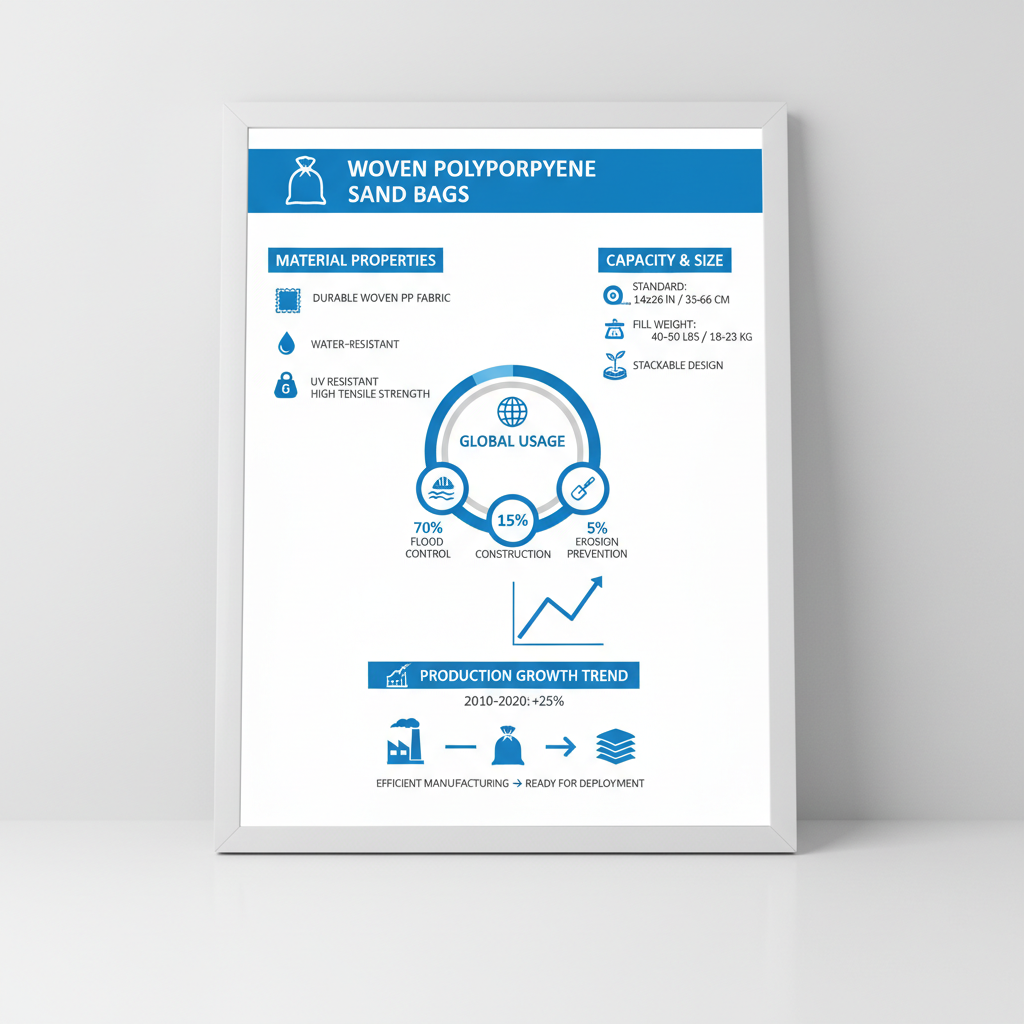
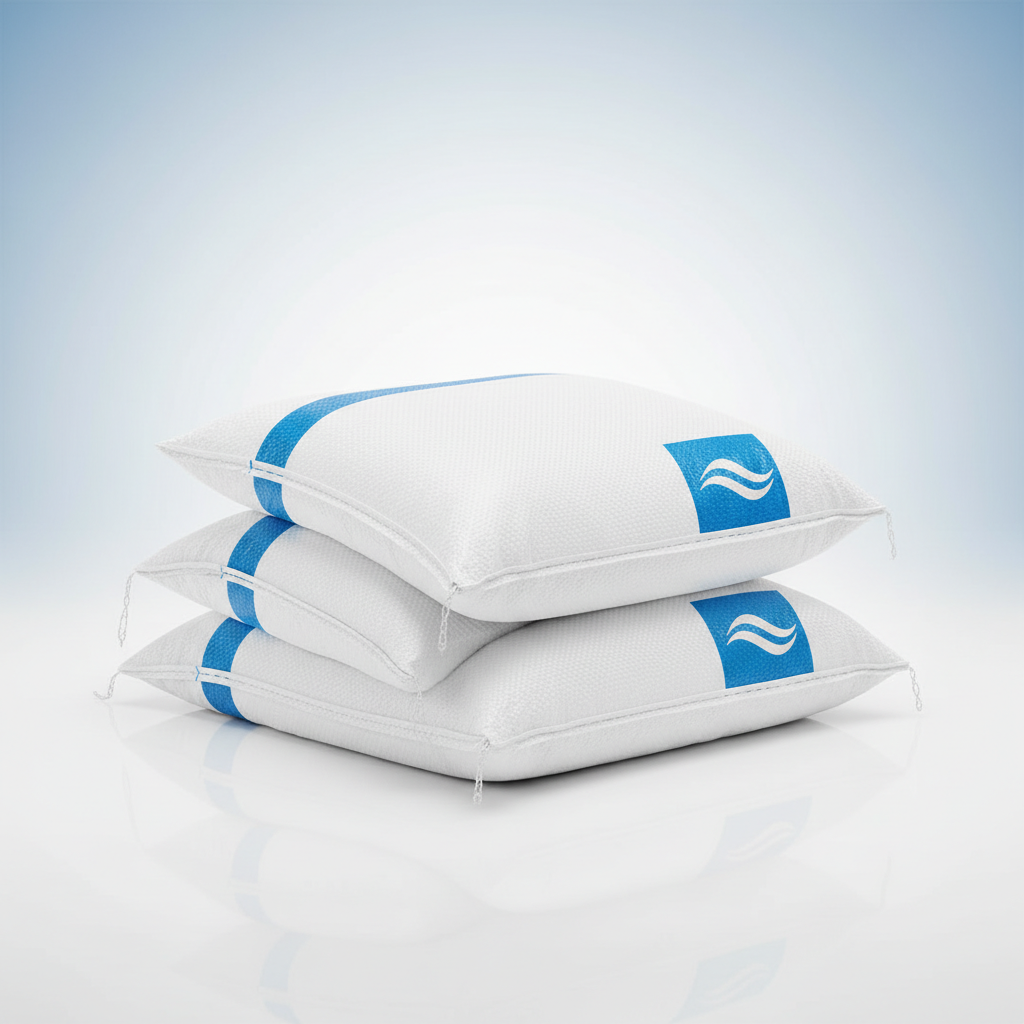
Woven polypropylene sand bags are fundamentally flexible containers crafted from polypropylene fabric, designed for filling with sand, soil, gravel, or other granular materials. Their primary function is to create barriers for flood control, erosion prevention, and defensive fortifications. The interlocking weave structure provides exceptional tensile strength, allowing the bags to withstand significant weight and pressure.
These bags aren’t simply a relic of wartime defenses; they’ve evolved into a critical component of modern civil engineering and disaster response. Their adaptability and affordability make them a preferred choice for both emergency situations and long-term infrastructure projects. The material itself, polypropylene, is relatively inexpensive and readily available, contributing to the overall cost-effectiveness of these solutions.
Global Relevance & Industry Context
The global relevance of woven polypropylene sand bags is intrinsically linked to the escalating challenges posed by climate change and increasing urbanization. Rising sea levels, more frequent and intense storms, and widespread erosion all contribute to a growing demand for effective protective measures. According to the World Bank, over 100 million people are at risk from coastal flooding alone, a number projected to increase significantly in the coming decades.
The industry surrounding woven polypropylene sand bags encompasses manufacturing, distribution, and specialized filling/installation services. Key players include manufacturers in China, India, and Southeast Asia, who supply both domestic and international markets. ISO standards for polypropylene fabric strength and durability play a critical role in ensuring product quality and reliability. Demand spikes dramatically during hurricane seasons in the Americas and monsoon seasons in Asia.
A significant challenge facing the industry is ensuring sustainable sourcing and responsible disposal of these bags. While polypropylene is recyclable, the process is not always economically viable, leading to landfill accumulation. Innovations in biodegradable materials and closed-loop recycling systems are crucial to mitigating the environmental impact and ensuring long-term sustainability of this critical protective resource.
Defining woven polypropylene sand bags
Woven polypropylene sand bags, at their core, are rectangular containers constructed from tightly woven polypropylene fibers. The weaving process creates a fabric that is remarkably strong and resistant to tearing, even when subjected to considerable stress and abrasion. The fabric’s density, measured in grams per square meter (GSM), is a key indicator of its strength and durability.
These bags are distinct from non-woven polypropylene bags, which are created by bonding fibers together rather than weaving them. Woven bags possess significantly higher tensile strength and are therefore better suited for applications requiring substantial load-bearing capacity, such as flood control and fortification. The ‘woven’ construction is what gives them their characteristic ability to hold shape when filled and stacked.
The connection to modern humanitarian needs and industry stems from their practicality and adaptability. They allow for rapid deployment of protective barriers in emergency situations, are relatively inexpensive to produce and transport, and can be used in a wide variety of applications, from military defense to erosion control along coastlines and riverbanks. This versatility makes them an indispensable tool for both governmental and private sector entities.
Core Components & Key Factors
Several key factors contribute to the effectiveness of woven polypropylene sand bags. First, Durability is paramount. The polypropylene fabric must be able to withstand UV exposure, abrasion, and the constant stress of being filled, transported, and stacked. Higher GSM fabrics generally offer greater durability and a longer lifespan.
Second, Tensile Strength determines the bag’s ability to hold weight without tearing. This is a critical factor for applications involving significant water pressure or heavy loads. The weaving pattern and fiber quality directly impact tensile strength.
Comparative Analysis of woven polypropylene sand bags Characteristics
Global Applications & Use Cases
Woven polypropylene sand bags are deployed extensively for flood control along rivers and coastlines, protecting communities from inundation. In post-disaster relief operations, such as after hurricanes or earthquakes, they are crucial for building temporary levees and reinforcing damaged infrastructure. For example, following Hurricane Katrina, millions of sand bags were used to bolster the New Orleans levee system.
Beyond disaster relief, these bags find widespread use in erosion control projects, stabilizing slopes and preventing land loss along riverbanks and coastlines. They are also vital in military applications, providing defensive barriers and protection for personnel and equipment. In remote industrial zones, they can be used for creating temporary roads and stabilizing foundations.
Advantages & Long-Term Value
The advantages of woven polypropylene sand bags are numerous. From a cost perspective, they are significantly cheaper than constructing permanent concrete barriers. Their scalability is another key benefit – they can be rapidly deployed and adapted to changing conditions. Furthermore, they require minimal specialized equipment for installation, making them accessible to a wider range of users.
The long-term value lies not only in their protective capabilities but also in their adaptability. They can be disassembled and reused, reducing waste and lowering lifecycle costs. The psychological benefit of having a tangible barrier against potential threats provides a sense of security and resilience for communities facing environmental risks. This contributes to a safer, more secure environment and fosters trust in preparedness efforts.
Future Trends & Innovations
Future trends in woven polypropylene sand bags focus on enhancing sustainability and performance. Research is underway to develop biodegradable polypropylene alternatives, reducing the environmental impact of disposal. Innovations in fabric coatings are aimed at improving UV resistance and extending the lifespan of the bags.
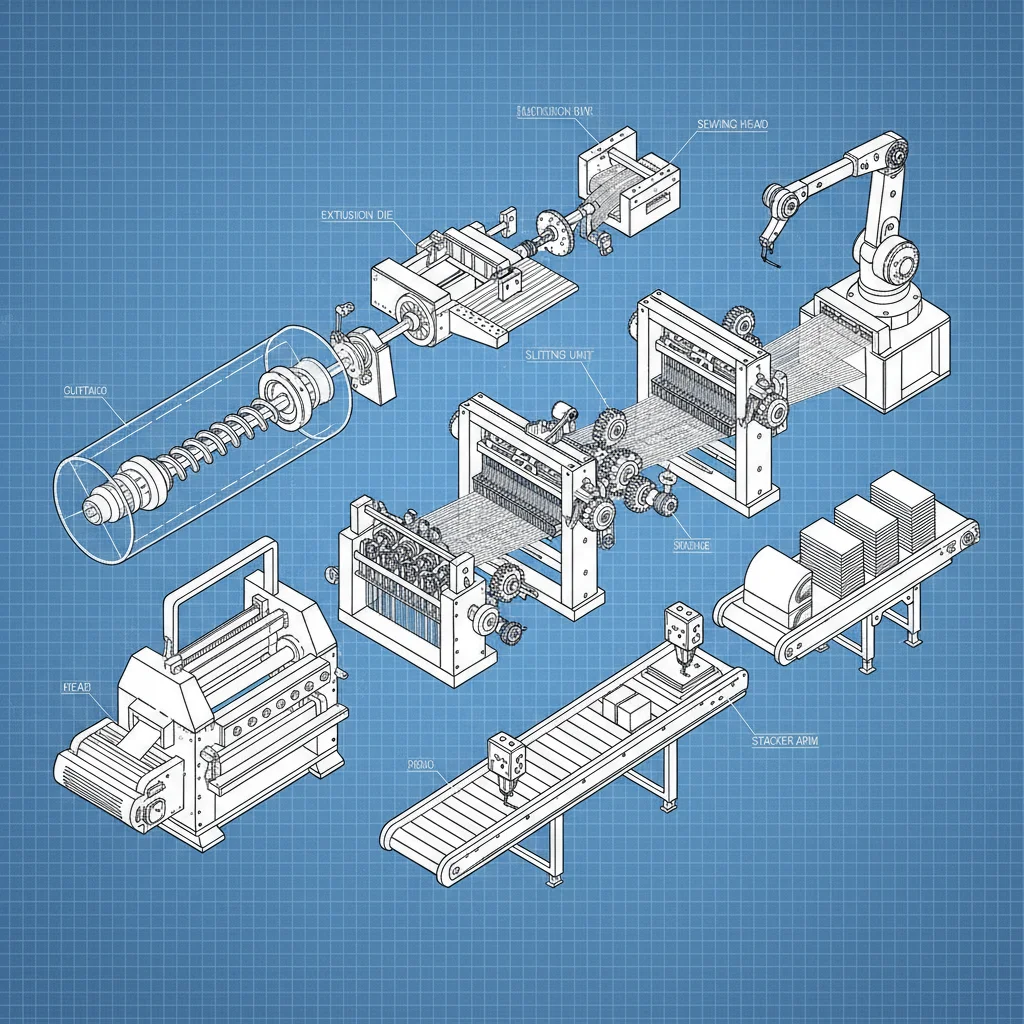
The integration of digital technologies, such as GPS tracking and drone-based monitoring, can optimize deployment and assess the effectiveness of sand bag barriers. Automated filling and stacking systems could further streamline installation processes, reducing labor costs and improving efficiency. The convergence of these trends promises a more sustainable, efficient, and resilient approach to flood control and erosion management.
Furthermore, exploring the use of geotextiles in conjunction with sand bags can enhance filtration and stability, creating even more effective protective structures. The demand for smarter, more environmentally conscious solutions will continue to drive innovation in this vital field.
FAQS
The lifespan of woven polypropylene sand bags varies depending on UV exposure, quality of the polypropylene, and environmental conditions. Typically, bags treated with UV inhibitors can last from 6 months to 2 years. Prolonged, direct sunlight significantly reduces their lifespan. Regular inspection is crucial to identify and replace damaged bags, ensuring continuous protection. Higher GSM fabrics generally offer extended durability.
Standard woven polypropylene sand bags commonly hold between 30-50 pounds (13.6-22.7 kilograms) of sand or other granular material. This weight is optimized for ease of handling and stacking while providing sufficient mass for effective barrier construction. Larger, heavy-duty bags are also available, capable of holding up to 100 pounds (45.4 kg) or more, but they require more effort to move and position.
While woven polypropylene is recyclable, the recycling infrastructure isn't always readily available, leading to landfill accumulation. However, polypropylene is relatively inert and doesn't leach harmful chemicals into the environment. Ongoing research focuses on developing biodegradable alternatives and promoting closed-loop recycling systems to minimize environmental impact. Reusing bags whenever possible is also a responsible practice.
The ideal GSM depends on the severity of the risk and the duration of protection needed. For temporary flood control or light erosion prevention, a GSM of 120-150 is usually sufficient. For more demanding applications, such as coastal defense or prolonged flood protection, a GSM of 180-220 or higher is recommended. Higher GSM translates to greater strength and durability.
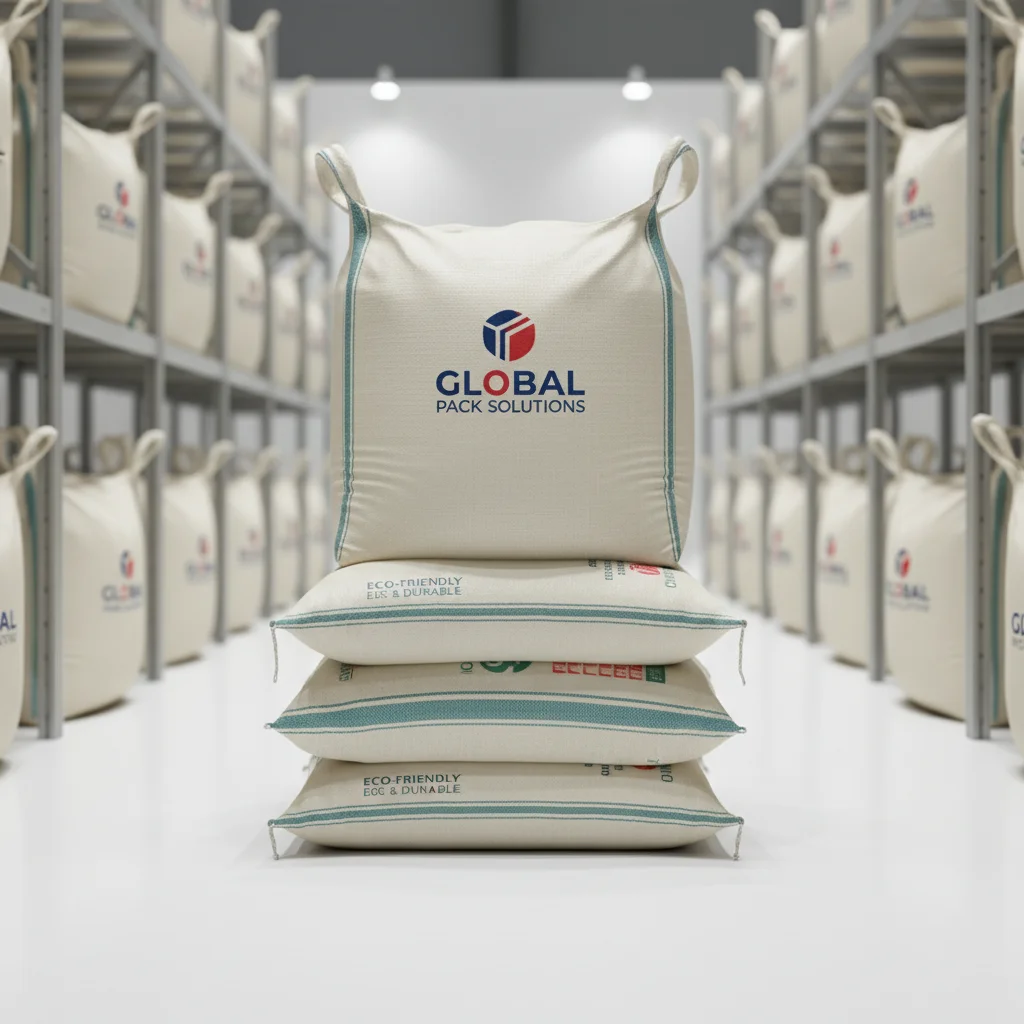
Proper storage is crucial to maximize the lifespan of woven polypropylene sand bags. Store them in a dry, well-ventilated area, away from direct sunlight and extreme temperatures. Protect them from physical damage, such as punctures or tears. Stacking them neatly on pallets can help prevent mildew and maintain their shape. If possible, cover them with a tarp to shield them from the elements.
Yes, woven polypropylene sand bags can be reused multiple times if properly maintained. After each use, inspect them for tears, punctures, or UV degradation. Clean off any debris and store them correctly as described above. However, repeated use will eventually weaken the fabric, so regular inspection and replacement of damaged bags are essential to ensure continued effectiveness.
Conclusion
Woven polypropylene sand bags represent a remarkably versatile and cost-effective solution for a wide range of challenges, from disaster preparedness to erosion control and infrastructure protection. Their durability, scalability, and ease of deployment make them an indispensable tool for communities and organizations around the globe. Understanding their properties, applications, and future trends is crucial for effective risk management and sustainable development.
Looking ahead, continued innovation in materials, manufacturing processes, and deployment technologies will further enhance the performance and sustainability of these vital protective barriers. Investing in research and development, promoting responsible disposal practices, and embracing digital solutions will ensure that woven polypropylene sand bags continue to play a critical role in safeguarding lives and infrastructure for generations to come. For reliable and high-quality woven polypropylene sand bags, visit our website: www.ssjtpack.com.