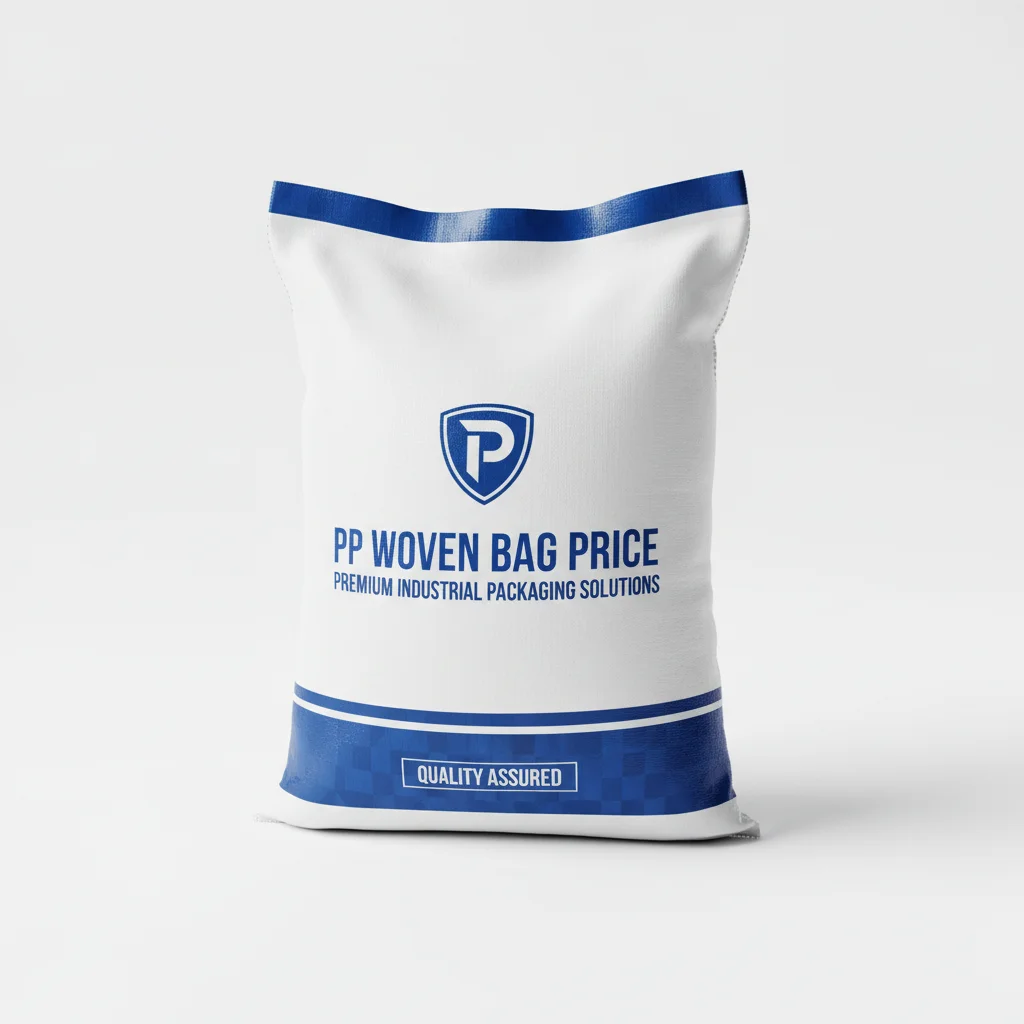
Laminated woven polypropylene bags are a versatile and cost-effective packaging solution utilized across a vast spectrum of industries globally. Their inherent strength, water resistance, and printability make them ideal for a diverse range of applications, from agricultural products and construction materials to food packaging and disaster relief. Understanding the characteristics and benefits of these bags is crucial for businesses and organizations seeking reliable and efficient packaging solutions in an increasingly demanding world.
The global demand for laminated woven polypropylene bags is steadily increasing, driven by factors such as population growth, expanding international trade, and the need for durable and reliable packaging for various commodities. This demand is particularly pronounced in developing countries where infrastructure challenges necessitate robust packaging solutions capable of withstanding harsh transportation conditions. The rise of e-commerce further fuels this demand, requiring protective and cost-effective packaging for shipments of all sizes.
These bags represent a practical answer to challenges in storage, transportation, and preservation. Beyond the commercial sector, organizations involved in humanitarian aid frequently rely on laminated woven polypropylene bags for distributing essential supplies, highlighting their critical role in addressing global needs and improving logistical efficiency during times of crisis.
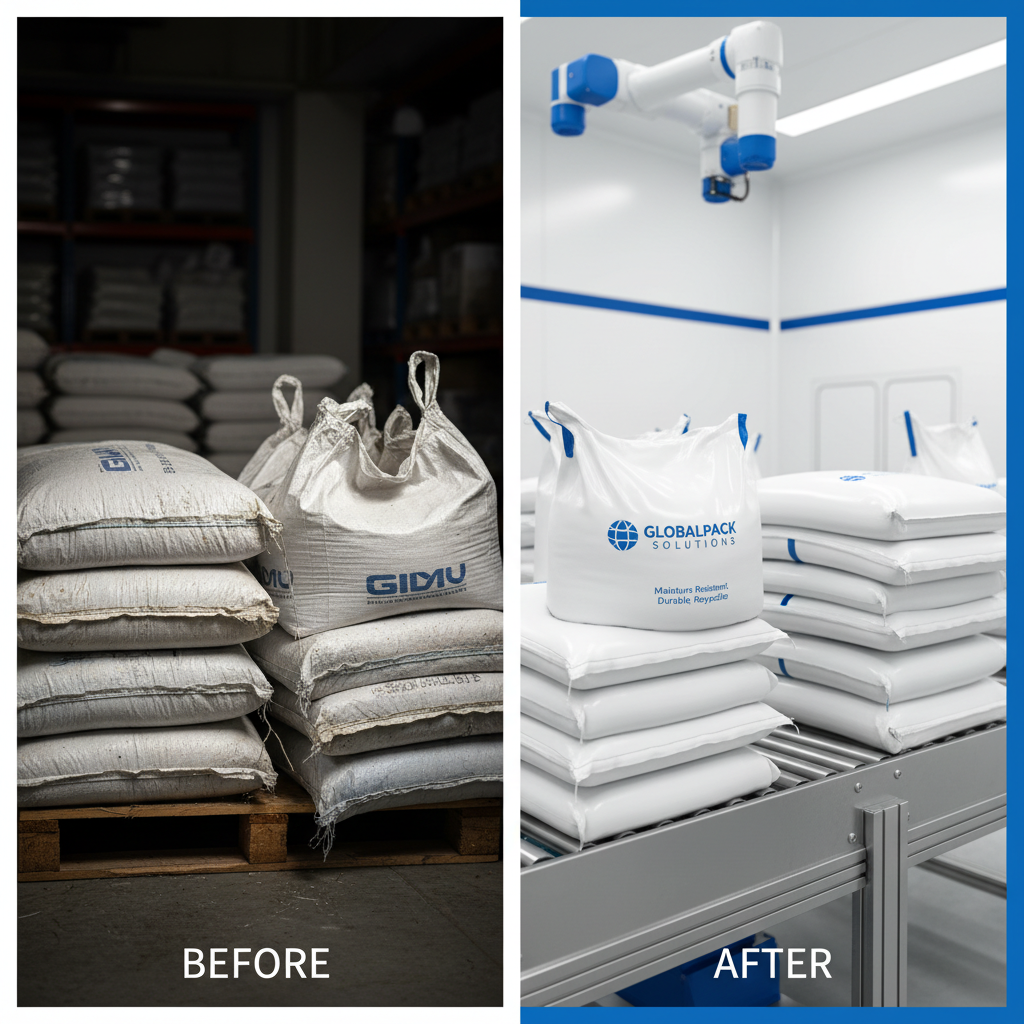
Introduction to Laminated Woven Polypropylene Bags
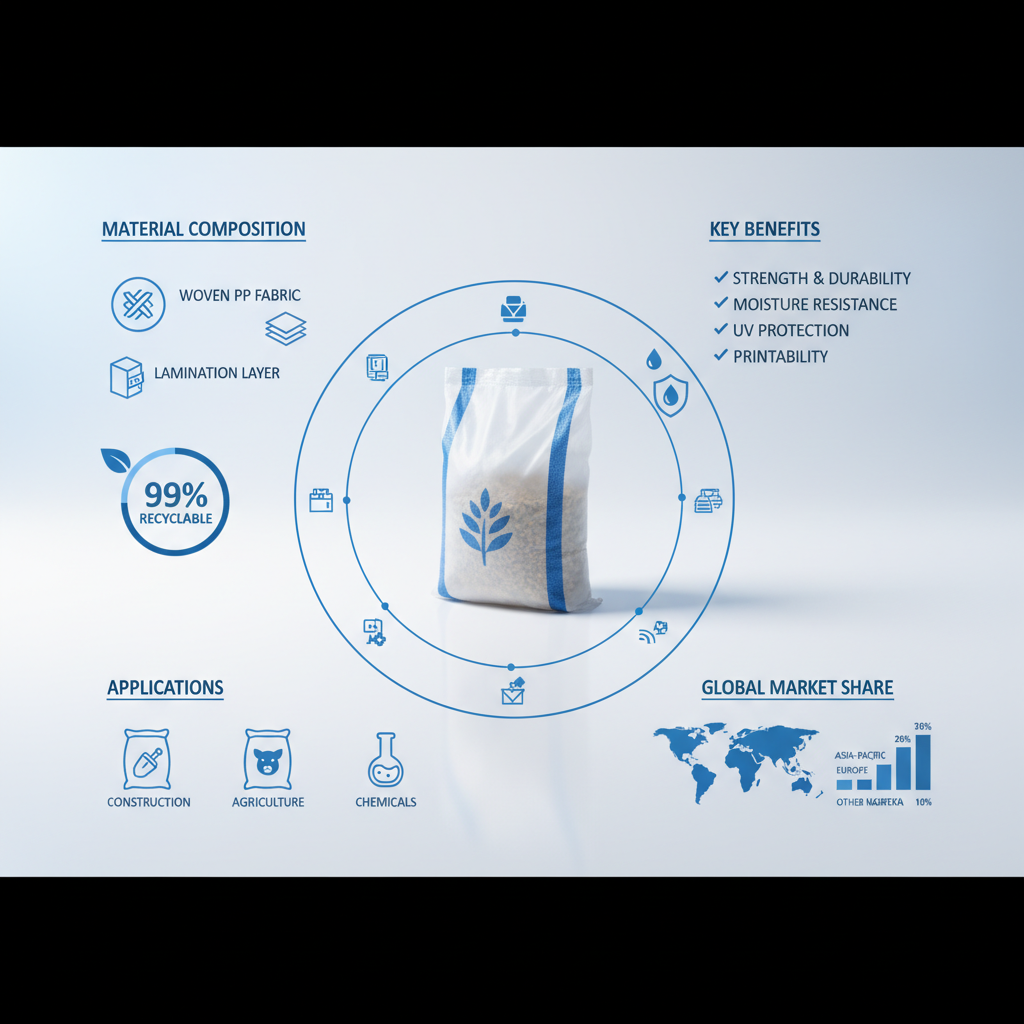
Laminated woven polypropylene bags have become a mainstay in the packaging industry due to their robust construction and adaptability. The combination of woven polypropylene fabric and a laminate layer provides a barrier against moisture, dust, and other environmental factors, making them suitable for a wide range of products, including grains, fertilizers, animal feed, and building materials. Their strength-to-weight ratio allows for efficient transportation and storage, minimizing costs and maximizing operational efficiency.
These bags aren’t merely containers; they represent a crucial link in global supply chains. The availability and affordability of laminated woven polypropylene bags contribute significantly to the efficient distribution of essential goods, supporting economic growth and alleviating logistical challenges across diverse sectors.
Defining Laminated Woven Polypropylene Bags
Laminated woven polypropylene bags are constructed from polypropylene resin, which is extruded into flat fibers and then woven into a fabric. This fabric is then coated with a laminate, typically polyethylene (PE), to enhance its strength, water resistance, and printability. The weaving process provides tensile strength, while the lamination adds a protective barrier. The thickness of the polypropylene fabric and the type of laminate used can be customized to meet specific application requirements.
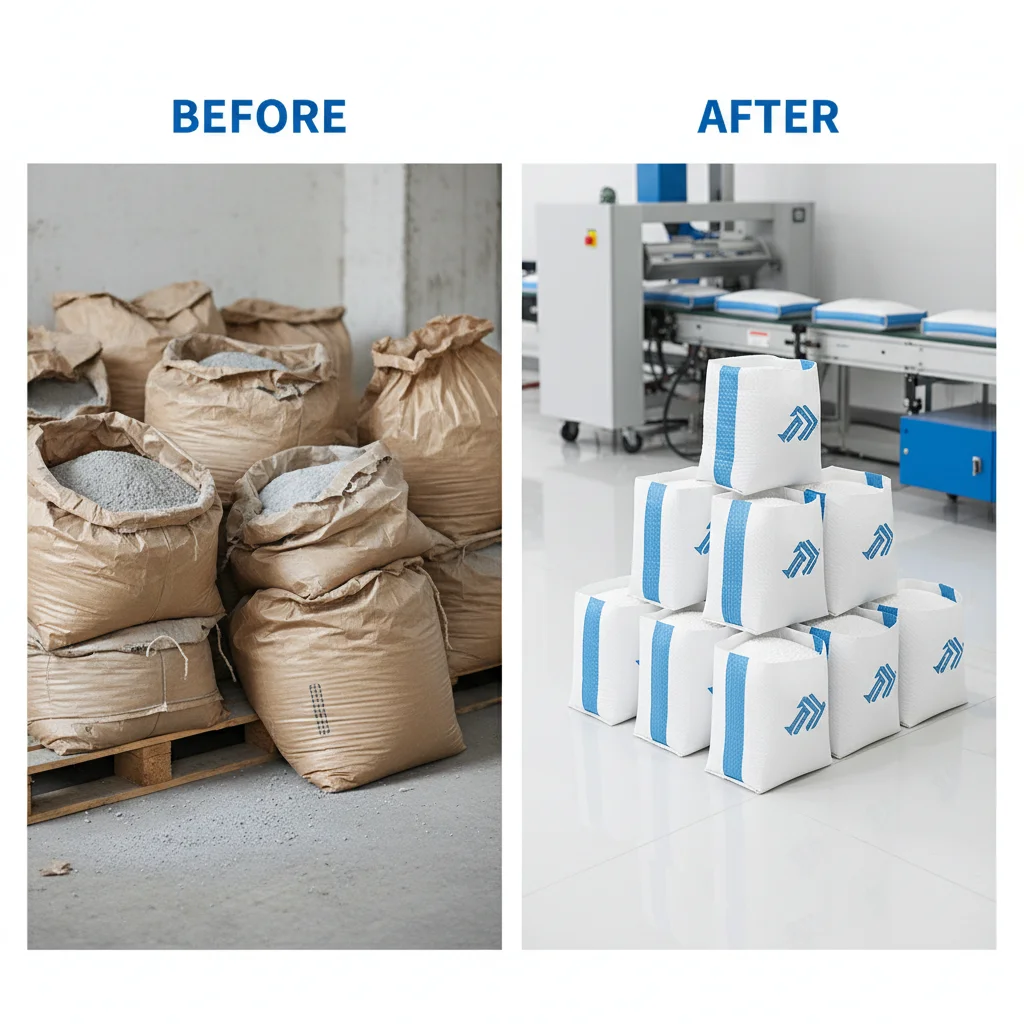
These bags are a prime example of how material science and engineering contribute to modern industrial efficiency. Their design is optimized to deliver performance and cost-effectiveness, making them a preferred choice over traditional packaging materials like paper or burlap in many applications. They’re essential components in ensuring the safe and efficient delivery of goods across global networks.
The connection to modern industry and humanitarian needs stems from their ability to reliably protect contents from environmental factors, reducing waste and ensuring product integrity. This is critical not only for business purposes, but also for delivering aid effectively in challenging environments.
Core Components and Characteristics
Several key characteristics define the effectiveness of laminated woven polypropylene bags. Durability is paramount, achieved through the tightly woven polypropylene fabric and the protective laminate layer. This construction allows the bags to withstand heavy loads and resist tearing, punctures, and abrasions during handling and transportation.
Water resistance is another crucial characteristic, provided by the laminate layer. This protection prevents moisture from damaging the contents of the bag, making it ideal for storing and transporting materials susceptible to spoilage or corrosion. The degree of water resistance can be adjusted by varying the thickness and type of laminate used.
Printability allows for clear branding and product information to be displayed on the bag’s surface. This is achieved through the laminate layer, which provides a smooth surface for high-quality printing. Custom printing enhances brand recognition and provides essential details about the product inside, aiding in inventory management and traceability.
Key Factors Affecting Performance
The performance of laminated woven polypropylene bags isn’t solely reliant on their core construction. Several external factors significantly influence their effectiveness. The denier of the polypropylene fabric – a unit of measure for fiber thickness – directly impacts tensile strength. Higher denier fabrics provide greater resistance to tearing and punctures.
The type of lamination also plays a critical role. BOPP (Biaxially Oriented Polypropylene) lamination offers enhanced clarity and printability, while PE (Polyethylene) lamination provides superior moisture resistance. The thickness of the laminate, measured in microns, directly correlates to the level of protection offered.
Performance Factors for Laminated Woven Polypropylene Bags
Global Applications and Use Cases
The versatility of laminated woven polypropylene bags makes them indispensable across numerous industries. In agriculture, they're used extensively for packaging grains, seeds, fertilizers, and animal feed, protecting these vital commodities during storage and transport. In the construction sector, they securely contain cement, sand, and other building materials, ensuring ease of handling and minimizing spillage.
The food industry utilizes these bags for packaging flour, sugar, rice, and other dry food products, maintaining freshness and preventing contamination. Moreover, in post-disaster relief operations, laminated woven polypropylene bags are frequently employed for distributing food aid, emergency supplies, and shelter materials, offering a durable and reliable solution in challenging conditions.
Advantages and Long-Term Value
The advantages of using laminated woven polypropylene bags extend beyond their immediate functionality. Cost-efficiency is a significant benefit, as they are relatively inexpensive to produce compared to other packaging materials. This makes them a viable option for businesses of all sizes, reducing packaging costs without compromising on quality or performance.
Sustainability is becoming increasingly important, and these bags offer advantages in that area as well. They are recyclable, contributing to a circular economy, and their durability reduces the need for frequent replacements, minimizing waste. The long-term value lies in their reliability, cost-effectiveness, and increasingly, their potential for sustainable practices.
Future Trends and Innovations
Innovation in the field of laminated woven polypropylene bags is focused on enhancing sustainability and performance. Research is underway to develop bags made from recycled polypropylene, reducing reliance on virgin materials and minimizing environmental impact. Bio-based laminates are also being explored as alternatives to traditional polyethylene, offering a more sustainable solution.
Digital integration is another emerging trend. The incorporation of QR codes and RFID tags into the bags allows for enhanced traceability, inventory management, and anti-counterfeiting measures. Automation in the manufacturing process is also increasing efficiency and reducing production costs. These advancements position laminated woven polypropylene bags for continued relevance in a rapidly evolving market.
Furthermore, advancements in coating technologies are leading to bags with improved barrier properties, extending the shelf life of packaged goods and reducing food waste. The integration of nanotechnology into the laminate layer may also offer enhanced protection against UV radiation and other environmental factors.
FAQS
The lifespan varies depending on usage conditions, but a well-constructed laminated woven polypropylene bag can typically last for 6-12 months when used for storing agricultural products. Factors such as UV exposure, humidity, and the weight of the contents will affect its longevity. Proper storage when not in use will maximize lifespan.
Yes, many laminated woven polypropylene bags are manufactured to meet food-grade standards. However, it's crucial to verify that the bags have been certified by relevant food safety authorities and that the laminate material is approved for direct food contact. Look for certifications like FDA or EU compliance.
The lamination process can sometimes complicate recyclability, as the polyethylene layer isn’t always compatible with polypropylene recycling streams. However, advancements in recycling technologies are improving the ability to separate and recycle the layers. Always check with local recycling facilities for guidance.
BOPP (Biaxially Oriented Polypropylene) lamination offers excellent clarity and printability, making it ideal for visually appealing packaging. PE (Polyethylene) lamination provides superior moisture resistance and is more cost-effective. The choice depends on the specific application requirements.
Yes, these bags are highly customizable. Manufacturers can produce bags in a wide range of sizes, colors, and designs. Custom printing options include logos, product information, and branding elements. This flexibility makes them suitable for diverse applications and marketing strategies.
UV-stabilized bags contain additives that protect the polypropylene fabric from degradation caused by sunlight exposure. This significantly extends the bag's lifespan when used outdoors, preventing brittleness and maintaining its strength. They are crucial for applications where prolonged sun exposure is unavoidable.
Conclusion
In conclusion, laminated woven polypropylene bags represent a cornerstone of modern packaging and logistics. Their unique combination of strength, durability, water resistance, and cost-effectiveness makes them an indispensable solution across a broad spectrum of industries, from agriculture and construction to food and humanitarian aid. The ability to customize these bags to meet specific needs, coupled with their growing sustainability credentials, solidifies their position as a versatile and reliable packaging choice.
Looking ahead, continued innovation in materials, manufacturing processes, and digital integration will further enhance the performance and sustainability of these bags. We encourage businesses and organizations to explore the benefits of laminated woven polypropylene bags for their packaging needs, contributing to more efficient, cost-effective, and sustainable supply chains.