Woven polypropylene feed bags – you see 'em everywhere, right? From hauling grain on a farm in Kansas to delivering emergency rations after a typhoon in the Philippines. They’re those tough, seemingly simple sacks that keep the world fed, and honestly, they’re a marvel of modern engineering. They’re not glamorous, but they’re essential. I’ve spent the last fifteen years on construction sites, handling materials, and a lot of that involves understanding packaging. And let me tell you, a good woven polypropylene feed bag is the difference between a smooth operation and a total headache. We’re talking about reliably moving tons of product, protecting it from the elements, and doing it all cost-effectively. Understanding these bags isn't just about the material; it’s about logistics, resilience, and ultimately, making sure people get what they need, when they need it.
Globally, the demand for efficient and robust packaging is skyrocketing, driven by increasing food production, expanding international trade, and the need for disaster relief. The UN Food and Agriculture Organization estimates that roughly a third of all food produced globally is lost or wasted – a significant portion of that is due to inadequate packaging and storage. That’s a massive problem, and woven polypropylene feed bags play a vital role in mitigating that loss. We're talking about billions of dollars and millions of tons of food. It's not a niche market; it’s a fundamental part of the global supply chain. From a practical standpoint, I’ve seen firsthand how switching to a higher-quality bag can drastically reduce spoilage and damage during transport, directly impacting a company’s bottom line and reducing food insecurity.
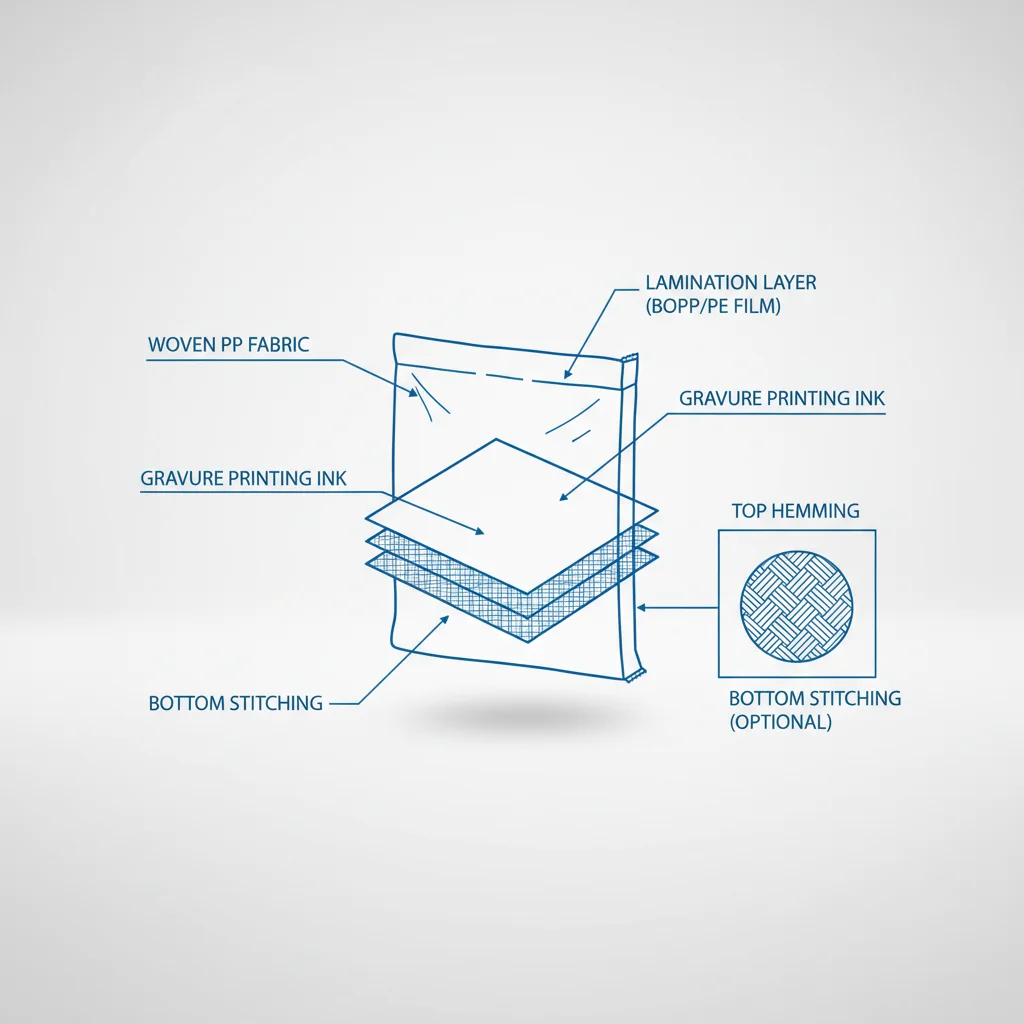
Simply put, woven polypropylene feed bags are industrial-grade containers made from polypropylene plastic woven into a fabric. Think of it like a super strong, flexible mesh. This fabric is then often coated or laminated for extra strength and water resistance. What's important to understand is it's not just the plastic itself, it’s the weaving process. That's what gives it that incredible strength-to-weight ratio. It’s a relatively low-cost material, but incredibly versatile, making it ideal for everything from agricultural products to building materials. In today’s world, where humanitarian organizations need to quickly and efficiently distribute aid, and industries need reliable and scalable packaging solutions, woven polypropylene feed bags are a critical piece of the puzzle.
Introduction: Global or Industry Context
The need for efficient and reliable bulk packaging is massive, and woven polypropylene feed bags meet that need head-on. Think about the sheer volume of agricultural products moved around the world daily. It's not just grain; it’s rice, sugar, coffee, fertilizer – the list goes on. The World Bank estimates that global trade in agricultural commodities is worth trillions of dollars annually, and a significant portion of that relies on these bags. They're the workhorses of the supply chain, often overlooked, but absolutely crucial. I’ve seen operations grind to a halt because of substandard bags – ripped seams, inadequate moisture protection, and ultimately, lost product and money. It's not just about cost; it’s about ensuring a stable and secure food supply.
The challenges we face with global food security and disaster relief are only intensifying, and that increases the importance of having robust, affordable packaging solutions. Climate change, geopolitical instability, and population growth all contribute to increased demand and greater logistical complexity. Woven polypropylene feed bags offer a relatively inexpensive and adaptable solution, particularly in developing countries where infrastructure might be limited. I’ve worked in areas where these bags are literally lifelines, providing a means to transport and store food in regions lacking proper warehousing facilities. The simplicity and durability are key – they don't require specialized handling equipment or complex storage protocols.
What I've learned over the years, spending time on the ground, is that the seemingly small details—the denier of the polypropylene, the type of weave, the coating—make a huge difference. A slightly thicker weave might add a few cents to the cost per bag, but it can prevent catastrophic failure during transport, saving a company (or an aid organization) thousands of dollars and preventing a significant loss of product. That’s where the expertise comes in—knowing what specifications are truly critical for a particular application. It’s not just about buying a bag; it’s about understanding the entire supply chain and ensuring that the packaging can withstand the stresses it will encounter.
Definition & Meaning
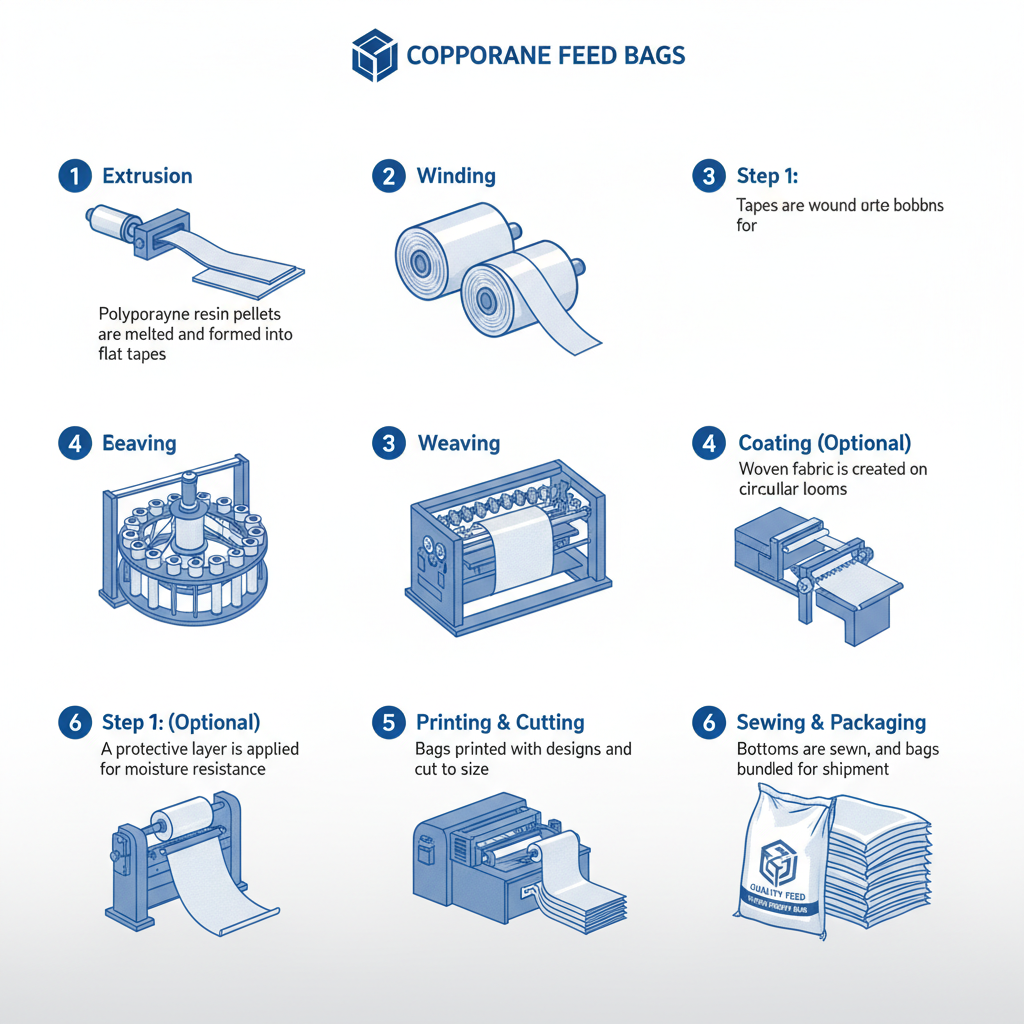
Woven polypropylene feed bags, at their core, are containers crafted from polypropylene, a thermoplastic polymer. The plastic is extruded into long, flat ribbons and then woven together, much like cloth. This creates a strong, durable fabric that can hold significant weight. They’re commonly referred to as PP woven bags. What separates them from, say, plastic film bags, is this weaving process – it imparts a tensile strength that plastic film just can't match. You’re not just relying on the strength of the plastic itself, but the interlocking of the woven fibers.
Their connection to modern industry is almost unavoidable. From agriculture to construction, chemicals to consumer goods, they’re used to transport and store virtually anything in bulk. But their importance extends beyond just commerce. In humanitarian contexts, these bags are often the first line of defense against food shortages, providing a reliable and cost-effective way to deliver essential supplies to those in need. I’ve seen these bags repurposed for everything from building temporary shelters to creating water barriers – they’re incredibly versatile.
Ultimately, they represent a practical solution to a fundamental problem: how to safely and efficiently move goods. It's a testament to simple, effective design. We take them for granted, but they're a cornerstone of our global economy, ensuring that products get from point A to point B reliably and affordably. It’s a quiet revolution in packaging that’s often unseen, but always impactful.
Key Factors or Core Components
Durability: This is the big one. The strength of a woven polypropylene feed bag is directly tied to the denier of the polypropylene yarn (the thickness of the individual fibers) and the weave density. Higher denier and tighter weaves mean a stronger bag. I’ve seen bags fail when they’re stretched beyond their capacity, and it's usually due to using inadequate materials or a poor weave. That’s where understanding load requirements is crucial.
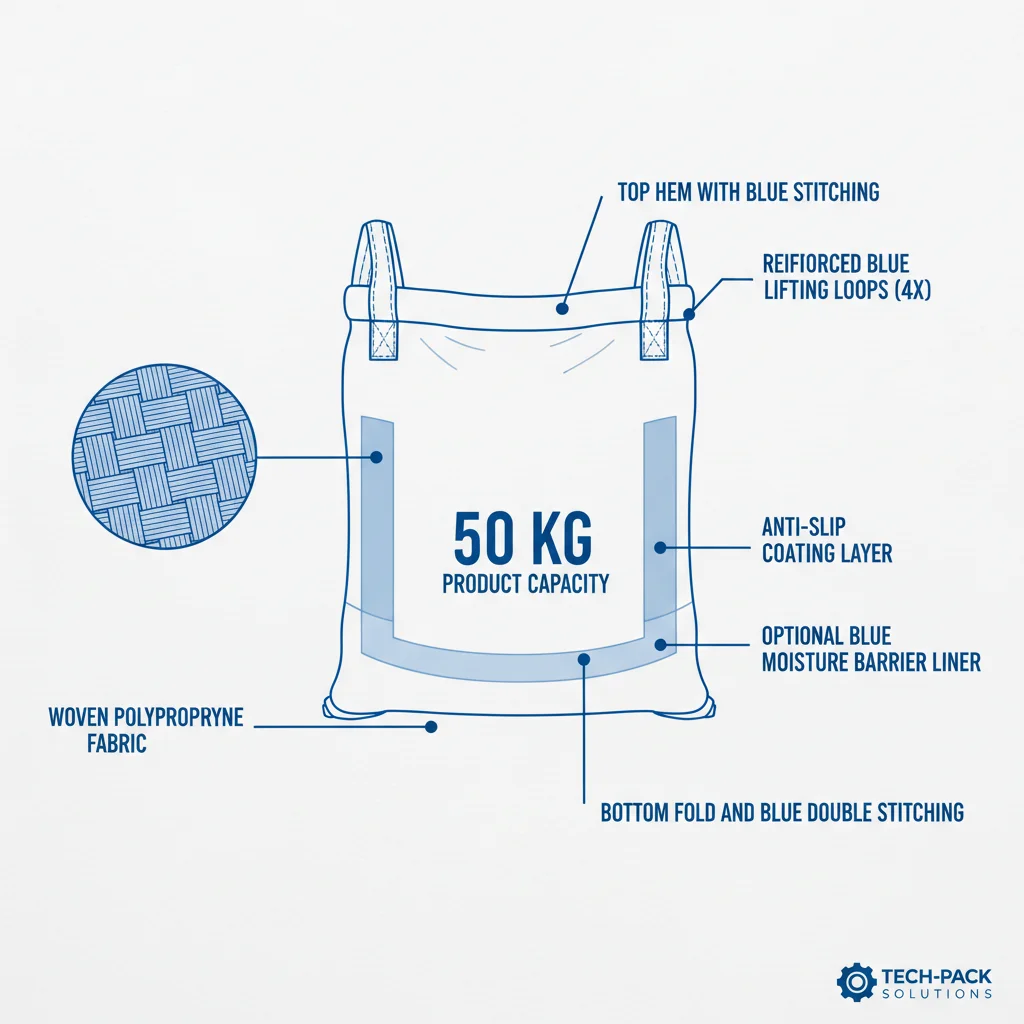
Water Resistance: Polypropylene itself isn’t inherently waterproof, so most feed bags are coated or laminated with polyethylene (PE) to provide a barrier against moisture. The thickness of this coating is vital – a thin coating won’t hold up in heavy rain or humid conditions. We often specify different coating thicknesses based on the climate and the product being transported. For sensitive materials, you might even add an inner liner for extra protection.
UV Resistance: Prolonged exposure to sunlight can degrade polypropylene, making it brittle and prone to tearing. UV stabilizers are added to the plastic during manufacturing to combat this. The amount of UV stabilizer is critical, especially for bags that will be stored outdoors for extended periods. Without adequate UV protection, the bags can become unusable in a matter of months.
Seam Strength: The seams are the weakest points of any woven polypropylene feed bag. Proper stitching and the use of high-quality thread are essential. Different types of stitching (single stitch, double stitch, chain stitch) offer varying levels of strength. We usually opt for double stitching for heavier loads.
Printability: While not directly related to functionality, the ability to print branding, product information, and handling instructions on the bag is important for marketing and logistics. The type of ink and printing method used must be compatible with polypropylene and the coating. A faded or smudged print doesn’t inspire confidence.
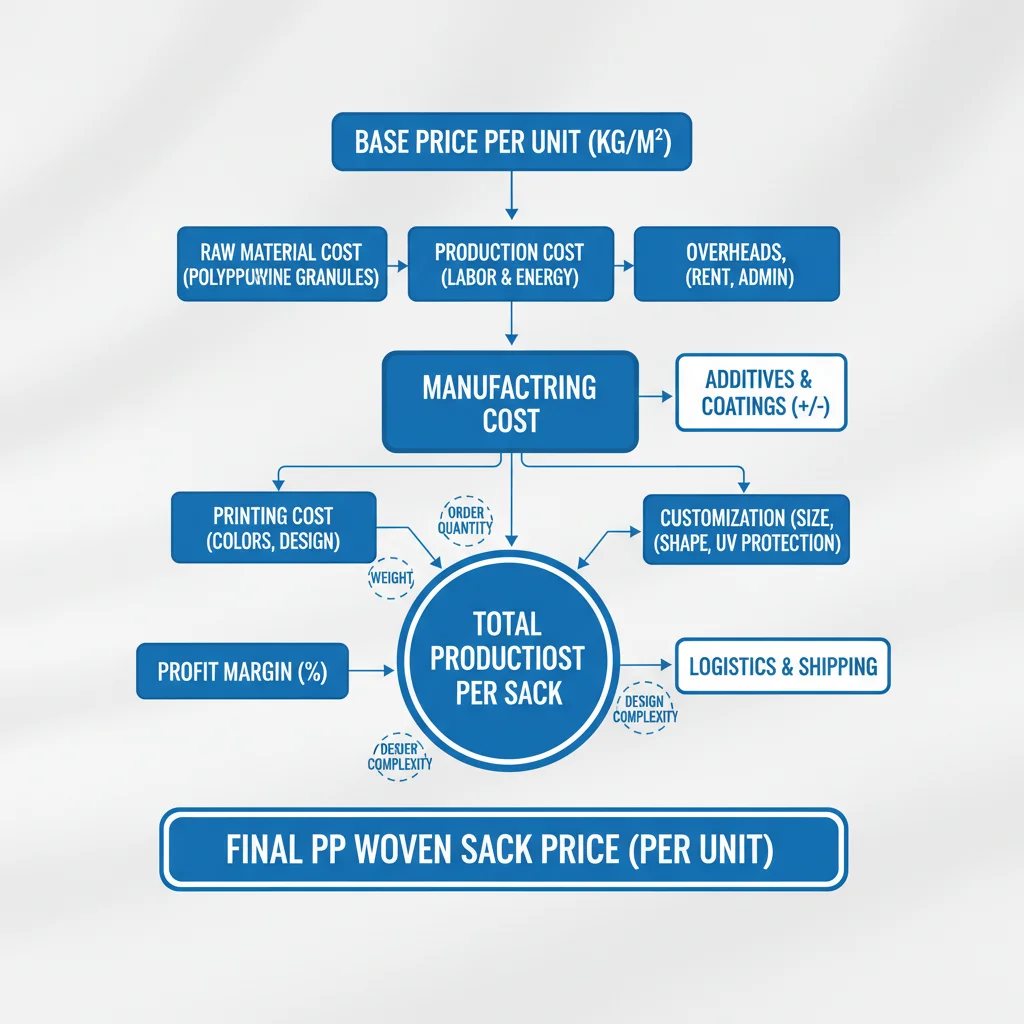
Cost Efficiency: Woven polypropylene is a relatively inexpensive material, making these bags a cost-effective packaging solution. This affordability is a key factor in their widespread adoption, particularly in developing countries.
Global Applications & Use Cases
In agriculture, you’ll find woven polypropylene feed bags used to transport everything from grain and rice to coffee beans and sugar. It’s the standard for bulk agricultural commodities worldwide. I’ve seen massive stockpiles of these bags on farms in the Midwest, ready to go at harvest time. They’re also heavily used in the fertilizer industry, transporting crucial nutrients to farmers across the globe. The sheer volume handled is staggering.
Beyond agriculture, they’re used extensively in the construction industry for transporting cement, sand, and other building materials. They’re also common in the chemical industry for packaging resins, powders, and other bulk chemicals. In post-disaster relief operations, these bags are invaluable for delivering food, water, and other essential supplies to affected communities. I’ve personally helped distribute aid in the aftermath of hurricanes and earthquakes, and woven polypropylene feed bags were always the preferred method for transporting supplies.
In remote industrial zones, where access to specialized packaging solutions is limited, woven polypropylene feed bags are often the only viable option. They’re robust enough to withstand rough handling and challenging transportation conditions. I once worked on a project in a remote mining operation in South America, and these bags were critical for transporting ore and supplies. Their simplicity and durability made them perfectly suited for the harsh environment.
Advantages & Long-Term Value
The biggest advantage is undeniably the cost-effectiveness. You get a lot of strength and durability for your money. Compared to alternatives like wooden pallets or rigid plastic containers, woven polypropylene feed bags are significantly cheaper, especially when you factor in shipping costs. It's a practical choice for businesses operating on tight margins.
But it’s not just about cost. The sustainability aspect is becoming increasingly important. Polypropylene is recyclable, and while recycling rates aren’t currently as high as they should be, there's a growing push to develop closed-loop recycling systems for these bags. From a social impact standpoint, they help reduce food waste and ensure that essential supplies reach those who need them, offering a sense of security and dignity. Long-term, investing in quality woven polypropylene feed bags can save companies money, reduce environmental impact, and improve their overall supply chain resilience.
Woven Polypropylene Feed Bag Performance Metrics
Future Trends & Innovations
We're seeing a push towards incorporating recycled polypropylene into the manufacturing process, reducing reliance on virgin plastic. This is a big step towards sustainability, but it requires overcoming challenges related to material consistency and quality. It’s not a simple substitution – the properties of recycled polypropylene can vary depending on the source.
There’s also increasing interest in bio-based polypropylene, derived from renewable sources like corn or sugarcane. This could significantly reduce the carbon footprint of these bags, but it's still in the early stages of development and faces cost challenges. Digitalization is also playing a role, with companies using sensors and data analytics to track bag performance and optimize supply chains.
Challenges & Solutions
One of the biggest challenges is proper disposal and recycling. Many woven polypropylene feed bags end up in landfills, contributing to plastic pollution. We need to improve collection and sorting infrastructure, and incentivize recycling programs. Education is also key – consumers and businesses need to understand the importance of properly disposing of these bags.
Another challenge is maintaining quality control throughout the supply chain. Variations in polypropylene quality and weaving techniques can lead to inconsistent bag performance. Implementing rigorous testing standards and working with reputable manufacturers are crucial. We often conduct on-site audits of factories to ensure they meet our quality requirements.
Finally, there’s the issue of microplastic pollution. As these bags degrade, they can release microplastics into the environment. Developing more durable and biodegradable materials is a long-term solution, but in the meantime, promoting responsible use and disposal practices is essential.
Challenges and Solutions - Detailed Analysis
This section summarizes core strategies to overcome limitations in woven polypropylene feed bag application and usability.
The future of woven polypropylene feed bags depends on innovation and a commitment to sustainability.
Understanding and addressing these challenges is crucial for maximizing the benefits of this versatile and essential packaging solution.
Summary of Key Challenges and Proposed Solutions for Woven Polypropylene Feed Bags
| Challenge Area |
Impact on Performance |
Proposed Solution |
Implementation Cost (1-10) |
| Material Degradation |
Reduced bag strength, increased risk of tearing and product loss. |
Incorporate UV stabilizers and antioxidants into the polypropylene formulation. |
4 |
| Recycling Infrastructure |
Low recycling rates, leading to landfill accumulation and environmental pollution. |
Invest in collection and sorting facilities, promote extended producer responsibility. |
7 |
| Seam Integrity |
Weak seams resulting in bag failure during handling and transportation. |
Implement rigorous quality control measures during stitching, use high-strength thread. |
3 |
| Moisture Resistance |
Product spoilage due to moisture ingress, particularly in humid environments. |
Apply thicker PE coatings or inner liners to provide a more effective moisture barrier. |
5 |
| Microplastic Release |
Environmental contamination from microplastic particles as the bag degrades. |
Develop biodegradable polypropylene formulations or promote responsible disposal practices. |
8 |
| Supply Chain Transparency |
Difficulty tracking bag origin and ensuring ethical sourcing practices. |
Implement blockchain technology or other tracking systems to enhance supply chain visibility. |
6 |
FAQS
The lifespan really depends on the intended use and the quality of the bag. A well-made bag, used for relatively dry, non-abrasive materials, can last through multiple cycles of filling, transport, and emptying. Typically, you're looking at anywhere from six months to a year or more with proper handling. UV exposure and harsh weather will obviously shorten that lifespan.
Yes, they are technically recyclable, but the infrastructure for recycling them isn’t widely available yet. Polypropylene is a #5 plastic, which is recyclable, but many municipal recycling programs don't accept it. There's a growing effort to develop dedicated recycling streams for PP woven bags, but it's still an evolving process. You can often find drop-off locations at plastic recycling facilities.
It varies based on the bag’s construction – denier, weave density, and seam strength – but a standard bag typically has a Safe Working Load (SWL) of between 50kg and 100kg (110lbs to 220lbs). It’s crucial not to exceed the SWL, as it can lead to bag failure and potential safety hazards. Always check the manufacturer’s specifications.
The most common coating is polyethylene (PE), which provides water resistance and adds strength. You'll find various thicknesses of PE coating. PP lamination is also used, offering even greater protection. Sometimes, a BoPP (Biaxially Oriented Polypropylene) coating is used for improved clarity and printability. The choice depends on the product being packaged and the environmental conditions.
Absolutely. Most manufacturers offer custom printing services. You can print logos, product information, handling instructions, or any other desired graphics on the bags. Flexographic printing is the most common method used. The type of ink used needs to be compatible with polypropylene and the coating.
There’s a growing interest in bio-based polypropylene derived from renewable sources, but it’s not yet widely available or cost-competitive. Some manufacturers are experimenting with compostable materials, but these often lack the strength and durability of traditional PP woven bags. It’s an area of ongoing research and development.
Conclusion
Woven polypropylene feed bags are more than just simple sacks; they’re a critical component of the global supply chain, playing a vital role in agriculture, industry, and humanitarian aid. Their cost-effectiveness, durability, and versatility make them an indispensable packaging solution. From ensuring food security to facilitating disaster relief, these bags touch countless lives every day. Investing in higher-quality materials, promoting responsible disposal practices, and fostering innovation in sustainable materials are all key to maximizing the benefits of this essential product.
Looking ahead, the future of woven polypropylene feed bags lies in embracing sustainability and technological advancements. Developing closed-loop recycling systems, incorporating bio-based materials, and leveraging digitalization to optimize supply chains will be crucial. By addressing the challenges and seizing the opportunities, we can ensure that these humble yet powerful containers continue to serve the world for generations to come. For more information and to explore our range of woven polypropylene feed bag solutions, visit our website: woven polypropylene feed bags.