pp woven cement bags are the workhorses of the construction industry. After years spent on sites, dealing with everything from small renovations to massive infrastructure projects, I can tell you firsthand that the quality of your packaging directly impacts efficiency, cost, and even safety. It’s not just about holding cement; it’s about reliable performance under tough conditions. These bags are crucial for transporting and storing cement, ensuring its integrity until it's ready for use, and they’ve become absolutely essential for modern building practices. We’ve seen a huge shift towards needing dependable, large-scale solutions, and that’s where the versatility of pp woven cement bags really shines.
Beyond construction, these bags are vital for agricultural products, chemical compounds, and even disaster relief. I've seen them being used to deliver emergency supplies in flood-affected areas – their durability and water resistance are lifesavers. The global demand is steadily increasing, driven by urbanization and infrastructure development, especially in emerging economies. The UN and organizations like the World Bank rely on this type of packaging for large-scale aid distribution, demonstrating its importance on a humanitarian level. What's often overlooked is the ongoing challenge of ensuring consistent quality and sustainable sourcing, which are issues we're constantly addressing in the field.
Honestly, without robust packaging like pp woven cement bags, modern logistics in construction and humanitarian aid would grind to a halt.
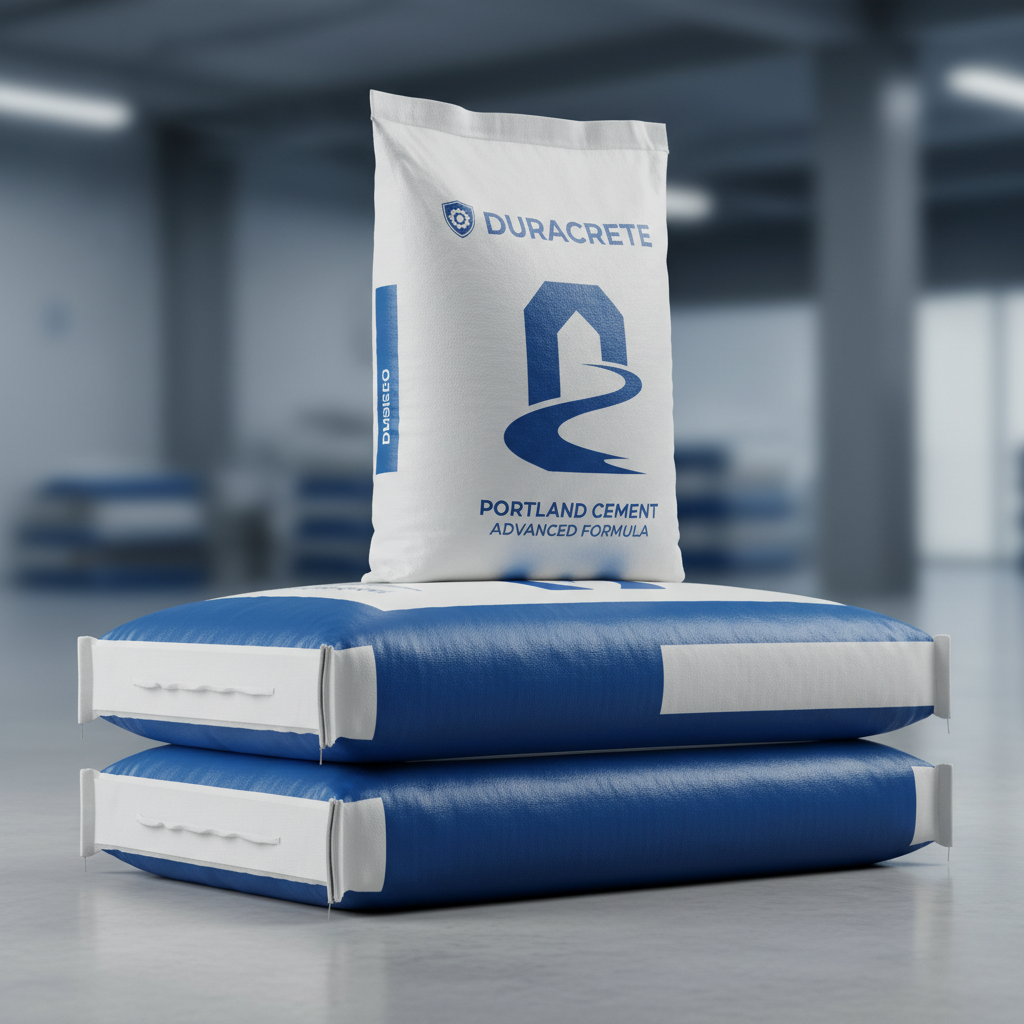
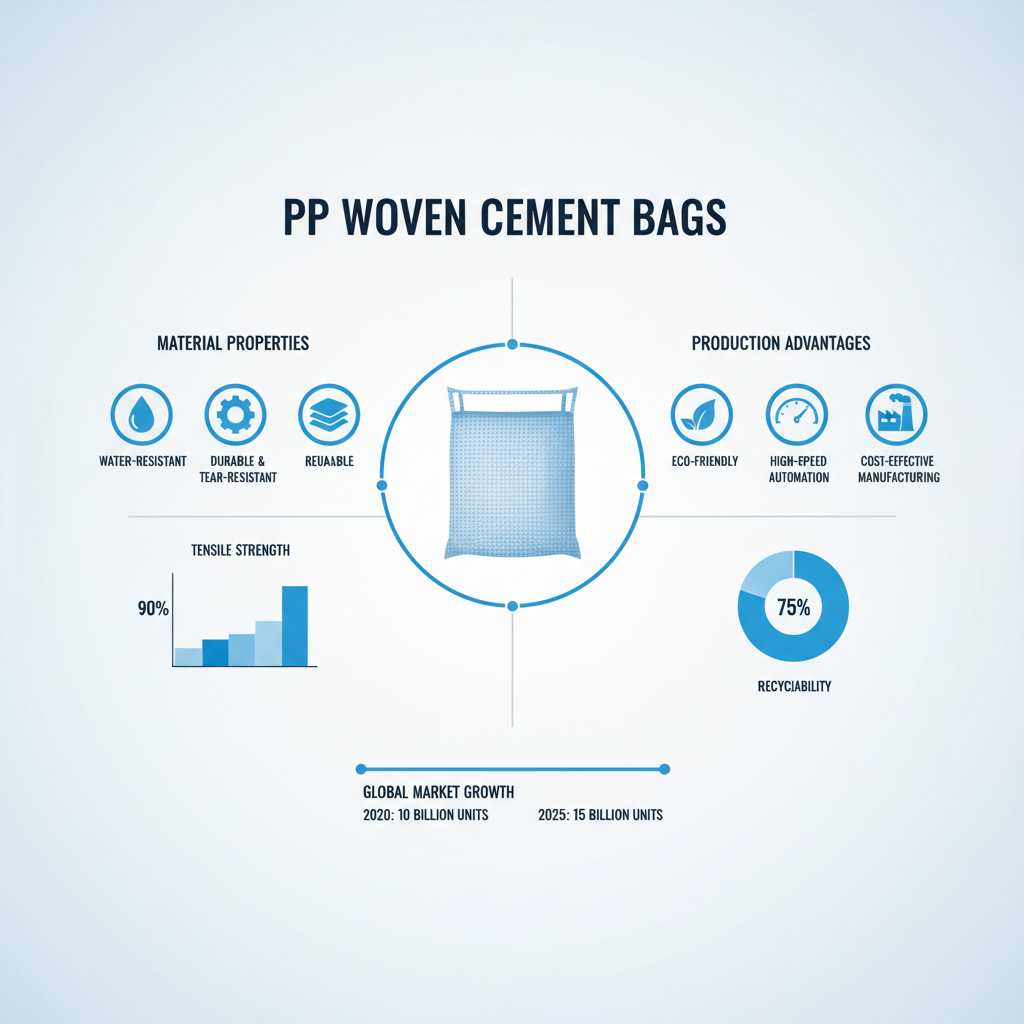
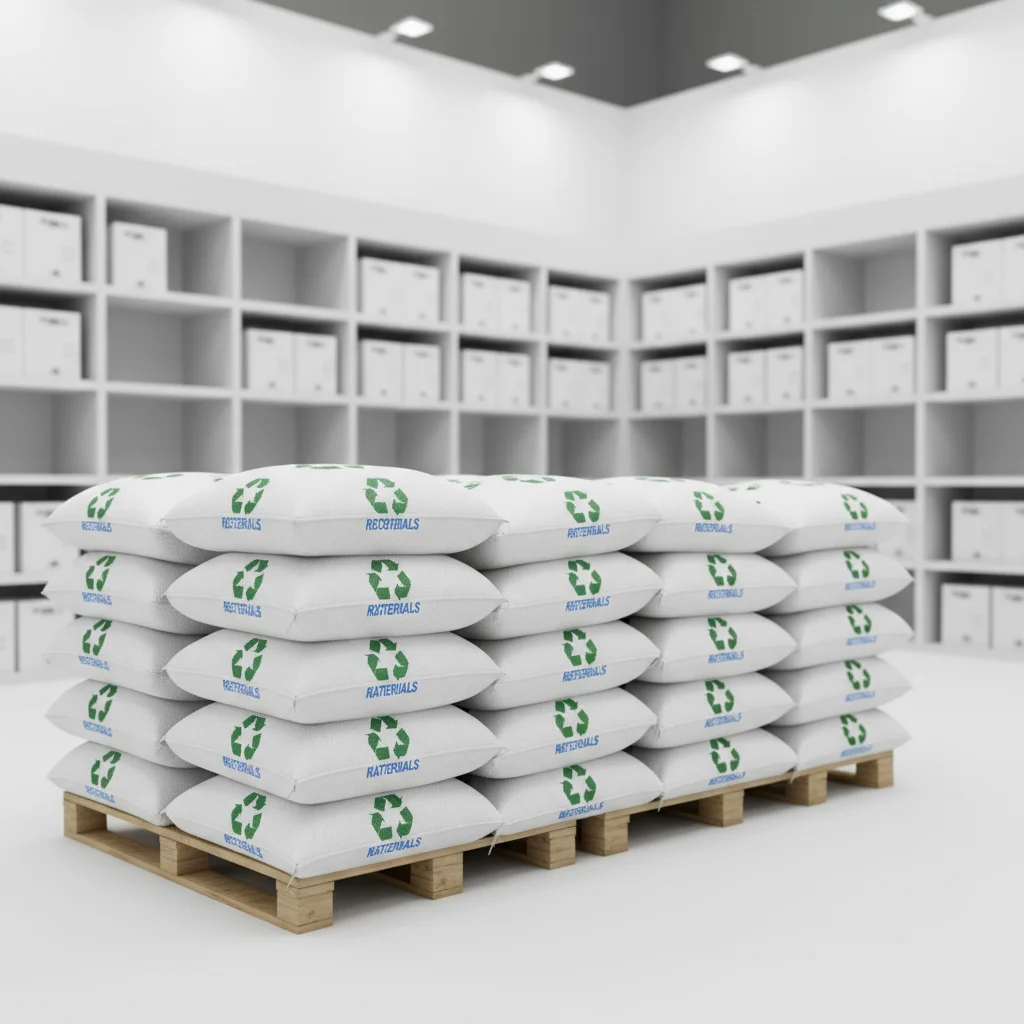
From the perspective of someone who's spent years on construction sites, it's clear that pp woven cement bags are more than just containers. They're an integral part of the workflow. We're talking about consistent sizing for palletization, reliable strength to withstand stacking, and resistance to punctures from rebar and other materials on site. The bags themselves impact the ease with which crews can move materials around, and that translates directly into project timelines.
We consistently evaluate the cost-effectiveness of various packaging solutions, and honestly, pp woven bags frequently come out on top. They offer a really good balance between initial cost, durability, and the minimized risk of product loss during transport and storage. It's a practical choice that directly impacts a project’s bottom line.
Typically, a well-manufactured pp woven cement bag should last through the entire transportation and storage process, roughly 3-6 months, without significant degradation, assuming it’s not exposed to extreme weather conditions or mishandling. We’ve seen bags last longer, even up to a year, if stored properly indoors. It really depends on the quality of the bag and how it’s treated on the job site.
Yes, pp woven cement bags are recyclable, but the process isn’t as straightforward as with some other plastics. Contamination from cement residue is a major challenge, requiring specialized cleaning processes. Currently, recycling infrastructure for this type of plastic is limited in many areas, but it’s improving. Look for suppliers who participate in recycling programs or offer take-back initiatives.
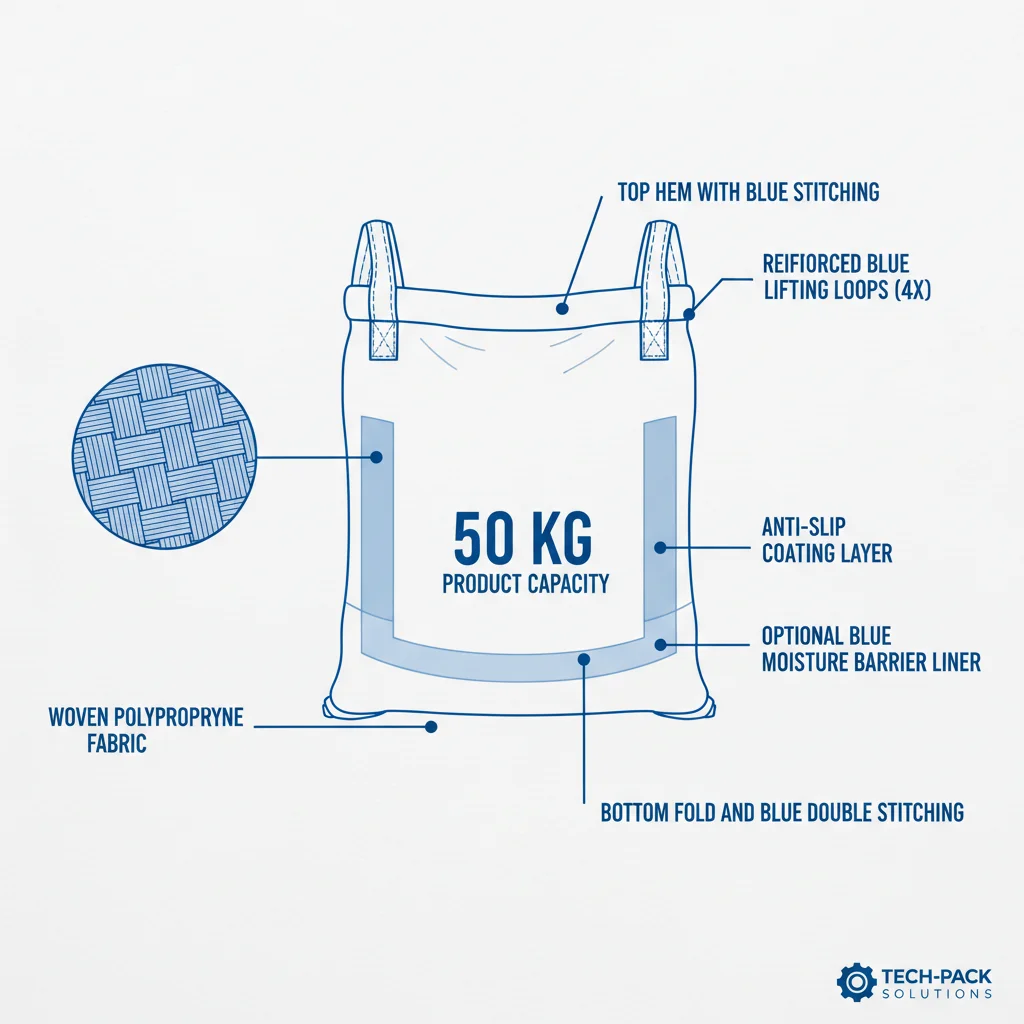
GSM, or grams per square meter, indicates the bag’s weight and density. Heavier cement types require bags with a higher GSM to prevent tearing and bursting. Generally, for standard Portland cement, a GSM of 140-160 is sufficient. For heavier cements or applications requiring extra durability, you’ll want a GSM of 170-200 or even higher. It's about matching the bag's strength to the load it needs to carry.
Polyethylene (PE) lamination is the most common, offering good moisture resistance and a reasonable cost. BOPP (biaxially oriented polypropylene) lamination provides superior moisture resistance and a glossy finish, but it’s more expensive. The thickness of the lamination also plays a role – thicker lamination provides better protection. Choosing the right lamination depends on the climate and the storage conditions.
Look for suppliers with ISO 9001 certification, which demonstrates a commitment to quality management. Ask for test reports for tensile strength, seam strength, and water resistance. Visit their manufacturing facility if possible to assess their production processes and quality control measures. A reputable supplier will be transparent about their materials and processes.
Absolutely! Most manufacturers offer customization options, including printing your logo, product details, and safety information directly onto the bags. Flexographic printing is the most common method. Customization not only enhances your branding but also provides important information to end-users. Ensure the printing ink is durable and won't fade or smear during handling.
pp woven cement bags are a foundational element of the construction and logistics industries, offering a durable, cost-effective, and versatile packaging solution. Their importance extends beyond simply containing cement – they impact efficiency, safety, and sustainability across the entire supply chain. Understanding the key factors that determine bag quality and staying abreast of emerging innovations will be crucial for professionals in these fields.
As we move towards more sustainable practices and increased digitalization, expect to see even more advancements in pp woven cement bag technology. By embracing these innovations and prioritizing quality, we can ensure that these workhorses continue to support the building of a more resilient and sustainable future. For reliable pp woven cement bags, visit our website: pp woven cement bags.

Hit enter to search or ESC to close