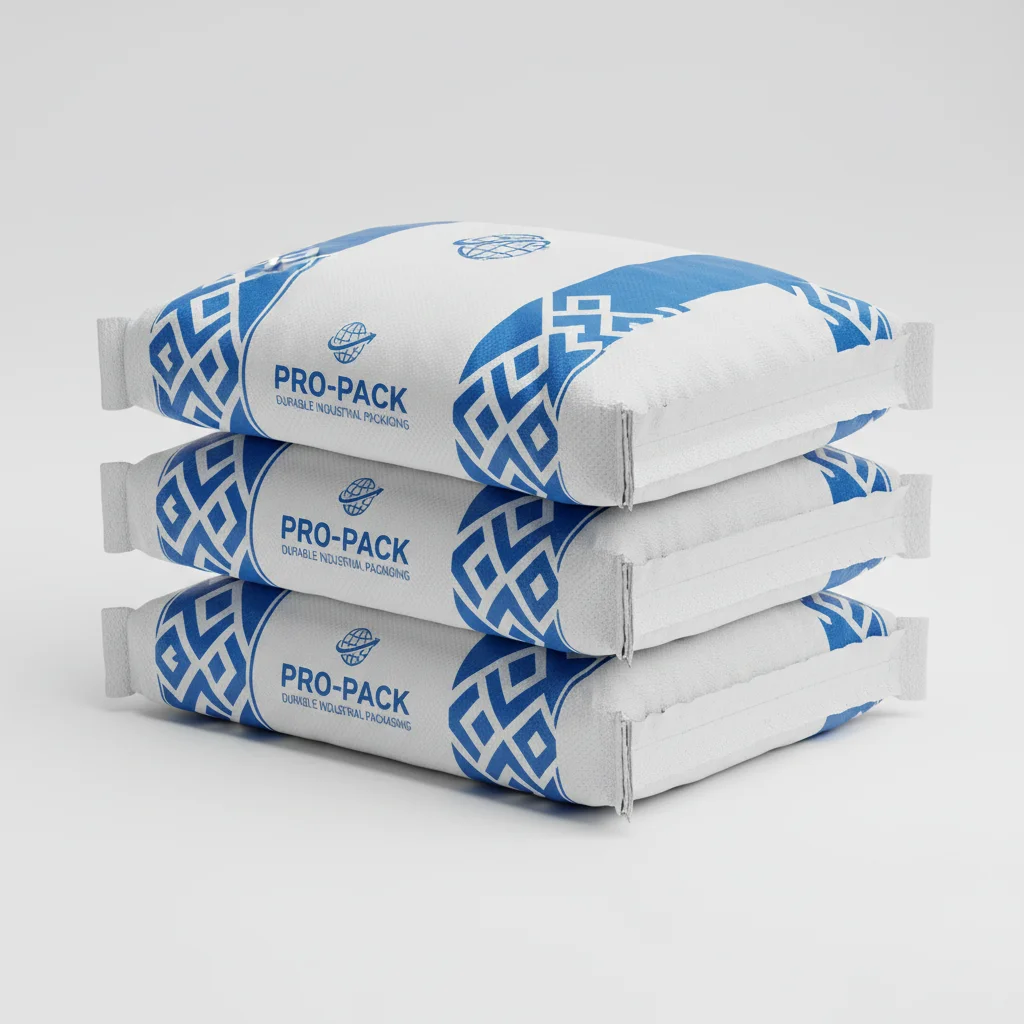
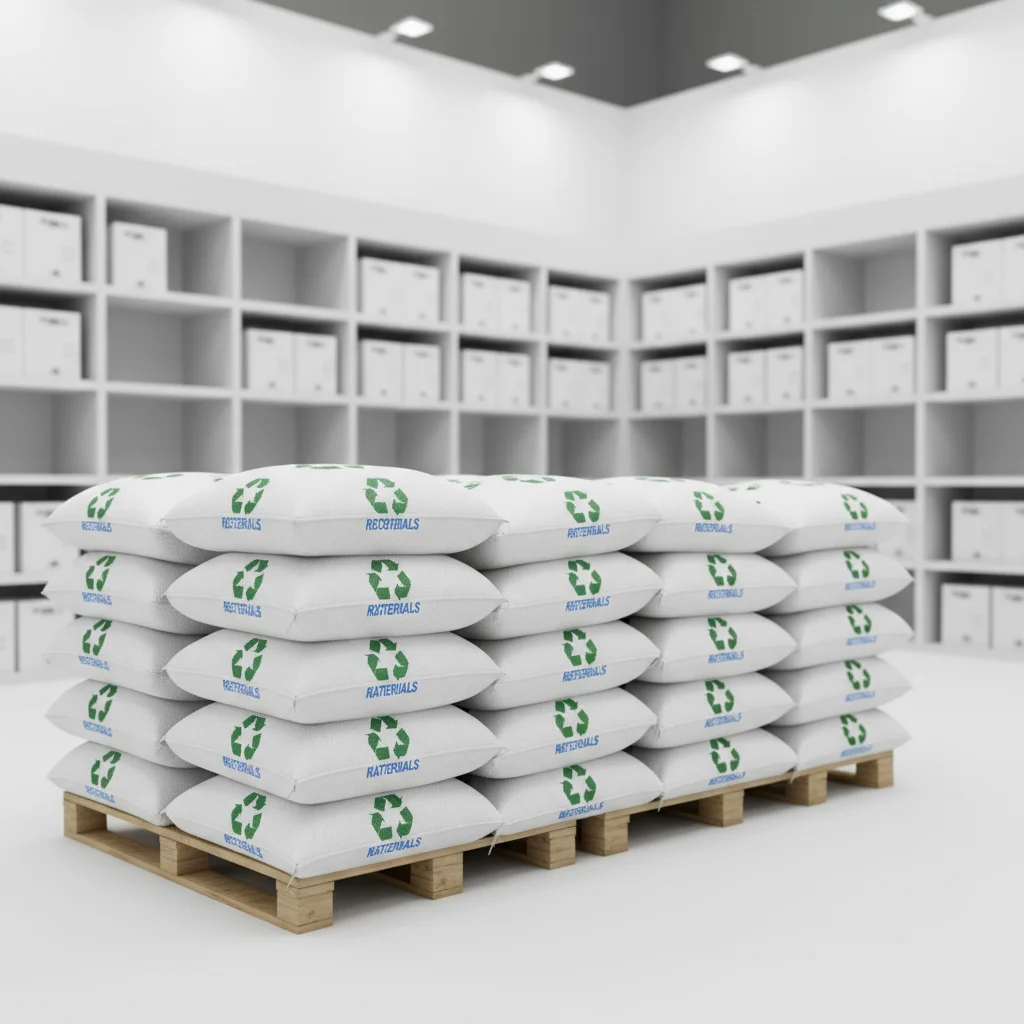
You know, these woven polypropylene sacks… honestly, they’re the workhorses of pretty much everything. Been seeing a lot more demand lately, not just for the usual agricultural stuff, either. It’s everything from construction materials to disaster relief – seems like everyone’s realizing how versatile a good, strong sack can be. They're popping up everywhere, replacing wood and paper. Feels like just yesterday everything was boxed, and now? Sacks, sacks, sacks.
And it’s not just volume, it’s the requirements. People want higher strength, better UV resistance, specific linings… it's a constant push. Makes you wonder sometimes if people actually think about what it takes to make these things. It’s not magic, you know?
I swear, I spend half my life on construction sites these days. Got dust in places I didn't know had places. Anyway, I think understanding the real-world application of these sacks is key.
The Ubiquitous Woven Polypropylene Sack
To be honest, the rise of woven polypropylene sacks isn’t some grand innovation. It’s just…practicality. You see those big rolls of polypropylene resin? That’s the starting point. Smells kinda plasticky when it's hot, if you’ve ever been near a pelletizing machine. The process involves extruding the polypropylene into tapes, and then weaving those tapes together. The weaving part is where it gets interesting - different weave patterns give you different strengths and characteristics.
Have you noticed how much easier it is to move things around on a site with these? Before, you needed multiple guys to lug around bags of cement, and now? One guy with a forklift and a few well-made sacks. Makes a difference, believe me.
Defining the Sack: More Than Just a Bag
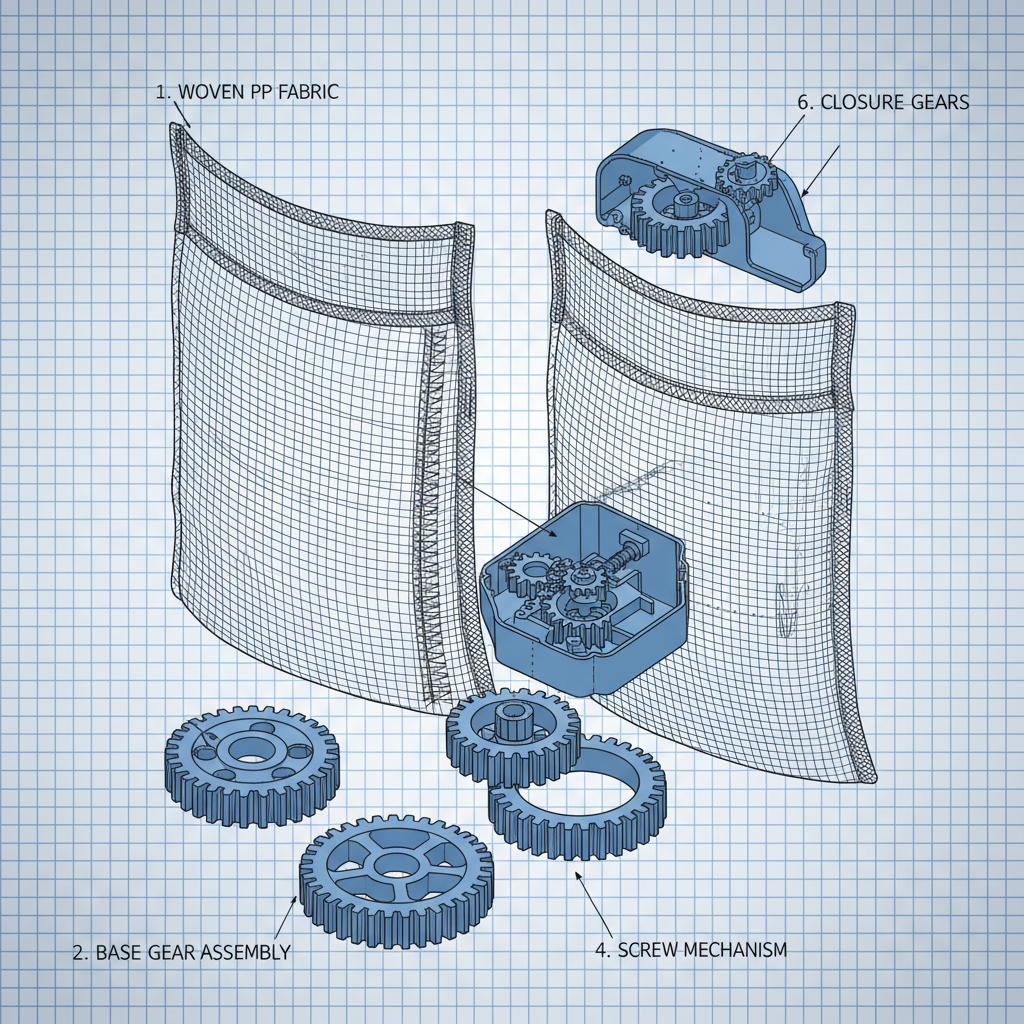
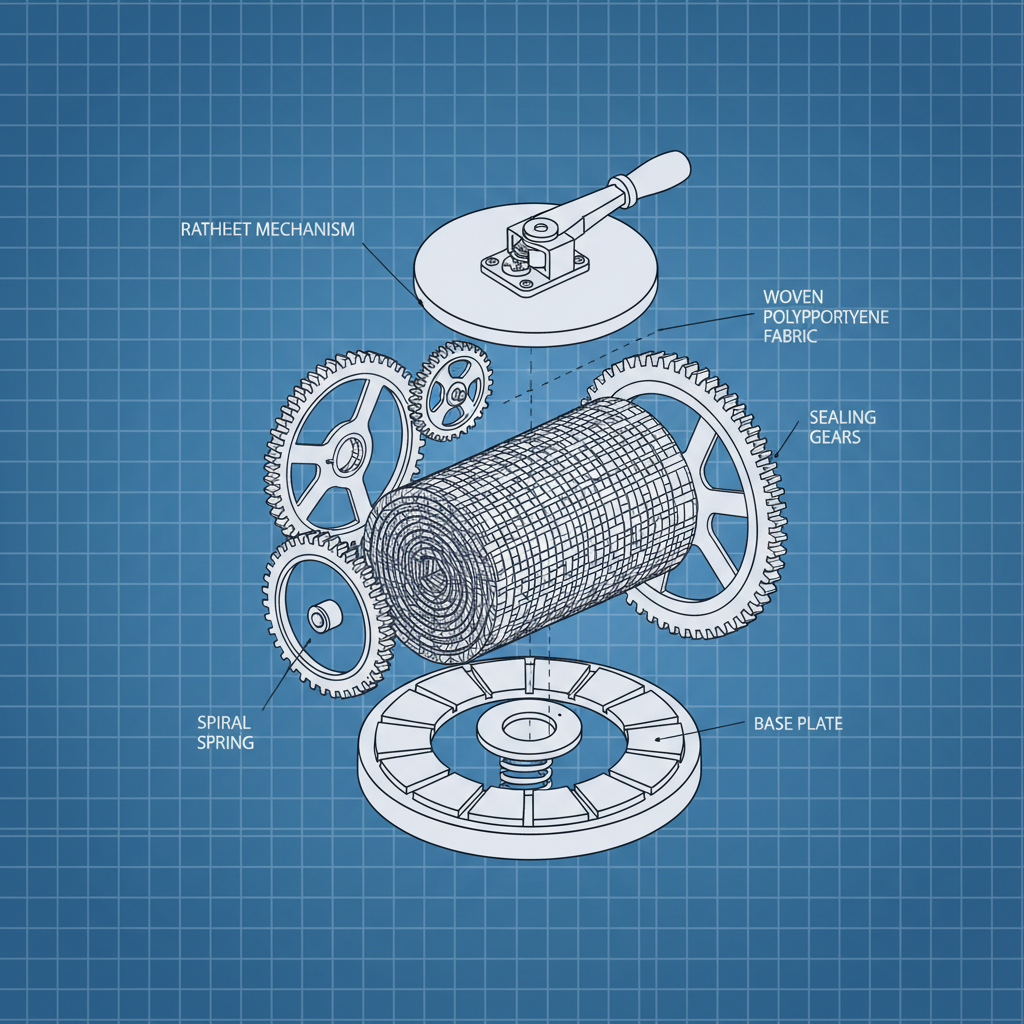
A woven polypropylene sack, at its core, is a container constructed from woven polypropylene plastic. Sounds simple, right? But it's the way it’s constructed that matters. We're talking about a fabric formed by interweaving polypropylene strands, creating a strong and durable material. It's a direct response to the need for robust, cost-effective packaging and transport solutions.
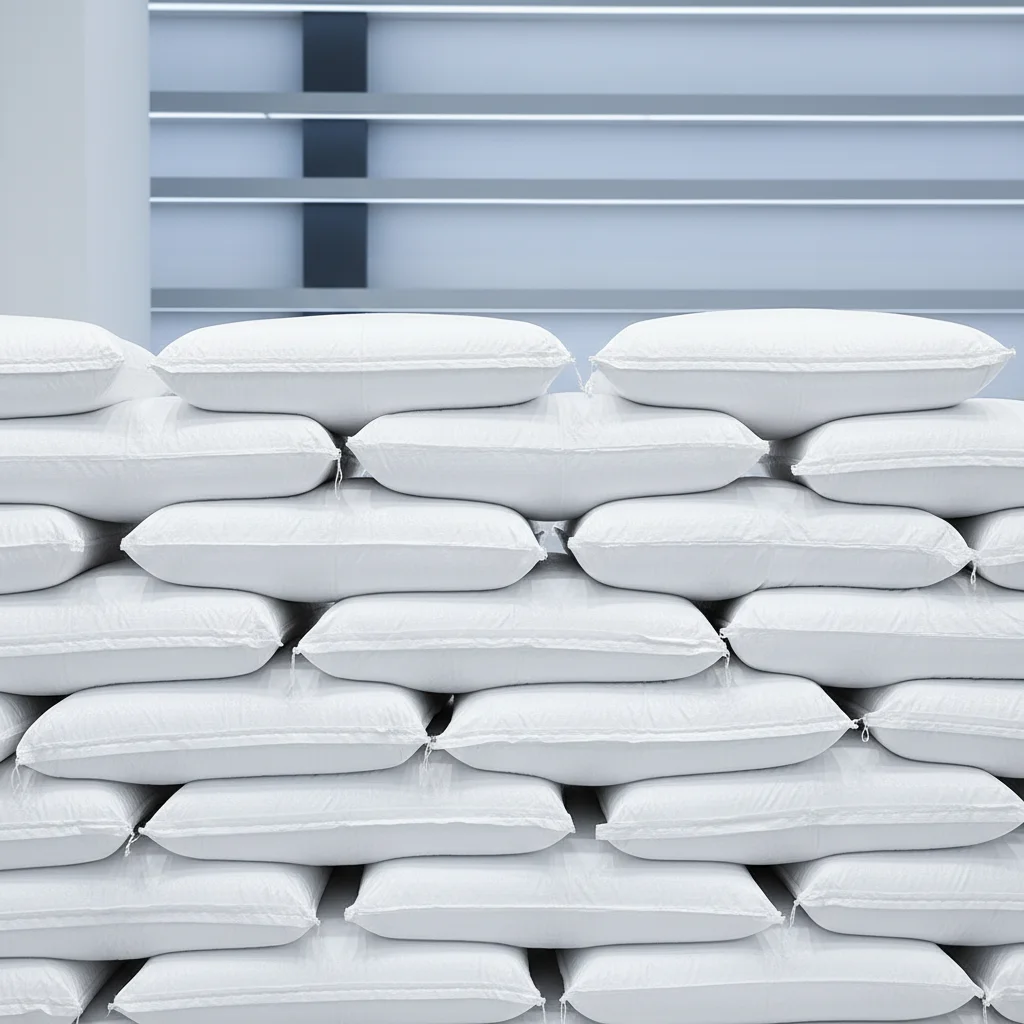
It’s become vital to modern industry and humanitarian efforts. Think about grain shipments, fertilizer transport, flood defense sandbags… without these sacks, a lot of essential operations would grind to a halt.
They’re a step up from jute or paper – much more resistant to moisture, tearing, and general wear and tear. And a lot cheaper than trying to rely solely on wooden crates these days.
Key Characteristics: What Makes Them Tick
Durability is the big one, obviously. These things can take a beating. You fill them with a ton of weight, stack them, toss them around… they generally hold up. Scalability is also huge. You can make them any size you need, from small 25kg bags to massive multi-ton containers.
Cost-efficiency is a real driver. Polypropylene is relatively inexpensive, and the weaving process, while demanding, is fairly efficient at scale. Then there’s the fact that they're lightweight. Less weight means lower transportation costs, which adds up quickly. And increasingly, recyclability is becoming a key factor – more on that later.
Another thing that often gets overlooked is their resistance to chemicals. Most acids, alkalis, and solvents don't eat through polypropylene, making them ideal for packaging agricultural products and industrial chemicals. Strangely, you don’t really think about it until you see a sack start to dissolve…
Real-World Applications: From Farms to Floods
It’s everywhere. Agriculture is a huge user – think grain, rice, flour, animal feed. Construction relies on them for cement, sand, gravel, and even pre-mixed concrete. Disaster relief? Absolutely essential for sandbags, food aid, and temporary shelter materials.
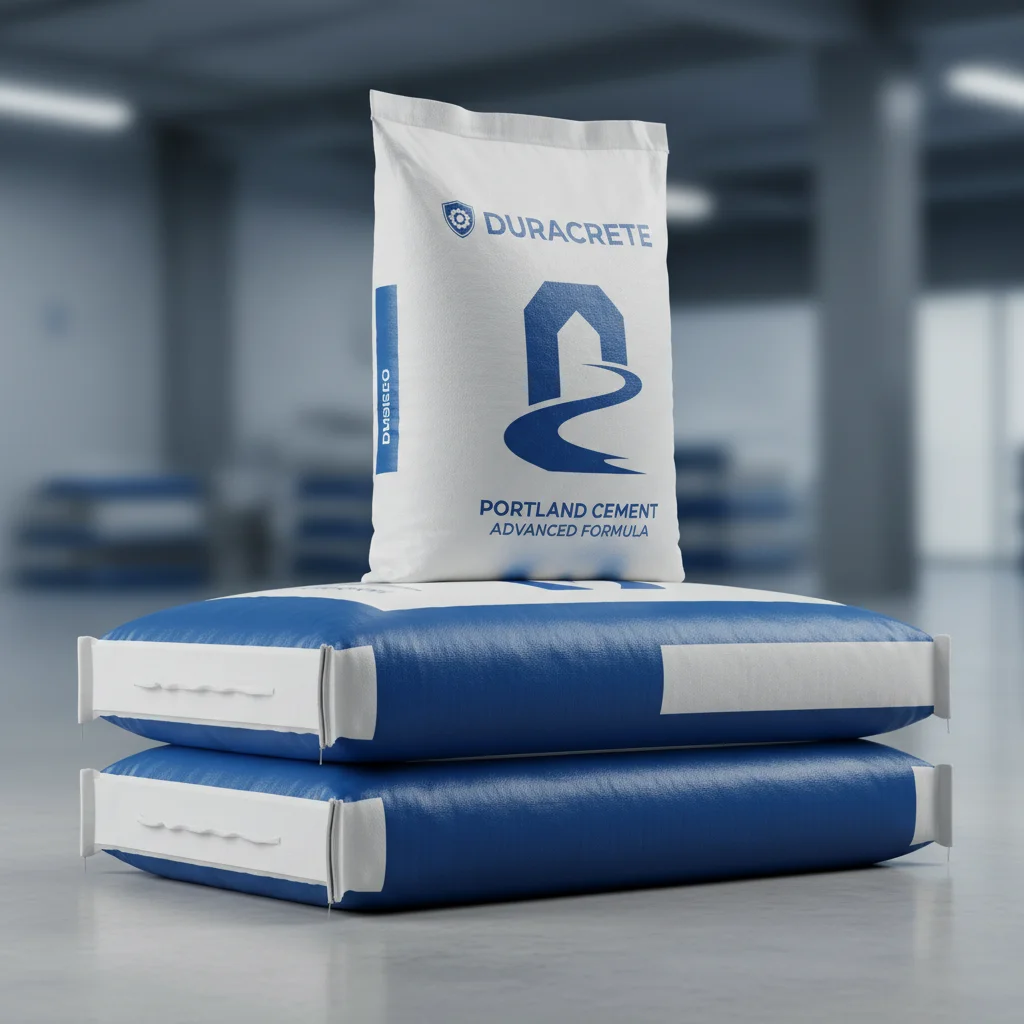
I encountered this at a cement factory last time – they were switching over to a new type of sack with a reinforced liner to prevent moisture damage during monsoon season. Apparently, they were losing a significant amount of product to spoilage.
Comparative Sack Strength Ratings
The Advantages and Limitations
The advantages are clear – cost, strength, versatility. They're relatively lightweight, and can be produced in large quantities. They're also resistant to a lot of things. But…they aren’t perfect. They're not biodegradable, which is a growing concern.
And while they’re strong, they can be punctured by sharp objects. Also, prolonged exposure to sunlight will degrade the polypropylene, making it brittle. That’s why you often see sacks with UV stabilizers added.
Customization and Innovation
Customization is huge. You can change the weave pattern, the denier of the polypropylene yarn, add coatings for water resistance, print logos and information… I remember one client in the fertilizer business wanted a sack that was specifically designed to release air slowly, preventing the fertilizer from compacting during transport. It was a bit of a headache to engineer, but we got it done.
There's a lot of innovation happening around making these sacks more sustainable – exploring bio-based polypropylene alternatives, developing better recycling processes… it's a slow process, but it's happening.
Testing and Quality Control: The Hard Truth
Look, lab tests are fine, but the real test is out in the field. We do tensile strength tests, of course, and permeability tests. But I want to see these sacks being loaded, unloaded, stacked, and transported. I want to know how they hold up under real-world conditions.
We have a basic testing setup at the factory – a drop test, a stack test, a puncture test. But honestly? The best test is just putting them to work. I had a small boss in Shenzhen last month who insisted on changing the interface to on a new batch, thinking it would add value. Result? The loading machines couldn’t handle the new shape, and they were tearing the sacks constantly. Cost him a fortune.
Anyway, I think the key is rigorous quality control at every stage of the process, from the raw materials to the finished product.
Summary of Key Testing Parameters for Woven Polypropylene Sacks
| Test Parameter |
Description |
Acceptable Range |
Impact on Performance |
| Tensile Strength |
Measures the force required to break the sack fabric. |
60-120 kg/m² (depending on application) |
Determines load-bearing capacity and resistance to tearing. |
| Permeability |
Measures the rate at which gases or liquids pass through the fabric. |
0-50 g/m²/24h (depending on contents) |
Affects product preservation and prevents moisture damage. |
| UV Resistance |
Evaluates the fabric's ability to withstand degradation from sunlight. |
Retention of 70-80% strength after 300 hours exposure. |
Extends service life in outdoor applications. |
| Seam Strength |
Measures the strength of the seams holding the sack together. |
Minimum 80% of fabric strength. |
Prevents bursting during filling and transportation. |
| Drop Test |
Simulates the impact of dropping a filled sack. |
No tearing or bursting after 3 drops from 1 meter. |
Assesses impact resistance during handling. |
| Weight Capacity |
Determines the maximum weight the sack can safely hold. |
Based on fabric strength and intended use. |
Ensures safe handling and prevents breakage. |
FAQS
The lifespan really depends on usage. If it's used for indoor storage of dry goods, it could last years. But if it's constantly exposed to sunlight and harsh weather, especially when filled, expect it to degrade within 6-12 months. UV stabilizers help, but they don’t last forever. Factors like load weight and handling also play a big role.
Recycling is getting better, but it’s still not widespread. The polypropylene itself can be recycled, but it requires specialized facilities. A lot of it ends up in landfills, unfortunately. There's increasing demand for recycled PP, which is driving investment in better infrastructure. Keep an eye out for sacks marked with recycling symbols.
Circular woven sacks are made from yarn that's twisted, giving them higher strength and dimensional stability. Flat woven sacks use a simpler weaving process and are typically less expensive. Circular woven are better for heavy-duty applications like cement or fertilizer. Flat woven are fine for lighter loads like grain or feed.
It depends. Standard sacks aren't typically food-grade – they might contain printing inks or residues from the manufacturing process. However, you can get food-grade sacks that are made from virgin polypropylene and have been tested to meet food safety standards. Look for certifications like FDA compliance.
Denier refers to the thickness of the polypropylene yarn. Higher denier means thicker yarn, and therefore a stronger sack. For light-duty applications like packaging vegetables, a lower denier is fine. For heavy-duty applications like cement, you'll want a much higher denier. It's a balancing act between strength and cost, so consider your specific needs.
Lamination adds a layer of plastic film to the inside of the sack, providing a moisture barrier and improved strength. This is crucial for products that need to be protected from water or humidity, like chemicals, pet food, or even certain types of grain. It extends the shelf life of the product and prevents contamination.
Conclusion
So, yeah, woven polypropylene sacks. They aren’t glamorous, but they’re essential. They’re the quiet workhorses of the modern world, handling everything from food to construction materials. Understanding their strengths, limitations, and the factors that affect their performance is crucial for anyone involved in supply chains, logistics, or even disaster relief.
Ultimately, whether this thing works or not, the worker will know the moment he tightens the screw. And if he thinks it's good, then it probably is. You can talk specs all day, but nothing beats real-world experience. Now if you’ll excuse me, I’ve got a factory visit scheduled. Someone complained about the weave quality… Visit our website: www.ssjtpack.com