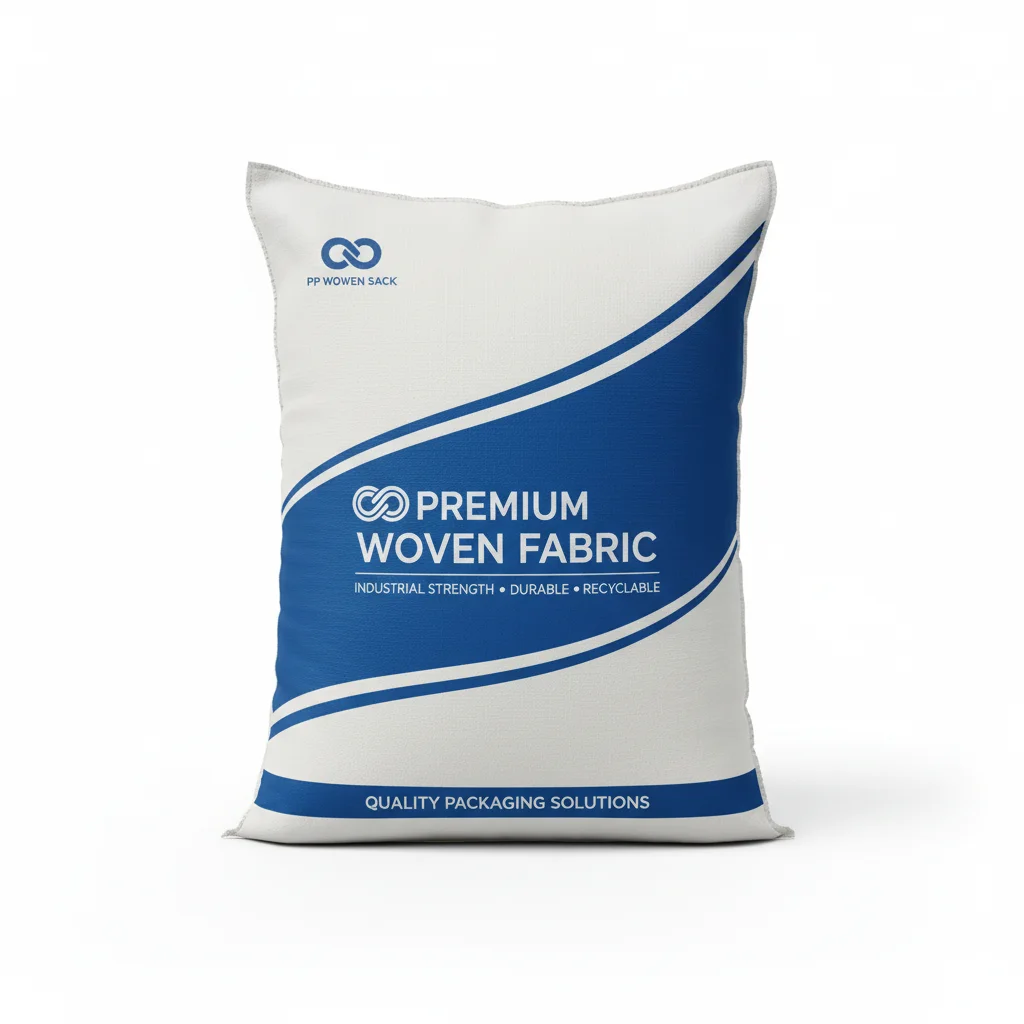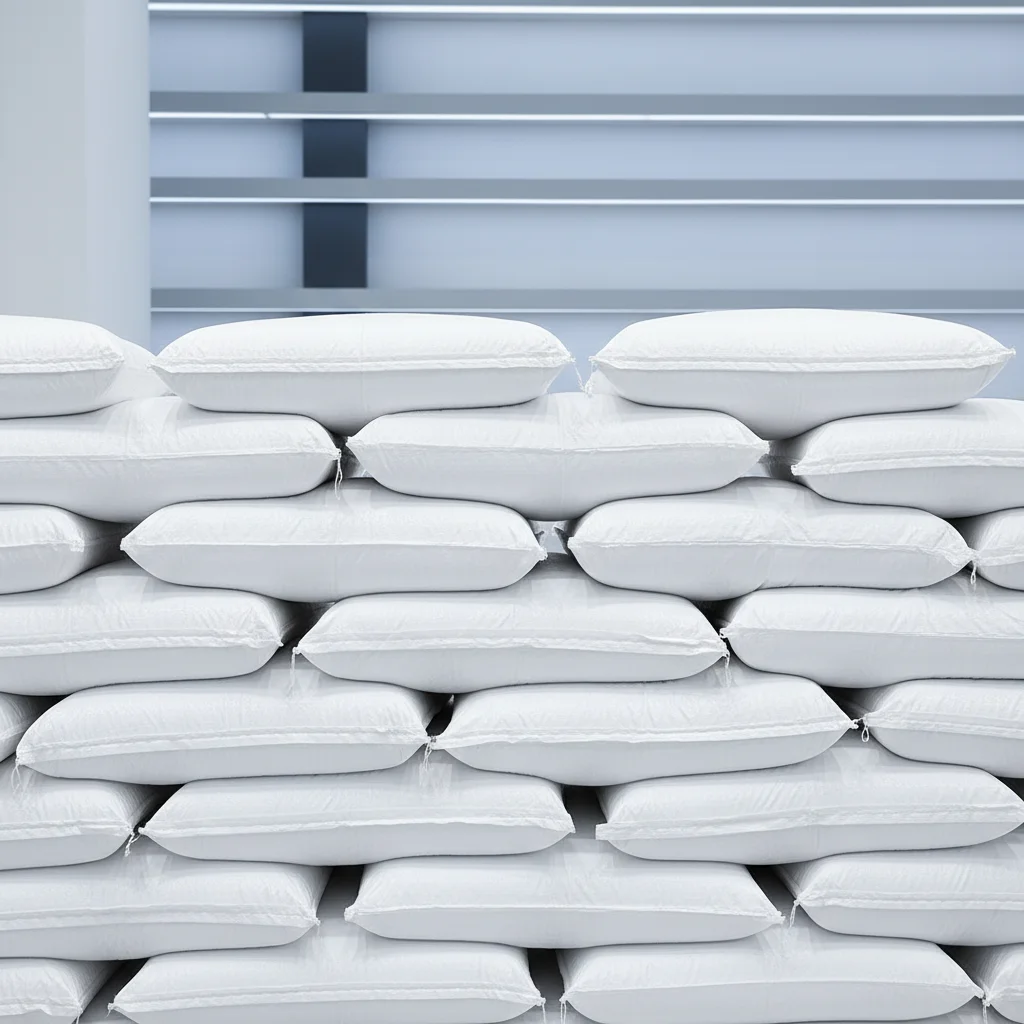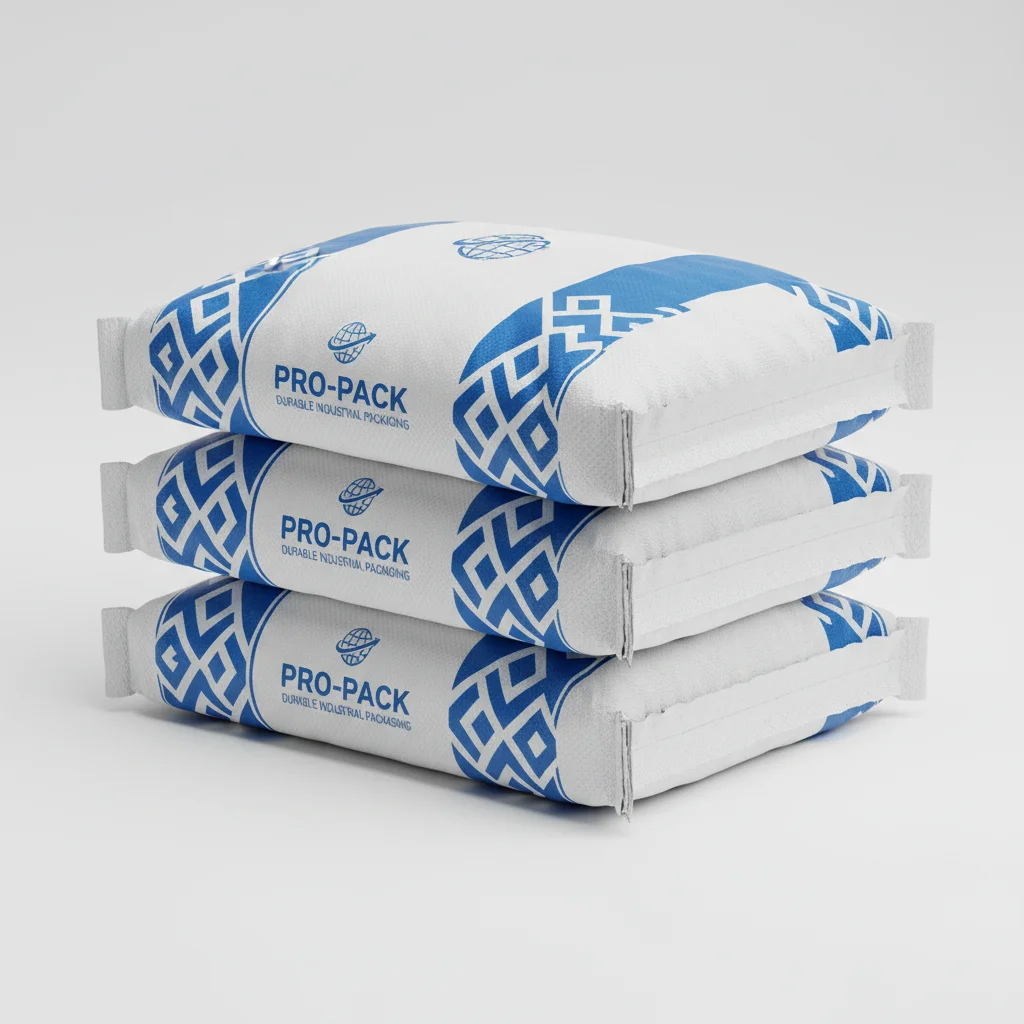
When procurement managers analyze the pp woven bag price, the focus often shifts prematurely to the unit cost rather than the total cost of ownership. In the high-stakes environment of industrial packaging for chemicals, agriculture, and construction, a marginal saving on price can lead to catastrophic losses if the structural integrity of the packaging fails during transit.
The volatility of polypropylene resin markets, combined with varying specifications in GSM (grams per square meter) and UV stabilization, creates a complex pricing landscape. Understanding the drivers behind these costs is essential for optimizing supply chain efficiency without compromising product safety.
This analysis examines the critical variables that influence the market value of PP woven solutions, providing a strategic framework for evaluating suppliers and selecting materials that balance economic constraints with rigorous industrial performance requirements.

Decoding the Cost Drivers of PP Woven Packaging

The market price of PP woven bags is not a static figure but a reflection of raw material purity and manufacturing precision. The primary cost driver is the grade of polypropylene used; 100% virgin PP resins offer superior chemical purity and physical consistency compared to recycled alternatives, directly impacting the bag's tensile strength and longevity.
Beyond raw materials, the weaving technology—specifically whether circular or flat weaving is employed—determines the structural stability of the final product. For high-load applications such as Big Bags (FIBCs), the density of the weave and the precision of the GSM are critical, as these factors dictate the amount of material required to achieve the necessary breaking strength.
Additionally, secondary processes such as BOPP lamination or PE coating introduce significant cost variables. While a plain weave is more economical, laminated options are essential for moisture-proof requirements in fine chemical packaging, effectively trading a higher initial price for reduced product spoilage.
Technical Specifications That Influence Material Pricing
Material weight, measured in GSM, is the most direct correlate to price. A fabric ranging from 50 gsm to 150 gsm allows for a wide spectrum of applications, where higher GSM values provide the necessary robustness for heavy-duty industrial loads but increase the overall cost per unit.
UV stabilization is another hidden cost factor. The integration of high-quality UV inhibitors during the extrusion process prevents the polymer chains from degrading under sunlight. For products intended for outdoor storage in the agricultural or construction sectors, this additive is non-negotiable, though it adds a premium to the base price.
Precision in roll width (ranging from 1.0m to 6.0m) also plays a role in the total cost of ownership. High-precision manufacturing ensures that the conversion process into bags produces minimal scrap, effectively lowering the net cost by increasing the material yield per roll.
Strategic Applications Across Industrial Sectors
The choice between coated and uncoated PP woven fabric depends entirely on the physiological requirements of the contents. In the agricultural sector, breathable, uncoated fabrics are preferred for grains and seeds to prevent moisture buildup and mold growth, prioritizing airflow over water resistance.
Conversely, the chemical and mineral industries demand BOPP laminated bags or valve bags. These solutions provide an airtight barrier that prevents the leakage of fine powders and protects the contents from external contamination. The investment in lamination is justified by the elimination of product loss and the ability to print high-resolution branding on the BOPP layer.
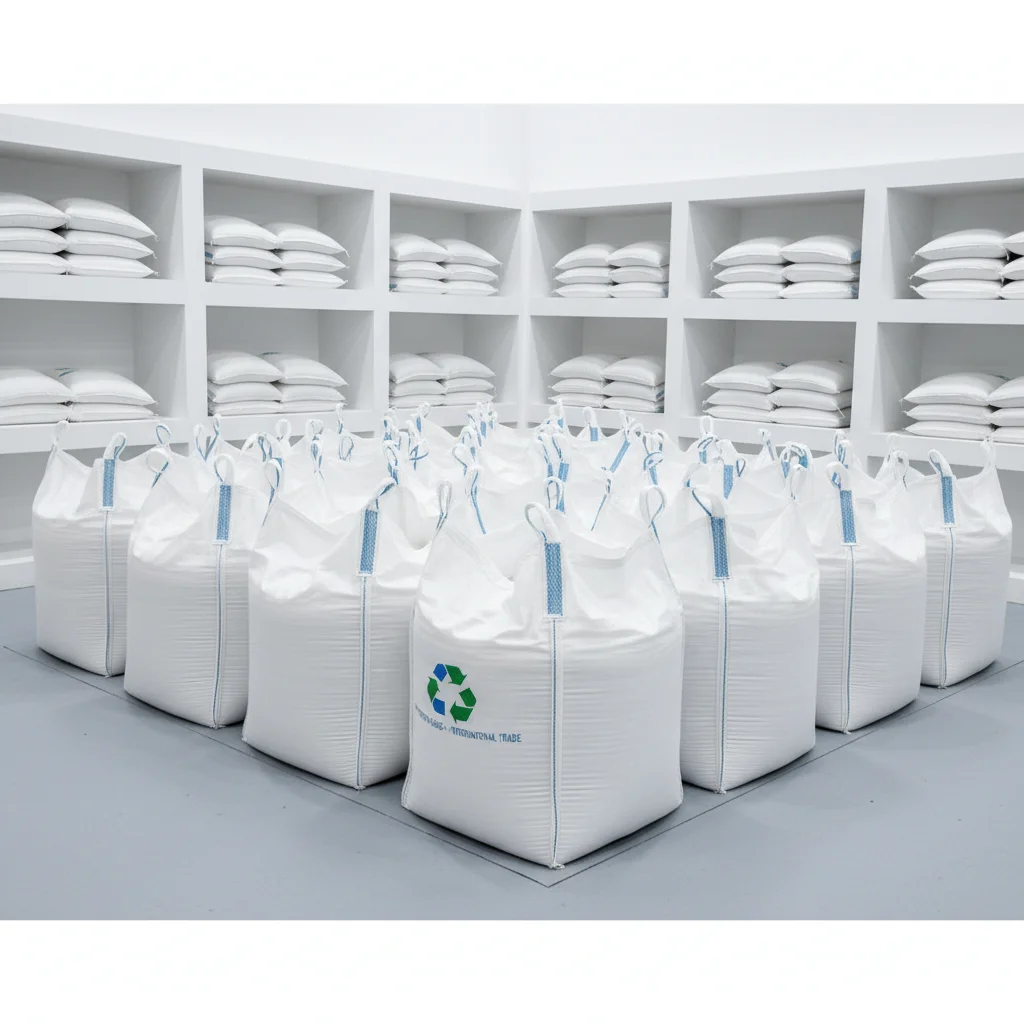
For bulk logistics, Big Bags (FIBCs) utilizing high-density PP woven fabric are the industry standard. These are engineered to withstand extreme industrial stress, making them indispensable for the movement of construction aggregates and large-scale pet feed shipments.
Analyzing Material Life and Waste Rate ROI
Evaluating the return on investment (ROI) for PP woven materials requires a comparison between standard-grade fabrics and premium virgin PP fabrics. While the upfront price of premium materials is higher, the lifecycle costs are significantly lower due to extended durability and reduced failure rates.
The following data illustrates the performance gap in critical operational metrics, specifically focusing on material lifespan and the percentage of material waste during the bag conversion process.
pp woven bag price Performance Metrics
As shown, the use of premium materials can potentially double the operational lifespan of the packaging from 18 to 36 months. Furthermore, the reduction in waste rates from approximately 8% down to under 2% creates a direct cost offset that frequently neutralizes the higher initial purchase price.
Procurement Framework for Industrial Packaging Sourcing
Successful procurement of PP woven bags requires a move away from "lowest-bidder" logic toward a "risk-adjusted" evaluation. Buyers must assess the supplier's ability to guarantee GSM consistency and tensile strength across different batches to avoid production line shutdowns.
Key evaluation metrics should include the supplier's quality assurance protocols, specifically their batch testing for breaking strength and UV rating verification. A supplier that provides digital certification and transparent compliance documentation reduces the buyer's risk regarding international shipping standards.
Customization requests, such as specific colors integrated during the extrusion process rather than surface printing, should be evaluated based on long-term wear. Integrated coloring ensures brand visibility remains intact even after the bag has been subjected to industrial abrasion.
Future Trajectories in Sustainable Polymer Packaging
The packaging industry is currently navigating a transition toward a circular economy. Polypropylene, being a thermoplastic polymer, is 100% recyclable, which positions PP woven bags as a more sustainable choice than multi-material composites that are difficult to separate.
Innovation is likely to focus on the development of bio-based PP resins and the improvement of recycling technologies to maintain virgin-like physical properties in recycled fabrics. This could potentially lower the price gap between recycled and virgin materials while maintaining high performance.
Furthermore, the integration of smart tracking (such as RFID or QR integration) into Big Bags is expected to grow. This adds a layer of value beyond the physical containment, allowing for real-time inventory control and supply chain transparency in the global logistics network.
Comparative Analysis of PP Woven Material Grades
To finalize a purchasing decision, it is necessary to compare the technical attributes of various PP woven configurations. The following table outlines the trade-offs between common material grades based on industrial application needs.
The selection process should prioritize the primary stressor of the environment—whether it be moisture, sunlight, or mechanical load—over the base unit price.
| Material Grade | Primary Use Case | Key Performance Factor | Cost Influence |
|---|---|---|---|
| Uncoated Virgin PP | Agricultural Grains | High Breathability | Base Price |
| Laminated Virgin PP | Fine Chemicals | Moisture Barrier | Moderate Increase |
| UV-Stabilized PP | Outdoor Construction | Degradation Resistance | Additive Premium |
| High-GSM Heavy Duty | Bulk FIBCs | Max Tensile Strength | Weight-Based Increase |
| BOPP Laminated | Retail Pet Feed | Print Aesthetics | Process Premium |
| Recycled PP Blend | Low-Value Waste | Cost Efficiency | Significant Reduction |
Ultimately, the optimal choice is determined by the intersection of the required load capacity and the intended storage environment. For those seeking high-performance solutions, reviewing the technical specifications at www.ssjtpack.com can provide the necessary data for informed selection.
Frequently Asked Questions
Conclusion
Determining the right pp woven bag price requires a transition from simple cost-per-unit analysis to a comprehensive evaluation of material performance and lifecycle ROI. By prioritizing 100% virgin PP resins and precise GSM specifications, enterprises can reduce waste rates and prevent costly product failures during the supply chain process.
As the industry moves toward greater sustainability and technical precision, partnering with a manufacturer capable of delivering consistent quality and transparent technical documentation is paramount. Readers evaluating industrial packaging solutions can review the relevant product and company information available through www.ssjtpack.com.