
Material Selection Guide for PP Woven Fabric Rolls
October 22, 2026
Material Selection Guide for PP Woven Fabric Rolls
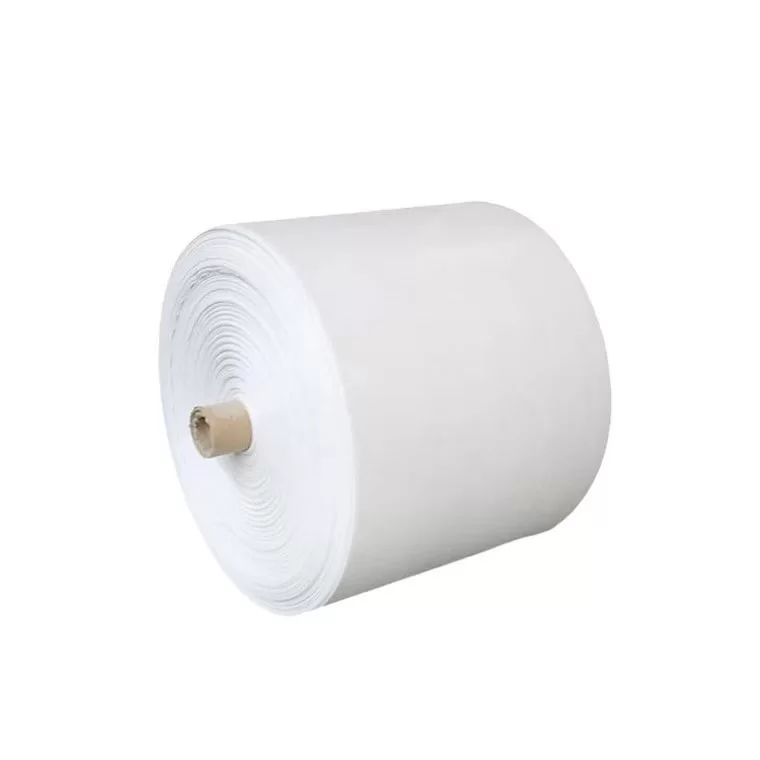
Procurement choices for heavy-duty packaging raw materials directly dictate the structural integrity and operational efficiency of industrial conversion lines. Sourcing decisions for FIBCs and valve bags cannot afford variability in polymer composition when deployment targets aggressive chemical, agricultural, and construction environments.
Operating conversion machinery with inconsistent substrates leads to web breaks, misaligned gussets, and compromised seam strengths.
Material selection decisions for 100% virgin polypropylene properties must rely on agreed technical specifications to optimize heavy-duty bag conversion. Establishing material parameters at the raw fabric stage ensures that subsequent bag fabrication meets high-stress industrial demands without unexpected downtime.
Why 100% Virgin Polypropylene Eliminates Recycled Polymer Vulnerabilities in FIBCs
Eliminating Unknown Recycled Polymer Risks in Industrial Packaging Raw Materials
Material selection for industrial packaging raw materials must rely on 100% virgin polypropylene to eliminate unknown recycled polymers that compromise tensile strength. Unblended virgin resin chains maintain predictable molecular weight distributions, which directly govern structural reliability when packaging solutions are exposed to heavy loads.
Recycled alternatives frequently introduce degradation compounds and fragmented polymer chains that fail unpredictably under operational stress.
Protecting Tensile Strength and Establishing Baseline White Lists
Maintaining unblended polymer inputs protects the safety margins required during demanding manufacturing steps. Such consistency prevents localized stress concentrations that typically accelerate mechanical fatigue in chemical, agricultural, and construction deployments.
Procurement teams establish baseline material specifications by requiring unmixed resin sources to protect downstream supply chains from catastrophic bag failures during filling and transport operations. Complete composition data and batch traceability documents remain available from the supplier to verify compliance with industrial standards.
Controlling GSM and Thickness Uniformity for Automated Conversion Efficiency
GSM Consistency and Web Tension Control in Automated Lines
Strict GSM uniformity across the entire roll prevents uneven tensioning during automatic manufacturing processes. Automated conversion machinery handling industrial packaging solutions relies on consistent substrate dimensions to maintain precise feeding rates through high-speed cutting and sealing stations.
Substrate thickness variations introduce localized feeding resistance that triggers web wandering before the material reaches welding units. Maintaining roll flatness directly reduces production scrap rates and eliminates unexpected machine stoppages during heavy-duty bag fabrication.
Yarn Tenacity and Mechanical Stress in High-Speed Conversion
High-speed processing equipment subjects the woven fabric to continuous mechanical pulling forces that test underlying yarn tenacity and elongation behavior. Consistent cross-sectional dimensions allow automated tension controllers to distribute mechanical stress evenly across the web width without inducing fiber micro-fractures.
When tension fluctuations occur due to uneven roll winding density, automated production lines suffer from distorted seam alignments and compromised structural geometry. Exact tolerance thresholds and operational parameters are to be confirmed with the supplier based on specific machine setups and conversion speeds.
Managing Elongation at Break to Absorb Dynamic Shock Loads in Chemical and Construction Sectors
Mitigating Dynamic Failure Modes in Heavy-Duty Packaging
Industrial end-use requirements in chemical and construction sectors demand controlled elongation at break to absorb dynamic shock loads during filling operations. When heavy mineral aggregates or dense chemical compounds drop rapidly into Big Bags, the kinetic energy generates sudden multi-axial stress waves. Substrates lacking precise elastic limits transfer kinetic force directly to stitching threads, resulting in catastrophic seam rupture. Procurement specifications overlooking elastic recovery parameters routinely experience high failure rates during high-speed drop tests across industrial operations.
Behavior of 100% Virgin Polypropylene Under High-Impact Stress
Protective structural stability against sudden stress and heavy loads relies heavily on the molecular consistency of 100% Virgin Polypropylene (PP). Unblended polymer chains yield predictable elastic deformation profiles that stretch under sudden loads without permanent plastic distortion. Recycled polymer blends introduce micro-voids that arrest uniform elongation, concentrating stress into brittle fracture points across valve bags and industrial packaging solutions.
Thermal Stability Windows and Physical Stress Performance
Thermal stability across processing and operational stages dictates how well the woven fabric maintains mechanical integrity under sustained physical stress. Elevated ambient temperatures during outdoor construction filling or chemical processing can alter unconstrained polymer chains unless molecular weight distribution remains strictly controlled. Unblended raw materials retain dimensional stability within established operational temperature ranges, whereas impure polymer matrices soften prematurely and deform under heavy physical loads.
Long-Term Warehouse Stacking and Creep Behavior
Creep behavior under long-term warehouse stacking pressure directly influences ultimate bag reliability when palletized for extended storage periods. Continuous downward compressive force causes gradual dimensional deformation in sub-grade substrates, reducing the effective safety factor of stacked Big Bags. Thermally stable unblended polymer structures resist permanent deformation under static loads.
Energy Absorption Mechanisms in FIBC Filling
- Controlled elastic recovery dampens kinetic shock waves during multi-ton aggregate loading.
- Predictable elongation prevents localized necking in woven fabric panels during rapid pneumatic filling.
- Stable molecular orientation maintains seam integrity across industrial liners and BOPP laminated bags under sustained load.
Role of Controlled Elongation in Bulk Transport
Role of controlled elongation at break during high-impact filling operations becomes evident when handling shifting weights in bulk transport. If the fabric stretches excessively without returning to baseline dimensions, the resulting dimensional instability compromises stacking safety in warehouses and container transport. Conversely, excessively rigid substrates fracture instantly upon impact; exact elongation parameters depend directly on specific grammage and loom settings evaluated during sample testing.
Aligning Coated and Uncoated Roll Selections with Moisture Barrier Needs
Evaluating Moisture Barriers for Coated Woven Roll Substrates
Coated and uncoated rolls deliver distinct barrier profiles that determine how structural packages withstand external humidity during transport. Surface extrusion coatings dramatically reduce moisture vapor transmission rates, protecting sensitive agricultural goods from caking and mold growth. Uncoated fabrics allow breathable airflow, which suits goods requiring ambient ventilation rather than hermetic sealing.
Agricultural storage applications deployed in tropical or rain-prone zones depend on coated laminates to keep stored grains dry over extended periods. Conversely, construction sites handling inert aggregates prioritize high tensile strength without paying for polymer extrusion layers that provide unnecessary moisture protection. Matching the surface treatment directly to ambient exposure conditions prevents premature product degradation.
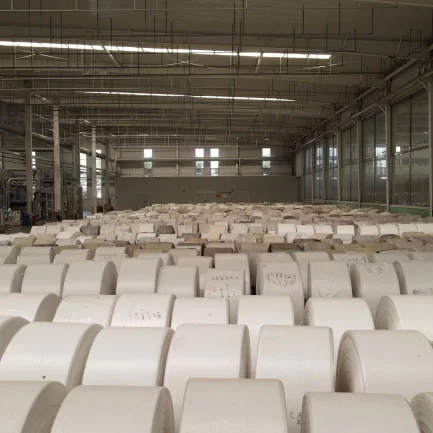
Surface Treatments in Agricultural and Industrial Settings
Chemical powders and hydroscopic fertilizers absorb airborne vapor rapidly, making coated variants mandatory for preventing chemical caking. Selecting an uncoated substrate for these sensitive applications invariably results in ruined contents and supply chain rejection upon arrival at the destination port. Industrial packaging solutions require careful evaluation of regional climate data before finalizing the woven roll surface specifications.
| Material | Application | Suitability for Humid Environments | Coating Type |
|---|---|---|---|
| 100% Virgin Polypropylene (PP) | Big Bags (FIBCs) | High resistance in humid tropical conditions | Extrusion Coated |
| 100% Virgin Polypropylene (PP) | PP Woven Bags | Breathable performance in moderate-humidity agricultural storage | Uncoated |
| 100% Virgin Polypropylene (PP) | BOPP Laminated Bags | Superior moisture barrier capability for hydroscopic powders in tropical transit | Fully Laminated |
Evaluating Physical and Mechanical Property Specifications for Woven Rolls
Mapping Physical and Mechanical Property Parameters
Procurement decisions for industrial manufacturing workflows require verifying core physical property parameters that govern how 100% virgin polypropylene substrates perform under continuous mechanical stress. Dimensions, basis weight, and breaking force thresholds establish the baseline for reliable fabrication of Big Bags (FIBCs), valve bags, and industrial liners without web tear complications.
Precise technical evaluation depends on matching roll specifications to specific project parameters. Selecting the appropriate configuration relies directly on the intended fill weight and handling methods, ensuring that PP woven fabric rolls maintain structural integrity throughout automated cutting and sealing lines.
Reviewing Mechanical Stress Handling
Mechanical stress handling capabilities determine whether industrial packaging solutions can withstand rigorous filling and transport cycles without structural failure. Tensile strength and elongation characteristics must accommodate dynamic shock loads during high-speed loading operations.
Substrate thickness consistency prevents localized feeding resistance and irregular tensioning during automatic manufacturing. When operational conditions involve elevated stress levels, verified fabric specifications prevent premature material degradation and support safe bulk storage deployments.
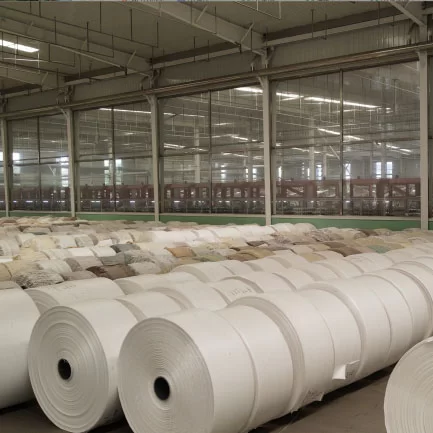
Sourcing Verification and Material Spec Compliance for Procurement Managers
Verifying Supplier Credibility and Material Compliance
Rigorous supplier selection safeguards heavy-duty packaging operations against premature failures caused by substandard polymer blends. Procurement teams evaluate potential manufacturing partners based on documented batch consistency and transparent resin sourcing rather than promotional claims. Establishing strict qualification gates before finalizing contracts eliminates unverified packaging inputs from entering downstream supply chains.
Factory production standards require explicit alignment with agreed material parameters to ensure uniform mechanical performance across every delivery. Quality auditors examine raw material handling protocols, extrusion equipment calibration, and in-house testing procedures during facility assessments. Unverified certifications or undocumented quality claims are systematically excluded from the evaluation process to maintain strict compliance with industrial requirements.
Auditing Material Specifications Against Factory Production Standards
Purchasing managers cross-reference incoming production data with established white-list requirements to confirm that raw resin inputs remain unblended. Documented tracking mechanisms allow technical buyers to audit polymer origin, extrusion temperature profiles, and roll-winding tension records directly from the manufacturing floor. Such structured verification processes prevent contaminated batches from disrupting high-speed bag conversion lines.
Rejecting unsupported regulatory claims protects enterprises from legal and operational liabilities associated with non-compliant packaging materials. Technical evaluation frameworks rely exclusively on verifiable physical test results and complete composition data rather than generalized assurances. Procurement decisions thus depend directly on transparent batch traceability and verified material specifications.
Frequently Asked Questions
What operational issues occur when woven fabric rolls lack strict GSM and thickness uniformity?
Inconsistent substrate dimensions cause uneven web tensioning and wandering during high-speed automated bag conversion. Maintaining uniform thickness across the entire roll prevents feeding resistance and edge misalignment in heavy-duty manufacturing lines.
Why is elongation at break critical for valve bags used in construction material filling?
Controlled elongation allows the fabric to temporarily stretch and absorb dynamic shock loads when heavy aggregates or powders drop into the bag. This elasticity prevents sudden seam failure and maintains structural integrity during rapid gravitational filling cycles.
How should procurement teams choose between coated and uncoated PP woven fabric roll variants?
Coated variants provide an effective barrier against ambient moisture for sensitive chemical contents, whereas uncoated options suit breathable agricultural storage. Selection depends on the specific humidity exposure levels of the destination environment and the sensitivity of the packaged goods.
What physical and mechanical metrics should technical buyers evaluate for industrial woven rolls?
Buyers must examine basis weight consistency, tensile load capacity, and elongation properties to match specific end-use demands. These parameters dictate how well the final FIBCs or PP Woven Bags will perform under heavy stacking and transport conditions.
How can procurement managers verify that delivered woven fabric rolls meet baseline specifications?
Verification relies on auditing factory production standards against established material white lists and requesting corresponding documentation. Procurement teams must ensure that resin composition data remains consistent across every production batch without introducing unverified polymer alternatives.
Conclusion
Project execution audits verify that chosen woven roll properties align directly with operational parameters. Purchasing teams concluding their evaluation workflows must cross-reference material dossiers against factory verification protocols.
Procuring organizations establish final order volumes based on target manufacturing schedules, regional delivery timelines, and destination port requirements.



Hit enter to search or ESC to close


