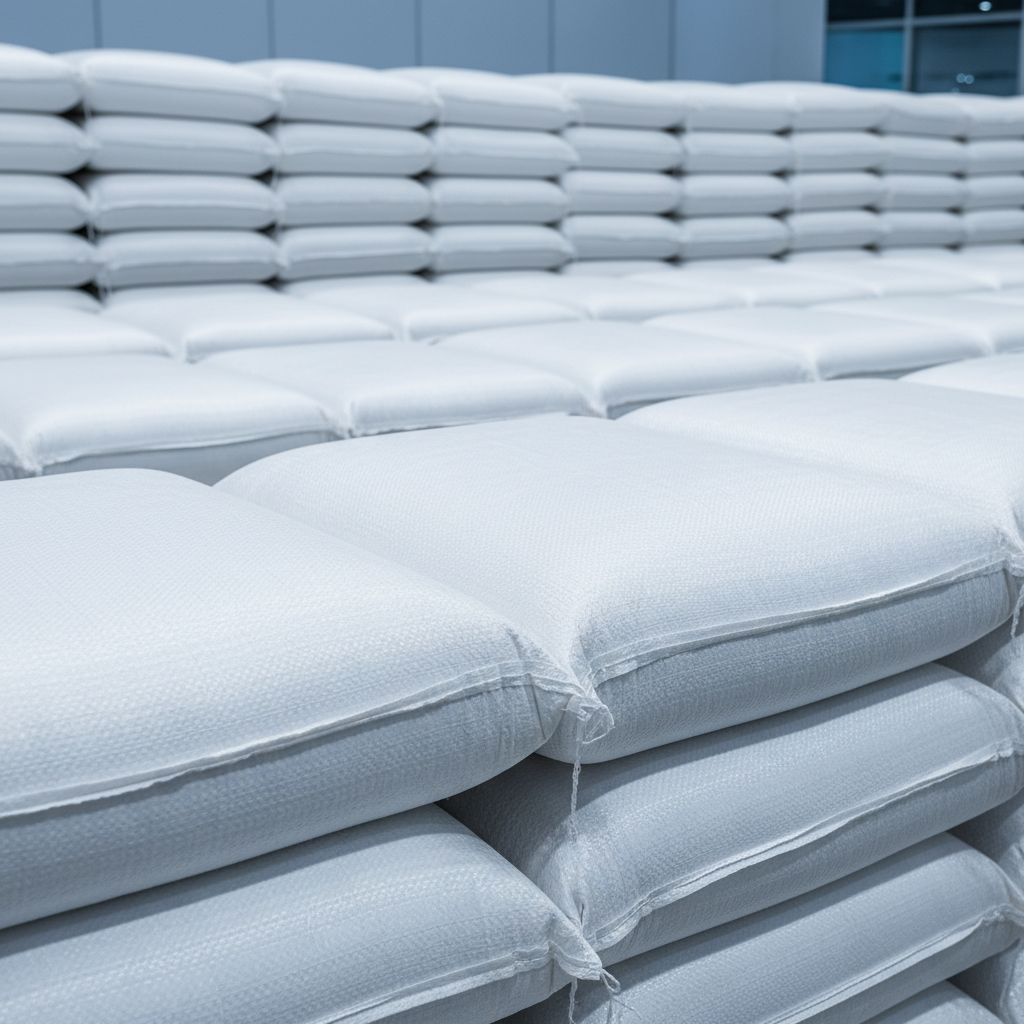
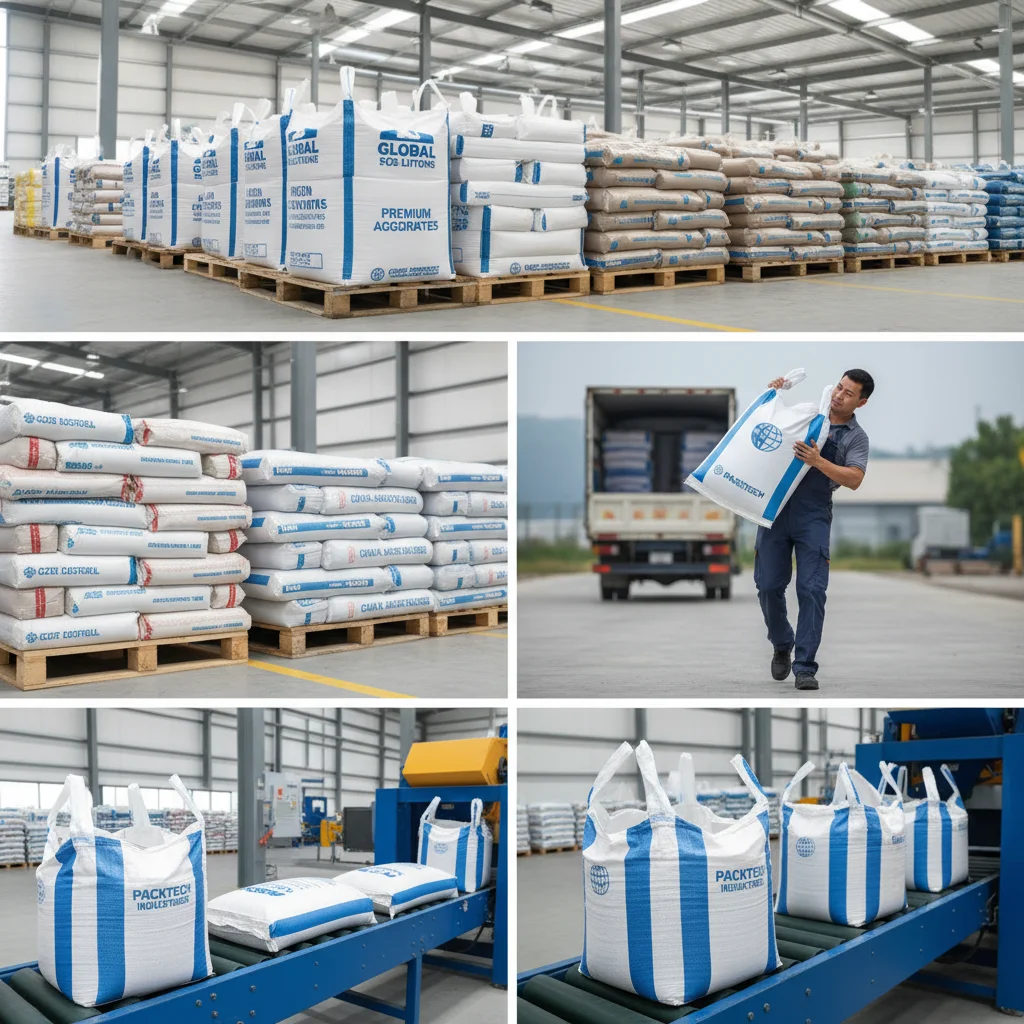
White woven polypropylene sacks are a ubiquitous yet often overlooked component of global trade, agriculture, and humanitarian aid. Their strength, versatility, and cost-effectiveness make them indispensable for transporting and storing a vast range of materials, from grains and fertilizers to building materials and emergency supplies. Understanding their properties and applications is crucial for optimizing supply chains, ensuring food security, and responding effectively to crises worldwide. white woven polypropylene sacks have become a cornerstone of modern logistics.
The global demand for these sacks is significant, driven by expanding populations, increasing international trade, and the growing need for efficient and reliable packaging solutions. While seemingly simple, the production and use of white woven polypropylene sacks have evolved considerably, incorporating technological advancements in material science and manufacturing processes. This evolution impacts everything from sack strength and durability to environmental sustainability.
Proper understanding of their limitations and potential applications are crucial for businesses, governments, and aid organizations alike. Effectively leveraging white woven polypropylene sacks requires a nuanced appreciation of their capabilities and how they integrate within larger systems of resource management and distribution.
The Role of White Woven Polypropylene Sacks in Global Commerce
White woven polypropylene sacks play a vital, yet often unseen, role in facilitating global commerce. They are the workhorse of transporting bulk goods across continents, impacting industries ranging from agriculture to construction. According to the UN, approximately 60% of globally traded agricultural commodities utilize woven polypropylene packaging. This widespread adoption stems from their ability to offer a cost-effective and reliable solution for protecting goods during transit. white woven polypropylene sacks are designed to withstand the rigors of international shipping.
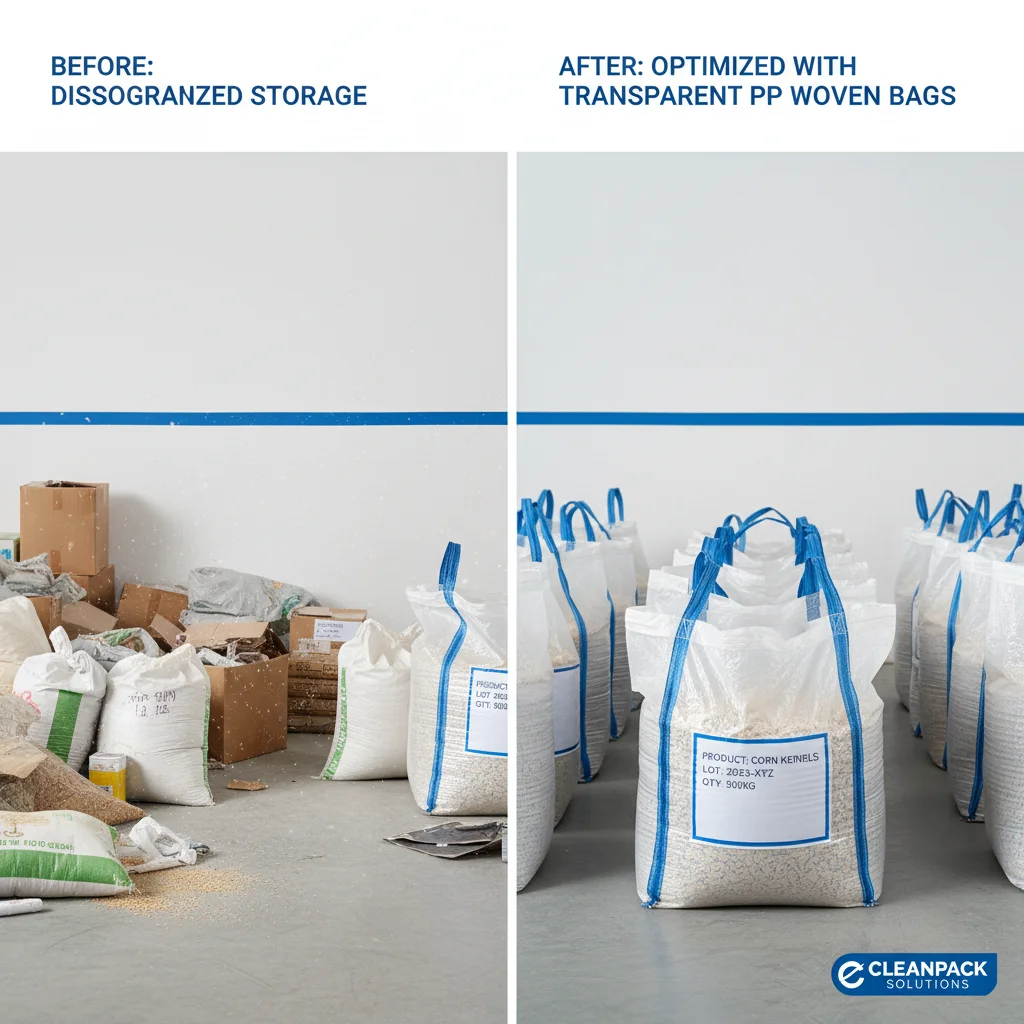
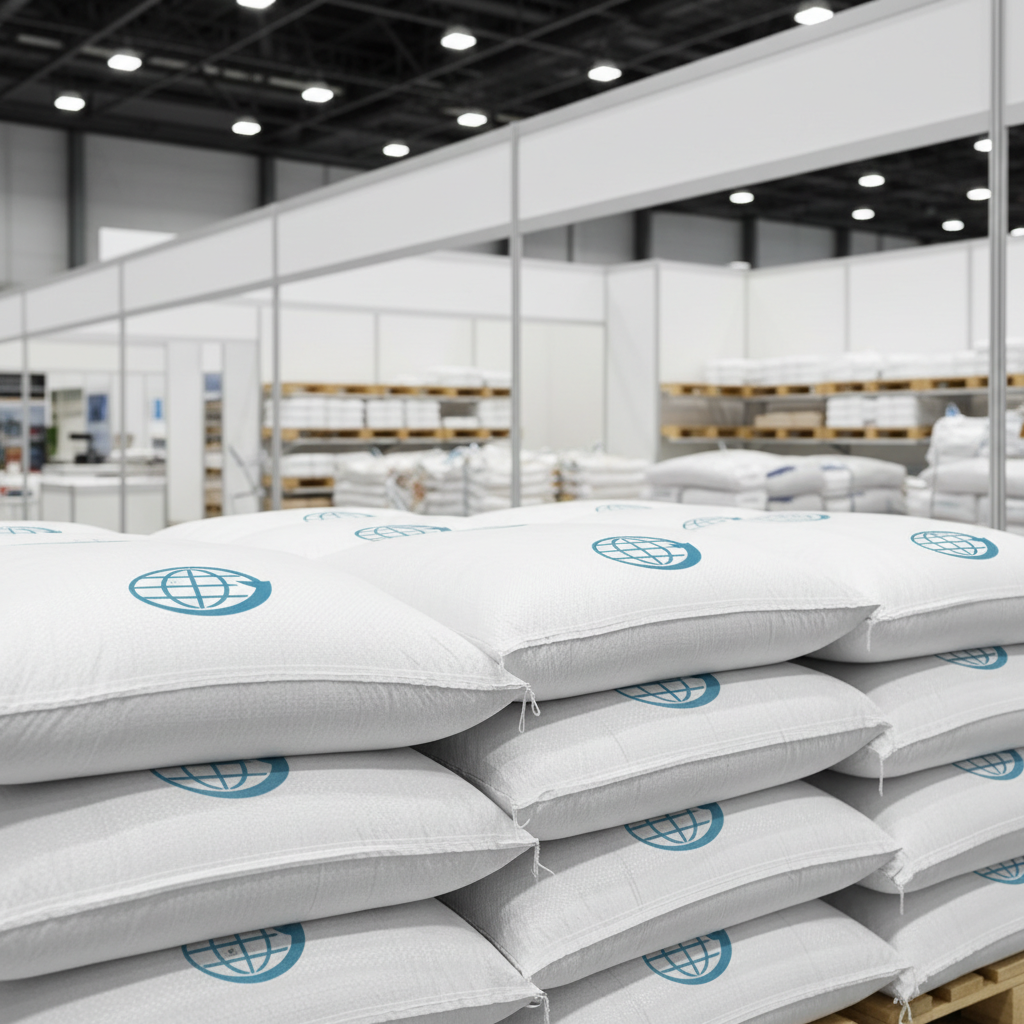
Their impact extends beyond mere transportation. These sacks contribute to reducing food waste by providing a protective barrier against moisture, pests, and damage. This is particularly crucial in developing nations where preserving food supplies is essential for economic stability and public health. The very design of these sacks makes them easily stackable, maximizing storage efficiency in warehouses and shipping containers.
Defining White Woven Polypropylene Sacks: A Comprehensive Overview
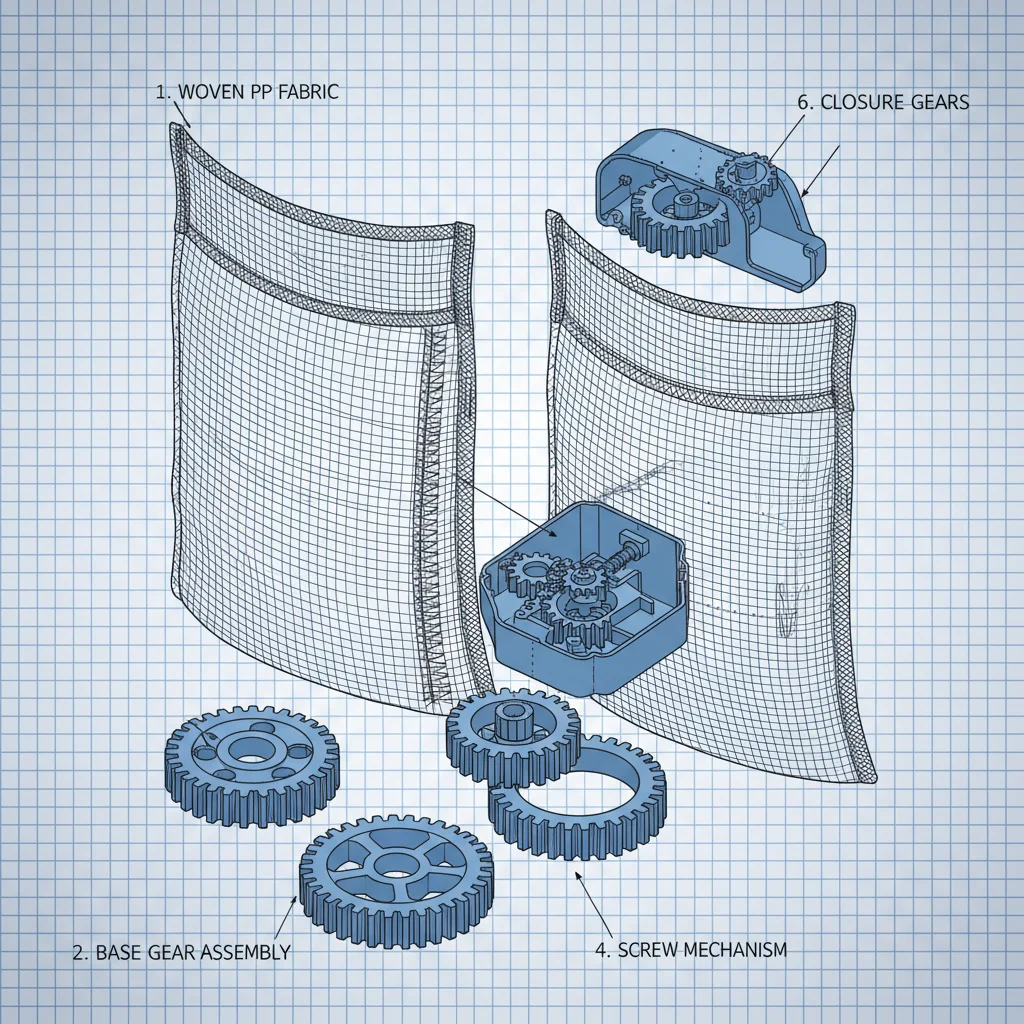
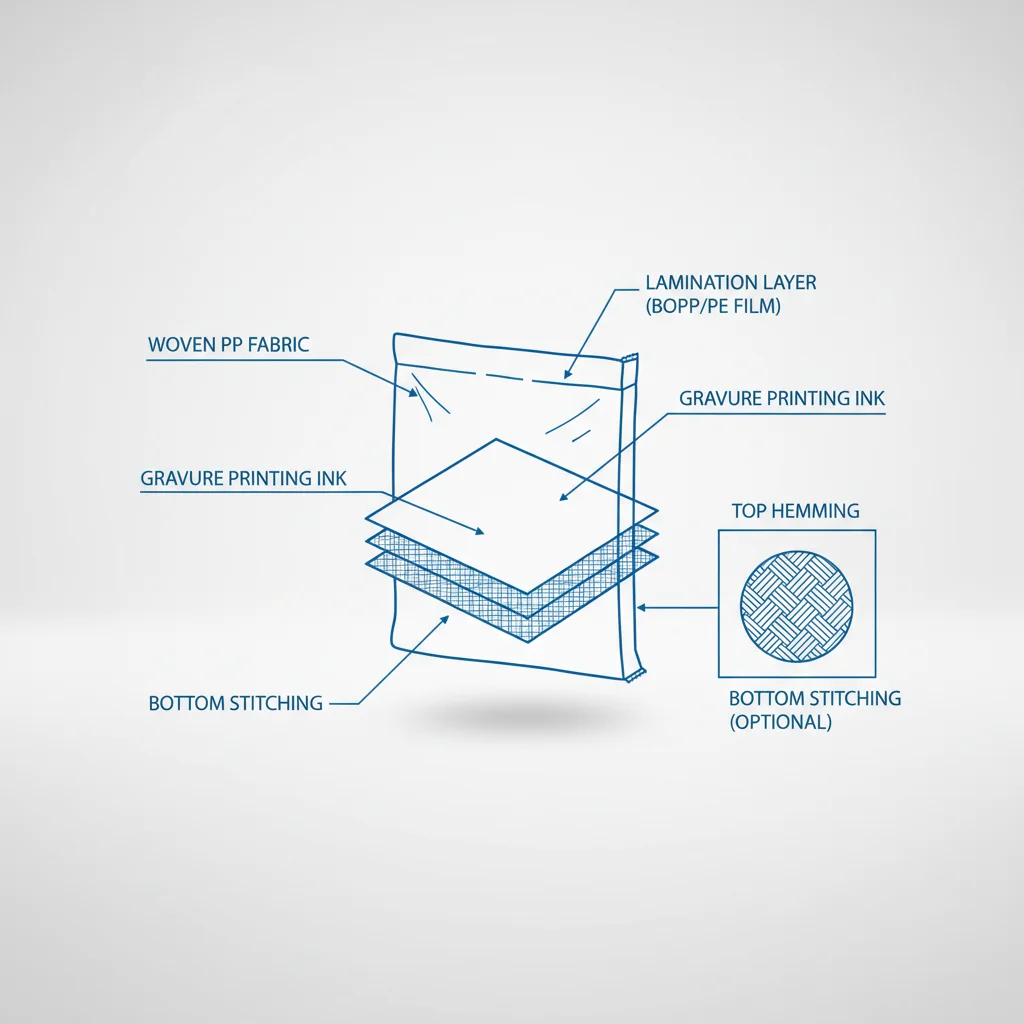
White woven polypropylene sacks are constructed from interwoven strands of polypropylene, a thermoplastic polymer known for its strength, durability, and resistance to chemicals. The 'woven' aspect refers to the process where these strands are interlaced to create a fabric-like material. The white color is achieved by adding whitening agents during the manufacturing process, though sacks can also be produced in various other colors. These sacks are typically coated with a laminate, often polypropylene or polyethylene, to enhance their water resistance and improve their overall strength.
They are a modern solution directly connected to the demands of 20th and 21st-century industry. Prior to their widespread adoption, jute, cotton, and other natural fiber sacks were common. However, polypropylene sacks quickly gained favor due to their superior strength-to-weight ratio, lower cost, and resistance to rot and mildew. Their role in enabling efficient distribution networks is critical to modern supply chains.
The resulting material is exceptionally versatile, making it suitable for a wide range of applications, from packaging agricultural products like grain and fertilizer to industrial goods like chemicals and minerals. They are integral to humanitarian efforts where durable, reliable packaging is essential for delivering aid to those in need.
Key Characteristics and Core Components of the Sacks
Several key factors contribute to the effectiveness of white woven polypropylene sacks. First, their durability is exceptional. The interwoven polypropylene fibers provide significant tensile strength, allowing the sacks to withstand heavy loads and resist tearing during handling and transport. This robust construction is crucial for preventing product loss and maintaining product integrity.
Secondly, cost-efficiency is a major advantage. Polypropylene is a relatively inexpensive polymer, and the manufacturing process is highly efficient, resulting in a low per-unit cost. This makes white woven polypropylene sacks an affordable packaging option for businesses of all sizes. Their low cost contributes to lower overall supply chain expenses.
Thirdly, water resistance is enhanced by the laminated coating. This protects the contents from moisture damage, preserving quality and preventing spoilage. Finally, their lightweight nature reduces transportation costs and makes them easier to handle. These sacks also exhibit excellent UV resistance, preventing degradation from prolonged exposure to sunlight.
Applications Across Industries and Global Regions
The applications of white woven polypropylene sacks are incredibly diverse. In agriculture, they are widely used for packaging grains (wheat, rice, corn), seeds, fertilizers, and animal feed. The construction industry utilizes them for cement, sand, and other building materials. The chemical industry relies on them for transporting powders, granules, and other chemical compounds.
Geographically, demand is particularly high in regions with significant agricultural output, such as Asia (China, India, Southeast Asia), South America (Brazil, Argentina), and Africa. In post-disaster relief operations, white woven polypropylene sacks are crucial for packaging and distributing food, water, and emergency supplies to affected populations.
Even in remote industrial zones, where infrastructure may be limited, these sacks provide a reliable and practical solution for transporting materials. Furthermore, they play a critical role in the mining industry, used for packaging ores and minerals.
Comparison of White Woven Polypropylene Sack Usage by Industry
Advantages and Long-Term Value Proposition
Beyond immediate cost savings, white woven polypropylene sacks offer significant long-term benefits. Their durability translates to reduced product loss and damage, leading to improved profitability for businesses. The sacks’ reusability, when appropriate, contributes to resource conservation and reduces waste. Furthermore, their lightweight nature lowers transportation costs, making them a more environmentally friendly option compared to heavier packaging materials.
The reliability of white woven polypropylene sacks fosters trust between suppliers, manufacturers, and consumers. Knowing that goods are securely packaged and protected throughout the supply chain promotes confidence and strengthens business relationships. This ultimately translates into improved customer satisfaction and brand loyalty.
Emerging Trends and Innovations in Sack Technology
Several innovations are shaping the future of white woven polypropylene sacks. Recycled polypropylene is gaining traction as a sustainable alternative to virgin materials, reducing the environmental impact of production. Furthermore, advancements in coating technologies are enhancing water resistance and barrier properties, improving product preservation.
Digital printing techniques are enabling customized sack designs, allowing businesses to enhance their branding and provide more detailed product information. Automation in manufacturing processes is increasing efficiency and reducing production costs, making these sacks even more accessible. The move toward circular economy principles is pushing the industry towards developing more readily recyclable or biodegradable polypropylene formulations.
Challenges and Sustainable Solutions
Despite their many advantages, white woven polypropylene sacks face challenges related to plastic waste and end-of-life management. The disposal of used sacks can contribute to environmental pollution if not handled responsibly. However, several solutions are emerging to address this issue.
Investing in improved recycling infrastructure is crucial for recovering polypropylene from used sacks and transforming it into new products. Exploring biodegradable additives for polypropylene is another promising avenue for reducing the environmental impact. Promoting extended producer responsibility (EPR) schemes can incentivize manufacturers to take responsibility for the end-of-life management of their products.
Developing closed-loop systems, where used sacks are collected, recycled, and reused, is key to achieving a more sustainable future for this essential packaging material. Collaborative efforts between industry stakeholders, governments, and consumers are essential for overcoming these challenges.
Summary of White Woven Polypropylene Sack Sustainability Factors
| Material Source |
Recyclability |
Biodegradability |
Environmental Impact |
| Virgin Polypropylene |
Moderate (Requires specialized facilities) |
Very Low |
High (Fossil fuel dependency) |
| Recycled Polypropylene |
High (Closed-loop systems) |
Very Low |
Moderate (Reduced fossil fuel reliance) |
| Polypropylene with Biodegradable Additives |
Moderate (Dependent on additive) |
Moderate (Accelerated decomposition) |
Moderate (Potential microplastic concerns) |
| Bio-based Polypropylene |
Moderate (Requires specialized facilities) |
Very Low |
Low (Renewable resource-based) |
| Sack Reuse Initiatives |
High (Extends product lifespan) |
N/A |
Very Low (Reduces material demand) |
| Improved Recycling Infrastructure |
Very High (Increases recovery rates) |
N/A |
Low (Reduces landfill waste) |
FAQS
White woven polypropylene sacks are incredibly versatile and are commonly used for packaging and transporting bulk materials like grains, fertilizers, animal feed, cement, sand, chemicals, and more. Their strength, water resistance, and cost-effectiveness make them ideal for a wide range of industries and applications, particularly those needing durable and reliable containment for large quantities of goods. They also play a critical role in humanitarian aid, enabling the safe and efficient distribution of essential supplies.
White woven polypropylene sacks are significantly more durable than traditional materials like jute or cotton. Polypropylene boasts a higher tensile strength and is far more resistant to tearing, abrasion, and water damage. Jute, while biodegradable, is susceptible to rot and mildew, particularly in humid environments. Polypropylene sacks offer a longer lifespan and provide better protection for the contained products, reducing loss and maintaining quality throughout the supply chain.
Yes, white woven polypropylene sacks are recyclable, but the process requires specialized facilities. They are typically categorized as #5 plastic (PP). The recycling process involves collecting, sorting, cleaning, and melting down the polypropylene to create new products. However, the availability of PP recycling infrastructure varies geographically. Efforts are underway to expand recycling capabilities and promote closed-loop systems where used sacks are collected and reused.
The primary environmental concern is plastic waste. Improper disposal can lead to landfill accumulation and potential pollution. Sustainable alternatives include using recycled polypropylene, incorporating biodegradable additives, and exploring bio-based polypropylene materials. Promoting reuse initiatives and investing in improved recycling infrastructure are also crucial steps towards mitigating the environmental impact.
Absolutely. White woven polypropylene sacks can be readily customized with printing and branding using various techniques, including flexographic printing. This allows businesses to display their logos, product information, and other branding elements directly on the sacks. Customized sacks enhance brand recognition, provide marketing opportunities, and can even include important handling instructions or safety warnings.
The lifespan of a white woven polypropylene sack varies depending on usage conditions, load weight, and environmental factors. Generally, a new sack can be used multiple times for transport and storage, often lasting through several cycles. With careful handling and proper storage, a single sack can have a functional lifespan of up to a year or more, significantly reducing the need for frequent replacements.
Conclusion
In conclusion, white woven polypropylene sacks represent a crucial component of the global economy, facilitating trade, ensuring food security, and enabling efficient disaster relief efforts. Their durability, cost-effectiveness, and versatility have established them as a mainstay in a wide range of industries. Understanding their properties and applications is essential for optimizing supply chains and promoting sustainable practices.
Looking ahead, innovation in materials, recycling technologies, and responsible disposal methods will be critical to minimizing the environmental impact of these sacks. By embracing circular economy principles and investing in sustainable solutions, we can ensure that white woven polypropylene sacks continue to play a vital role in meeting the world’s growing needs while safeguarding the planet. Visit our website today to learn more about our range of high-quality white woven polypropylene sacks and find the perfect solution for your business.