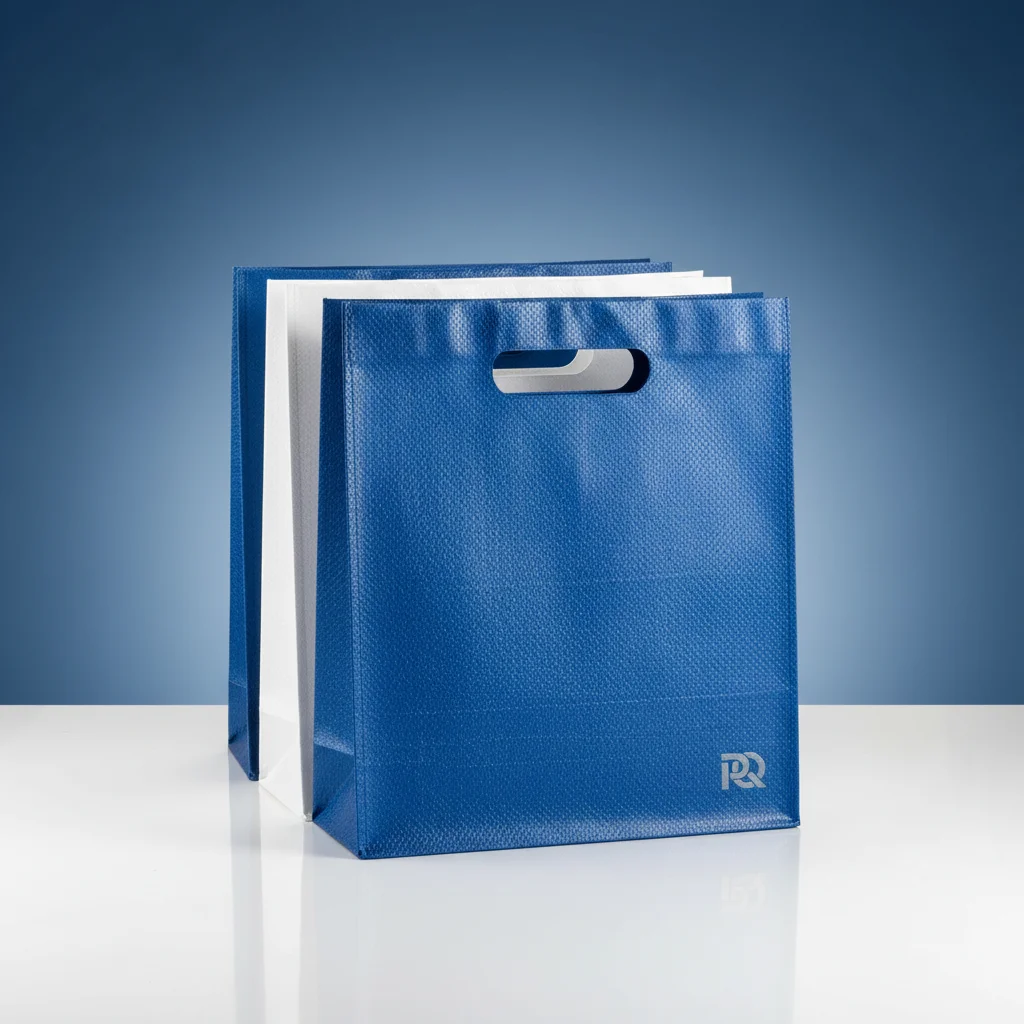
The world relies heavily on efficient and cost-effective packaging solutions, and the pp woven bag business stands at the forefront of meeting this demand. From agricultural products to industrial goods, these bags play a crucial role in storage, transportation, and logistics globally. Understanding the intricacies of this business—from production techniques to market trends—is vital for entrepreneurs, supply chain managers, and anyone involved in international trade. The pp woven bag business isn’t just about manufacturing bags; it’s about facilitating global commerce.
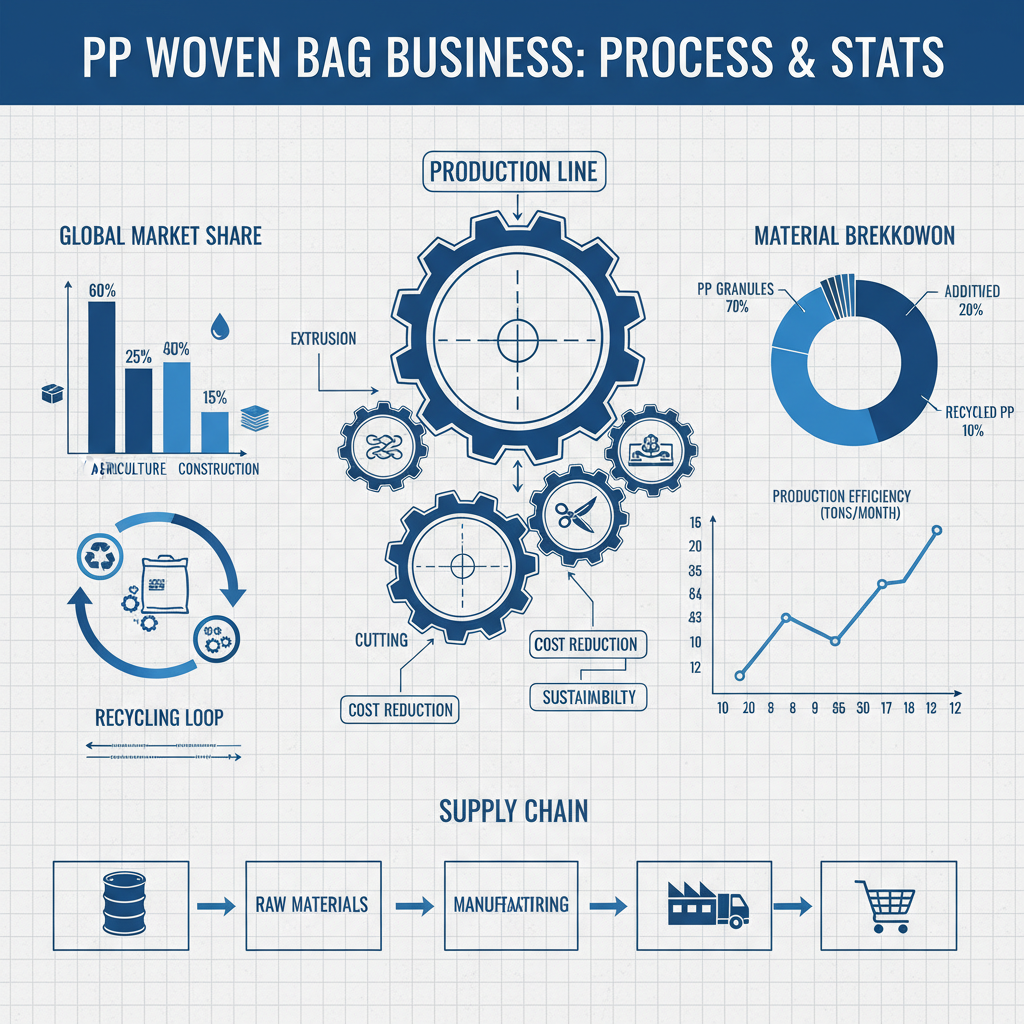
The global pp woven bag market is experiencing significant growth, driven by increasing demand from various sectors including agriculture, food processing, chemicals, and construction. According to market research reports, the industry is projected to continue expanding, particularly in emerging economies. This growth is fueled by the bags’ versatility, durability, and relatively low cost. However, increasing environmental concerns necessitate a shift towards sustainable practices within the pp woven bag business.
Successfully navigating the pp woven bag business requires a deep understanding of material science, manufacturing processes, logistics, and, crucially, a commitment to sustainability. It presents a unique opportunity to contribute to global trade while addressing evolving environmental standards. This understanding empowers businesses to innovate, optimize operations, and build resilient supply chains.
Introduction to the pp woven bag business
The pp woven bag business encompasses the manufacturing, distribution, and sale of polypropylene (PP) woven bags, a versatile packaging solution used across a multitude of industries. This industry benefits from the increasing global trade and demand for reliable, cost-effective packaging options. pp woven bag business thrives on innovation and adaptability.
The scale of the pp woven bag business is substantial, with a diverse range of players from small local manufacturers to large international corporations. The ability to customize bags in terms of size, color, printing, and features makes them suitable for a wide array of applications, leading to consistent and growing demand.
The Global Relevance of pp Woven Bags
pp woven bags have become indispensable in global trade, offering a cost-effective and durable packaging solution. The United Nations estimates that over 500 billion plastic bags are used worldwide annually, with a significant portion being pp woven bags due to their strength and reusability. They are particularly crucial in developing nations for transporting agricultural goods and food supplies, ensuring minimal spoilage and efficient distribution.
The World Bank recognizes the importance of efficient packaging in reducing post-harvest losses, especially in agricultural sectors of developing countries. pp woven bags contribute significantly to this efficiency by protecting products from damage, moisture, and pests. Furthermore, these bags are increasingly used in disaster relief operations for transporting essential supplies like food, water, and medical equipment.
The ISO standards relating to packaging quality and safety also play a crucial role in regulating the pp woven bag business. Compliance with these standards ensures the reliability and suitability of these bags for various applications, further solidifying their global relevance and consumer confidence.
Defining the pp Woven Bag Business
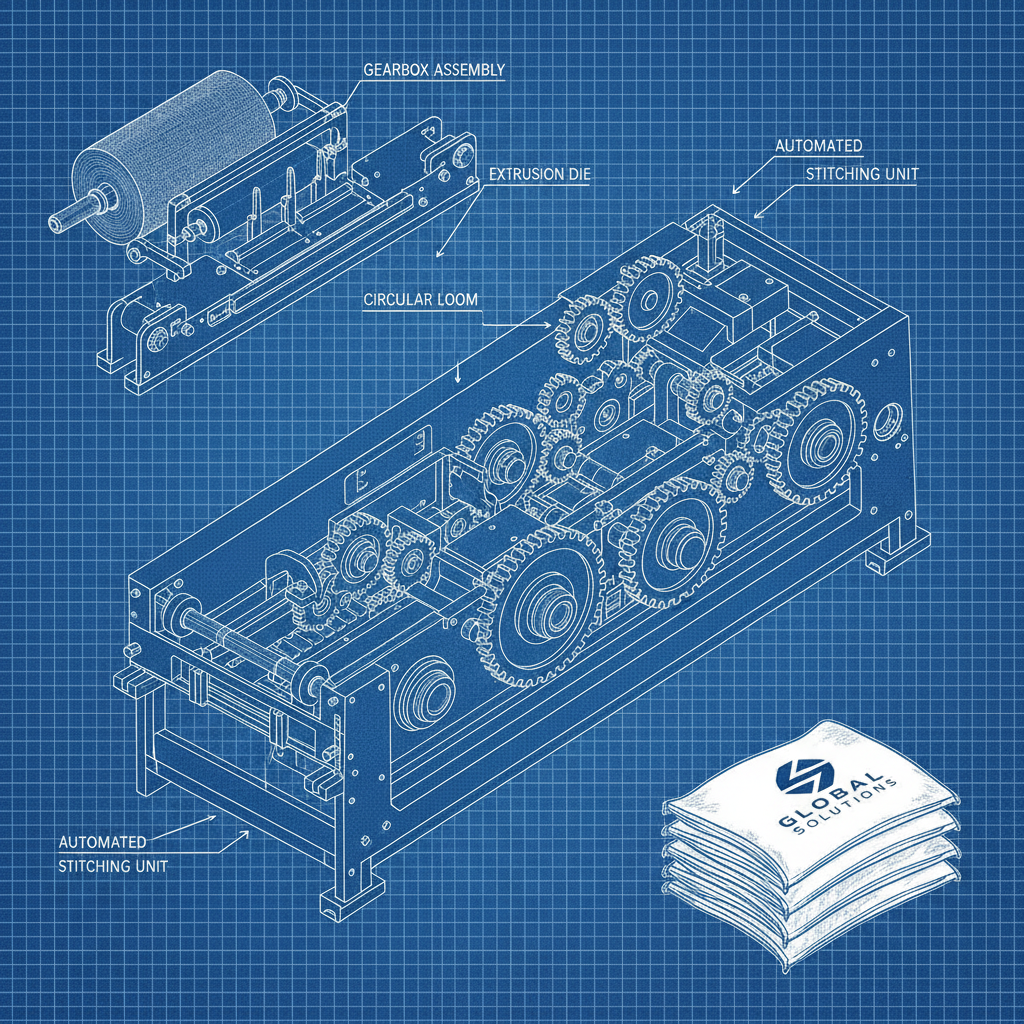
The pp woven bag business fundamentally revolves around the production and sale of bags manufactured from polypropylene, a thermoplastic polymer. This process involves extruding PP resin into ribbons, weaving those ribbons into fabric, and then converting the fabric into bags of various sizes, shapes, and designs. The business extends beyond just manufacturing to include design, printing, quality control, and logistics.
This industry is intricately linked to modern supply chains, serving as a vital component in the efficient movement of goods. Whether it's transporting grain from farms to processing plants, chemicals to industrial facilities, or consumer products to retail stores, pp woven bags facilitate the safe and secure delivery of materials.
In a humanitarian context, the pp woven bag business often plays a critical role in providing aid. The bags' durability and water-resistant properties make them ideal for distributing food, medical supplies, and shelter materials in emergency situations, offering a practical and reliable solution for crisis relief efforts.
Core Components of a Successful pp Woven Bag Business
A thriving pp woven bag business hinges on several core components. Firstly, Durability is paramount; the bags must withstand heavy loads, rough handling, and varying weather conditions. Secondly, Cost Efficiency is essential to remain competitive in a price-sensitive market. Thirdly, Customization – the ability to offer tailored solutions in terms of size, color, printing, and features – is a key differentiator.
Scalability is vital for meeting fluctuating demand and expanding into new markets. A successful business needs the capacity to quickly ramp up production without compromising quality. Finally, Sustainable Practices are becoming increasingly important, encompassing the use of recycled materials, reduced energy consumption, and responsible waste management. This appeals to environmentally conscious consumers and strengthens brand reputation.
pp woven bag business Performance Indicators
Global Applications and Use Cases
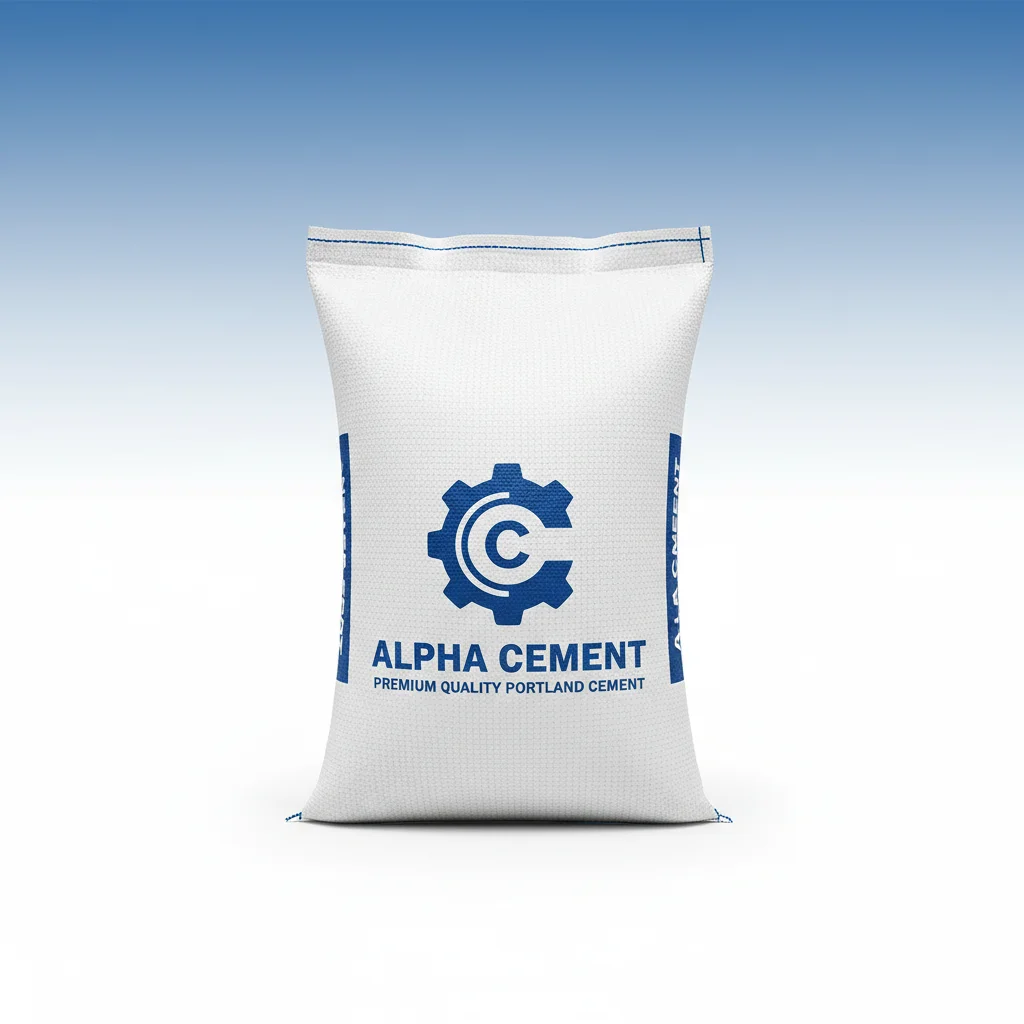
pp woven bags are ubiquitous across numerous industries. In agriculture, they are used for packaging grains, fertilizers, animal feed, and produce, ensuring safe storage and transport. The construction industry utilizes them for packaging cement, sand, and other building materials. The chemical industry relies on them for transporting powders, granules, and other potentially hazardous substances.
In post-disaster relief operations, pp woven bags are frequently employed to distribute food aid, blankets, and other essential supplies to affected communities. Their robustness and water resistance make them suitable for challenging environments. In remote industrial zones, where access to more sophisticated packaging is limited, pp woven bags provide a practical and affordable solution.
Regions with significant agricultural output, such as Southeast Asia, South America, and Africa, represent major markets for pp woven bags. Similarly, countries undergoing rapid industrialization, like China and India, are experiencing increased demand. The versatility of the bags ensures continued adoption across diverse geographical locations and economic contexts.
Advantages and Long-Term Value
The primary advantage of pp woven bags is their cost-effectiveness, making them accessible to businesses of all sizes. Their durability translates to fewer replacements, reducing long-term expenses. From a sustainability perspective, the increasing use of recycled PP in manufacturing minimizes environmental impact. These bags also provide a level of product protection that ensures minimal spoilage and damage during transport.
Beyond the purely economic benefits, pp woven bags contribute to enhanced safety in handling and transportation. The robust construction minimizes the risk of tears or punctures, preventing spills or leaks. Moreover, the customizable printing options allow for clear labeling and branding, building trust and recognition with customers.
Future Trends and Innovations
The pp woven bag business is poised for further innovation, particularly in the realm of sustainability. Research and development are focusing on biodegradable PP alternatives and incorporating a higher percentage of recycled materials into production. Digital printing technologies are also evolving, enabling more complex and visually appealing designs with faster turnaround times.
Automation and AI-powered quality control systems are being implemented to enhance efficiency and reduce waste. These technologies streamline the manufacturing process, ensuring consistent quality and minimizing production costs. Furthermore, the integration of track-and-trace technologies, utilizing RFID or blockchain, is improving supply chain transparency and traceability.
Challenges and Solutions
A key challenge facing the pp woven bag business is the environmental impact of plastic waste. Addressing this requires a multi-faceted approach, including investing in recycling infrastructure, promoting the use of biodegradable materials, and implementing extended producer responsibility schemes. Another challenge is maintaining consistent quality control across diverse manufacturing facilities.
Solutions include adopting standardized quality management systems, investing in employee training, and leveraging data analytics to identify and address production bottlenecks. Furthermore, collaboration between manufacturers, suppliers, and retailers is crucial for driving sustainable practices and fostering a circular economy.
The fluctuating cost of raw materials, specifically polypropylene, poses a significant challenge. Mitigation strategies include diversifying sourcing options, negotiating long-term contracts with suppliers, and exploring alternative materials. The pp woven bag business must adapt to these challenges to remain competitive and responsible.
Analysis of Solutions to Common Challenges in the pp woven bag business
| Challenge |
Solution Strategy |
Implementation Cost (1-10) |
Potential Impact (1-10) |
| Raw Material Price Volatility |
Diversified Sourcing & Long-Term Contracts |
6 |
8 |
| Environmental Concerns |
Investment in Recycled PP & Biodegradable Materials |
7 |
9 |
| Quality Control Consistency |
Standardized Quality Management Systems |
5 |
7 |
| Labor Costs & Availability |
Automation & Employee Training Programs |
8 |
6 |
| Supply Chain Disruptions |
Building Redundancy & Regional Distribution Centers |
9 |
7 |
| Competition & Price Wars |
Product Differentiation & Value-Added Services |
4 |
8 |
FAQS
When selecting a pp woven bag supplier, prioritize those committed to sustainability. Look for certifications like ISO 14001 and inquire about their use of recycled PP materials, water conservation practices, waste reduction programs, and energy efficiency initiatives. A responsible supplier will actively work to minimize their environmental footprint throughout the manufacturing process and offer options for reusable or recyclable bags.
To ensure quality, request samples and conduct thorough testing before placing a large order. Check for tensile strength, GSM (grams per square meter) to assess fabric weight, and printing clarity. Ensure the supplier has a robust quality control system in place, including inspections at various stages of production. Also, verify compliance with relevant industry standards and certifications.
Typical lead times for custom-printed pp woven bags range from 3 to 6 weeks, depending on the complexity of the design, the order quantity, and the supplier’s current production schedule. It’s crucial to communicate your specific requirements and delivery deadlines clearly to the supplier during the initial quotation process to ensure timely fulfillment.
Most pp woven bag manufacturers have minimum order quantities (MOQs), which vary depending on the bag size, customization options, and supplier. MOQs typically range from 500 to 1000 bags per design. However, some suppliers may be willing to negotiate smaller quantities for simpler orders or established customers.
The most common printing methods for pp woven bags are flexographic printing and rotogravure printing. Flexographic printing is cost-effective for simpler designs and larger production runs, while rotogravure printing is ideal for complex designs and photographic images. Both methods offer good color reproduction and durability.
To reduce shipping costs, consider consolidating your orders, negotiating freight rates with the supplier, and utilizing sea freight for large volumes. Optimizing packaging to minimize dimensional weight and choosing a supplier located closer to your destination can also contribute to significant cost savings.
Conclusion
The pp woven bag business is a dynamic and essential component of global trade and logistics. From its cost-effectiveness and durability to its increasing focus on sustainability, these bags offer a versatile packaging solution for a diverse range of industries. Understanding the core components of this business – from manufacturing processes to market trends – is crucial for success.
Looking ahead, the pp woven bag business will continue to evolve, driven by innovation in materials, automation, and supply chain management. Embracing sustainable practices and investing in research and development will be vital for long-term growth and competitiveness. To explore further and find a reliable partner for your packaging needs, visit our website: www.ssjtpack.com.