
Comprehensive Guide to PP Woven Sack Bags for Various Industrial Applications
March 26, 2026
Understanding PP Woven Sack Bags: A Comprehensive Guide
PP woven sack bags are a versatile and cost-effective packaging solution widely used across various industries for transporting and storing bulk materials. These bags, made from polypropylene (PP) plastic, are renowned for their strength, durability, and resistance to moisture and tearing. Whether you're in agriculture, construction, or food processing, understanding the nuances of PP woven sack bags is crucial for optimizing your packaging strategy. We will explore their features, applications, and key considerations for choosing the right bag for your specific needs.
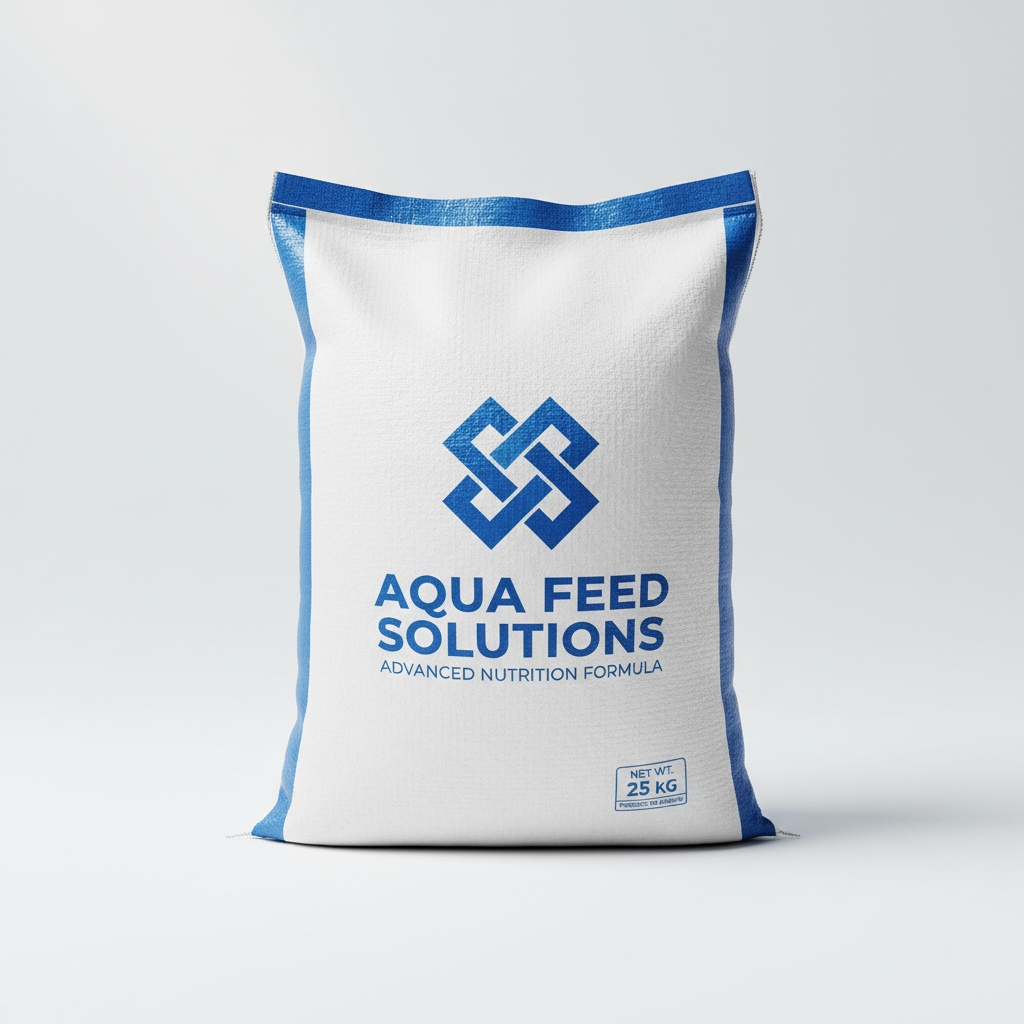
The Core Benefits of PP Woven Sack Bags
PP woven sack bags offer a multitude of benefits that make them a preferred choice for many businesses. Their high tensile strength ensures they can withstand heavy loads without tearing, minimizing product loss during transit and storage. The inherent moisture resistance of polypropylene protects contents from rain, humidity, and other environmental factors. Moreover, these bags are lightweight, which reduces shipping costs. They are also recyclable, offering an environmentally responsible packaging option. These qualities combine to create a robust, reliable, and cost-effective packaging solution.
Key Advantages: High tensile strength, moisture resistance, lightweight construction, cost-effectiveness, and recyclability.
PP Woven Sack Bags: Common Applications
The versatility of PP woven sack bags makes them applicable across a wide range of industries. In agriculture, they are commonly used for packaging grains, fertilizers, animal feed, and other agricultural products. The construction industry utilizes them for sand, cement, and other building materials. The food industry employs them for packaging flour, sugar, rice, and other dry food items. They also find applications in chemical packaging, textile industries, and for general storage purposes. Their adaptability makes them a staple in the global supply chain.
Application Areas:
• Agriculture (grains, fertilizers, feed)
• Construction (sand, cement)
• Food Industry (flour, sugar, rice)
• Chemical Packaging
Choosing the Right PP Woven Sack Bag: Key Considerations
Selecting the optimal PP woven sack bag requires careful consideration of several factors. Weight capacity is paramount – ensure the bag can safely handle the weight of the contents. Bag size should be appropriate for the volume of product being packaged. The type of weave (e.g., circular, flat) affects strength and cost. Additional features like lamination, UV stabilization, and liners can enhance performance based on the product’s needs. Working with a reputable supplier like SSJT Pack can provide expert guidance on these choices.
PP Woven Sack Bags and Sustainability
With growing environmental concerns, the sustainability of packaging materials is crucial. PP woven sack bags are recyclable (resin code #5), contributing to a circular economy. Furthermore, the durability of these bags reduces the need for frequent replacements, minimizing waste. Manufacturers are also exploring the use of recycled PP in production, further reducing the environmental footprint. Choosing PP woven sacks from a responsible supplier committed to sustainable practices ensures an eco-friendly packaging solution.
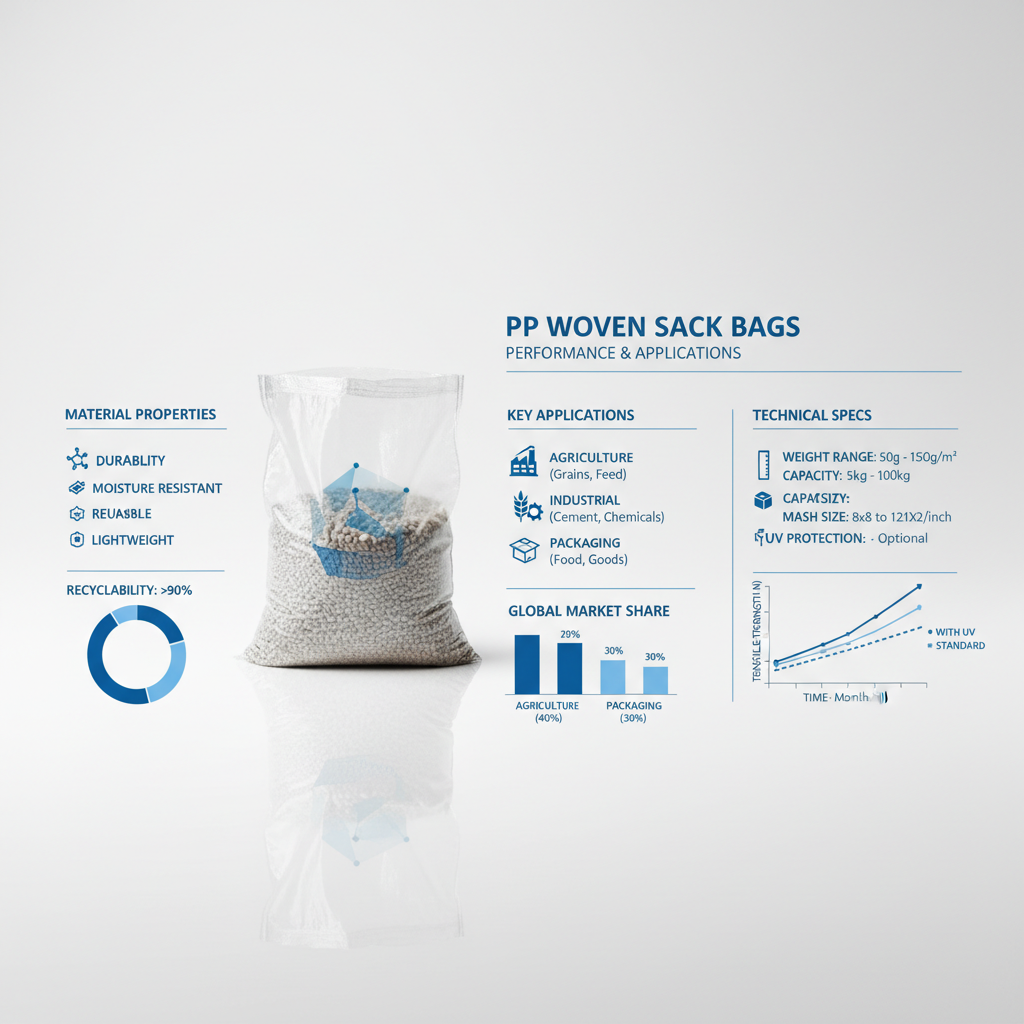
PP Woven Sack Bag Specifications
Understanding the technical specifications of PP woven sack bags is essential for making informed purchasing decisions. Here’s a look at common specifications:
Conclusion: Reliable Packaging with PP Woven Sack Bags
PP woven sack bags remain a cornerstone of the packaging industry, offering a cost-effective, durable, and versatile solution for a wide range of applications. By carefully considering your specific needs and choosing a reputable supplier like SSJT Pack, you can ensure your products are safely and efficiently packaged for transport and storage.
Frequently Asked Questions (FAQs)
What is the typical lifespan of a PP woven sack bag?
The lifespan of a PP woven sack bag depends on several factors, including the quality of the material, the weight of the contents, the handling conditions, and exposure to UV radiation. Generally, a well-maintained bag can be used for multiple trips. However, it’s important to inspect bags regularly for signs of wear and tear, such as cuts, tears, or weakening of the weave. Bags should be replaced if they exhibit significant damage or compromise their structural integrity. For single-use applications, the bag's lifespan is limited to the transportation and storage cycle.
Can PP woven sacks be customized with printing?
Yes, PP woven sacks can be readily customized with printing. This is a popular option for branding, product information, and handling instructions. Various printing methods, such as flexographic printing, are used to apply designs and text to the bags. The number of colors and the complexity of the design will influence the cost. Contacting a supplier like SSJT Pack will help determine the best printing options for your needs and budget.
Are laminated PP woven sacks more expensive?
Yes, laminated PP woven sacks are typically more expensive than non-laminated sacks. The lamination process adds an additional layer of material (usually polyethylene film) to the bag, which increases its strength, moisture resistance, and printability. However, the added cost is often justified by the enhanced protection and performance benefits, particularly for products that require barrier protection against moisture, oxygen, or contaminants.
What are the available closure options for PP woven sacks?
Several closure options are available for PP woven sacks, depending on the application and desired level of security. Common options include sewn closures, heat-sealed closures, and valve sacks. Sewn closures are the most common and cost-effective, while heat-sealed closures provide a more secure and tamper-evident seal. Valve sacks are often used for products that require precise filling and dispensing. The appropriate closure type should be selected based on the characteristics of the contents and the shipping and handling requirements.
Hit enter to search or ESC to close


