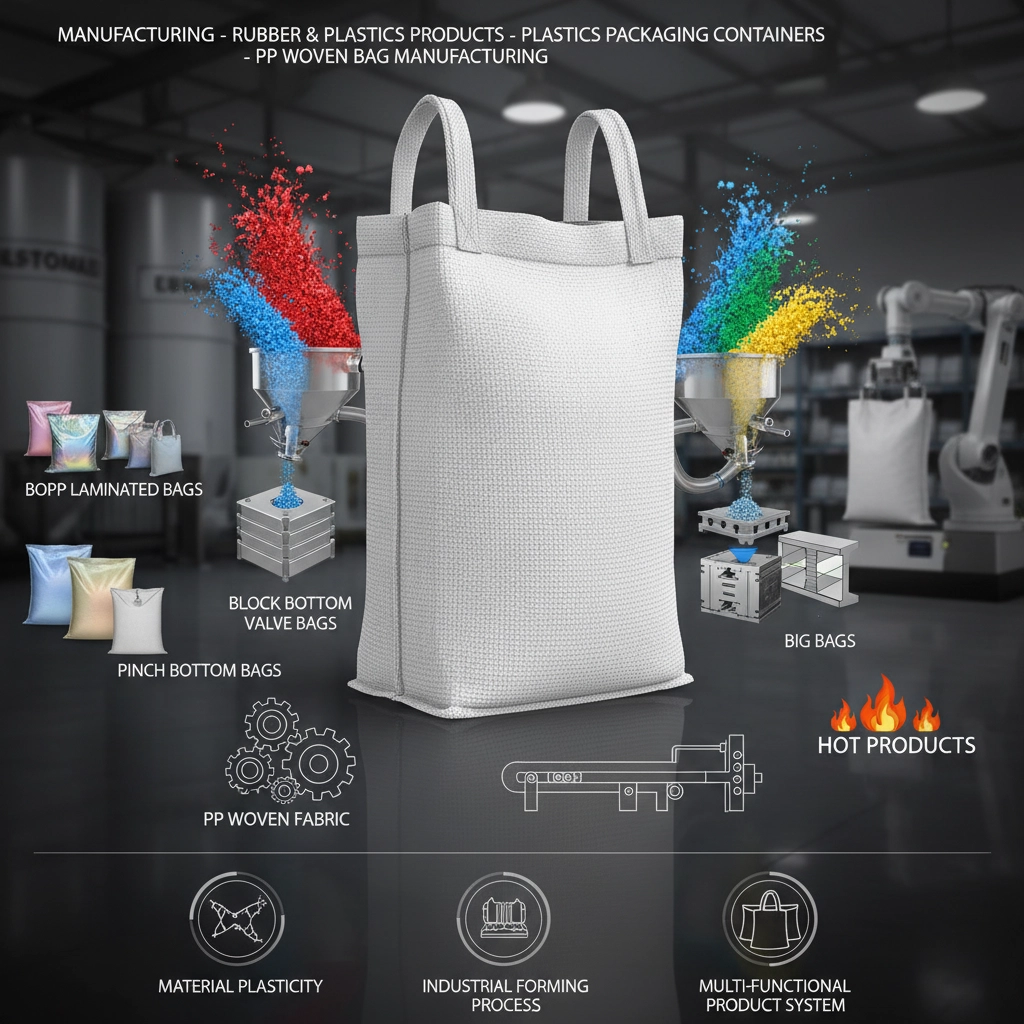
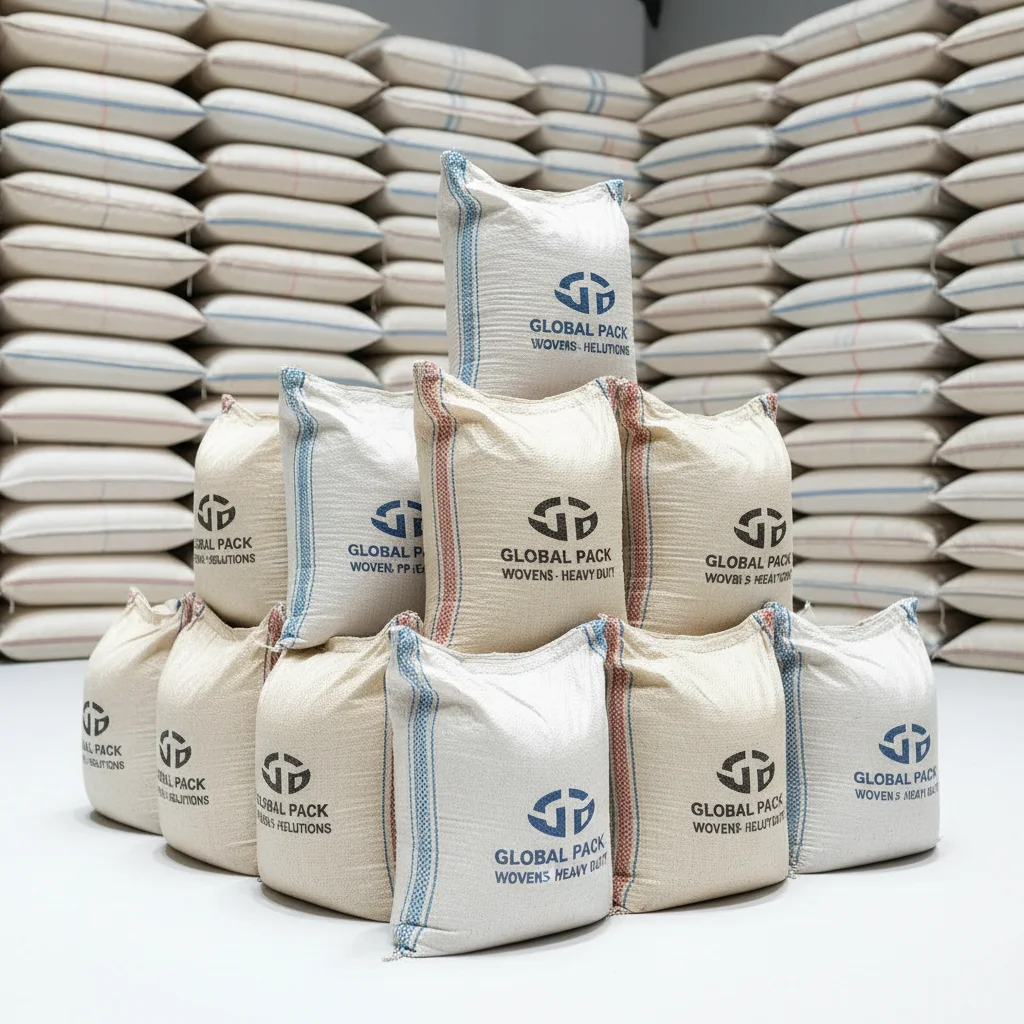
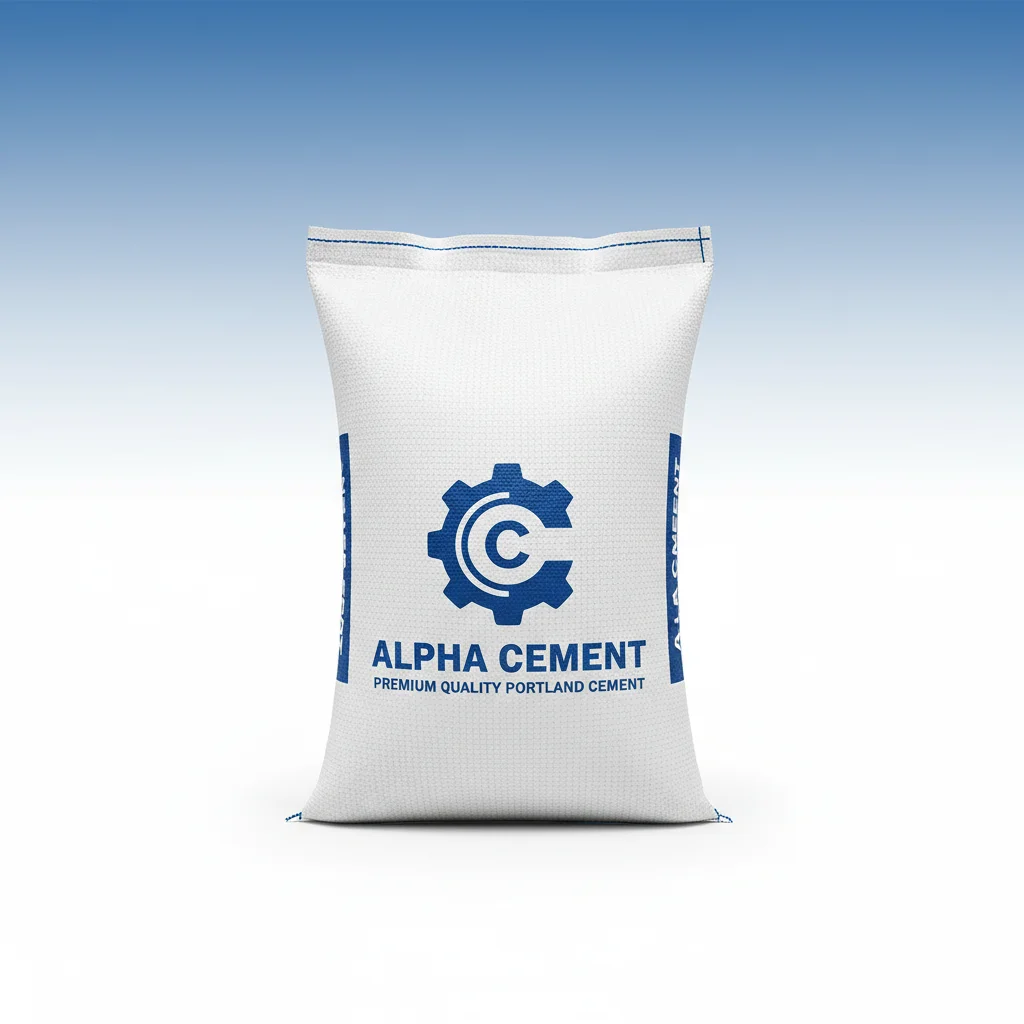
In the competitive landscape of industrial packaging, the pp block bottom bag has emerged as a cornerstone for transporting granulated and powdered materials. These specialized containers are engineered to provide superior structural stability, ensuring that heavy loads remain upright during transit and warehousing, which significantly optimizes space and reduces product loss.
The global demand for high-performance polypropylene solutions is driven by the need for packaging that can withstand rigorous supply chain pressures while maintaining the integrity of the contents. From chemical resins to agricultural minerals, the pp block bottom bag offers a unique combination of tensile strength and leak-proof design that traditional sacks cannot match.
Understanding the technical nuances of these bags—such as their valve closures and reinforced bases—is essential for procurement managers looking to enhance operational efficiency. By transitioning to a block-bottom configuration, businesses can achieve a professional aesthetic and a more stable palletization process, directly impacting the bottom line through reduced shipping damages.
The Structural Engineering of PP Block Bottom Bags
The primary innovation of the pp block bottom bag lies in its squared-off base, which allows the bag to stand independently once filled. Unlike conventional woven bags that slump or lean, the block bottom design distributes the weight of the contents evenly across the base, creating a stable center of gravity that is critical for automated filling lines and high-stacking warehouses.
This geometric advantage is achieved through precision folding and reinforced stitching at the bottom seams. By utilizing high-tenacity polypropylene ribbons, these bags prevent the "bulging" effect commonly seen in other packaging types, ensuring that every unit fits perfectly within a standardized pallet footprint, thereby maximizing shipping container utilization.
Global Industry Standards and Market Relevance
On a global scale, the adoption of the pp block bottom bag is closely tied to the rise of the chemical and agricultural sectors in emerging markets. According to ISO packaging standards, the requirement for moisture resistance and puncture durability has pushed manufacturers toward BOPP laminated and valve-integrated designs, which are hallmark features of the block-bottom variety.
One of the most significant challenges addressed by this packaging is the "sifting" or leakage of fine powders during long-haul maritime transport. With the implementation of strict safety regulations by organizations like the World Bank for food security shipments, the ability of a pp block bottom bag to seal effectively while remaining breathable (or fully airtight via liners) has become a critical success factor.
Moreover, the shift toward automation in the manufacturing industry has made these bags indispensable. Because they can be fed into automatic filling machines without tilting, they reduce labor costs and minimize product spillage, aligning with the Industry 4.0 goals of efficiency and waste reduction across global supply chains.
Core Components for Maximum Durability
The durability of a pp block bottom bag starts with the virgin polypropylene resin used in the weaving process. The weave density determines the bag's ability to resist tears and punctures, which is vital when handling abrasive materials like cement, gypsum, or industrial minerals.
A critical component is the bottom gusset and the integrated valve system. The pp block bottom bag often features a specialized valve that allows for high-speed filling and automatic closing, ensuring that the seal is airtight and resistant to the internal pressure exerted by the product.
Finally, UV stabilization is often added to the material composition. Since many pp block bottom bag shipments are stored outdoors or in open-air depots, adding UV inhibitors prevents the polymer chains from breaking down under sunlight, extending the shelf life of the packaging from weeks to months.
Comparative Performance Analysis in Logistics
When analyzing the efficiency of packaging, the pp block bottom bag consistently outperforms traditional flat-bottom woven sacks in terms of pallet stability. This stability reduces the need for excessive shrink-wrap and decreases the incidence of "pallet lean," which is a major cause of accidents in high-density warehousing.
From a cost-benefit perspective, the initial investment in a block-bottom design is offset by the reduction in product wastage. By providing a more secure seal and a more rigid structure, these bags protect the contents from external compression and environmental contamination more effectively than standard options.
Performance Metrics of PP Block Bottom Bag Variations
Versatile Applications Across Global Sectors
In the agricultural sector, the pp block bottom bag is widely used for seeds, fertilizers, and animal feed. Its ability to keep products upright allows for easier branding visibility on retail shelves and simplifies the process of bulk loading in remote farming zones where manual handling is still common.
The chemical industry utilizes these bags for transporting polymer pellets and powdered pigments. In these high-stakes environments, the leak-proof nature of the block bottom design is critical to prevent chemical contamination of the transport vehicle and to ensure that the exact weight of the product reaches the end consumer.
Long-term Economic and Sustainability Value
Beyond immediate utility, the pp block bottom bag provides significant long-term economic value. By reducing the rate of bag breakage and product spillage, companies can lower their insurance premiums and decrease the cost of hazardous material cleanup, which is especially pertinent in the industrial chemical sector.
From a sustainability angle, polypropylene is highly recyclable. Many modern pp block bottom bag designs are moving toward mono-material construction, making it easier for recycling facilities to process the plastic without needing to separate multiple layers, thus contributing to a circular economy.
The reliability of these bags also fosters trust between suppliers and clients. When a shipment arrives in perfect condition, with bags standing neatly on the pallet, it reflects a commitment to quality and professionalism that strengthens long-term B2B partnerships and brand loyalty.
Future Innovations in Polypropylene Packaging
The future of the pp block bottom bag is being shaped by the integration of "smart packaging" technologies. We are seeing the emergence of RFID tags and QR codes embedded directly into the woven fabric, allowing for real-time tracking of shipments and instant access to product certificates of analysis via a smartphone.
Material science is also evolving, with the introduction of biodegradable additives that allow polypropylene to break down more quickly in landfills without compromising the bag's strength during its useful life. This shift ensures that the pp block bottom bag remains compliant with increasingly stringent global environmental policies.
Automation is the final frontier, with new filling systems designed specifically for block-bottom bags that can operate at speeds previously thought impossible. This synergy between bag design and robotic machinery is drastically reducing the cost per unit, making high-quality packaging accessible to smaller manufacturers.
Core Analysis of PP Block Bottom Bag Innovation Trends
| Innovation Dimension |
Technical Implementation |
Impact Level (1-10) |
Primary Benefit |
| Digital Tracking |
Integrated RFID/QR Codes |
9 |
Supply Chain Transparency |
| Eco-Materials |
Biodegradable PP Additives |
8 |
Environmental Compliance |
| Filling Speed |
Robotic Valve Alignment |
10 |
Operational Efficiency |
| Barrier Tech |
Nano-Lamination Layers |
7 |
Enhanced Preservation |
| UV Protection |
Advanced HALS Inhibitors |
8 |
Outdoor Storage Life |
| Weight Optimization |
High-Tenacity Thin Ribbons |
6 |
Lower Shipping Costs |
FAQS
The primary advantage is the structural stability. A pp block bottom bag is designed to stand upright on its own, which optimizes pallet space and prevents the bags from shifting or collapsing during transport. This lead to higher efficiency in warehousing and a more professional presentation for the end customer.
Yes, provided they are manufactured using virgin polypropylene resins and meet the specific food-safety certifications of the destination country. Many block bottom bags are equipped with internal PE liners to ensure complete isolation from moisture and contaminants, making them ideal for grains and sugar.
The valve is a specially sewn opening that allows product to flow in quickly during the filling process. Once the bag reaches its weight capacity, the internal pressure causes the valve to naturally close, creating a secure seal without the need for manual sewing or heat sealing.
Polypropylene (PP) is a thermoplastic, meaning it can be melted down and repurposed. Most block bottom bags are fully recyclable. To maximize recyclability, we recommend using mono-material designs that avoid mixing different types of plastics in the lamination process.
Without UV treatment, PP can degrade under direct sunlight within a few weeks. However, our UV-stabilized pp block bottom bags are engineered to withstand harsh sunlight for several months, ensuring the structural integrity of the packaging remains intact during outdoor staging.
The choice depends on the density and abrasiveness of your material. For heavy minerals, a higher GSM (grams per square meter) and a tighter weave are recommended. Our technical team can analyze your product's characteristics to suggest the optimal fabric specification for your needs.
Conclusion
In summary, the pp block bottom bag represents a critical evolution in industrial packaging, blending structural physics with material science to solve the perennial problems of stability and leakage. By prioritizing a squared-base design and integrating advanced valve systems, these containers not only protect the product but also streamline the entire logistics chain from the filling plant to the final destination.
Looking forward, the integration of smart tracking and sustainable materials will further cement the role of polypropylene packaging in a green, digital economy. For businesses aiming to reduce waste and increase operational throughput, investing in high-quality block-bottom solutions is no longer an option but a strategic necessity. Visit our website for more professional solutions: www.ssjtpack.com