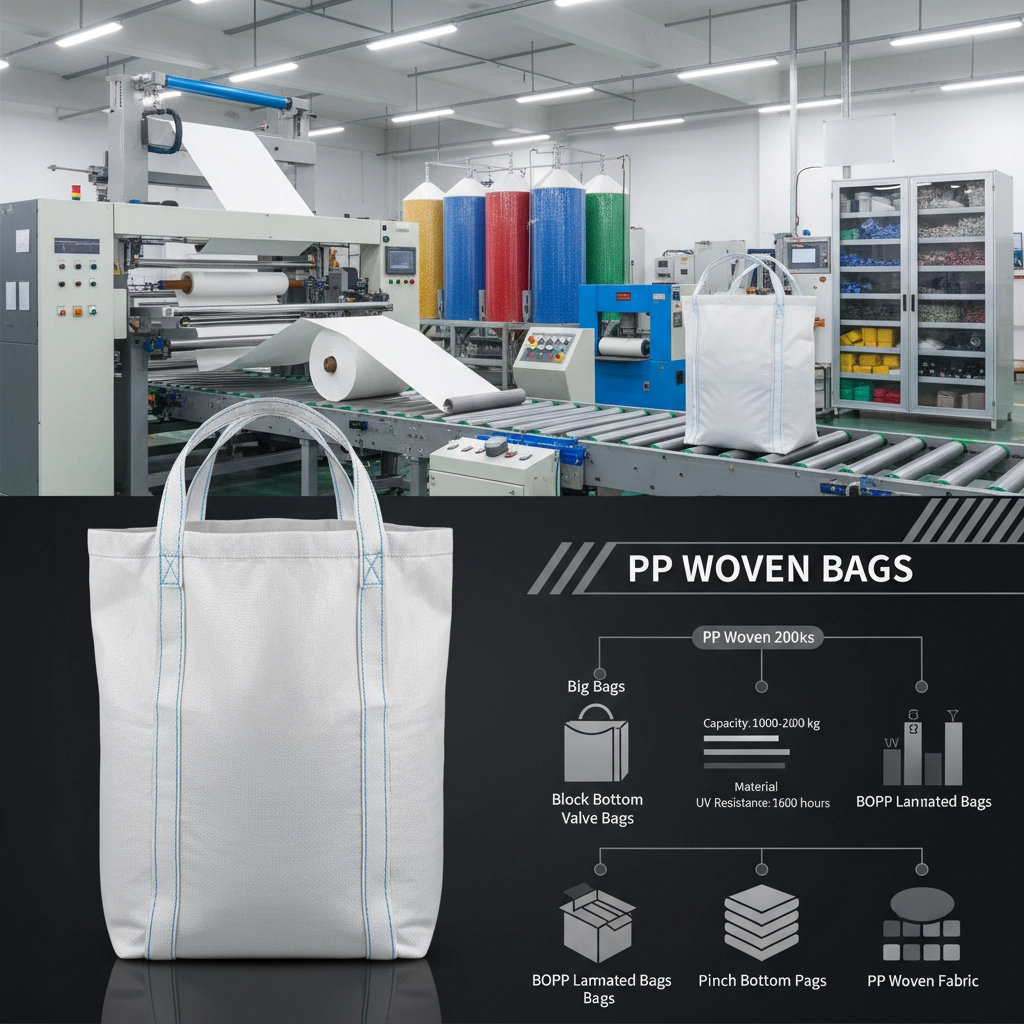
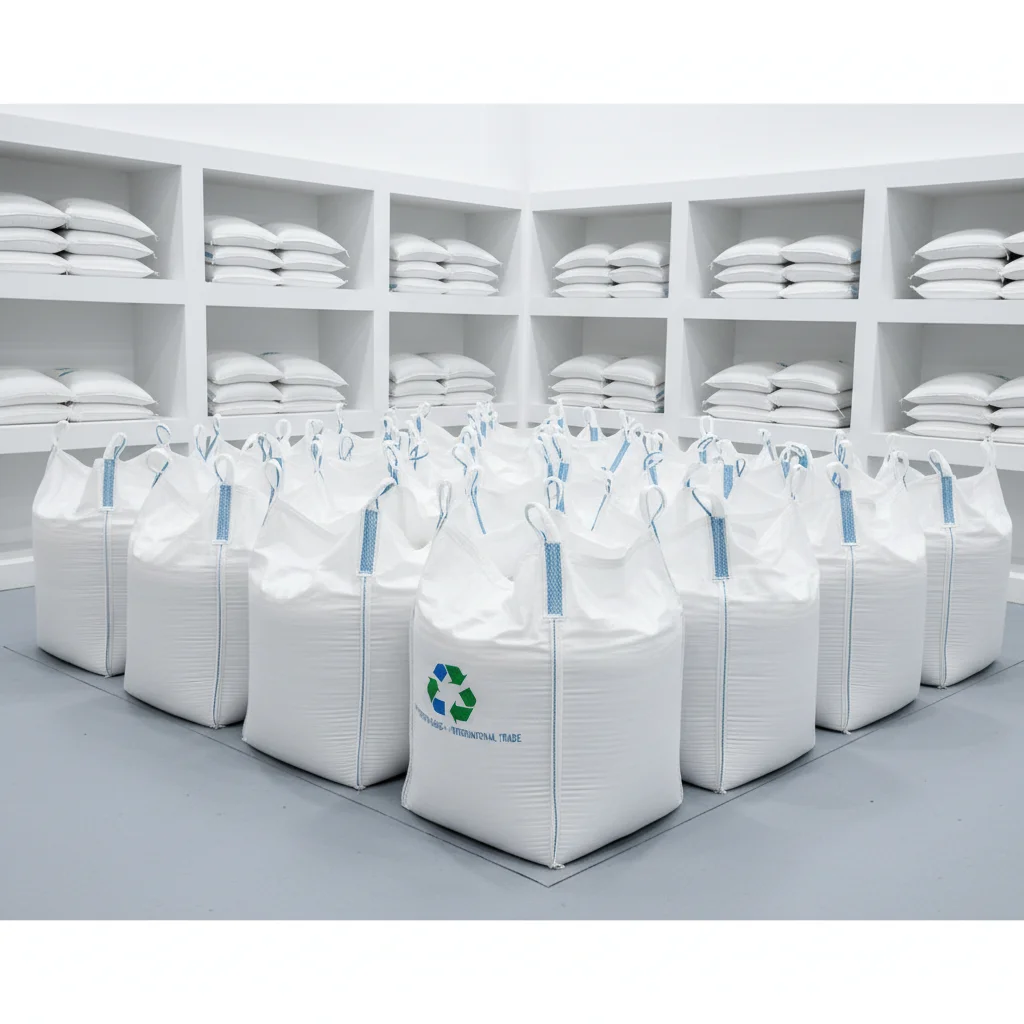
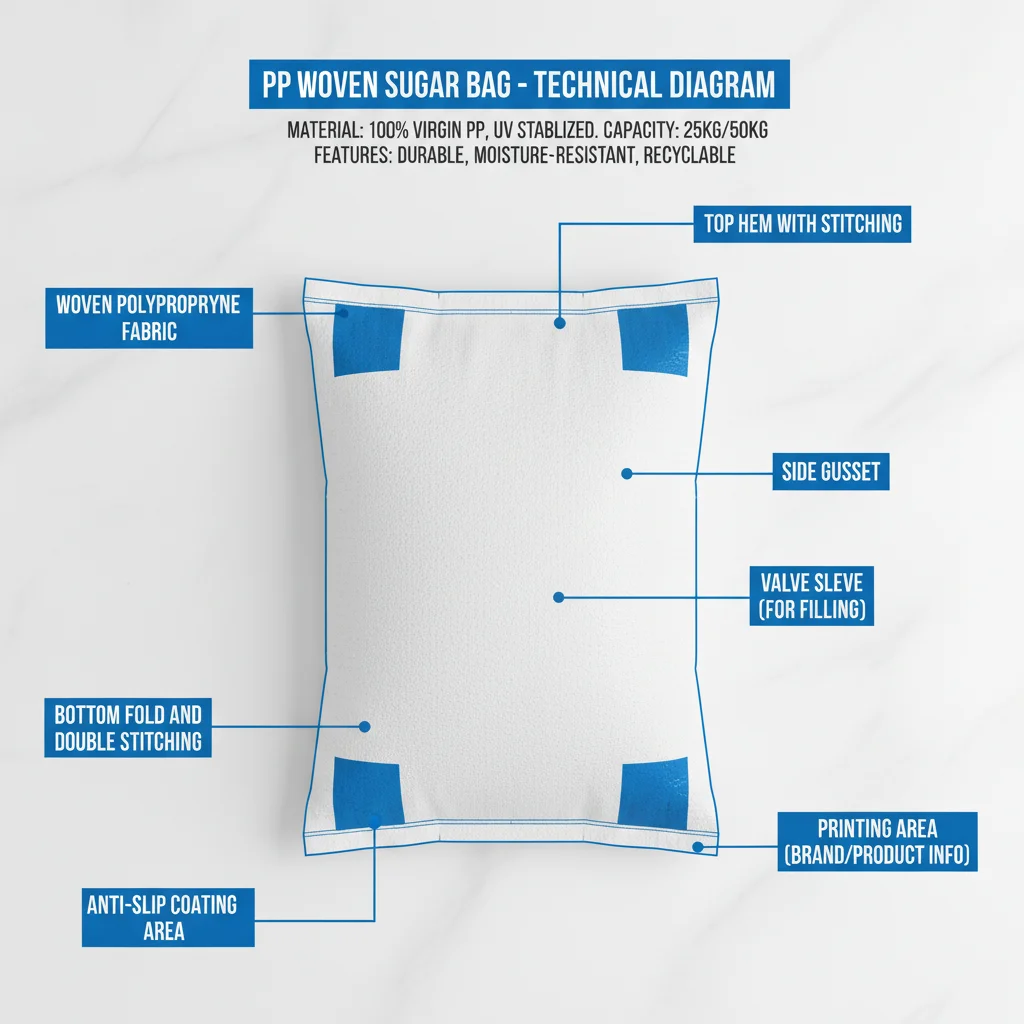
In the competitive landscape of industrial packaging, the pp back seam bag has emerged as a pivotal solution for transporting granular and powdered materials. These specialized polypropylene containers are engineered to balance structural integrity with cost-efficiency, ensuring that bulk goods remain secure during long-haul logistics. By integrating advanced weaving techniques and reinforced seams, these bags minimize product loss and maximize storage density.
The global demand for high-performance packaging is driven by the need for sustainable yet durable materials that can withstand harsh environmental conditions. Whether it is for agricultural seeds, chemical resins, or construction minerals, the pp back seam bag provides a reliable barrier against moisture and physical punctures. Its design allows for seamless integration into automated filling lines, reducing labor costs and increasing throughput for manufacturers.
Understanding the technical nuances of these bags—from the denier of the fabric to the precision of the back seam—is essential for procurement managers seeking to optimize their supply chain. By choosing the right specifications, companies can significantly reduce breakage rates and improve the end-user experience. This comprehensive guide explores the global relevance, technical components, and future innovations of the pp back seam bag in modern industry.
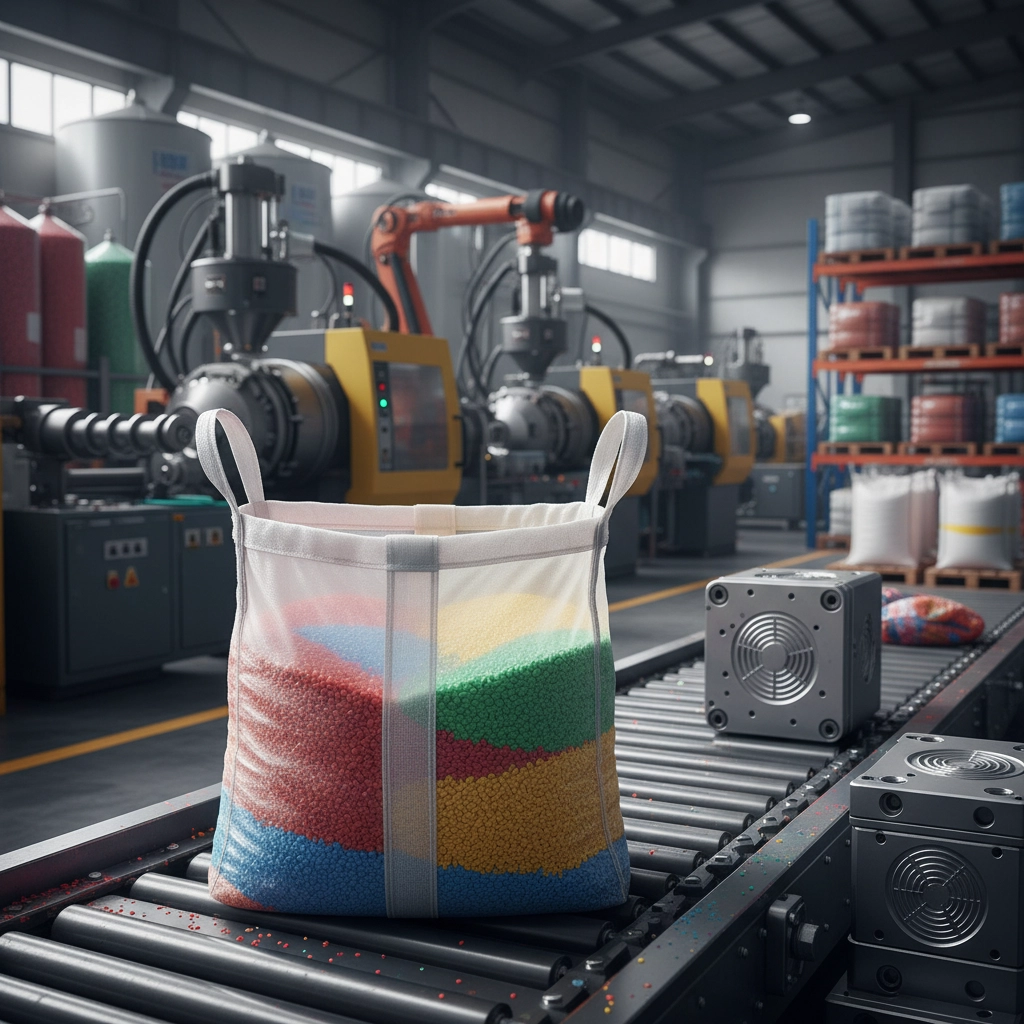
Global Relevance of PP Back Seam Bags
The global logistics sector relies heavily on standardized packaging to maintain the fluidity of trade. According to international shipping standards and ISO guidelines, the integrity of the primary container is the first line of defense against commodity wastage. The pp back seam bag addresses the critical challenge of "seam failure," which historically plagued lower-quality woven bags during high-pressure stacking in warehouses.
By utilizing high-tenacity polypropylene, these bags have become indispensable in emerging economies where infrastructure may be suboptimal. In regions across Southeast Asia and Africa, where agricultural exports are a primary GDP driver, the adoption of reinforced back-seam technology has reduced post-harvest losses by ensuring that heavy loads of grain or fertilizer do not burst during transit.
Defining the PP Back Seam Bag Structure
At its core, a pp back seam bag is a heavy-duty container constructed from woven polypropylene tapes. Unlike traditional side-seam bags, the "back seam" refers to a specific construction method where the fabric is folded and stitched (or heat-sealed) along the rear axis. This design is specifically engineered to distribute the internal pressure of the contents more evenly across the surface of the bag.
This architectural choice is not merely about strength but also about geometry. When filled, the bag assumes a more stable, rectangular shape that allows for better palletization. This reduces the "shifting" effect during sea freight, which is a common cause of pallet collapse. For industries dealing with hazardous or high-value powders, this structural stability is a non-negotiable requirement.
In the broader context of humanitarian aid and industrial supply, the simplicity of the pp back seam bag allows it to be manufactured at scale while maintaining strict quality control. Its compatibility with various liners—such as PE inner bags—further enhances its versatility, making it a bridge between basic woven sacks and complex industrial FIBCs.
Core Technical Components for Durability
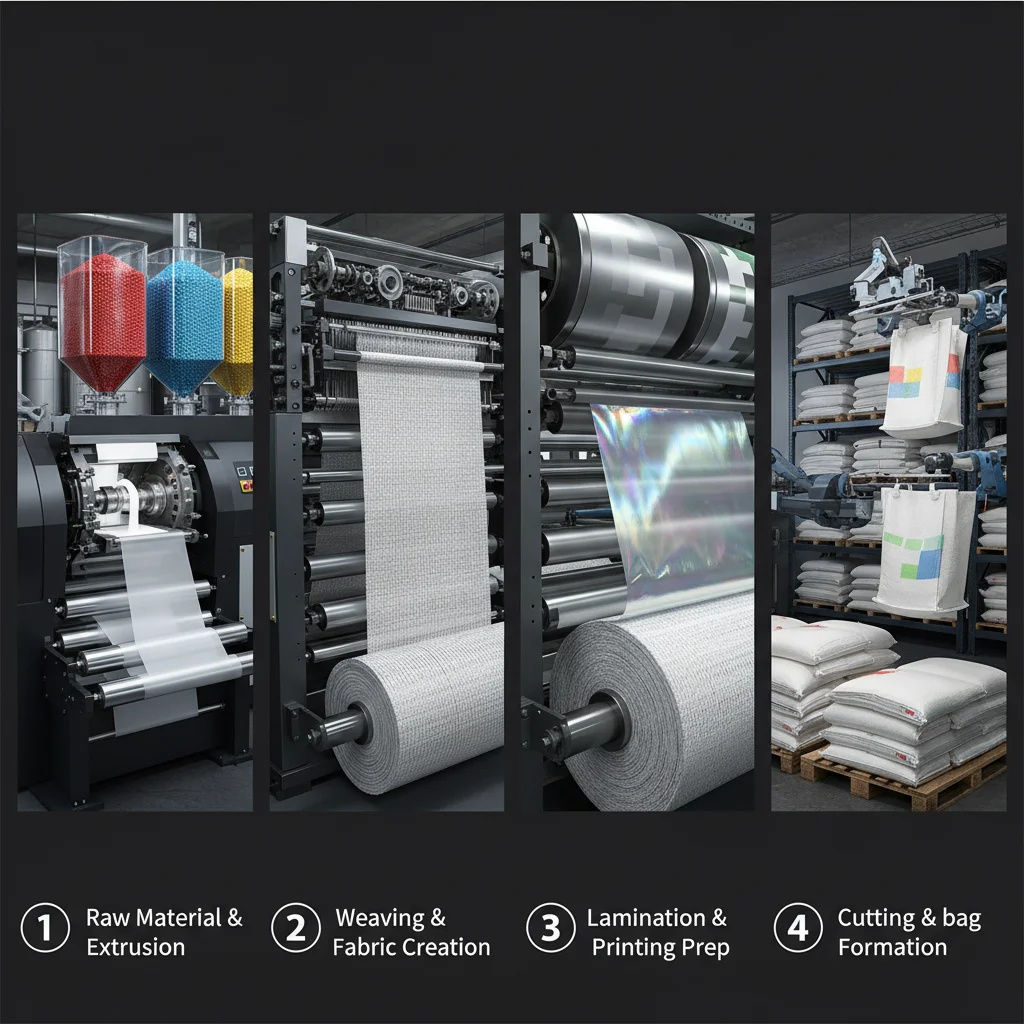
The durability of a pp back seam bag begins with the raw material: virgin polypropylene resin. The extrusion process transforms this resin into high-tenacity tapes that are woven into a tight grid. The density of this weave determines the bag's "breathability" and its resistance to fine powder leakage, which is critical for maintaining purity in chemical applications.
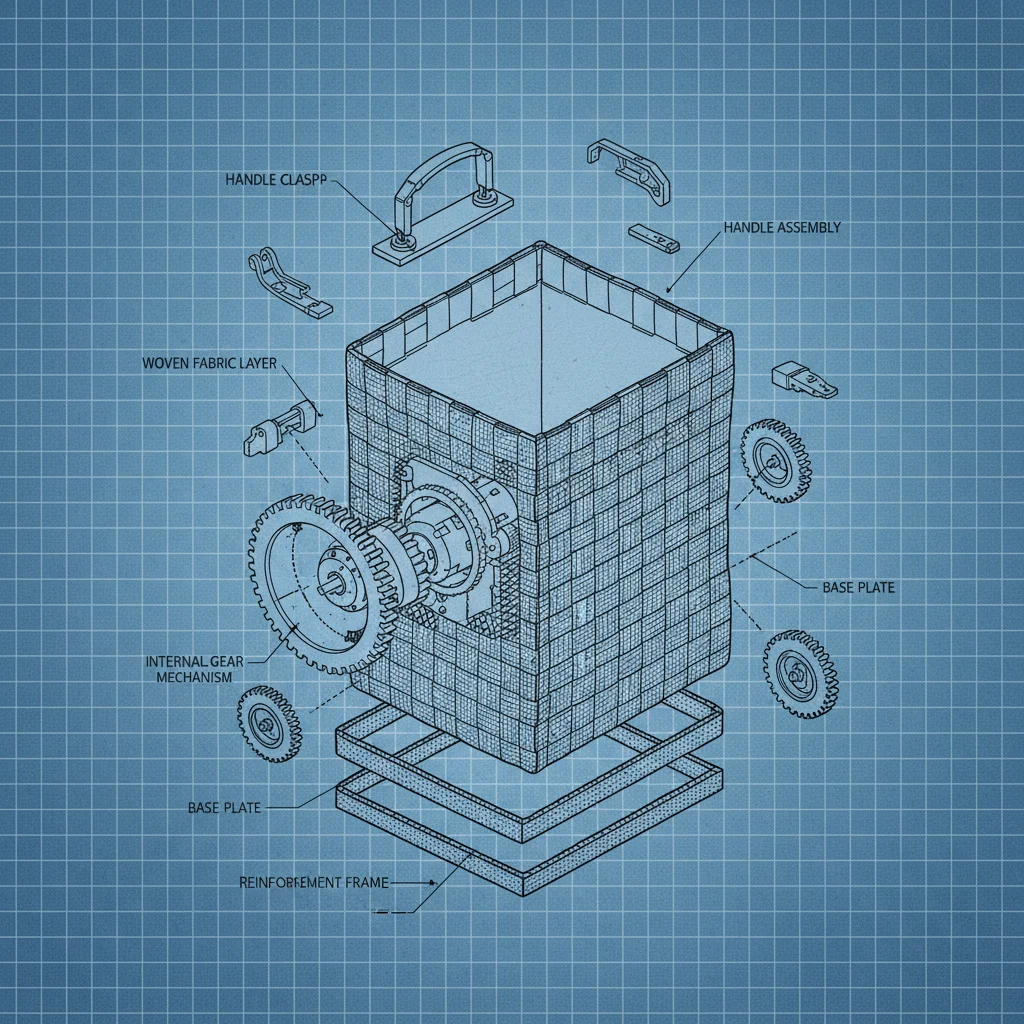
The defining feature, the reinforced back seam, utilizes double-stitching or sonic welding to ensure that the joint is as strong as the fabric itself. In a standard pp back seam bag, this seam is often overcast with a protective tape to prevent fraying and to provide an extra layer of UV protection, extending the bag's outdoor lifespan.
Furthermore, scalability is achieved through customizable denier and mesh counts. Whether the application requires a lightweight bag for animal feed or a heavy-duty variant for industrial minerals, the pp back seam bag can be tuned to specific load-bearing requirements, ensuring cost-efficiency by not over-engineering for light loads.
Performance Metrics in Industrial Logistics
When evaluating the effectiveness of packaging, companies look at the "burst strength" and "tear resistance" of the material. The pp back seam bag consistently outperforms traditional flat-seam bags in vertical load tests. This is because the back seam distributes stress linearly, preventing the "zipper effect" where a small tear quickly evolves into a total bag failure.
Logistics efficiency is also measured by the volumetric utilization of shipping containers. Because these bags maintain a consistent shape, they allow for a tighter fit on pallets, reducing the number of shipments required for the same volume of product. This directly correlates to lower carbon emissions and reduced shipping costs per unit.
Comparative Efficiency of PP Back Seam Bag Variants
Global Applications and Use Cases
In the agricultural sector, the pp back seam bag is the gold standard for seed and grain storage. In remote industrial zones, where humidity levels fluctuate wildly, the addition of a BOPP lamination to these bags ensures that moisture does not compromise the quality of the contents, preventing mold and degradation during long-term storage.
Beyond agriculture, these bags are critical in the construction industry for transporting cement, lime, and gypsum. In post-disaster relief operations, NGOs often deploy pp back seam bags to transport emergency food rations and medical supplies. Their lightweight nature combined with high load capacity makes them ideal for air-drops or rapid truck deployments in areas with destroyed road infrastructure.
Strategic Advantages and Long-Term Value
The most immediate advantage of adopting the pp back seam bag is the dramatic reduction in operational waste. When bags do not break, product loss is minimized, and the cost associated with cleaning up spills in warehouses is eliminated. This operational reliability fosters trust between the manufacturer and the distributor, creating a more stable supply chain.
From a financial perspective, the cost-to-benefit ratio of these bags is superior to traditional paper or multi-wall bags. While the initial unit cost may be slightly higher than the most basic woven sacks, the reduction in damage claims and the ability to reuse bags for internal logistics provide significant long-term savings.
Emotionally and ethically, the shift toward high-quality pp back seam bags represents a commitment to quality and safety. For a consumer receiving a bag of fertilizer or feed that is intact and clean, it reflects the brand's professionalism and attention to detail, enhancing customer loyalty and perceived value.
Future Innovations and Sustainable Trends
The future of the pp back seam bag is being shaped by the global push for circular economy principles. We are seeing the introduction of rPP (recycled polypropylene) into the weaving process, allowing bags to be produced with a lower carbon footprint without sacrificing the tensile strength required for industrial use.
Digital transformation is also reaching the packaging industry. "Smart bags" are being developed where RFID tags are embedded into the back seam of the pp back seam bag. This allows for real-time inventory tracking and provenance verification, which is essential for high-value chemicals or organic-certified agricultural products.
Moreover, automation in the sealing process is increasing precision. The move toward ultrasonic welding instead of traditional stitching is eliminating the need for sewing threads, which are often made of different materials that complicate the recycling process. This makes the pp back seam bag a mono-material product, significantly easing its path to a fully recyclable end-of-life.
Technical Analysis of PP Back Seam Bag Innovation
| Innovation Type |
Material Impact |
Logistics Benefit |
Eco-Rating (1-10) |
| Recycled PP Weave |
Reduced Virgin Resin |
Lower Carbon Footprint |
9 |
| Ultrasonic Sealing |
Mono-material Build |
Faster Production |
8 |
| BOPP Lamination |
Enhanced Barrier |
Moisture Protection |
6 |
| RFID Integration |
Embedded Sensors |
Automated Tracking |
7 |
| UV-Stabilizer Additive |
Chemical Hardening |
Outdoor Durability |
5 |
| Bio-degradable Blend |
Organic Polymers |
Waste Reduction |
10 |
FAQS
The primary difference lies in the seam architecture. A pp back seam bag distributes the weight and internal pressure across a reinforced rear axis rather than relying on side seams that are prone to splitting. This design significantly increases the burst strength and prevents the "zipper" failure common in cheaper bags, making them ideal for heavy industrial materials.
Yes, polypropylene is a thermoplastic and can be recycled. To maximize recyclability, we recommend using mono-material options where the seam and the fabric are both PP. Modern ultrasonic sealing further helps by removing the need for polyester threads, making the pp back seam bag much easier to process in recycling plants.
While standard woven PP is breathable, these bags can be customized with a BOPP lamination or a PE inner liner. A laminated pp back seam bag provides an excellent moisture barrier, protecting powders and chemicals from humidity and external contaminants during sea freight or outdoor storage.
The choice depends on the weight and abrasiveness of your material. For lightweight seeds, a lower denier is sufficient. For abrasive minerals or heavy resins, a higher denier and a tighter weave are required to prevent punctures. We recommend consulting with a technical expert to balance load capacity with material cost.
Absolutely. The structural stability of the pp back seam bag allows it to be easily handled by automatic filling machines. Its consistent shape ensures that the bag opens correctly and seals efficiently without jamming the machinery, which increases overall production speed.
Standard PP degrades under sunlight, but UV-stabilized variants are treated with chemical additives that block harmful rays. Depending on the exposure level, a high-quality UV-treated pp back seam bag can maintain its integrity for 6 to 12 months in outdoor conditions without becoming brittle.
Conclusion
The pp back seam bag represents a critical intersection of material science and logistical efficiency. By optimizing the seam structure and utilizing high-tenacity polypropylene, these bags solve the age-old problem of container failure in bulk transport. From reducing product waste to enabling smarter, more sustainable supply chains, the strategic implementation of these packaging solutions provides a tangible competitive advantage for manufacturers worldwide.
As we look toward a future defined by sustainability and digital tracking, the evolution of the pp back seam bag will continue to mirror the needs of global industry. We encourage procurement managers to move beyond viewing packaging as a commodity and instead see it as a tool for quality assurance and brand protection. To explore our full range of reinforced packaging solutions, visit our website: www.ssjtpack.com