In the modern landscape of global logistics and industrial packaging, polypropylene woven bags have emerged as a cornerstone for the efficient transport of bulk materials. These versatile containers combine the inherent strength of thermoplastic polymers with a sophisticated weaving technique, ensuring that goods ranging from agricultural grains to hazardous chemicals remain secure during transit. Understanding the technical nuances of these bags is essential for businesses looking to optimize their supply chain costs while maintaining rigorous quality standards.
The global demand for high-performance packaging is driven by the need for durability and cost-effectiveness in an increasingly volatile market. As international trade expands, the reliance on materials that can withstand extreme mechanical stress and environmental exposure has grown. By leveraging the unique properties of polypropylene, manufacturers can provide lightweight yet incredibly robust solutions that reduce shipping weights and lower the overall carbon footprint of transportation.
Ultimately, the adoption of advanced polypropylene woven bags is not just about containing a product; it is about ensuring the integrity of the global food and industrial supply chain. From preventing spoilage in agricultural harvests to ensuring the safe delivery of minerals in mining operations, these bags represent a critical intersection of material science and practical commercial application, providing the reliability that modern industry demands.
Global Relevance of Polypropylene Woven Bags
The global distribution of bulk commodities relies heavily on polypropylene woven bags, which have become indispensable in the agriculture, construction, and chemical sectors. According to industry trends aligned with ISO standards for packaging, the shift toward PP woven materials is driven by their superior strength-to-weight ratio compared to traditional jute or paper bags. This global relevance is further amplified by the need for moisture-resistant packaging in tropical and humid climates where traditional materials often fail.
In regions such as Southeast Asia and Africa, these bags are vital for food security, allowing farmers to store grains and seeds safely against pests and dampness. The ability to mass-produce these containers while maintaining strict quality control makes them a preferred choice for international aid organizations and large-scale commercial exporters alike. By reducing product loss during transit, these bags directly contribute to global economic stability and waste reduction.
Defining the Engineering of PP Woven Bags
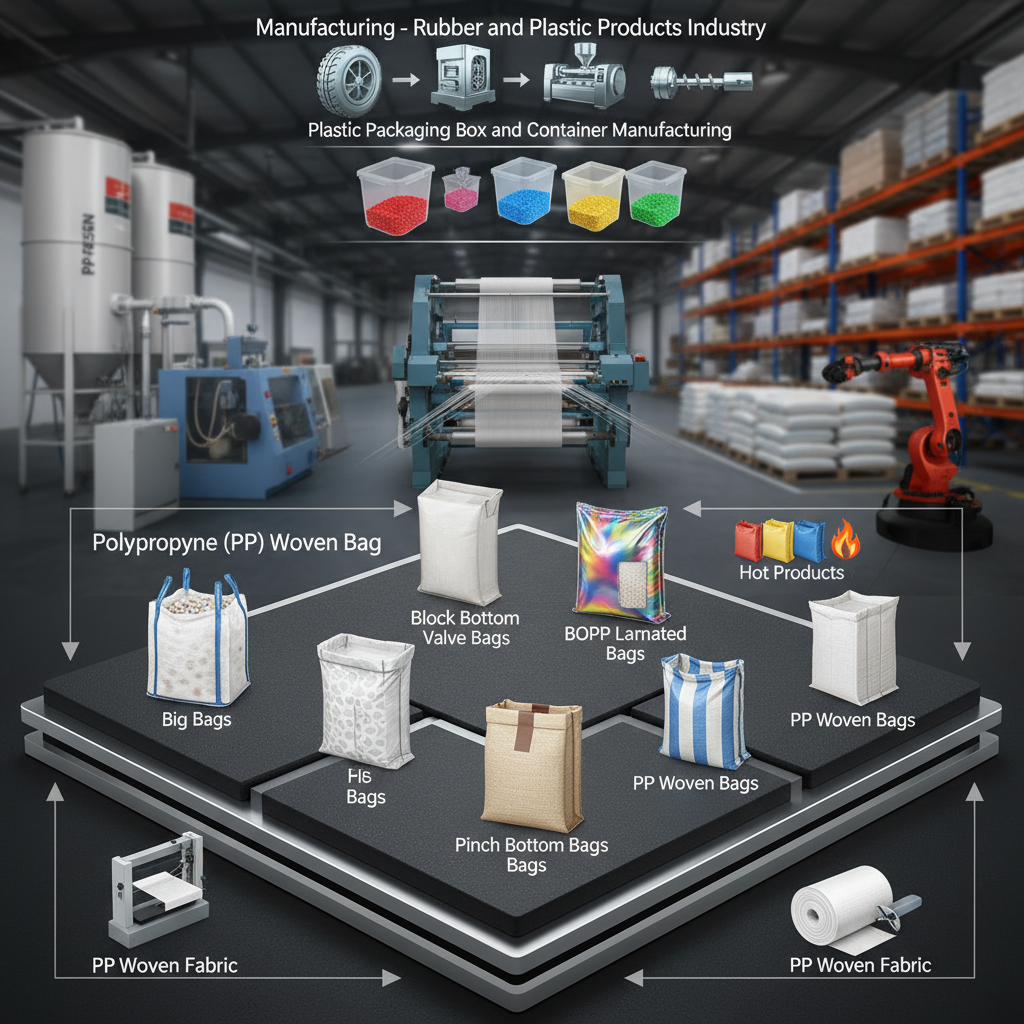
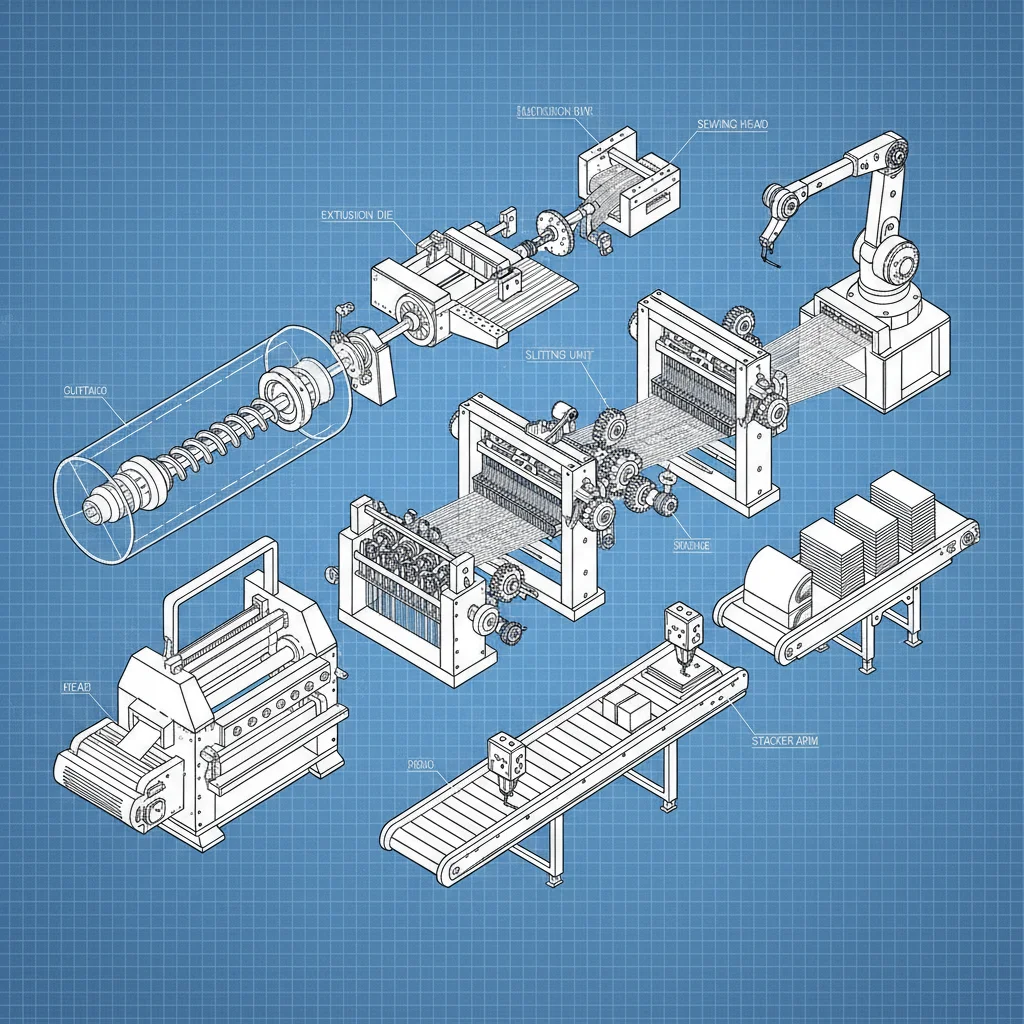
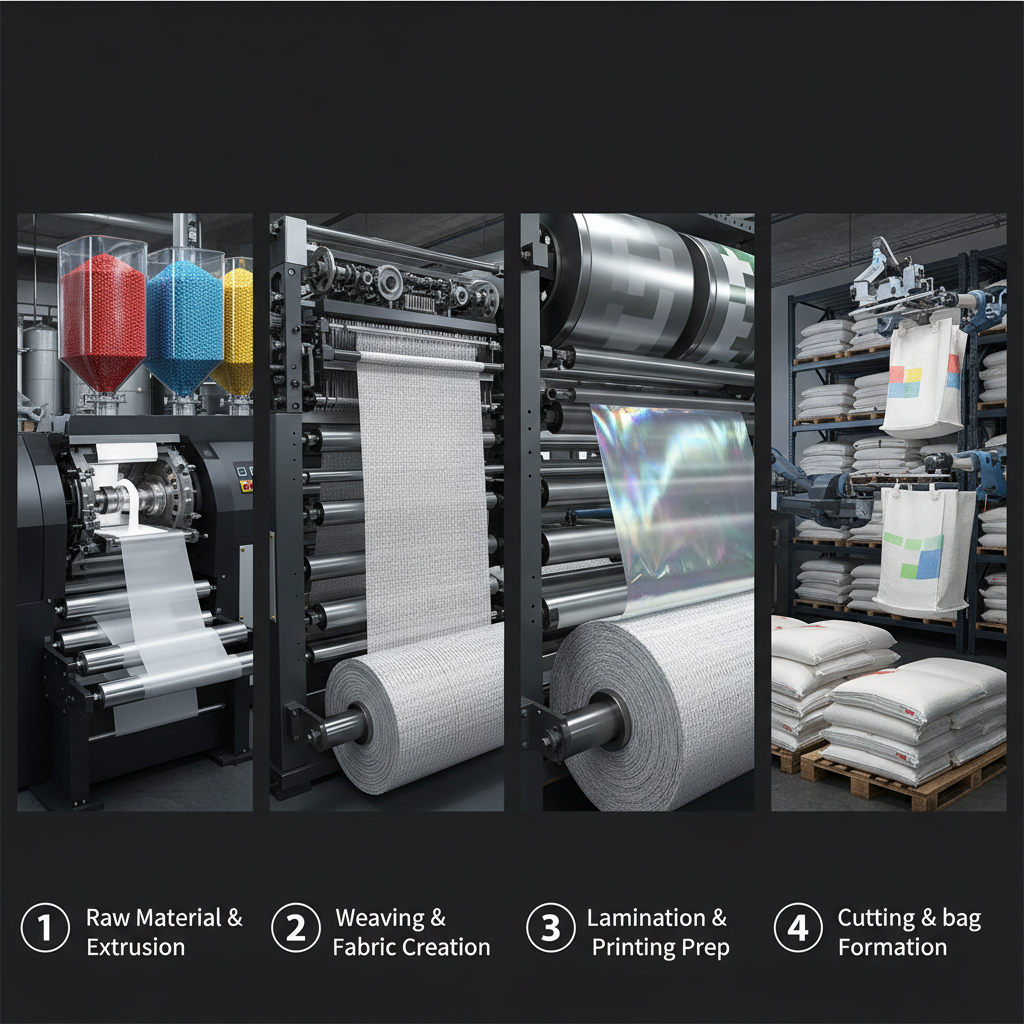
At its most basic level, polypropylene woven bags are manufactured by extruding polypropylene resin into thin tapes, which are then woven together in two directions (warp and weft) to create a high-strength fabric. This interlocking structure distributes weight evenly across the surface of the material, preventing tears even when the bag is filled to its maximum capacity. The "woven" nature is what gives these bags their characteristic flexibility and resilience.
Beyond the basic weave, modern engineering allows for various enhancements such as lamination and coating. For instance, BOPP laminated bags provide an extra layer of protection and a high-quality surface for branding, while valve bags are designed for automated filling processes in the cement and flour industries. This adaptability ensures that the packaging can be tailored to the specific physical and chemical properties of the contents.
Connecting this to humanitarian needs, the low cost and high durability of these bags make them ideal for emergency shelters and sandbagging during flood relief operations. Their ability to be recycled and reused in various industrial capacities further underscores their role as a sustainable tool in modern material handling, bridging the gap between industrial efficiency and environmental responsibility.
Core Components of High-Performance Packaging
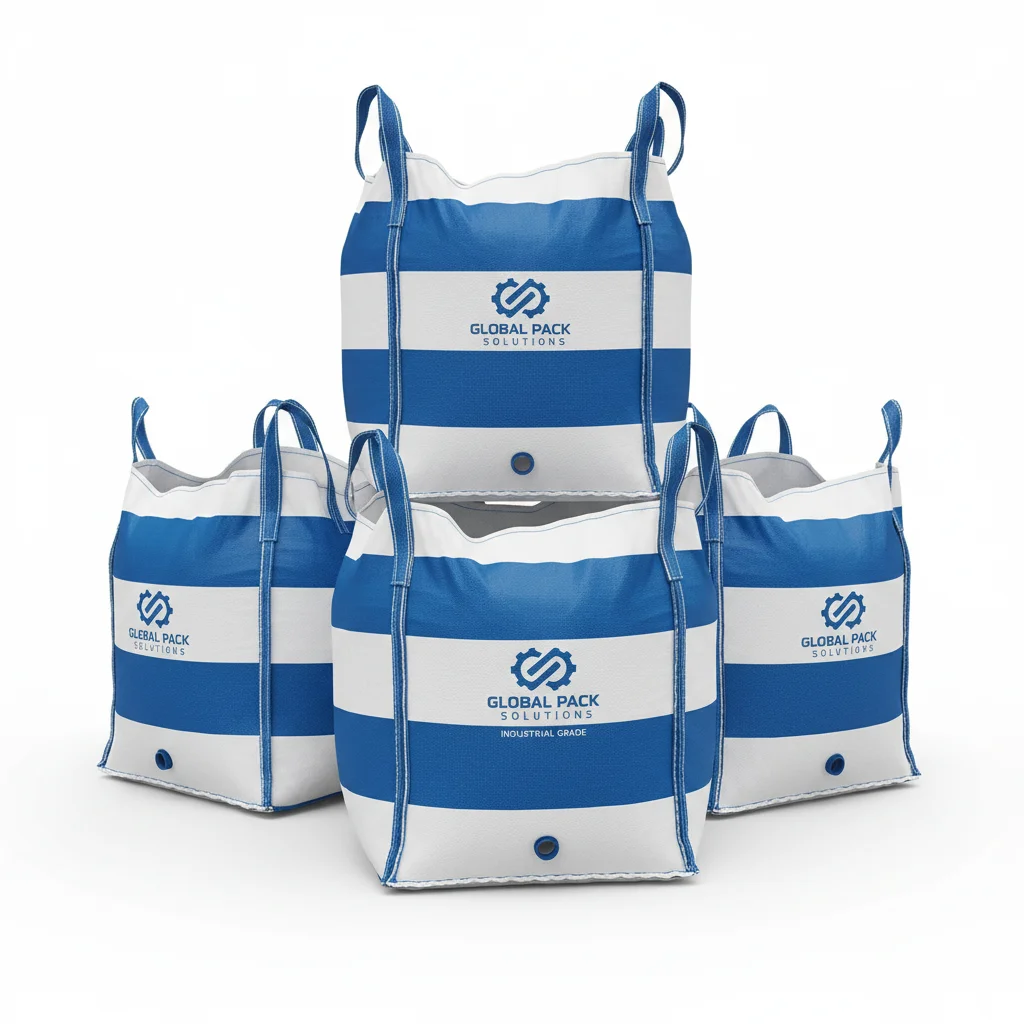
One of the primary factors determining the quality of polypropylene woven bags is their tensile strength. The molecular structure of polypropylene allows the bags to withstand significant pulling forces without elongating or breaking. This is critical for "Big Bags" or FIBCs, which may carry loads up to 2,000kg, requiring precise weave density and reinforced seams to ensure operator safety and product security.
Another critical component is UV stabilization. Because polypropylene is naturally susceptible to degradation when exposed to sunlight, manufacturers add UV inhibitors during the extrusion process. This ensures that bags stored in open-air warehouses or used in outdoor construction sites maintain their structural integrity over several months, preventing the material from becoming brittle and failing unexpectedly.
Finally, cost efficiency and scalability cannot be overlooked. The manufacturing process for polypropylene woven bags is highly automated, allowing for the production of millions of units with consistent specifications. This scalability enables companies to maintain lean inventories and reduce the overhead costs associated with expensive, heavy-duty metal or rigid plastic containers.
Practical Applications and Industrial Use Cases
The versatility of polypropylene woven bags allows them to be deployed across a vast array of sectors. In the agricultural sector, they are used for everything from seed distribution to the harvesting of coffee and cocoa beans. In the industrial sector, block bottom valve bags are used for the precise packaging of powdered chemicals and minerals, ensuring that no leakage occurs during high-speed conveyor transport.
Furthermore, in post-disaster relief operations, these bags are often the first line of defense. Whether used as makeshift barriers for flood control or as durable sacks for distributing emergency food rations in remote industrial zones, their reliability is paramount. The ability to customize these bags—adding liners for moisture-sensitive goods or pinch-bottom closures for secure sealing—makes them a universal tool for global logistics.
Performance Comparison of Polypropylene Woven Bags Types
Long-Term Value and Economic Advantages
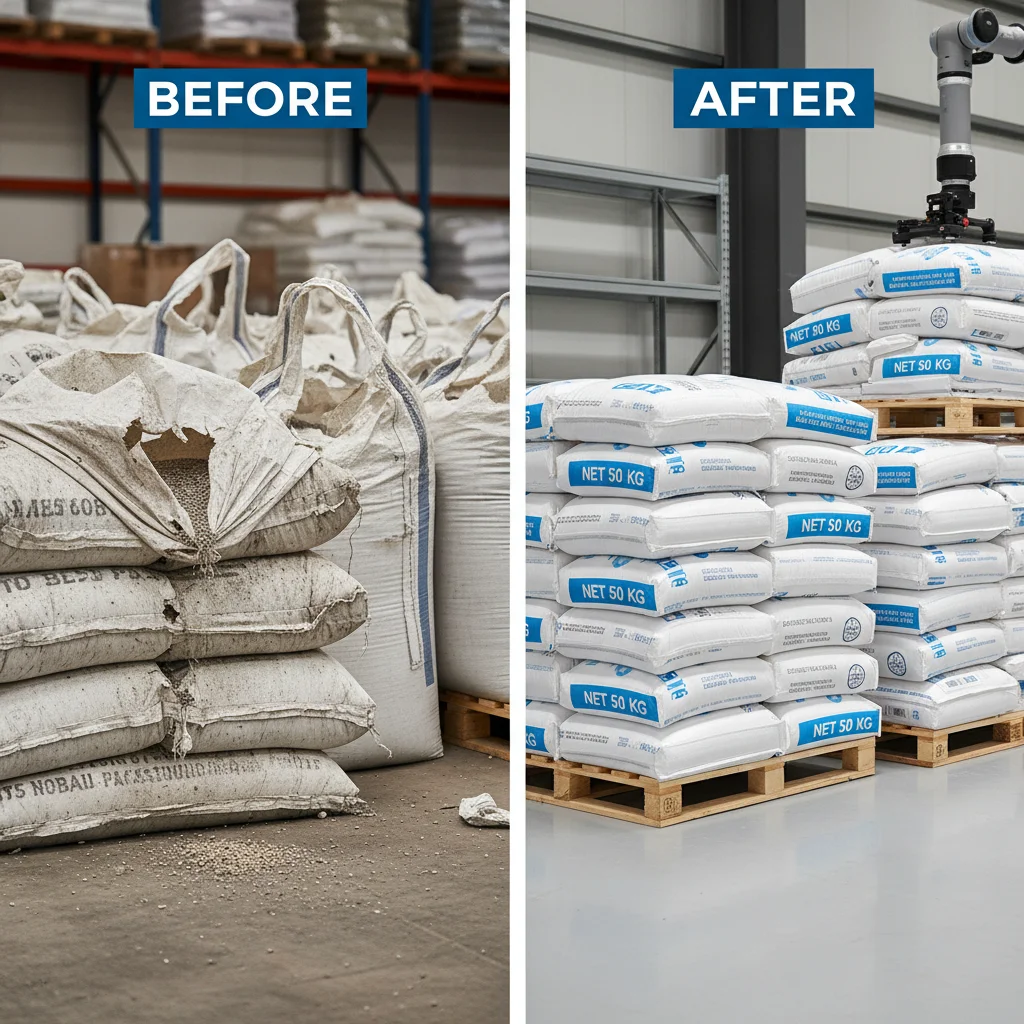
The long-term value of investing in high-quality polypropylene woven bags lies in the drastic reduction of product wastage. By utilizing bags with a high weave density and reinforced stitching, companies can virtually eliminate the risk of "bursting" during stacking and transport. This not only saves the cost of the lost product but also prevents hazardous spills and maintains a cleaner, safer working environment in warehouses.
From a psychological and commercial perspective, using professionally manufactured bags enhances brand trust. A well-printed, BOPP laminated bag conveys a sense of professionalism and quality to the end customer, signaling that the producer cares about the integrity of their product. Logically, the recyclability of PP materials means that businesses can integrate these bags into a circular economy, reducing their environmental impact while maintaining high operational standards.
Future Innovations in Polymer Weaving
The future of polypropylene woven bags is closely tied to the development of sustainable chemistry. We are seeing a rise in the use of bio-based polypropylene and the integration of biodegradable additives that allow bags to break down more efficiently after their primary lifecycle. This shift is essential for meeting new global environmental policies and reducing the prevalence of plastic pollution in agricultural lands.
Digital transformation is also entering the packaging space. The integration of RFID tags and QR codes directly into the weave of the bag allows for real-time tracking of bulk shipments. This "smart packaging" enables logistics managers to monitor the location, temperature, and humidity of their goods, transforming a simple container into a data-generating asset that optimizes the entire supply chain.
Furthermore, automation in the manufacturing process is leading to "precision weaving," where the thickness and strength of the bag can be varied across its surface. By reinforcing only the high-stress areas—such as the corners and lifting loops—manufacturers can reduce the total amount of plastic used without sacrificing any load-bearing capacity, achieving a perfect balance between sustainability and strength.
Overcoming Challenges in Bag Durability
Despite their strengths, polypropylene woven bags face challenges, most notably "micropore leakage" in very fine powdered materials. When packaging products like talc or fine chemicals, the gaps in the weave can allow particles to escape. To solve this, experts recommend the use of an inner PE liner or a specialized coating that seals the fabric without compromising its breathability or strength.
Another common limitation is the risk of puncture from sharp-edged materials. While the weave is strong, it can be pierced by jagged minerals. The innovative solution here is the development of "composite weaving," where layers of different polymers are fused together to create a puncture-resistant barrier. This hybrid approach ensures that the bags can handle the most abrasive materials without failure.
Finally, the challenge of end-of-life disposal is being addressed through expanded industrial composting and chemical recycling initiatives. By encouraging the collection and reprocessing of used bags, the industry is moving toward a closed-loop system. Expert insights suggest that shifting toward a standardized "recycling grade" of PP will make it easier for facilities to process these bags on a global scale.
Analysis of Polypropylene Woven Bags Durability Solutions
| Challenge Type |
Technical Solution |
Effectiveness (1-10) |
Implementation Cost |
| Fine Powder Leakage |
Internal PE Liner |
10 |
Low |
| UV Degradation |
UV Inhibitor Additives |
9 |
Moderate |
| Puncture Risk |
Composite Layering |
8 |
High |
| Moisture Ingress |
External Lamination |
9 |
Moderate |
| Seam Failure |
Double-Stitched Hems |
9 |
Low |
| Environmental Waste |
Biodegradable Resins |
7 |
High |
FAQS
Polypropylene woven bags offer significantly higher moisture resistance and a better strength-to-weight ratio than jute. Unlike natural fibers, PP is not susceptible to rot, mold, or pests, making it far more reliable for long-term storage and international shipping. Additionally, PP bags can be easily laminated for complete waterproof protection and offer a smoother surface for high-quality commercial printing.
The lifespan of bags stored outdoors depends entirely on the level of UV stabilization used during production. Standard untreated polypropylene will degrade quickly under direct sunlight. However, bags treated with professional UV inhibitors can typically maintain their full structural integrity for 6 to 12 months of outdoor exposure, depending on the intensity of the solar radiation in that specific region.
Yes, polypropylene is a thermoplastic, meaning it can be melted down and recycled into new plastic products. Many industries now implement "closed-loop" systems where used bags are collected and repurposed. Furthermore, the lightweight nature of the material reduces the energy required for transportation, thereby lowering the overall carbon footprint compared to heavier packaging alternatives.
Yes, provided they are engineered for that specific purpose. For hazardous materials, we typically use polypropylene woven bags with specialized inner liners (such as aluminum or heavy-duty PE) and reinforced seams to prevent any leakage. It is crucial to ensure the bags meet the UN certification standards for the transport of dangerous goods to guarantee safety and compliance.
A valve bag features a specialized opening that allows it to be filled automatically by a machine, which then "snaps" shut under the pressure of the product. A pinch bottom bag is sealed using a heat-sealing process at the bottom, creating a highly secure, leak-proof closure that is ideal for products that may shift or settle during transport. The choice depends on your filling equipment and the flowability of your product.
Choosing the right density depends on the weight and abrasiveness of your material. For heavy minerals, a higher denier (thicker thread) and tighter weave are required to prevent punctures. For agricultural grains, a slightly more breathable weave may be preferred to prevent moisture buildup. We recommend consulting with a packaging expert to balance weight-bearing requirements with the need for material breathability.
Conclusion
In summary, polypropylene woven bags represent an indispensable synthesis of material durability, economic efficiency, and industrial versatility. By addressing key challenges—from UV degradation to micropore leakage—through advanced engineering and composite materials, these packaging solutions ensure the safe and efficient movement of global commodities. Whether used in the form of Big Bags for heavy industry or BOPP laminated bags for retail, their ability to protect products while remaining cost-effective is unmatched.
Looking forward, the transition toward bio-based polymers and smart-tracking integration will further elevate the role of PP woven packaging in a sustainable global economy. For businesses aiming to optimize their logistics and reduce product loss, investing in high-specification woven bags is not merely an operational choice, but a strategic advantage. We invite you to explore our full range of professional packaging solutions to find the perfect fit for your industrial needs. Visit our website: www.ssjtpack.com