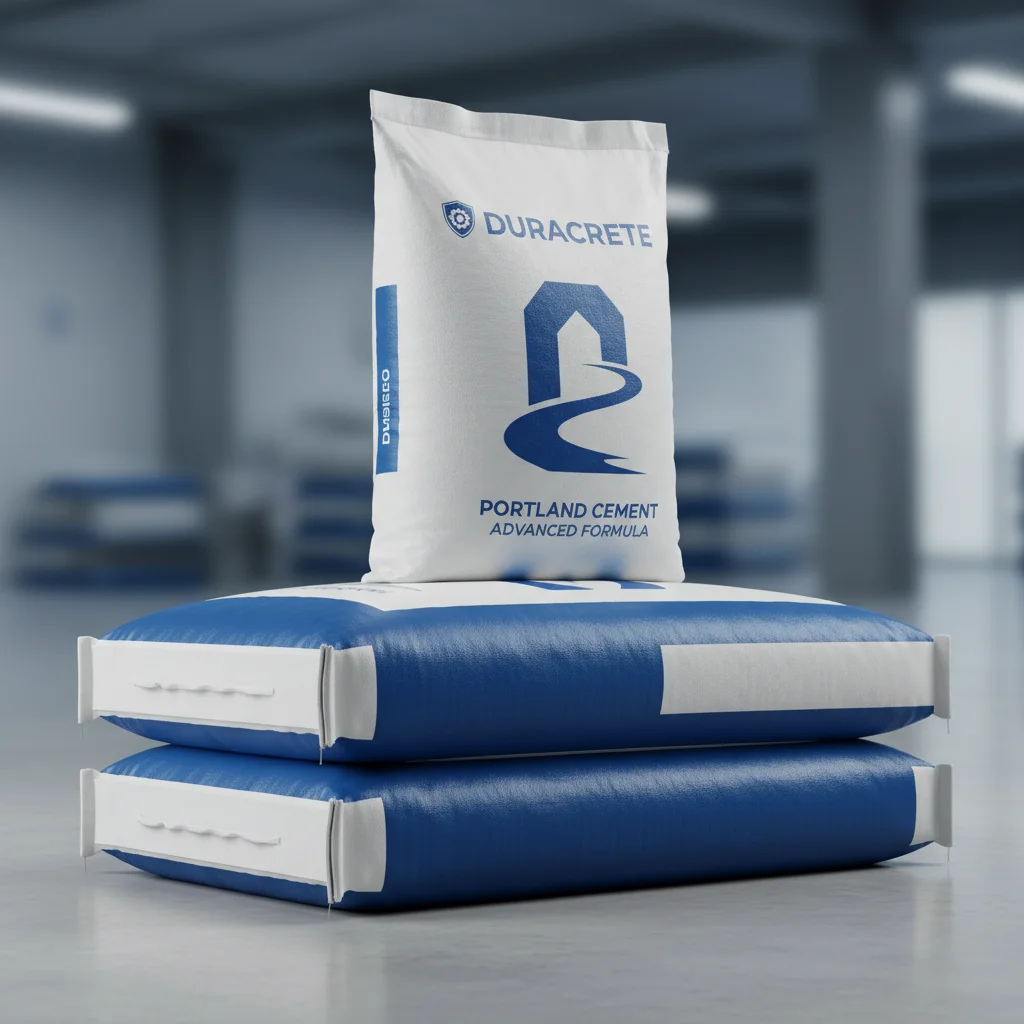
In the competitive landscape of modern industrial packaging, the bopp bag has emerged as a pivotal solution for businesses seeking a balance between structural integrity and high-end visual appeal. By combining the strength of woven polypropylene with the clarity and printability of Biaxially Oriented Polypropylene (BOPP) film, these containers offer an unmatched shield against external contaminants while serving as a powerful marketing tool.
Globally, the demand for specialized packaging is driven by the need to reduce product loss during transit and enhance shelf presence in retail environments. The versatility of the bopp bag makes it indispensable across various sectors, ensuring that granular and powdered materials are transported securely without compromising the brand's aesthetic standards.
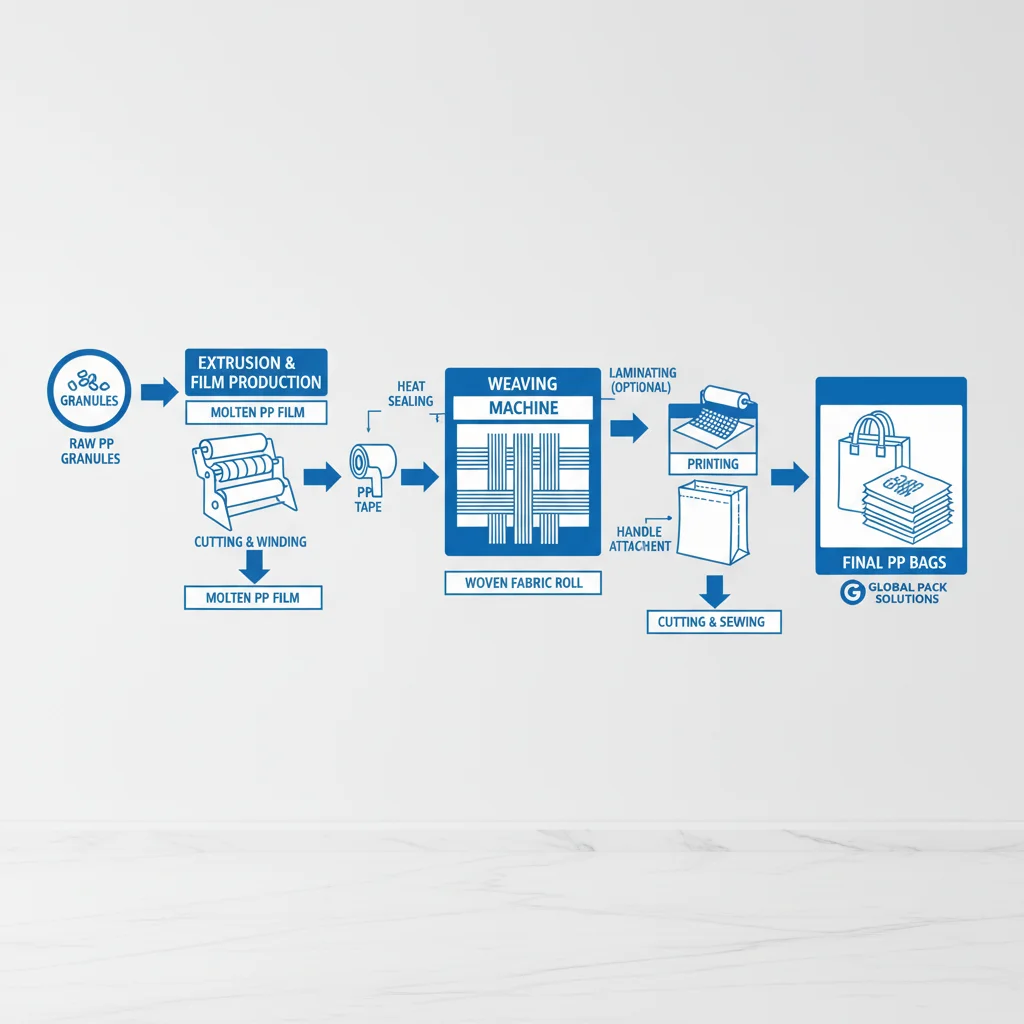
Understanding the technical nuances of these bags—from their multi-layered lamination process to their moisture-resistance properties—allows manufacturers to optimize their supply chains. This guide explores the comprehensive utility, global impact, and future innovations surrounding the bopp bag, providing a roadmap for professionals to make informed procurement decisions.

Global Industry Context of BOPP Bags
The global packaging market has seen a significant shift toward hybrid materials that offer both strength and aesthetics. According to industrial trends and ISO standards for packaging materials, the integration of BOPP films onto woven fabrics has solved a long-standing challenge: the trade-off between the ruggedness of a PP woven bag and the high-definition printing capabilities of plastic films.
In emerging economies, the reliance on the bopp bag has grown as agricultural and chemical exports increase. These industries face the constant threat of moisture ingress and physical punctures during intercontinental shipping, necessitating a packaging solution that is not only tear-resistant but also completely impermeable to water vapor.
Definition and Technical Meaning
A bopp bag is a sophisticated composite packaging product consisting of a woven polypropylene base laminated with a Biaxially Oriented Polypropylene (BOPP) film. "Biaxially Oriented" refers to the process where the film is stretched in two directions—both longitudinal and transverse—which dramatically increases the film's tensile strength, clarity, and resistance to punctures.
From a technical standpoint, this lamination creates a barrier that protects the internal contents from UV radiation, humidity, and dust. Unlike traditional printed bags where ink is applied directly to the fabric, the graphics on a BOPP bag are printed on the reverse side of the clear film before lamination, ensuring that the branding remains vibrant and scratch-proof regardless of the handling conditions.
In the broader context of modern industry, these bags represent a fusion of material science and commercial psychology. They allow companies to maintain the "industrial" reliability required for bulk transport while achieving the "retail" sophistication necessary to attract consumers on a crowded supermarket shelf.
Core Components of Quality Packaging
The primary foundation of a high-performance bopp bag is the high-tenacity PP woven fabric. This internal skeleton provides the necessary load-bearing capacity, preventing the bag from bursting under the weight of heavy granules like pet food, seeds, or chemical resins.
Equally critical is the lamination bond. The adhesion between the BOPP film and the woven fabric must be flawless; any delamination can lead to moisture seepage or the peeling of the outer layer, which would compromise both the protection of the product and the visual integrity of the bopp bag.
Finally, the finishing details—such as heat-sealed bottoms, reinforced handles, or valve closures—determine the bag's scalability in automated filling lines. These components ensure that the bag can be filled at high speeds without leakage, optimizing the operational efficiency of the manufacturing plant.
Key Performance Factors and Efficiency
When evaluating the efficiency of a bopp bag, engineers typically look at the ratio of material weight to burst strength. Because the BOPP film adds minimal weight while significantly increasing the surface tension and moisture barrier, these bags provide a superior "protection-to-weight" ratio compared to traditional multi-wall paper bags.
Moreover, the scalability of these bags in global logistics is a key driver. Their ability to be stacked high in warehouses without collapsing—thanks to the rigid nature of the oriented film—reduces the overall footprint of storage and lowers shipping costs per unit.
Comparative Performance Metrics of Packaging Types
Global Applications and Use Cases
The application of the bopp bag spans multiple continents and industries. In Southeast Asia and Africa, they are extensively used for rice and grain packaging, where the moisture barrier is critical to prevent spoilage in humid tropical climates. The high-gloss finish also helps these products stand out in traditional open-air markets.
In the industrial sectors of Europe and North America, these bags are the gold standard for pet food and high-grade chemical powders. Because the lamination prevents the "leaking" of fine powders—a common issue with standard woven bags—the bopp bag ensures a cleaner warehouse environment and reduces product waste during the "last mile" of delivery.
Long-Term Value and Advantages
From a financial perspective, the long-term value of adopting a bopp bag lies in the reduction of secondary packaging costs. Because the bag itself provides such a high level of protection and brand visibility, companies can often eliminate the need for expensive external cardboard boxes or additional shrink-wrapping.
Beyond the economics, there is a significant psychological advantage: trust. When a customer receives a product in a crisp, well-printed, and intact bopp bag, it communicates a level of quality and professionalism that a plain woven bag cannot. This "perceived value" allows brands to position their products as premium offerings.
Reliability in extreme conditions is the final pillar of its value. Whether facing the rough handling of port workers or the temperature fluctuations of a shipping container, the structural integrity of the BOPP lamination ensures that the product reaches the end-user in the exact condition it left the factory.
Future Trends and Material Innovations
The future of the bopp bag is inextricably linked to sustainability. We are currently seeing a transition toward "Green BOPP," where manufacturers are incorporating PCR (Post-Consumer Recycled) resins into the woven base. This reduces the carbon footprint without sacrificing the tensile strength of the packaging.
Digital transformation is also entering the field through the integration of QR codes and NFC tags printed directly onto the BOPP film. This allows for real-time traceability of the bag from the factory to the consumer, providing an anti-counterfeiting mechanism that is essential for high-value agricultural seeds and chemicals.
Furthermore, advances in biodegradable lamination layers are being explored to make the bopp bag more eco-friendly. The goal is to maintain the moisture-barrier properties while ensuring the bag can be processed in industrial composting facilities, aligning industrial packaging with global ESG (Environmental, Social, and Governance) goals.
Comparative Analysis of BOPP Bag Material Specifications
| Material Grade |
Tensile Strength |
Moisture Barrier |
Print Clarity |
| Standard BOPP |
High (8/10) |
Excellent (9/10) |
Very High (9/10) |
| Eco-Recycled BOPP |
Medium-High (7/10) |
Good (8/10) |
High (8/10) |
| Heavy Duty BOPP |
Extreme (10/10) |
Excellent (10/10) |
High (8/10) |
| UV-Stabilized BOPP |
High (8/10) |
Excellent (9/10) |
Medium (7/10) |
| Matte Finish BOPP |
High (8/10) |
Excellent (9/10) |
Premium (10/10) |
| Anti-Static BOPP |
Medium (7/10) |
Good (8/10) |
High (8/10) |
FAQS
The primary difference lies in the lamination of the Biaxially Oriented Polypropylene film. While a standard PP bag is breathable and prone to punctures, the bopp bag adds a stretched plastic layer that increases surface tension and creates a moisture-proof barrier, making it significantly more resistant to external environmental stressors and physical wear.
Yes, absolutely. Because the printing occurs on the reverse side of the BOPP film before it is laminated to the fabric, you can achieve photo-quality graphics, vibrant colors, and complex designs. This ensures the branding does not scratch off during transport, making the bopp bag an ideal choice for consumer-facing products like premium pet food or seeds.
Yes, they are highly suitable. The lamination provides an airtight and moisture-resistant seal that prevents fine chemical powders from leaking out and protects the contents from clumping due to humidity. Depending on the chemical, UV-stabilized versions can also be used to prevent product degradation from sunlight exposure.
Sustainability is achieved by reducing product waste. By preventing spills, spoilage, and contamination, the bopp bag ensures more of the product reaches the consumer. Furthermore, the industry is moving toward incorporating recycled PP resins and developable biodegradable films to further lower the environmental impact.
Lead times vary based on order volume and design complexity, but typically range from 2 to 4 weeks. This includes the time for cylinder engraving for the BOPP film and the subsequent lamination and sewing processes. Working with a direct manufacturer like ssjtpack.com can often streamline this timeline.
One of the main advantages of the bopp bag is that it requires less special handling than paper bags. They are water-resistant and highly durable, allowing them to be transported in standard containers without the fear of humidity damage, although avoiding extreme sharp objects is always recommended to maintain the film's aesthetic.
Conclusion
In summary, the bopp bag represents the pinnacle of industrial packaging, seamlessly blending the heavy-duty strength of woven polypropylene with the sophisticated protection and branding of BOPP film. From its ability to withstand harsh global shipping conditions to its capacity for high-definition marketing, it provides an all-in-one solution for manufacturers looking to protect their product and elevate their brand identity.
Looking forward, the integration of sustainable materials and digital traceability will only further enhance the value proposition of these containers. For businesses aiming to optimize their supply chain and improve consumer trust, investing in high-quality BOPP packaging is no longer optional—it is a strategic necessity. Visit our website for more information: www.ssjtpack.com