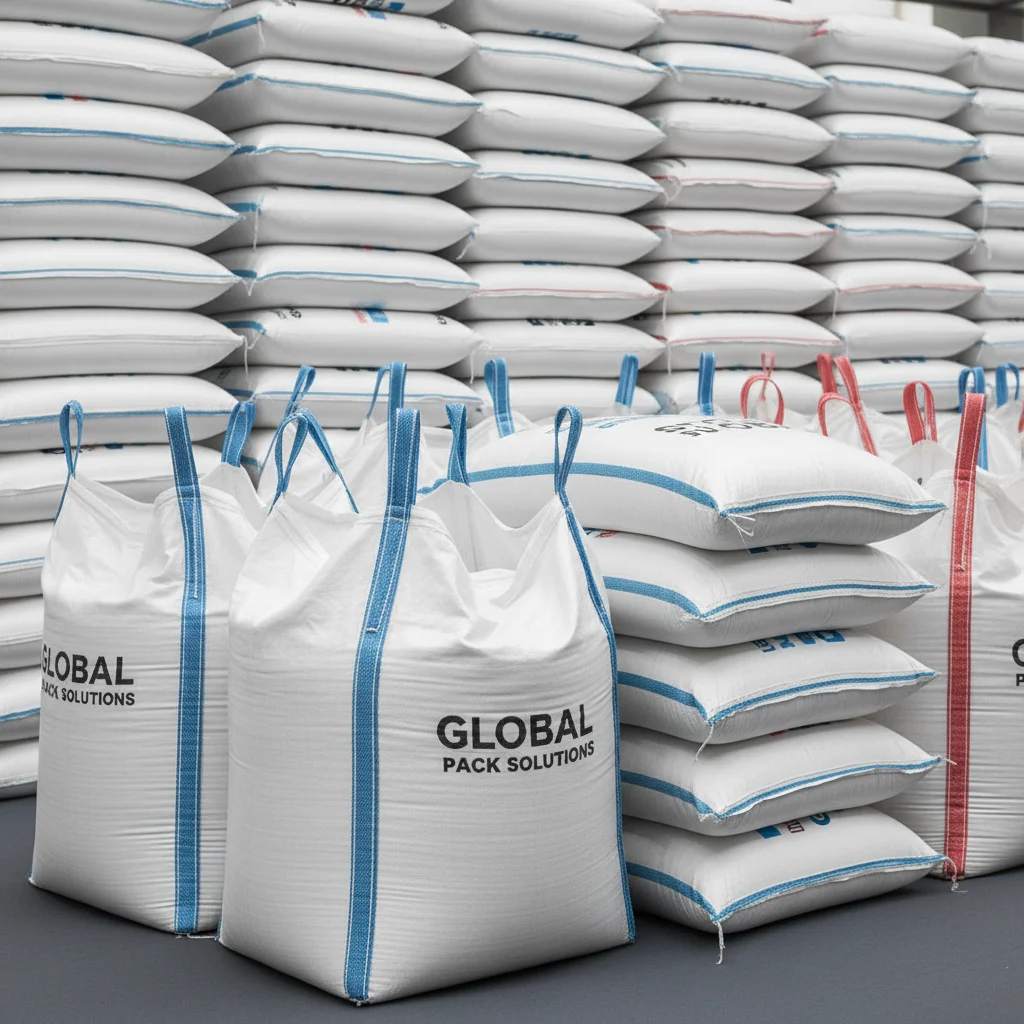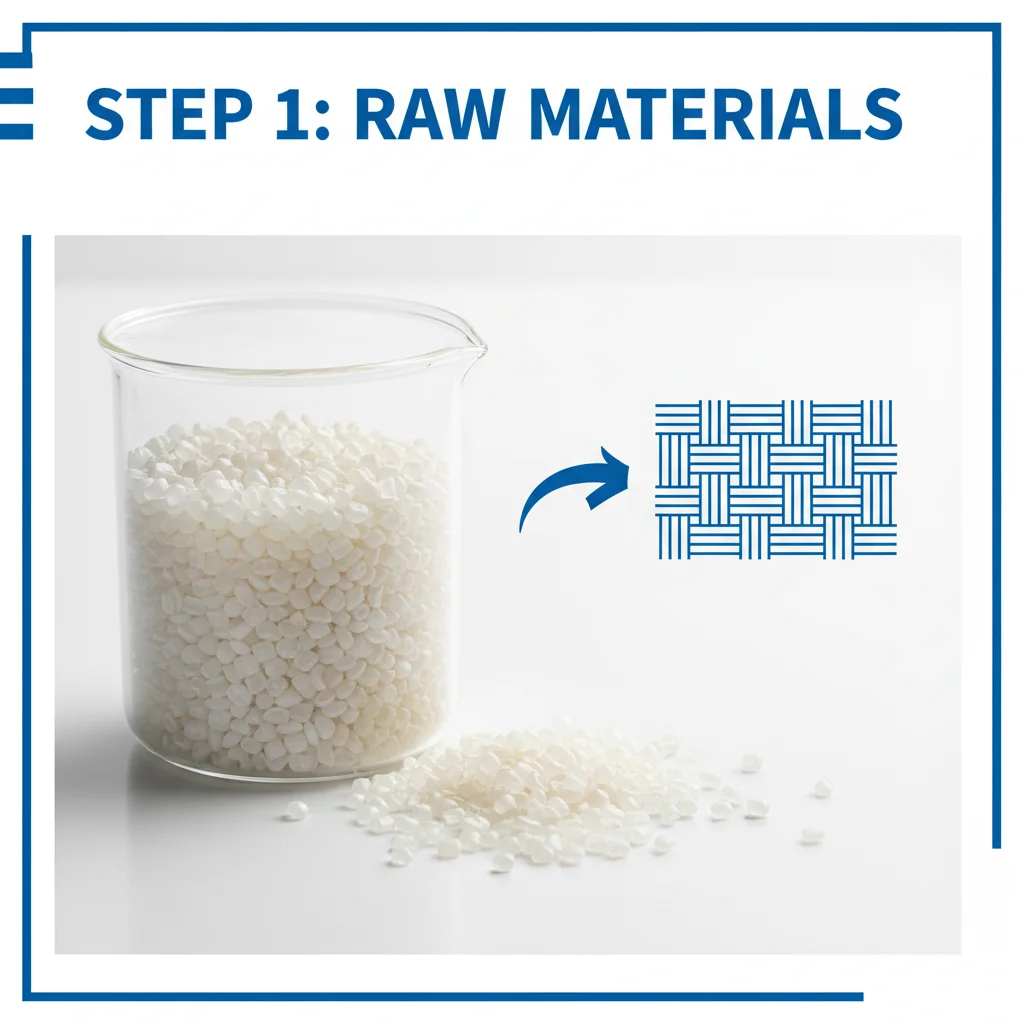
The global packaging landscape has undergone a significant transformation with the advent of the bopp laminated woven bag, a product that seamlessly merges the mechanical strength of woven polypropylene with the high-fidelity printing and moisture protection of Biaxially Oriented Polypropylene (BOPP) film. In an era where supply chain efficiency and product presentation are paramount, these bags have become indispensable for industries ranging from agriculture to chemical manufacturing, ensuring that goods reach their destination intact and visually appealing.
Understanding the nuances of this packaging technology is crucial for businesses aiming to reduce product loss and enhance brand recognition. By integrating a multi-layered approach—combining a durable fabric core with a sophisticated polymer laminate—the bopp laminated woven bag addresses the dual challenge of physical resilience and marketing viability. This synergy allows companies to transport heavy-duty materials while utilizing the bag's surface as a high-impact advertising tool.
From a global perspective, the shift toward these specialized containers reflects a broader industry trend toward "smart packaging" that optimizes protection and logistics. Whether it is safeguarding premium rice in Southeast Asia or transporting specialized resins in Europe, the bopp laminated woven bag provides a reliable, cost-effective, and scalable solution that meets stringent international shipping and safety standards.


The global demand for high-performance packaging has surged as international trade routes expand and the need for standardized, durable containers grows. The bopp laminated woven bag has emerged as a critical tool in this evolution, particularly in the movement of bulk commodities. According to industry trends aligned with ISO standards for packaging, the ability to prevent leakage and contamination while maintaining a lightweight profile is essential for reducing the carbon footprint of logistics.
Beyond mere transport, these bags solve the "visibility gap" in industrial packaging. Traditionally, woven bags were plain and required separate labeling; however, the BOPP lamination process allows for photographic-quality graphics. This means a bopp laminated woven bag serves simultaneously as a protective shield and a primary marketing vehicle, directly influencing consumer purchasing decisions at the retail level across emerging markets.
The primary difference lies in the lamination layer. While a regular PP woven bag is breathable and prone to moisture penetration, a bopp laminated woven bag features a BOPP film that acts as a water and vapor barrier. Additionally, it allows for high-resolution, photographic printing, which is impossible on standard woven fabrics, significantly enhancing brand visibility and product protection.
Yes, when manufactured using virgin polypropylene resins and food-safe adhesives, the bopp laminated woven bag is ideal for food items like rice, flour, and pet food. The lamination prevents external contaminants and odors from entering the bag, ensuring the hygiene and freshness of the contents during long-term storage.
The key is the quality of the bonding process. Professional manufacturers use advanced melt-extrusion lamination or high-strength adhesives that chemically bond the BOPP film to the PP fabric. To ensure durability, check for certifications regarding "peel strength" and ensure the bag is UV-stabilized to prevent the plastic from degrading under sunlight, which is a common cause of delamination.
Yes, they are recyclable as they are primarily made of polypropylene. However, the efficiency of recycling depends on the type of adhesive used. Modern trends are moving toward mono-material construction (where the film and bag are both PP), making the bopp laminated woven bag fully compatible with existing plastic recycling streams (Category 5 PP).
Lead times vary based on order volume and design complexity. Since the BOPP film requires separate printing and lamination processes, custom orders usually take between 2 to 4 weeks. We recommend providing high-resolution vector files to speed up the pre-press phase and ensure the final bopp laminated woven bag meets your brand's exact color specifications.
The bopp laminated woven bag is engineered for resilience. The woven core handles physical stress (impacts and drops), while the BOPP layer protects against rain and humidity. With the addition of UV inhibitors, these bags can withstand intense sunlight without losing structural integrity, making them suitable for global export across diverse climates.
The bopp laminated woven bag represents the perfect intersection of industrial strength and commercial sophistication. By solving the critical issues of moisture ingress, product leakage, and brand invisibility, it has become a cornerstone of modern bulk packaging. From the structural reliability of the woven PP base to the high-definition finish of the BOPP film, every element of its design is engineered to maximize the safety and marketability of the goods it carries.
Looking forward, the evolution toward sustainable materials and smart tracking will further solidify the role of this packaging solution in a greener, more connected global economy. Businesses that adopt high-quality lamination technologies today will not only reduce their operational waste but also enhance their competitive edge in an increasingly demanding marketplace. To explore the best packaging solutions for your business, visit our website: www.ssjtpack.com

Hit enter to search or ESC to close