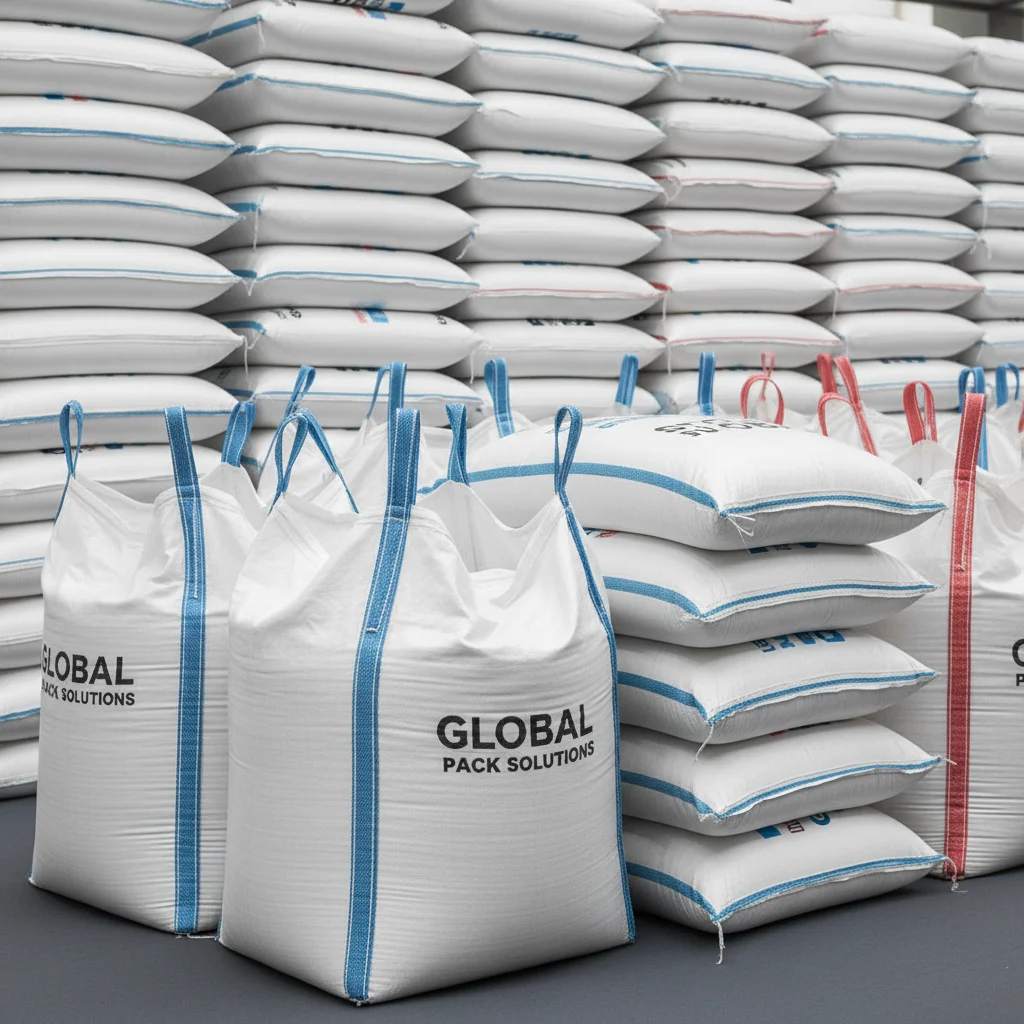
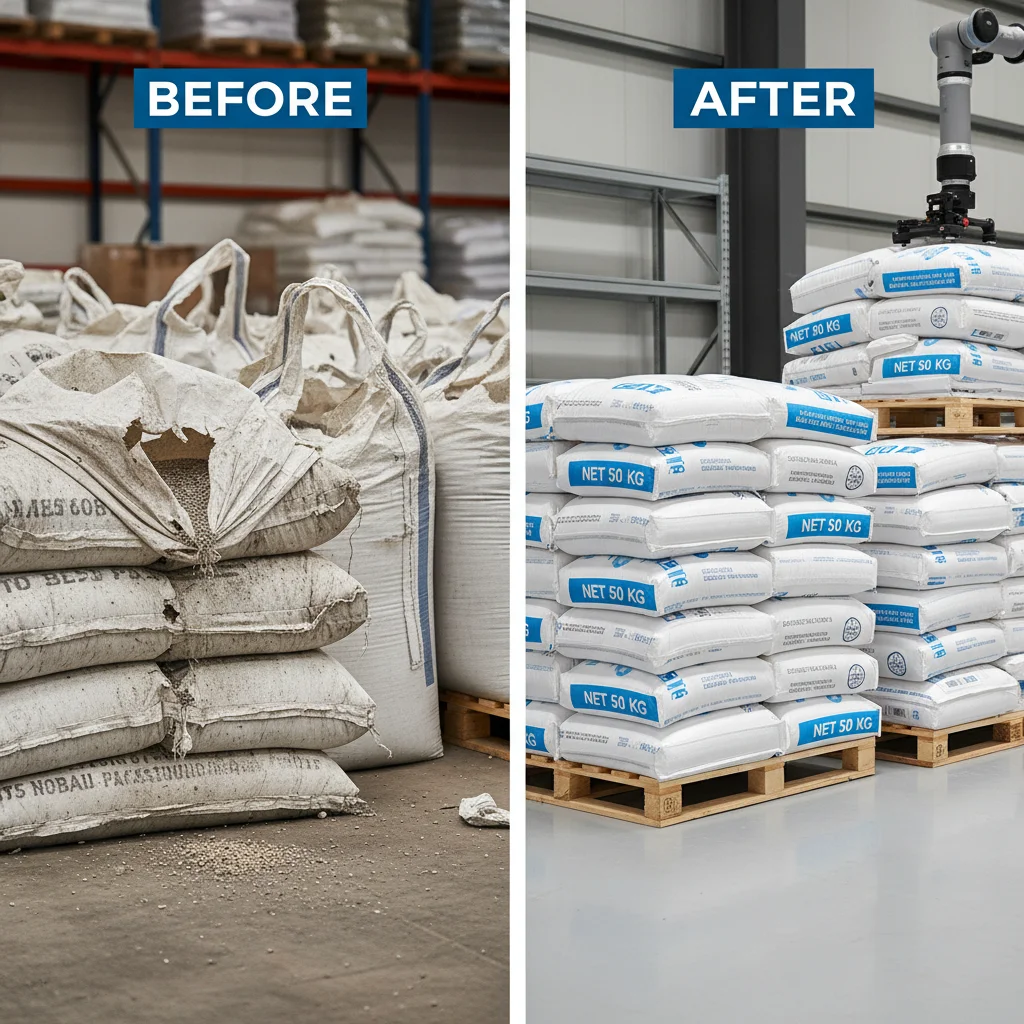
In the modern industrial landscape, the demand for high-performance packaging has led to the widespread adoption of bopp laminated pp woven bags. These specialized containers combine the raw tensile strength of polypropylene weaving with the superior barrier and aesthetic properties of Biaxially Oriented Polypropylene (BOPP) film, creating a packaging solution that is as durable as it is visually appealing.
The global logistics and supply chain sectors rely heavily on these materials to protect critical commodities—ranging from agricultural seeds to chemical powders—against environmental degradation. By integrating advanced lamination techniques, manufacturers can ensure that products remain moisture-proof and airtight, which is essential for maintaining product purity and extending shelf life during long-haul international shipping.
Understanding the technical composition and operational advantages of bopp laminated pp woven bags allows businesses to optimize their packaging costs while enhancing brand visibility. From the choice of virgin PP resins to the precision of circular weaving, every detail contributes to a final product that resists tearing, prevents leakage, and withstands the rigors of extreme industrial stress.

The Technical Composition of BOPP Laminated PP Woven Bags
The structural integrity of bopp laminated pp woven bags begins with the selection of 100% virgin polypropylene (PP) resins. Through an advanced extrusion and circular weaving process, high-density tapes are interlaced to form a fabric roll with exceptional breaking strength in both warp and weft directions. This woven foundation provides the necessary load-bearing capacity to handle heavy industrial materials without the risk of bursting.
To elevate the performance, a BOPP film is laminated onto the woven fabric. This process does not merely add a decorative layer; it creates a hermetic seal that enhances moisture resistance and provides a smooth surface for high-resolution photographic printing. The result is a composite material that blends the flexibility of woven plastic with the protective barrier of a laminated film.
Global Industrial Relevance and Market Demand
On a global scale, the logistics of agricultural and chemical distribution demand packaging that can survive diverse climates and handling conditions. The shift toward bopp laminated pp woven bags is driven by the need to reduce product loss caused by humidity, pests, and mechanical abrasion. ISO standards for packaging emphasize the importance of material stability, a requirement that virgin PP fabric rolls meet consistently.
In emerging economies, where infrastructure for warehousing may be suboptimal, the durability of these bags becomes a critical factor in food security and industrial safety. By preventing the leakage of fine powders or the contamination of grains, laminated packaging reduces waste and ensures that products reach their destination in pristine condition, aligning with global efforts to optimize supply chain efficiency.
Furthermore, the integration of UV-stabilized additives addresses a primary challenge: sunlight degradation. In outdoor storage environments, standard plastics can become brittle and fail. The advanced formulation used in premium BOPP laminated bags ensures long-term stability, allowing for extended outdoor exposure without compromising the structural integrity of the container.
Core Advantages of Advanced Lamination Technology
One of the most significant breakthroughs in packaging is the use of bopp laminated pp woven bags to solve the breathability vs. protection dilemma. While plain woven fabrics are permeable, the addition of a BOPP or PE coating transforms the material into a moisture-proof barrier, essential for chemicals and fine powders that would otherwise clump or degrade.
From a commercial perspective, the lamination process allows for "premium branding" directly on the packaging. Unlike traditional screen printing on woven fabric, which can be blurred by the texture of the weave, BOPP lamination provides a glass-smooth surface. This allows companies to use vivid, high-definition graphics to improve shelf appeal and brand recognition for bopp laminated pp woven bags.
Beyond aesthetics, the mechanical synergy between the woven layer and the film layer increases the overall tear resistance. The woven PP provides the "skeleton" that prevents catastrophic failure, while the lamination acts as a "skin" that prevents small punctures from expanding, ensuring that the bags can withstand the rigors of automated filling and stacking.
Performance Metrics and Material Efficiency
When evaluating the ROI of industrial packaging, material yield and failure rates are the primary KPIs. High-precision bopp laminated pp woven bags manufactured from uniform weave density fabric minimize waste during the bag conversion process. This precision ensures that every roll of fabric is utilized to its maximum potential, reducing the cost per unit for the end manufacturer.
Comparing premium virgin PP fabric to recycled alternatives reveals a stark difference in lifespan and load capacity. While recycled plastics may offer a lower initial price, the increased rate of bag failure and shorter outdoor lifespan often result in higher total costs of ownership. Premium laminated fabrics offer an optimized balance of weight (GSM) and tensile strength.
Comparison of Performance Ratings for Different BOPP Laminated Packaging Methods
Strategic Applications Across Diverse Sectors
The versatility of bopp laminated pp woven bags makes them indispensable in the chemical industry, where containment of hazardous or fine powders requires a zero-leakage guarantee. The combination of high-density weaving and BOPP lamination prevents particulates from escaping through the fabric pores, ensuring safety and compliance with environmental regulations.
In the agricultural sector, these bags are used for high-value seeds and fertilizers. The UV protection prevents the degradation of the bag during field storage, while the moisture barrier prevents seeds from germinating prematurely due to humidity. From construction site liners to retail-ready pet food packaging, the adaptability of the material allows it to be converted into Big Bags (FIBCs), valve bags, or pinch bottom bags depending on the filling requirement.
Sustainability and Environmental Impact
A common misconception is that high-performance plastics are inherently harmful to the environment. However, bopp laminated pp woven bags made from polypropylene are 100% recyclable thermoplastic polymers. By extending the lifespan of the packaging through superior durability, these bags reduce the frequency of replacement and the total volume of waste generated in the supply chain.
The industry is currently moving toward "circular economy" models where used PP woven fabric is collected, pelletized, and repurposed into other plastic products. Because virgin PP is used in the primary layer, the resulting recycled material maintains a higher quality than if the original bag had been made from inferior mixed resins.
Furthermore, the efficiency of the manufacturing process—characterized by low waste rates (often < 2% for premium fabric)—minimizes the carbon footprint during production. By optimizing roll winding and container space, logistics costs and associated emissions are further reduced, making these bags a sustainable choice for large-scale industrial operations.
Quality Assurance and Selection Criteria
Selecting the right specification for bopp laminated pp woven bags requires a deep understanding of GSM (grams per square meter) and tensile strength. A bag designed for a 25kg load of grain requires a different weave density than a Big Bag designed for 1000kg of construction debris. Proper quality assurance involves strict batch testing to ensure consistency across every roll.
Key factors to consider include the type of lamination (BOPP vs. PE coating) and the level of UV stabilization. For products stored in tropical climates with intense sunlight, advanced UV inhibitors are non-negotiable to prevent the fabric from becoming brittle. Additionally, the heat resistance (up to 100°C) ensures that the bags can be handled in warm industrial environments without losing shape.
Ultimately, the investment in premium fabric rolls pays off through reduced bag failures and optimized production speeds. When the fabric is uniform and the dimensions are precise, the conversion process into bags becomes seamless, eliminating downtime and reducing the risk of product loss during the filling stage.
Analysis of Specifications for BOPP Laminated PP Woven Bags
| Fabric Grade | Lamination Type | Primary Benefit | Recommended Use |
|---|
| 100% Virgin PP | BOPP Laminated | High Gloss & Strength | Retail Consumer Goods |
| UV-Stabilized PP | BOPP Laminated | Sunlight Resistance | Agricultural Seeds |
| High-Density PP | PE Coated | Airtight Barrier | Chemical Powders |
| Custom GSM (150g) | Double Laminated | Extreme Load Capacity | Construction Debris |
| Standard PP | Uncoated | High Breathability | Animal Feed/Grains |
| Virgin PP | Custom Colored Film | Brand Identification | Industrial Logistics |
FAQS
BOPP lamination uses a biaxially oriented polypropylene film, which provides a superior, smooth surface for high-definition printing and better moisture resistance. PE coating involves applying a layer of polyethylene, which is primarily used to make the bag airtight and water-resistant for industrial powders. While both provide barriers, BOPP is preferred for retail and branding, whereas PE is often used for strictly functional industrial purposes.
UV stabilizers are chemical additives integrated into the PP resin before the tapes are spun. They act as "sunscreen" for the plastic, absorbing or neutralizing the harmful ultraviolet radiation from the sun that would otherwise break the polymer chains. This prevents the material from becoming brittle and cracking, significantly extending the lifespan of bags used in outdoor storage or agricultural fields.
Yes, our fabric rolls are fully customizable. We offer fabric weights ranging from 50 gsm to 150 gsm and widths from 1.0m to 6.0m. Depending on your specific application—whether you are making small valve bags or massive FIBC Big Bags—we can adjust the weave density and dimensions to ensure the perfect balance between material cost and load-bearing strength.
Yes, polypropylene is a thermoplastic, meaning it can be melted and reshaped multiple times. Because we use high-purity virgin PP resins, the material is highly compatible with recycling streams. Used bags can be collected, cleaned, and processed back into PP pellets, which are then used to manufacture a variety of other plastic products, supporting a circular economy.
Generally, premium PP woven fabrics can withstand temperatures up to 100°C, depending on the specific grade of resin and lamination used. This makes them suitable for a wide range of industrial environments. However, for materials that are filled while hot, it is recommended to specify the exact temperature requirements to ensure the lamination does not soften or peel.
Circular weaving is typically used for bags that require a seamless tubular structure, which enhances strength and prevents leaking from the sides—ideal for Big Bags and heavy-duty sacks. Flat weaving is more versatile for creating various bag shapes and sizes where seams are acceptable or necessary for specific closure types. The choice depends on your filling machinery and the weight of the product.
Conclusion
In summary, bopp laminated pp woven bags represent the pinnacle of industrial packaging, merging extreme durability with advanced barrier protection and commercial versatility. By utilizing 100% virgin PP resins and high-precision lamination, these packaging solutions effectively eliminate common risks such as moisture ingress, UV degradation, and mechanical failure, thereby ensuring the safety and purity of the contents throughout the global supply chain.
As industries move toward more sustainable and efficient operations, the adoption of high-yield, recyclable materials like premium PP woven fabric becomes a strategic necessity. Businesses are encouraged to transition from standard packaging to optimized, laminated solutions to reduce waste and enhance brand value. To optimize your industrial packaging with the highest quality materials, visit our website: www.ssjtpack.com.