The global agricultural supply chain relies heavily on reliable packaging to ensure that nutrient-rich inputs reach farmers without degradation. The 25kg fertilizer bag has emerged as the gold standard for this purpose, balancing ease of manual handling with industrial efficiency. By providing a secure environment for chemical compounds, these bags prevent leakage and contamination, which is critical for maintaining soil health and crop yields worldwide.
From a logistical perspective, the standardization of the 25kg capacity allows for optimized palletization and shipping, reducing overhead costs for manufacturers and distributors. Whether it is urea, NPK, or organic compost, the material science behind the modern 25kg fertilizer bag ensures that the product remains stable across diverse climates, from humid tropical zones to arid plains.
Understanding the nuances of PP woven construction and lamination is essential for stakeholders in the agrochemical industry. Choosing the right 25kg fertilizer bag is not merely a procurement decision but a strategic move to minimize product waste and enhance the brand's professional image in a competitive global market.

Global Industry Context of 25kg Fertilizer Bags
The demand for a reliable 25kg fertilizer bag is inextricably linked to global food security. As the world population grows, the reliance on synthetic and organic fertilizers has increased, necessitating packaging that can withstand rigorous transport. According to industry trends aligned with ISO standards, the shift toward Polypropylene (PP) woven materials has drastically reduced the incidence of bag bursts during sea freight.
However, the industry faces a constant struggle between cost-reduction and durability. In many developing regions, substandard packaging leads to significant "product shrink" due to leakage, affecting the bottom line of farmers and distributors alike. The implementation of high-tensile 25kg fertilizer bag designs directly addresses these inefficiencies, ensuring that every gram of nutrient reaches the soil.
Definition and Technical Meaning
In technical terms, a 25kg fertilizer bag is a specialized industrial container typically manufactured from circular woven polypropylene. This process involves extruding PP resin into tapes, weaving them into a fabric, and then cutting and sewing them to a precise volume that can safely hold 25 kilograms of granular or powdered material.
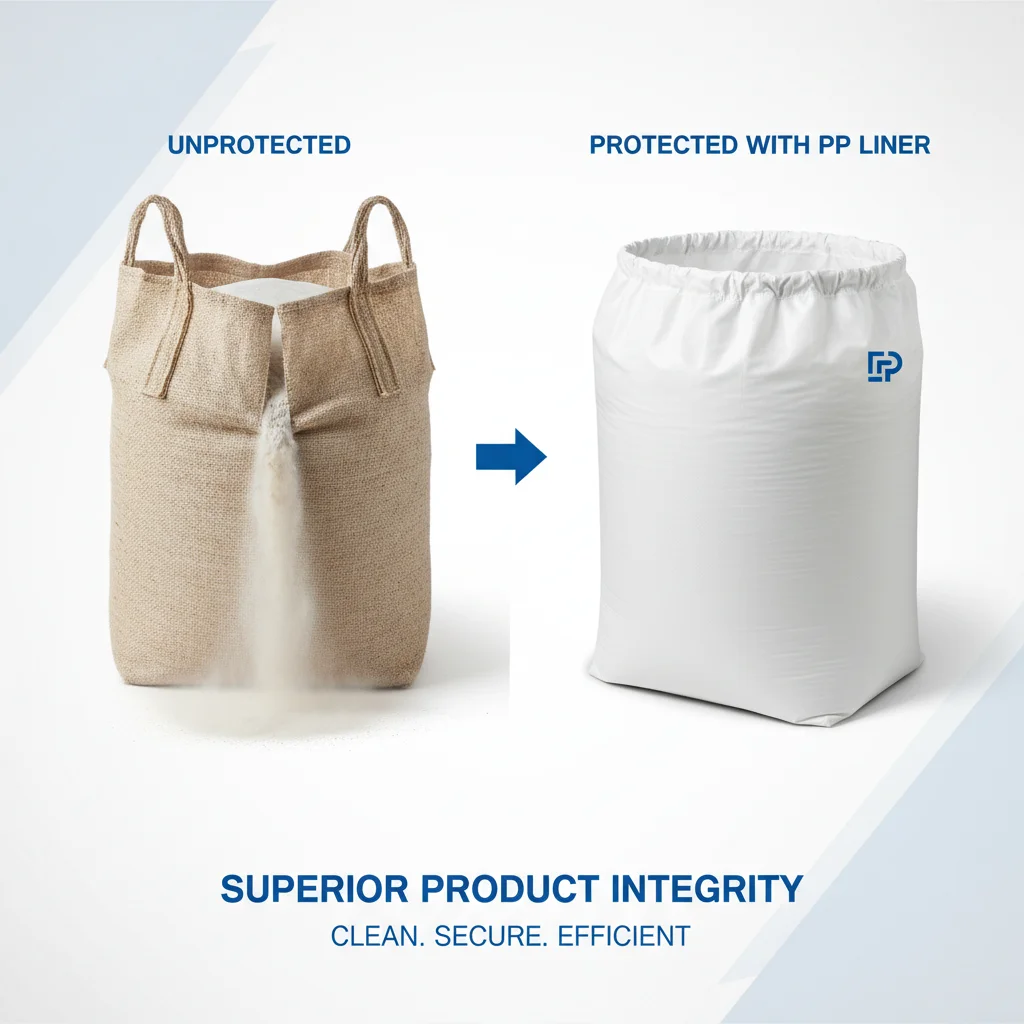
Beyond the basic weave, these bags often incorporate BOPP (Biaxially Oriented Polypropylene) lamination or PE (Polyethylene) liners. These additions are critical because fertilizers are often hygroscopic, meaning they absorb moisture from the air. A professional-grade 25kg fertilizer bag acts as a moisture barrier, preventing the fertilizer from caking or chemically degrading.
In the broader context of humanitarian aid and agricultural development, these bags are more than just packaging; they are tools for distribution. The 25kg weight is specifically chosen to be the maximum load a human worker can repeatedly lift and carry without excessive injury, making the 25kg fertilizer bag the ideal unit for "last-mile" delivery in remote rural areas.
Key Factors of High-Performance Packaging
Durability is the foremost requirement for any 25kg fertilizer bag. The fabric must possess high tensile strength to resist punctures from sharp granules and the immense pressure exerted when bags are stacked in high warehouses. UV stabilization is also added to the resin to prevent the bags from becoming brittle when exposed to direct sunlight in open fields.
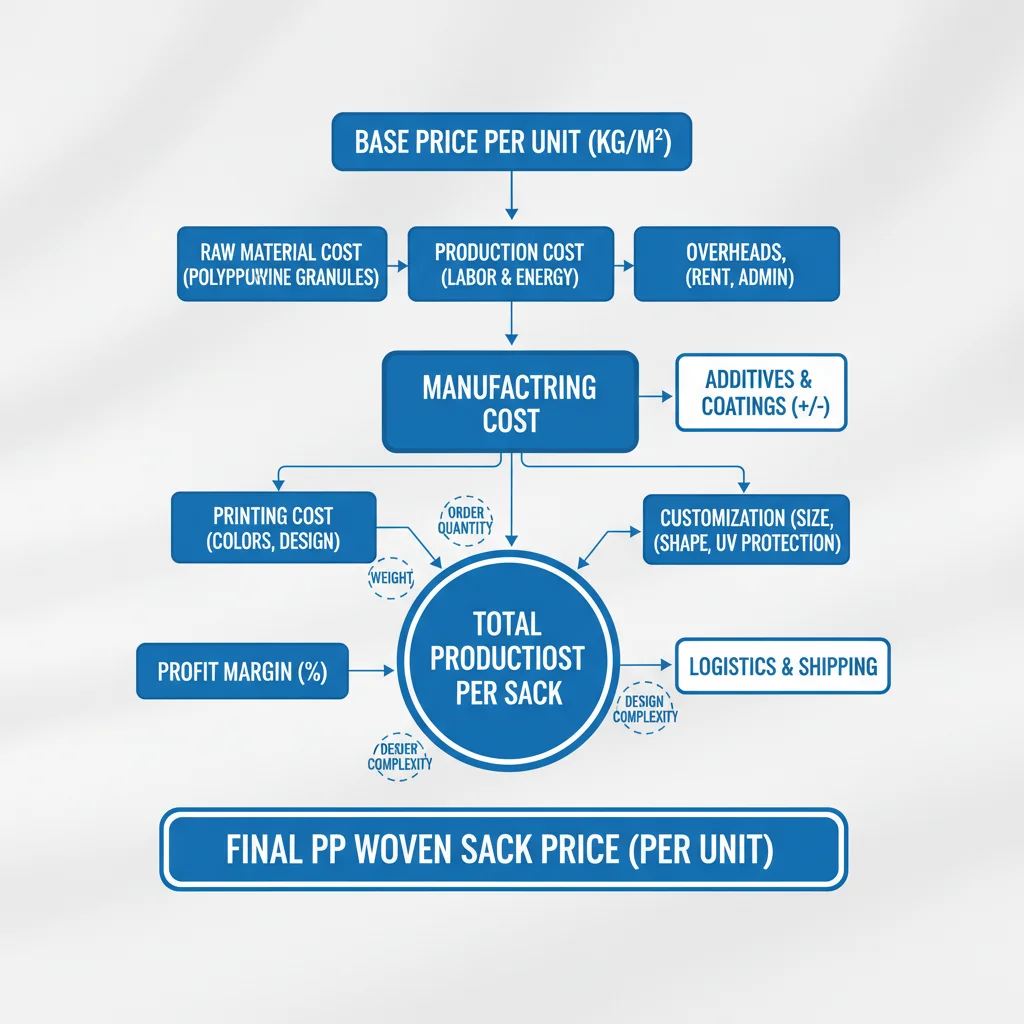
Cost efficiency is achieved through the optimization of the weave density. A high-quality 25kg fertilizer bag balances the "mesh count" (the number of threads per inch) to ensure strength while minimizing the amount of raw plastic used. This ensures that the packaging cost does not disproportionately increase the final price of the fertilizer.
Scalability and branding are handled via BOPP lamination. By applying a printed film to the woven base, the 25kg fertilizer bag transforms into a marketing tool, allowing brands to display clear usage instructions, nutrient analysis, and corporate logos that remain vibrant even after rough handling.
Global Applications and Use Cases
The application of the 25kg fertilizer bag spans every continent. In the vast agricultural belts of Brazil and the United States, these bags are used for the bulk distribution of NPK blends. The ability to stack these bags securely on pallets allows for rapid movement through automated distribution centers before they are dispatched to local cooperatives.
In Southeast Asia and Africa, the 25kg fertilizer bag often serves a dual purpose. After the fertilizer is applied, the durable PP material is frequently repurposed by farmers for storing grains or transporting other harvested crops, adding a secondary layer of value to the packaging itself.
Performance Comparison of 25kg Fertilizer Bag Variants
Tangible Advantages and Long-Term Value
The primary advantage of utilizing a professional 25kg fertilizer bag is the significant reduction in product loss. By preventing sifting and leakage, companies can ensure that the quantity delivered matches the quantity billed, which builds immense trust between the manufacturer and the end-user.
Furthermore, the long-term value lies in the reliability of the supply chain. When a 25kg fertilizer bag is designed with high-quality stitching and reinforced bottoms, it eliminates the risk of "catastrophic failure" during transit. This safety ensures that workers are not exposed to chemical spills and that the logistics process remains clean and efficient.
Future Trends in Bag Manufacturing
The future of the 25kg fertilizer bag is moving toward sustainability. We are seeing a surge in the development of biodegradable polymers and the incorporation of recycled PP content without compromising the structural integrity of the bag. This "green shift" is driven by both government regulations and a global push to reduce plastic pollution in agricultural lands.
Digital transformation is also entering the packaging space. Some advanced 25kg fertilizer bag designs are now incorporating QR codes or RFID tags. This allows for full traceability, enabling a farmer to scan the bag and see the exact batch number, production date, and nutrient analysis of the fertilizer inside.
Automation in filling and sealing is another key trend. New 25kg fertilizer bag designs are being optimized for high-speed valve-filling machines, which reduce the time required for packaging and minimize the amount of human contact with the chemical products.
Common Challenges and Expert Solutions
One of the most common challenges is the "caking" of fertilizer due to moisture ingress. To solve this, experts recommend the use of a 25kg fertilizer bag with an internal LDPE liner. This creates a hermetic seal that protects the granules from humidity, extending the shelf life of the product by several months.
Another issue is the degradation of bags due to UV exposure during outdoor storage. The solution involves incorporating HALS (Hindered Amine Light Stabilizers) into the PP resin during the extrusion process. This ensures that the 25kg fertilizer bag maintains its strength even after weeks of exposure to the sun.
Finally, the challenge of packaging waste is being addressed through "circular economy" initiatives. By designing the 25kg fertilizer bag for easy recycling, manufacturers are encouraging the collection of used bags for reprocessing into other plastic products, thereby reducing the environmental footprint.
Technical Specification and Performance Analysis of 25kg Fertilizer Bags
| Bag Material Type |
Moisture Resistance |
Tensile Strength |
Cost-Benefit Ratio |
| Standard PP Woven |
Low |
High |
Excellent |
| BOPP Laminated |
Medium |
Very High |
Good |
| PE Lined PP Woven |
Very High |
High |
Moderate |
| UV-Stabilized PP |
Low |
Extreme |
Good |
| Recycled Content PP |
Medium |
Moderate |
Excellent |
| Coated PP Fabric |
Medium |
High |
Good |
FAQS
For maximum moisture protection, a 25kg fertilizer bag with an internal LDPE (Low-Density Polyethylene) liner is recommended. This liner creates an airtight seal that prevents hygroscopic fertilizers from absorbing atmospheric moisture and caking, ensuring the product remains free-flowing until the end-user opens it.
UV stabilization involves adding chemical inhibitors to the PP resin. Without it, a 25kg fertilizer bag exposed to sunlight would become brittle and tear within weeks. With UV stabilization, the bags can withstand prolonged outdoor exposure, maintaining their structural integrity and protecting the contents during field storage.
Yes, BOPP lamination is highly effective. It provides a high-gloss, high-resolution printing surface for branding and adds an extra layer of water resistance. It is ideal for premium fertilizer brands that want to combine strength with an attractive professional appearance.
The 25kg weight is an industry standard based on ergonomics and logistics. It is generally considered the maximum safe lifting weight for manual labor in agricultural settings, and it fits perfectly into standard pallet dimensions, optimizing shipping costs and warehouse space.
Traditional PP bags are recyclable. To improve sustainability, many manufacturers are now producing 25kg fertilizer bags with higher percentages of recycled plastic or experimenting with biodegradable coatings to reduce the long-term environmental impact on farmland.
Quality should be verified through "Drop Tests" (dropping a full bag from a height), "Tensile Strength Tests" for the fabric, and "Seal Integrity Tests" for the bottom stitching. Ensure your supplier adheres to ISO quality management standards for consistent production.
Conclusion
The 25kg fertilizer bag serves as a critical link in the global agricultural chain, blending material science with logistical practicality. By focusing on key factors such as UV stability, moisture resistance through liners, and high tensile strength, manufacturers can significantly reduce product waste and enhance the efficiency of fertilizer distribution. From the technical precision of PP weaving to the branding power of BOPP lamination, these bags ensure that essential nutrients are delivered safely and effectively to farms across the globe.
Looking forward, the integration of sustainable materials and digital traceability will redefine the role of agricultural packaging. As the industry pivots toward a circular economy, the evolution of the 25kg fertilizer bag will likely focus on reducing carbon footprints while maintaining the rugged durability required for harsh industrial environments. Investing in high-quality packaging today is not just about containment; it is about ensuring a sustainable and food-secure future. Visit our website for more professional solutions: www.ssjtpack.com