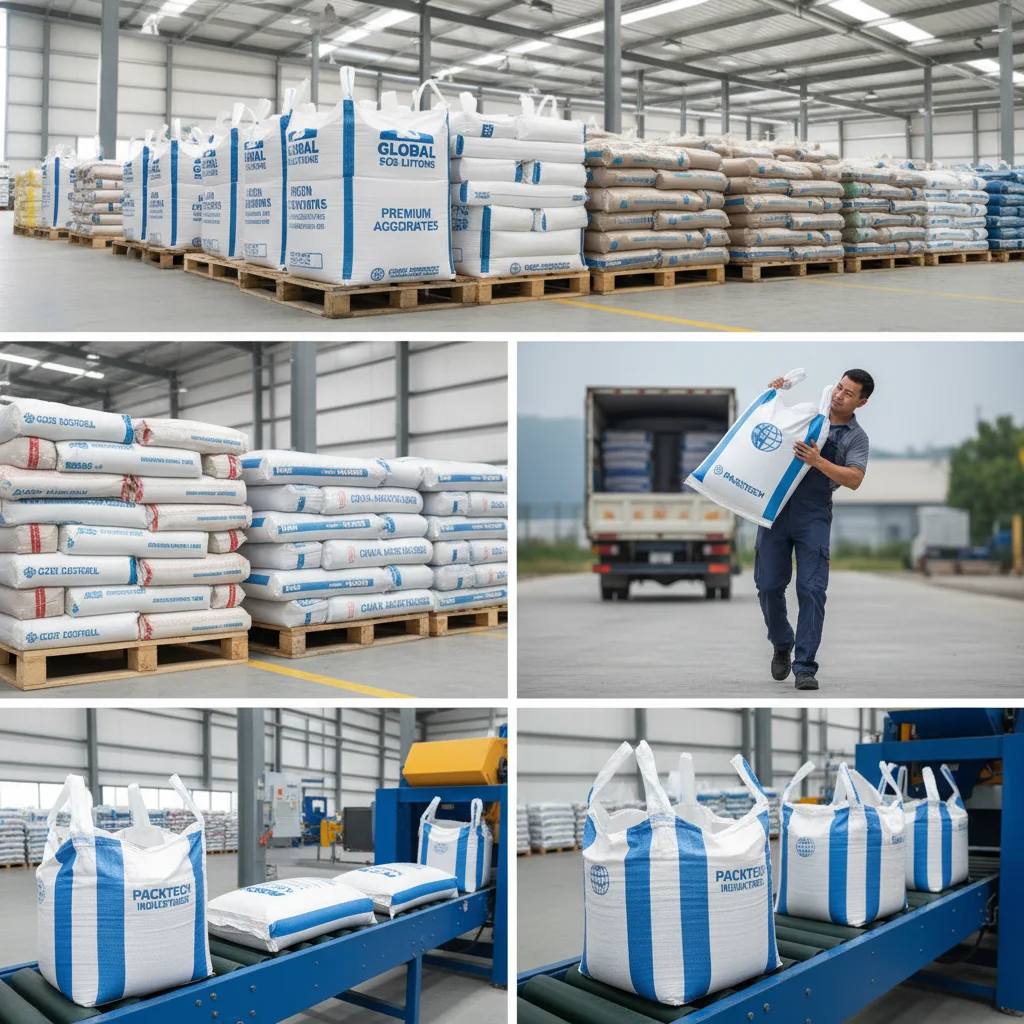
In the global logistics and agricultural sectors, the demand for reliable packaging remains a cornerstone of supply chain efficiency. An empty sack 25kg serves as a standardized unit of containment, designed to balance portability with substantial load-bearing capacity. By optimizing the weight-to-volume ratio, these packaging solutions ensure that granular materials can be transported across borders without compromising product integrity.
Understanding the technical specifications of a high-quality empty sack 25kg is crucial for procurement managers and industrial engineers. From the tensile strength of the polypropylene weave to the UV stabilization treatments, every detail contributes to the prevention of leakage and contamination. This standard capacity is particularly vital for chemicals, fertilizers, and food grains, where precision in weight is non-negotiable for commercial transactions.
Ultimately, the transition toward more durable and sustainable materials in the manufacturing of the empty sack 25kg reflects a broader industry shift toward circular economy principles. By enhancing the longevity of these containers and ensuring they are recyclable, manufacturers are reducing the environmental footprint of global trade while maintaining the rigorous safety standards required by ISO and other international regulatory bodies.

Global Relevance of the Empty Sack 25kg
The global reliance on the empty sack 25kg is driven by the need for standardized bulk handling in the agricultural and chemical industries. According to international trade data, the 25kg format is one of the most widely adopted weights for consumer-facing industrial goods, allowing for easy manual handling while maximizing pallet space. This standardization facilitates seamless integration into automated filling lines and logistics networks worldwide.
However, the industry faces significant challenges regarding material degradation and waste. Many traditional bags suffer from tearing during long-distance maritime transport, leading to substantial product loss. The development of high-tenacity PP woven fabrics has addressed these concerns, ensuring that the empty sack 25kg can withstand the rigors of stacking and rough handling in diverse climatic conditions.
Defining the Industrial Standard for Empty Sack 25kg
In technical terms, an empty sack 25kg is a high-performance container specifically engineered to hold a payload of 25 kilograms of dry, granular, or powdered material. Unlike generic bags, these are manufactured using circular weaving techniques that distribute stress evenly across the fabric, preventing localized failure points that typically lead to bursts.
Beyond its physical dimensions, this packaging standard represents a critical link in humanitarian and industrial supply chains. For instance, in food aid programs overseen by global organizations, the 25kg capacity is often the designated weight for rice and flour distribution, as it represents a manageable load for a single person to carry while providing sufficient quantity for a family unit.
Modern iterations of the empty sack 25kg often incorporate BOPP lamination or PE liners. These additions transform a basic woven bag into a moisture-proof barrier, protecting sensitive chemical compounds or food-grade ingredients from humidity, oxidation, and external contaminants during storage in non-climate-controlled warehouses.
Core Components and Material Integrity
The structural integrity of an empty sack 25kg depends primarily on the grade of polypropylene (PP) resin used during the extrusion process. High-density polymers provide the necessary rigidity and tensile strength to ensure that the bag does not stretch excessively under load, which is vital for maintaining stable stacks in warehouses.
Another critical factor is the weaving density, measured in mesh count. A higher mesh count in the empty sack 25kg reduces the pore size of the fabric, effectively preventing the leakage of fine powders while remaining breathable enough to prevent moisture buildup in agricultural products like seeds or grains.
Finally, the finishing process—including heat-cutting and reinforced stitching at the bottom—determines the ultimate burst strength. For an empty sack 25kg, the seam is the most vulnerable point; therefore, the use of high-strength industrial thread and double-stitch patterns is employed to exceed safety margins for drop-tests.
Performance Metrics and Cost Efficiency
When evaluating the procurement of an empty sack 25kg, companies focus on the "Cost-per-Cycle" rather than the initial unit price. A cheaper bag that fails during transit causes losses far exceeding the savings on packaging. High-performance bags reduce the frequency of replacements and decrease the cost of cleanup and waste management.
To quantify this, industry experts analyze the correlation between material thickness (GSM) and the load-bearing capacity. By optimizing the weight of the empty sack 25kg itself, manufacturers can reduce shipping costs for the empty bags while maintaining a safety factor of 5:1 or higher for the contents.
Comparative Performance Analysis of Empty Sack 25kg Variants
Global Applications and Strategic Use Cases
The versatility of the empty sack 25kg allows it to be deployed across vastly different environments. In Southeast Asia and Africa, these sacks are indispensable for the transport of rice and maize, where they must resist moisture from high humidity while remaining lightweight enough for rural transport.
In industrial zones across Europe and North America, the empty sack 25kg is frequently used for polymer pellets and specialty chemicals. In these contexts, the focus shifts to anti-static properties and precise dimensions to fit perfectly into automated palletizing robots, ensuring that warehouse density is maximized.
Long-term Value and Sustainability Benefits
Investing in a high-grade empty sack 25kg provides tangible long-term value by reducing product wastage. When a bag fails, it doesn't just cost the price of the bag; it results in the loss of the product and creates a hazardous cleanup environment. Therefore, the reliability of premium PP woven bags acts as an insurance policy for the cargo.
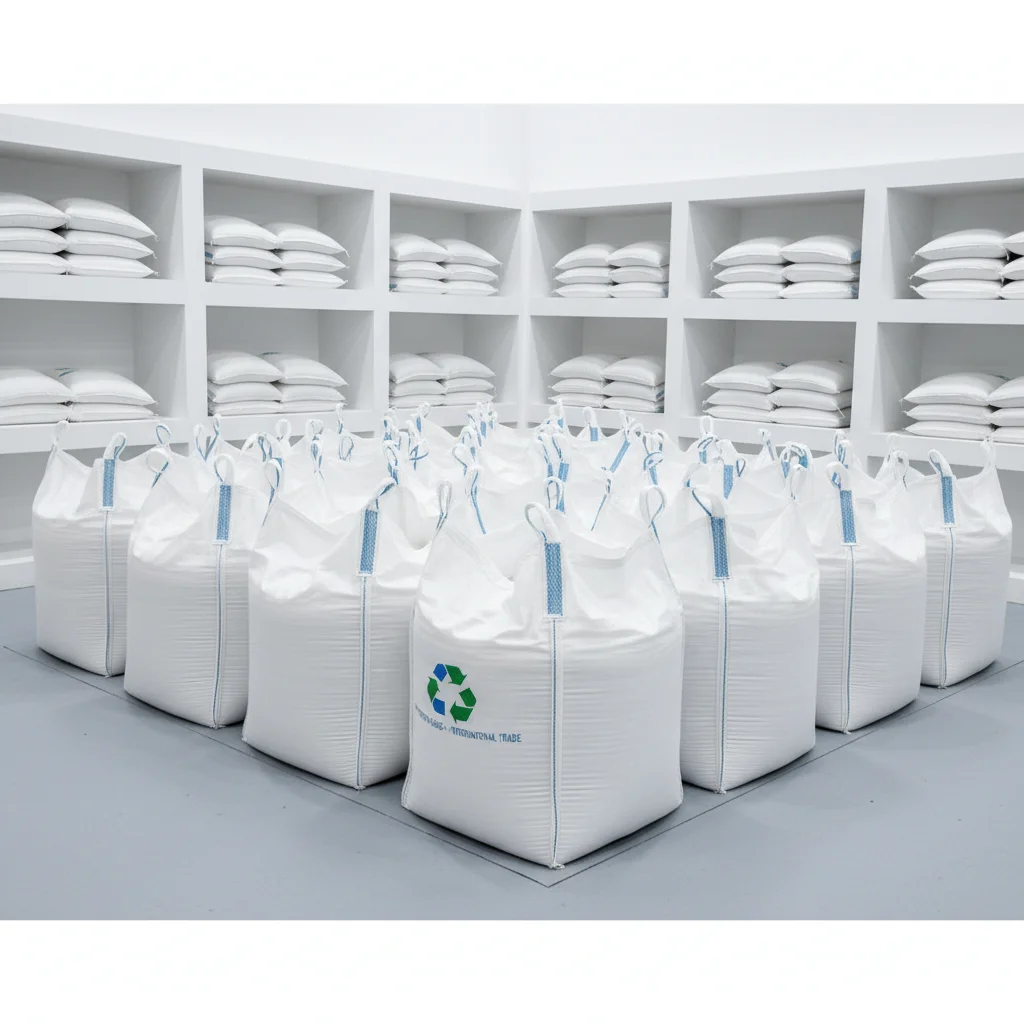
From a sustainability perspective, the move toward mono-material construction makes the empty sack 25kg easier to recycle. By avoiding mixed-material laminates that are difficult to separate, manufacturers are enabling a closed-loop system where old sacks can be pelletized and repurposed into new industrial plastic products.
Moreover, the durability of these sacks encourages reuse in secondary markets. In many developing economies, a decommissioned empty sack 25kg is repurposed for local storage or construction, extending the lifecycle of the plastic and delaying its entry into the waste stream.
Future Innovations in Packaging Technology
The next generation of the empty sack 25kg is integrating smart technology. We are seeing the introduction of RFID tags and QR codes woven directly into the fabric. This allows for real-time tracking of individual bags throughout the supply chain, providing transparency on origin, batch number, and handling history.
Material science is also evolving with the introduction of biodegradable polymers that mimic the strength of polypropylene. These "green" versions of the empty sack 25kg are designed to break down in industrial composting facilities, offering a solution for single-use applications where recovery is impossible.
Additionally, automation in the manufacturing process is allowing for "custom-fit" bags. By using AI-driven design, the empty sack 25kg can be tailored to the specific flow characteristics of the material it will hold, reducing empty headspace and further optimizing shipping volumes.
Technical Comparison of Empty Sack 25kg Material Specifications
| Material Type |
Tensile Strength (N) |
Moisture Resistance |
Recyclability Score |
| Standard PP Woven |
450 - 600 |
Low |
10/10 |
| Laminated PP |
500 - 700 |
Medium |
8/10 |
| BOPP Laminated |
600 - 800 |
High |
7/10 |
| PE Lined Woven |
400 - 600 |
Very High |
6/10 |
| UV Stabilized PP |
450 - 600 |
Low |
9/10 |
| Bio-Polymer Blend |
300 - 500 |
Medium |
10/10 |
FAQS
For food-grade storage, a BOPP laminated or PE-lined empty sack 25kg is recommended. These materials provide an essential moisture barrier and prevent contamination, ensuring that grains or powders remain fresh and compliant with health regulations during transit and storage.
Look for "UV Stabilization" in the product specifications. A standard empty sack 25kg will degrade and become brittle if exposed to direct sunlight for extended periods. UV-stabilized PP contains additives that protect the polymer chains from ultraviolet radiation, significantly extending outdoor lifespan.
Yes, BOPP laminated sacks are ideal for high-quality branding. They allow for photorealistic printing and vibrant colors that do not rub off, making the empty sack 25kg not just a container but a marketing tool for the end-consumer at the retail level.
Woven sacks, like the standard empty sack 25kg, are created by interlacing PP tapes, offering superior tensile strength for heavy loads. Non-woven bags are felt-like and are generally used for lightweight retail items, lacking the structural integrity required for industrial 25kg payloads.
To maximize stability, ensure the empty sack 25kg has a block-bottom design. This allows the bag to stand more upright and distribute weight vertically, reducing the "slumping" effect and allowing for higher, safer stacks in the warehouse.
Yes, manufacturers are increasingly offering biodegradable and compostable resins. While they may have slightly lower tensile strength than traditional PP, these eco-friendly versions of the empty sack 25kg are ideal for short-term logistics where environmental impact is a primary concern.
Conclusion
The empty sack 25kg remains an indispensable tool in global commerce, bridging the gap between bulk manufacturing and end-user delivery. By focusing on material science, weaving density, and sustainable design, industries can ensure that their products are transported safely, efficiently, and with minimal environmental impact. The transition from simple containment to high-performance, smart packaging underscores the ongoing evolution of the manufacturing sector.
Looking forward, the integration of circular economy principles and digital tracking will redefine the value proposition of industrial packaging. We suggest that procurement officers prioritize UV stability and recyclability to future-proof their supply chains. For those seeking the highest standards in durable and sustainable packaging, visit our website: www.ssjtpack.com to explore our full range of high-performance solutions.