
Industrial Packaging Guide for PP Woven Valve Bag Efficiency
June 09, 2026
The Ultimate Guide to PP Woven Valve Bag for Industrial Packaging
In the world of industrial bulk packaging, efficiency and durability are the cornerstones of a successful supply chain. The pp woven valve bag has emerged as a gold standard for transporting powdered and granular materials. Unlike traditional open-mouth bags, valve bags are designed for automated filling, which drastically reduces labor costs and minimizes product waste. Whether you are dealing with cement, chemicals, or agricultural minerals, understanding the technical nuances of these bags can help you optimize your logistics and ensure product integrity during transit. In this comprehensive guide, we will explore why this specific packaging solution is preferred by global industries.

Structural Advantages of the PP Woven Valve Bag
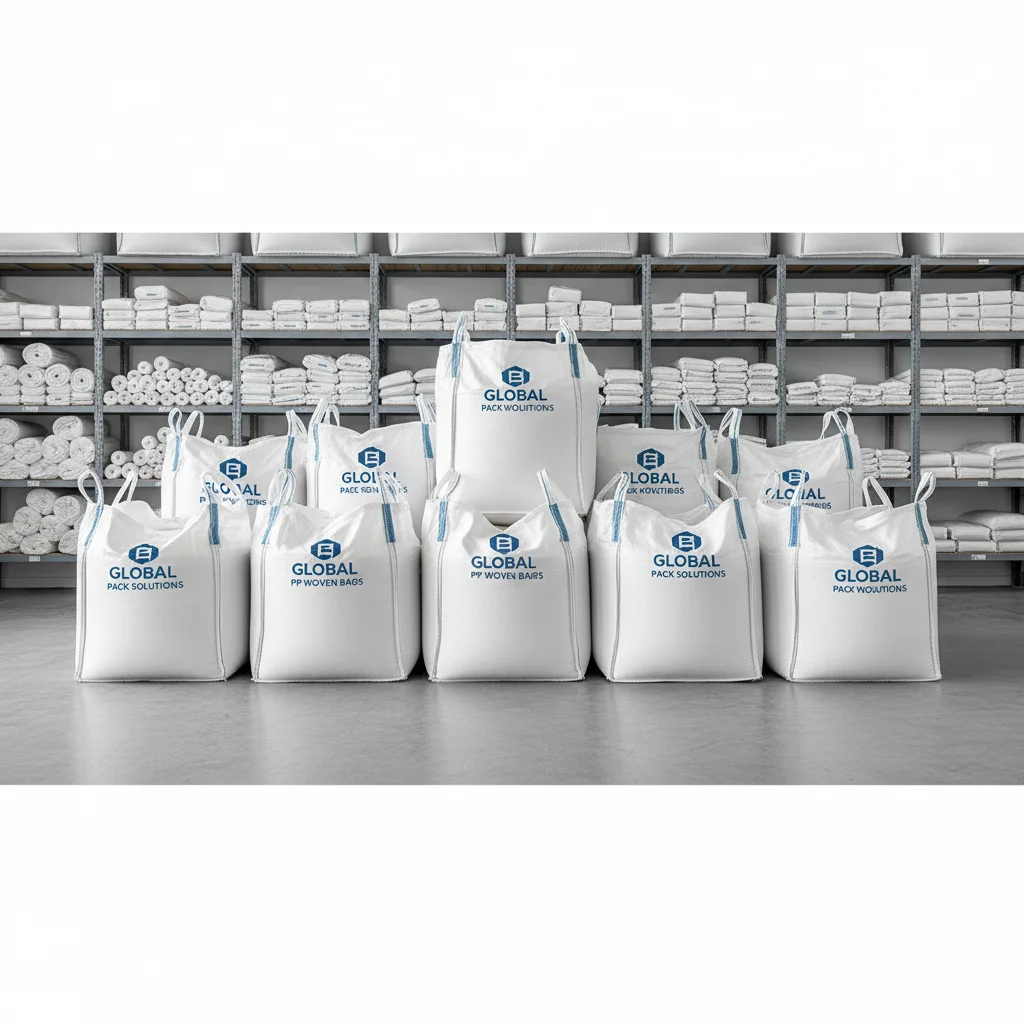
The strength of a pp woven valve bag lies in its material composition. Polypropylene (PP) is woven into a tight fabric that provides exceptional tensile strength and tear resistance. The "valve" is a specially sewn closure that allows the bag to be filled from the top and automatically seals itself once the internal pressure reaches a specific limit. This self-closing mechanism is what makes these bags ideal for high-speed filling lines. Furthermore, the woven structure allows for a degree of flexibility, enabling the bags to stack efficiently in warehouses without losing their shape or bursting under pressure.
Pro Tip: To enhance moisture protection, many industries opt for a PE liner or a laminated coating on their pp woven valve bags, ensuring that hygroscopic materials remain dry and clump-free.
Comparison: Valve Bags vs. Open-Mouth Bags
Choosing between a pp woven valve bag and a standard open-mouth bag often comes down to the level of automation in your facility. Open-mouth bags require manual sewing or heat sealing after filling, which slows down the production line. In contrast, valve bags are designed for "fill-and-go" operations. This not only speeds up the packaging process but also creates a more uniform package shape, which improves pallet stability and reduces shipping costs by maximizing container space.
Key Applications of the PP Woven Valve Bag
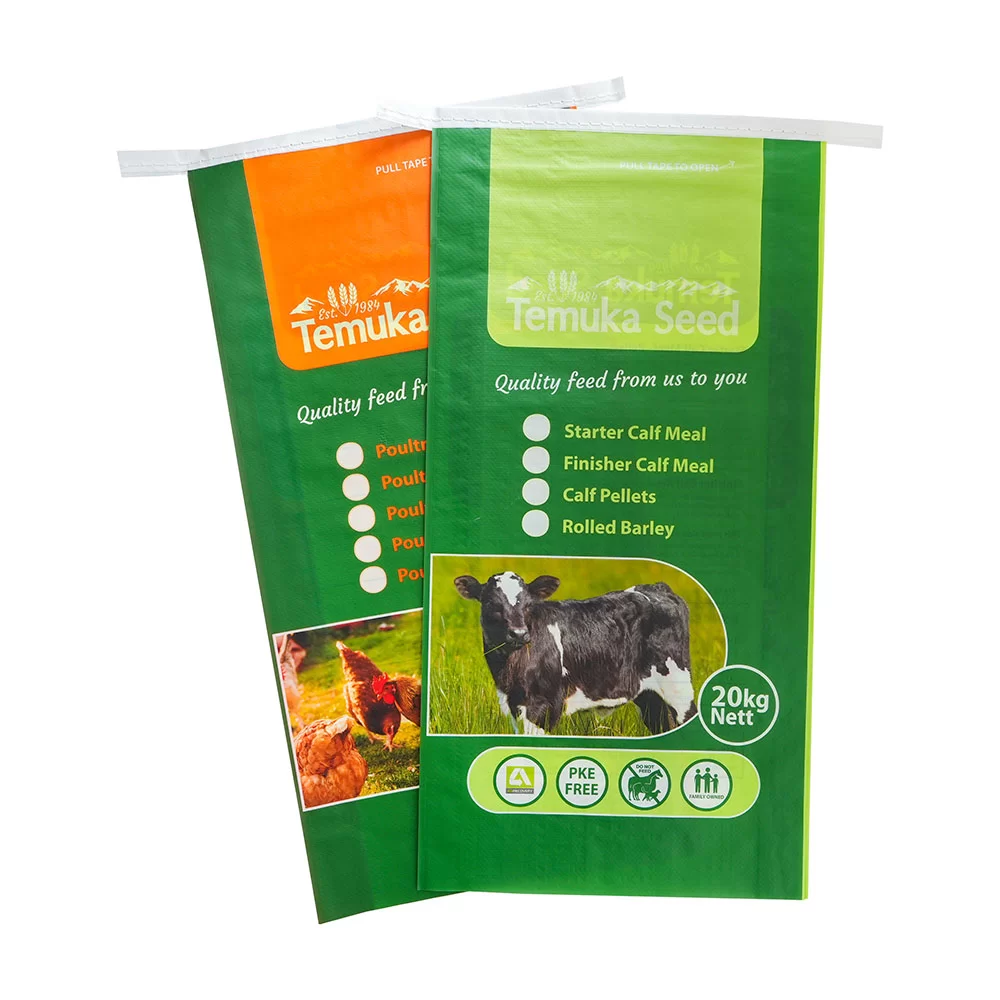
The versatility of the pp woven valve bag makes it indispensable across several heavy-duty industries. In the construction sector, it is the primary choice for cement and mortar packaging due to its ability to withstand heavy loads. In the chemical industry, these bags are used for resins, polymers, and various powdered additives. Additionally, the agricultural sector relies on them for seeds, fertilizers, and animal feed. The ability to customize the fabric's breathability and water resistance ensures that the bag is perfectly suited for the specific chemical properties of the contents.

Technical Specifications for PP Woven Valve Bags
When ordering a pp woven valve bag, it is critical to specify the technical requirements to ensure the packaging performs under stress. Parameters such as GSM (grams per square meter), weave density, and UV stabilization are vital. For bags exposed to sunlight during outdoor storage, UV additives are integrated into the polypropylene resin to prevent the fabric from becoming brittle. Below are the typical technical specifications found in high-quality industrial valve bags:
Environmental Impact and Sustainability
Modern industry is shifting toward a circular economy, and the pp woven valve bag is evolving to meet these needs. Polypropylene is a thermoplastic polymer, meaning it is 100% recyclable. Many companies are now implementing "closed-loop" systems where used bags are collected, cleaned, and pelletized to create new plastic products. By choosing high-quality, durable bags, companies can also reduce the frequency of bag failures and subsequent product loss, which directly lowers the environmental footprint of the logistics process.
How to Choose the Right Supplier for Your Packaging
Not all valve bags are created equal. When searching for a provider of pp woven valve bags, it is essential to verify their quality control standards. A reliable supplier should offer sample testing for burst strength and leak resistance. Furthermore, ensure the manufacturer uses high-grade virgin PP rather than recycled scrap for primary packaging, as the latter can have inconsistent strength and may contaminate sensitive chemical products. Customization options, such as BOPP printing for branding, also add significant value to your market presence.
Conclusion: Optimizing Your Logistics with PP Woven Valve Bags
The pp woven valve bag represents the perfect intersection of durability, automation, and cost-effectiveness. By eliminating the need for manual closures and providing a robust barrier against physical stress, these bags enable industrial operators to scale their production without compromising on quality. Whether you are optimizing for pallet efficiency or seeking a more sustainable packaging route, investing in professional-grade valve bags is a strategic move for any bulk material handler.
Frequently Asked Questions (FAQs)
What exactly is a "valve" in a PP woven valve bag?
A valve is a specially designed opening sewn into the side or top of the bag. During the filling process, a filling spout inserts into this valve and injects the material at high pressure. As the bag fills, the material eventually blocks the valve opening, which signals the machine to stop filling. This creates a self-sealing effect, eliminating the need for a separate sewing or gluing step after the bag is full, which significantly increases the speed of the packaging line.
Can these bags be used for liquids?
No, standard pp woven valve bags are designed specifically for dry, granular, or powdered materials. Because they are "woven," there are microscopic gaps between the threads that would allow liquids to leak. However, if your product is a very thick paste or if you use a heavy-duty internal plastic (PE) liner that is heat-sealed, you can provide a moisture barrier. For true liquids, specialized liquid packaging or IBC totes are recommended.
How do I prevent the bags from breaking during stacking?
To prevent breakage during stacking, focus on three factors: fabric GSM, weave density, and the shape of the bag. High GSM fabrics provide thicker walls that resist punctures. Additionally, the valve design ensures the bag fills into a brick-like shape rather than a round one, which distributes the weight evenly across the pallet. For extreme loads, we recommend using a laminated pp woven valve bag, as the coating adds an extra layer of structural rigidity and prevents the woven fibers from shifting.
Are valve bags more expensive than standard bags?
While the unit price of a valve bag may be slightly higher than a basic open-mouth bag due to the complex sewing of the valve, the total cost of ownership is usually lower. This is because you save significantly on labor costs and packaging time. The reduction in manpower required for sewing and the increase in palletization efficiency usually far outweigh the marginal increase in the price of the bag itself.



Hit enter to search or ESC to close


