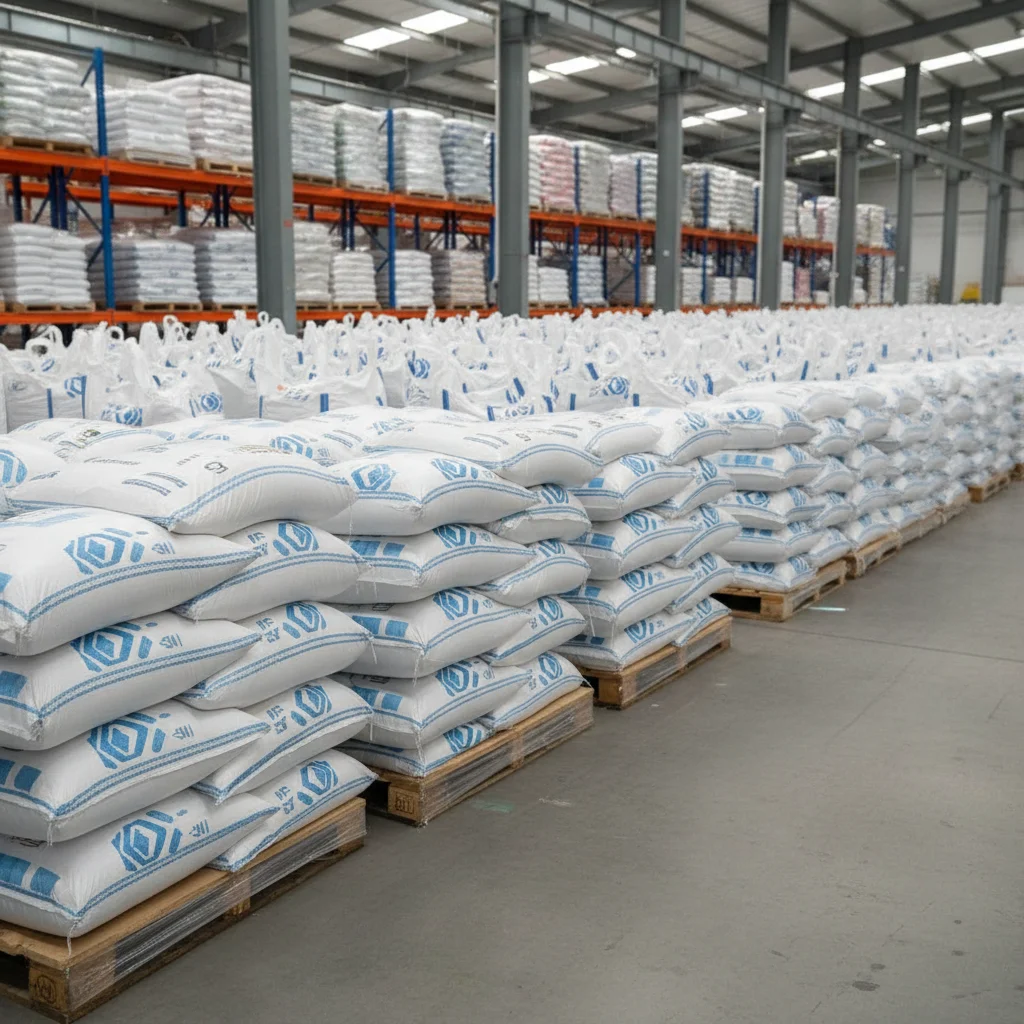
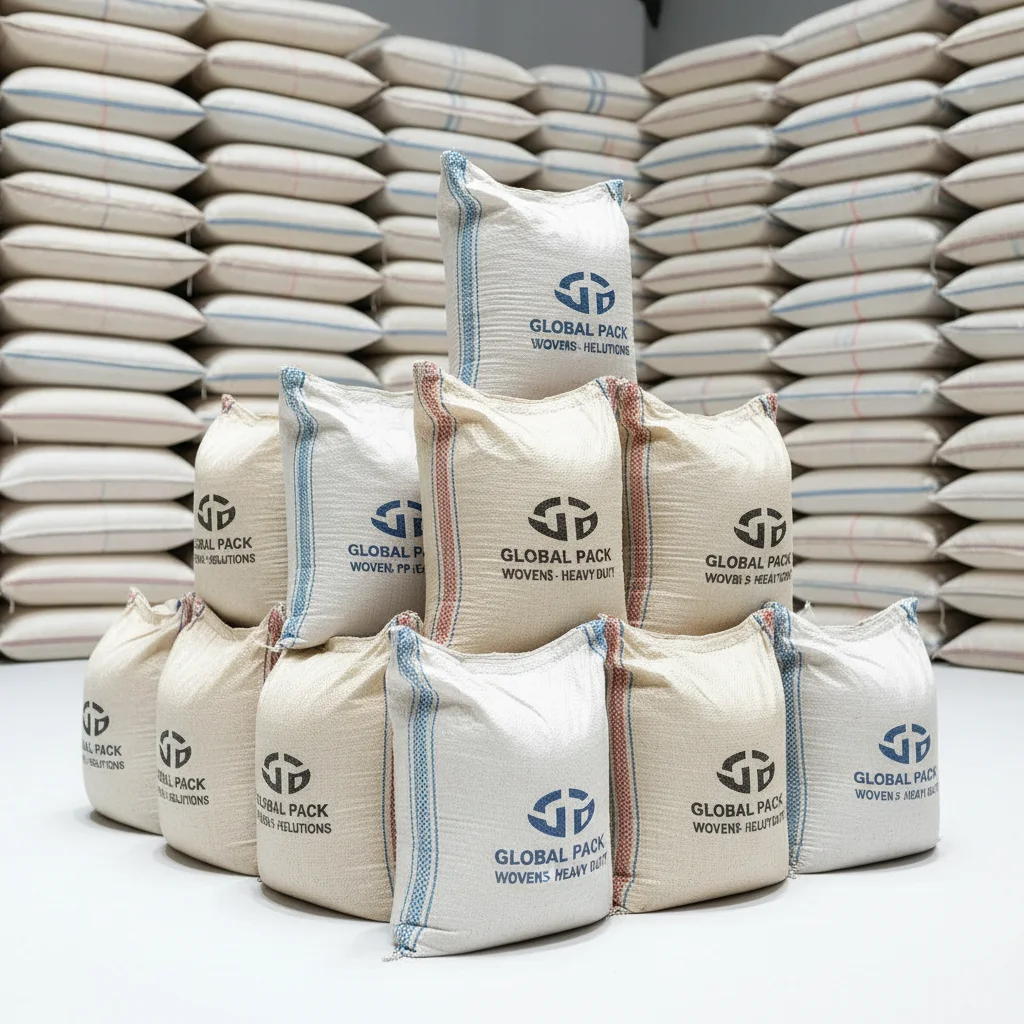
In the competitive landscape of industrial packaging, bopp woven bags have emerged as a gold standard for companies seeking a balance between rugged durability and high-end marketing appeal. By combining the structural integrity of polypropylene weaving with the clarity and printability of Biaxially Oriented Polypropylene (BOPP) film, these containers solve the age-old conflict between strength and aesthetics.
Globally, the shift toward these advanced packaging solutions is driven by the need to reduce product loss during transit and improve shelf presence in retail environments. Whether transporting agricultural grains, chemical powders, or animal feed, the integration of BOPP lamination provides a critical barrier against moisture and external contaminants, ensuring that the internal contents remain pristine from the factory to the end-user.
Understanding the technical nuances of bopp woven bags allows procurement managers and business owners to optimize their supply chains. By leveraging the high tensile strength of the woven base and the superior graphic capabilities of the outer film, brands can protect their cargo while simultaneously communicating their value proposition through vivid, photographic-quality imagery.

Global Relevance of BOPP Woven Packaging
The global demand for efficient bulk packaging has surged as international trade corridors expand, particularly in the agricultural and chemical sectors. bopp woven bags address a critical industry pain point: the vulnerability of traditional paper or simple plastic bags to tearing and moisture infiltration. According to industrial standards, maintaining the integrity of dry bulk goods is paramount to preventing waste and ensuring food security on a global scale.
In emerging economies, where logistics infrastructure may be underdeveloped, the sheer resilience of these bags is indispensable. They provide a reliable means of transporting high-value commodities across rough terrains and varied climates without risking the contamination or loss of the product. This reliability reduces the overhead costs associated with insurance and product replacement, making it a preferred choice for exporters.
Defining the Technical Structure of BOPP Woven Bags
To put it simply, bopp woven bags are composite packaging solutions consisting of a woven polypropylene (PP) fabric base laminated with a Biaxially Oriented Polypropylene (BOPP) film. The "woven" aspect refers to the interlocking threads of PP tape that provide the bag with immense tensile strength, preventing bursts even under heavy loads.
The BOPP film is the "magic" layer; it is stretched in two directions during production, which enhances its clarity, strength, and gloss. When this film is laminated to the woven fabric, it creates a moisture-resistant barrier and a smooth surface that allows for high-resolution rotogravure printing. This transformation turns a utilitarian industrial sack into a powerful marketing tool.
This synergy between the inner strength of the woven fabric and the outer protection of the BOPP film aligns with modern industrial needs for "smart packaging." It allows humanitarian organizations and commercial enterprises to ship bulk quantities of seeds, fertilizers, or resins with the confidence that the branding remains visible and the contents remain dry.
Core Components Driving Performance
Durability is the primary cornerstone of bopp woven bags. The interlaced PP tapes are engineered to resist punctures and abrasions, which is essential for products that are stacked high in warehouses or handled by automated machinery. This physical toughness ensures that the bag does not fail during the critical "last mile" of delivery.
The moisture barrier provided by the BOPP lamination is equally vital. By sealing the woven gaps, the film prevents water vapor and humidity from seeping into the product. This is particularly crucial for hygroscopic materials like fine chemical powders or animal feeds, where moisture can lead to clumping or spoilage, thereby preserving the product's quality.
From a commercial perspective, the printability of bopp woven bags offers unmatched scalability for branding. Companies can utilize photographic images and complex color palettes to differentiate their products on crowded retail shelves. This capability converts a simple shipping container into a primary touchpoint for consumer engagement.
Industrial Applications and Global Use Cases
In real-world contexts, bopp woven bags are utilized across a spectrum of high-demand industries. In the agricultural sector, they are the preferred choice for packing rice, flour, and pet food in Southeast Asia and Africa, where the bags must withstand extreme humidity and rough handling. The vivid graphics help consumers identify organic or premium brands instantly.
Beyond agriculture, the chemical and construction industries rely on these bags for transporting polymers, resins, and specialized mortars. In remote industrial zones, where specialized storage is unavailable, the protective layer of the BOPP film acts as a first line of defense against environmental degradation, ensuring that construction materials maintain their chemical properties until they are mixed and used.
Performance Analysis of Various BOPP Woven Bag Types
Long-Term Value and Economic Advantages
The adoption of bopp woven bags delivers tangible economic benefits by drastically reducing the "spillage rate" associated with lower-quality packaging. When a bag ruptures in a warehouse, the loss is not just the product itself, but the labor costs of cleanup and the potential danger posed to staff. The superior reliability of BOPP laminated bags minimizes these risks, creating a safer and more efficient operational environment.
From a branding perspective, the long-term value lies in the professional image projected to the customer. A high-gloss, brightly colored bag suggests quality and attention to detail, which builds trust and brand loyalty. This emotional connection, combined with the logical benefit of a durable container, allows companies to position their products as premium, often justifying a higher market price.
Future Innovations in Polypropylene Textiles
The future of bopp woven bags is leaning heavily toward sustainability and the circular economy. Research is currently focused on incorporating bio-based polymers and PCR (Post-Consumer Recycled) resins into the woven structure without sacrificing tensile strength. This evolution aims to reduce the carbon footprint of plastic packaging while maintaining the high-performance standards industry leaders expect.
Digital transformation is also entering the packaging space. We are seeing the integration of QR codes and RFID tags printed directly onto the BOPP film. This allows for real-time tracking of bulk shipments and provides consumers with instant access to product origin and certification data via their smartphones, enhancing transparency in the global supply chain.
Automation in the filling and sealing process is further optimizing the use of these bags. New machinery can now handle BOPP woven materials with greater precision, reducing waste during the bag-making process and increasing the speed of production. These technological leaps ensure that bopp woven bags remain the most viable solution for the next generation of industrial logistics.
Challenges and Strategic Solutions in Packaging
One of the primary challenges facing the industry is the perception of plastic waste. While bopp woven bags are incredibly durable, their composite nature—mixing woven PP and BOPP film—can make traditional recycling more complex than with mono-material bags. This has led to a call for more innovative separation technologies and improved collection systems.
To overcome this, manufacturers are implementing "design for recycling" principles. By optimizing the thickness of the BOPP layer and experimenting with compatible adhesive systems, it is becoming easier to process these materials in specialized recycling facilities. Furthermore, encouraging a "reuse culture" where these bags are repurposed for secondary storage extends their lifecycle and reduces immediate environmental impact.
Another challenge is the volatility of raw material prices for polypropylene. To mitigate this, strategic sourcing and the adoption of energy-efficient production methods are essential. By streamlining the manufacturing process and reducing scrap rates, producers can maintain stable pricing for their clients even when global resin markets fluctuate.
Comparative Analysis of BOPP Woven Bag Specifications
|
Bag Variant
|
Tensile Strength
|
Moisture Resistance
|
Print Clarity
|
| Standard BOPP Woven |
High |
Excellent |
High |
| Heavy-Duty Industrial |
Very High |
Good |
Medium |
| Premium Retail Gloss |
Medium |
Excellent |
Ultra-High |
| UV-Protected Woven |
High |
Good |
Medium |
| Anti-Static Laminated |
Medium |
Excellent |
High |
| Recycled Content Mix |
Good |
Medium |
Medium |
FAQS
The primary difference lies in the BOPP lamination. While standard PP woven bags are strong, they are porous and offer limited printing options. BOPP woven bags add a biaxially oriented film that provides a total moisture barrier and allows for high-resolution, photo-quality graphics, making them ideal for retail and high-protection needs.
Yes, the load capacity is adjusted by changing the "denier" or the density of the PP woven fabric. By increasing the weight of the fabric (GSM), manufacturers can create bags capable of holding everything from 5kg of premium pet food to 50kg of industrial resin, all while maintaining the BOPP outer layer.
They are highly suitable, especially when UV stabilizers are added to the polypropylene resin. The BOPP film protects the contents from rain and humidity, while the UV treatment prevents the plastic from becoming brittle when exposed to direct sunlight for extended periods.
Most high-quality BOPP woven bags use rotogravure printing. The design is printed onto the BOPP film first, and then the film is laminated onto the woven fabric. This ensures the ink is protected between the film and the fabric or on the outer surface, resulting in vibrant, smudge-proof images.
Polypropylene is a recyclable thermoplastic. While the lamination makes them more complex than single-layer bags, they can be recycled in facilities that handle mixed plastics. Many companies are now moving toward mono-material laminates to further simplify this recycling process.
Industries dealing with hygroscopic powders (like chemicals), animal feed, seeds, and premium grains benefit most. Any product that requires a combination of high burst strength and a moisture-proof seal—while needing to stand out on a retail shelf—is a perfect candidate for this packaging.
Conclusion
In summary, bopp woven bags represent the pinnacle of industrial packaging by seamlessly merging the structural resilience of woven polypropylene with the protective and aesthetic advantages of BOPP film. From reducing product loss in harsh logistics environments to elevating brand presence in the retail market, these bags provide a comprehensive solution that addresses both operational and commercial needs.
Looking forward, the integration of sustainable materials and digital tracking will only further enhance the value of this packaging technology. For businesses looking to optimize their supply chain and protect their brand integrity, investing in high-quality BOPP laminated solutions is a strategic move toward greater efficiency and market competitiveness. Visit our website: www.ssjtpack.com