
Industrial Woven Polypropylene Gunny Bags for Bulk Packaging
June 18, 2026
The Ultimate Guide to Woven Polypropylene Gunny Bags for Industrial Packaging
In the world of bulk material handling, reliability and durability are non-negotiable. woven polypropylene gunny bags have emerged as the gold standard for transporting everything from agricultural grains to industrial chemicals. These versatile packaging solutions combine the strength of synthetic polymers with a traditional weave pattern, ensuring that goods remain secure during long-distance transit. Whether you are managing a warehouse or exporting commodities globally, understanding the technical advantages of these bags can significantly reduce product loss and optimize your supply chain costs. In this guide, we will explore why these bags are superior to traditional jute and how to choose the right specifications for your needs.

What Exactly Are Woven Polypropylene Gunny Bags?
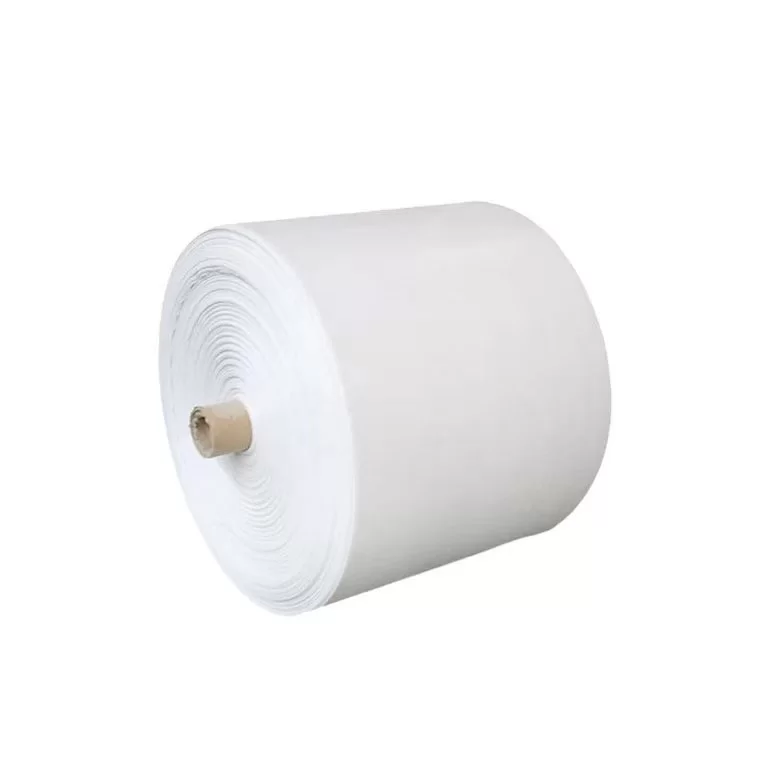
Unlike traditional gunny bags made from natural fibers like jute, woven polypropylene gunny bags are engineered from thermoplastic polymers. The process involves extruding polypropylene resin into thin tapes, which are then woven tightly together to create a high-strength fabric. This molecular structure provides an incredible strength-to-weight ratio, meaning the bags can carry heavy loads without adding significant weight to the shipping cost. Furthermore, the "woven" nature allows for a degree of breathability, which is critical for agricultural products that need to "breathe" to prevent mold and moisture buildup during storage.
Pro Tip: For products sensitive to moisture, these bags can be further enhanced with a PE (Polyethylene) lamination, making them completely waterproof and airtight.
Key Advantages of Using Woven Polypropylene Gunny Bags
The shift from natural fibers to synthetic polymers isn't just a trend; it's a response to the demands of modern logistics. The primary advantage of woven polypropylene gunny bags is their resistance to biological degradation. Unlike jute, polypropylene does not rot, mildew, or attract pests, making it the ideal choice for long-term storage in humid environments. Additionally, these bags exhibit remarkable tear resistance and can withstand significant stress during loading and unloading processes. They are also highly customizable in terms of size, color, and printing, allowing companies to brand their packaging for better market recognition.
Why Choose PP over Jute?
• Durability: Higher tensile strength and puncture resistance.
• Hygiene: Synthetic materials do not harbor fungi or insects.
• Cost: Generally more cost-effective to produce and transport.
• Weathering: UV-stabilized options protect contents from sunlight.
Comparing Woven Polypropylene Gunny Bags vs. Natural Jute
When deciding on packaging, it is essential to compare the performance metrics of synthetic versus natural materials. While jute has a traditional appeal, woven polypropylene gunny bags outperform them in almost every industrial category, especially regarding consistency and load-bearing capacity. The following table illustrates the stark differences in performance, helping you make an informed decision based on your specific shipping requirements.
Industrial Applications of Woven Polypropylene Gunny Bags
The adaptability of woven polypropylene gunny bags makes them indispensable across multiple sectors. In agriculture, they are used for rice, wheat, maize, and coffee beans. In the chemical industry, they provide secure containment for resins, fertilizers, and powdered polymers. Additionally, the construction sector relies on these bags for transporting sand, gravel, and cement. Because they can be manufactured with UV inhibitors, they are also used for outdoor storage, ensuring that the sun's rays do not degrade the bag material over time.

Technical Specifications for Woven Polypropylene Gunny Bags
When ordering bags from a supplier like SSJT Pack, it is crucial to specify the technical requirements to ensure the packaging matches the weight and nature of your product. Key factors include the GSM (Grams per Square Meter), which determines the thickness and strength, and the weave density. Below is a standard specification table for common industrial gunny bags to guide your selection process.
Sustainability and the Future of PP Packaging
A common concern with synthetic materials is environmental impact. However, woven polypropylene gunny bags are highly recyclable. Polypropylene is a thermoplastic, meaning it can be melted down and repurposed into new products, such as automotive parts or plastic lumber. By choosing reusable and recyclable PP bags over single-use plastic liners, companies can significantly reduce their carbon footprint. The industry is also moving toward "bio-based" PP, which aims to combine the strength of polymers with sustainable sourcing, ensuring that global trade remains efficient without compromising the planet.
Conclusion: Optimizing Your Logistics with PP Gunny Bags
Choosing the right packaging is more than just a logistical detail—it is a strategy for protecting your assets. The woven polypropylene gunny bags provided by industry leaders offer the perfect balance of strength, cost-efficiency, and versatility. From resisting moisture and pests to providing high tensile strength for bulk loads, these bags ensure your products reach their destination in pristine condition. Invest in high-quality PP packaging today to enhance your operational efficiency and safeguard your supply chain.
Frequently Asked Questions (FAQs)
Are woven polypropylene gunny bags reusable?
Yes, one of the primary benefits of woven polypropylene gunny bags is their exceptional durability, which allows them to be reused multiple times for various applications. Because they are resistant to tearing and chemicals, they can be emptied, cleaned, and refilled. However, the number of reuse cycles depends on the weight of the material stored and the intensity of the handling. For maximum longevity, it is recommended to avoid dragging the bags over sharp abrasive surfaces.
Can these bags protect my products from rain?
Standard woven bags are breathable, meaning they allow air to pass through, which is great for grains but not for rain. If you need waterproof protection, you should opt for "laminated" woven polypropylene bags. Lamination adds a thin layer of plastic film to the fabric, sealing the gaps in the weave and making the bag water-resistant. Alternatively, an internal PE liner can be added to create a complete moisture barrier, ensuring your products stay dry even in extreme weather conditions.
How do I choose the right GSM for my bags?
GSM refers to the weight of the fabric per square meter. A higher GSM generally indicates a thicker, stronger bag. For lightweight items (under 10kg), a lower GSM is sufficient and cost-effective. For heavy-duty industrial use (25kg to 50kg+), a higher GSM is required to prevent bursting under pressure. We recommend analyzing the density of your product and the method of transport; if you are using automated filling machines, a higher GSM provides the necessary structural integrity to withstand the rapid filling process.
Are PP bags safe for food packaging?
Yes, polypropylene is widely recognized as a food-safe material. When manufactured using virgin PP resin (rather than recycled plastics), woven polypropylene gunny bags are non-toxic and do not leach chemicals into the food. This is why they are the global preference for packaging sugar, flour, and rice. Always ensure your supplier provides food-grade certification to guarantee that the bags meet the health and safety standards of your target market.



Hit enter to search or ESC to close


