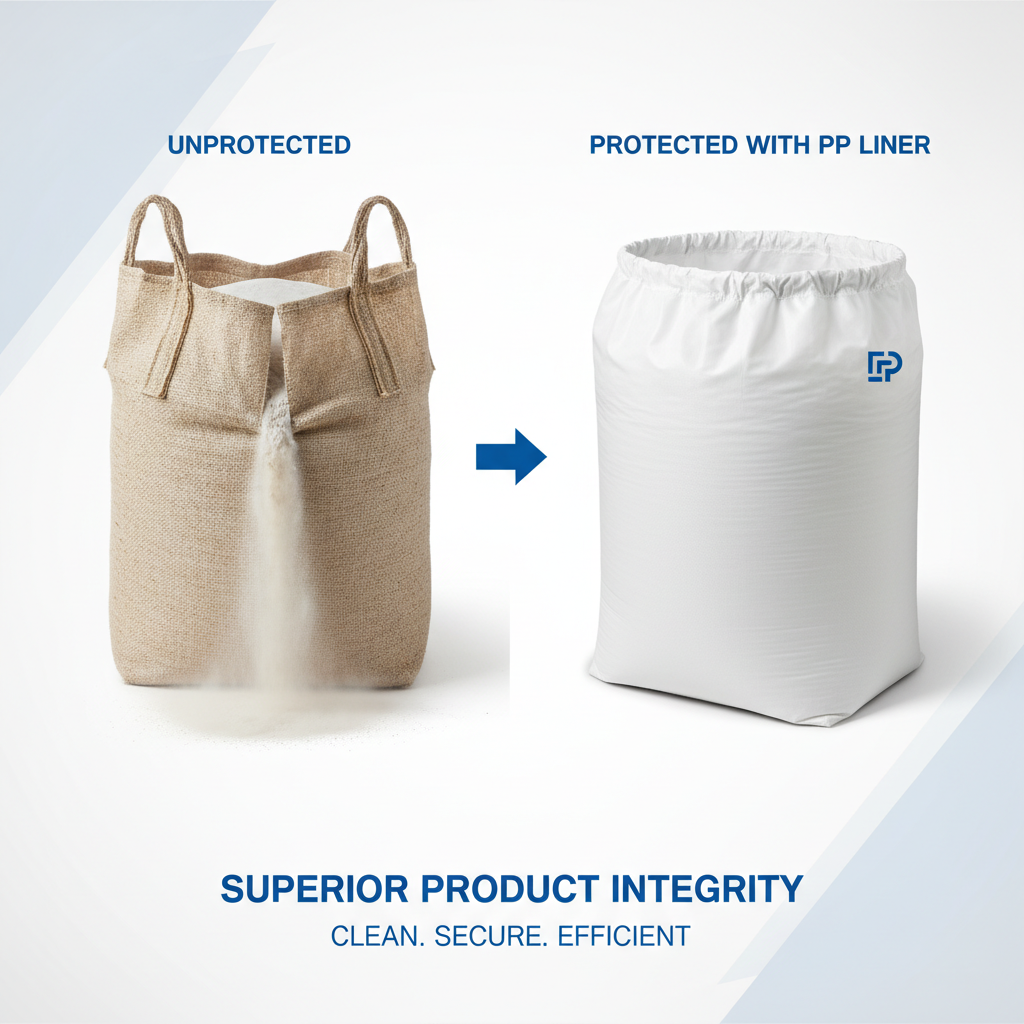

Polypropylene (PP) woven packaging represents the backbone of global industrial logistics, providing a critical balance of lightweight properties and immense tensile strength. For businesses transporting fine chemicals, agricultural grains, or building materials, selecting a reliable pp woven bags manufacturer is not merely a procurement task but a strategic decision to ensure supply chain integrity and product safety during transit.
The industrial demand for these containers stems from their ability to withstand extreme mechanical stress and environmental exposure. Whether utilizing virgin PP for high-purity requirements or customized laminated rolls for moisture protection, the technical specifications of the fabric directly impact the failure rate of the final packaging. Understanding the nuances between plain weave, circular woven structures, and various coating options is essential for optimizing the total cost of ownership in B2B packaging.
This guide provides a technical deep-dive into the selection criteria for heavy-duty woven containers, analyzing the trade-offs between breathability and barrier protection. By examining material grades, UV stabilization techniques, and manufacturing tolerances, procurement officers and engineers can better evaluate their suppliers to minimize waste and maximize load-bearing efficiency in diverse operational environments.
Industrial Packaging Fundamentals
At its core, PP woven fabric is created through the extrusion of polypropylene resin into thin tapes, which are then interlaced in a loom to create a high-strength textile. This structural design allows the material to distribute weight evenly across the surface, preventing ruptures under heavy loads. In the broader context of pp woven bags manufacturer operations, the precision of the weaving process determines the fabric's GSM (grams per square meter) and its subsequent resistance to abrasion. For sectors like mining or chemical processing, the fabric must act as a primary containment layer that prevents leakage while remaining flexible enough for automated filling lines. The transition from standard rolls to finished products like FIBCs (bulk bags) or valve bags requires a deep understanding of seam strength and structural integrity, ensuring that the packaging does not become the weakest link in the logistical chain.
Strategic Procurement of Woven Packaging
Selecting the right packaging substrate requires a multi-dimensional analysis of the product's physical properties and the environment in which it will be deployed. Rather than focusing solely on price, technical buyers should evaluate the synergy between material grade, weave density, and protective coatings to ensure long-term durability.
Material Grade and Composition
The use of 100% virgin polypropylene is critical for applications requiring high purity and maximum mechanical strength. Recycled materials, while cost-effective, often introduce inconsistencies in tape thickness and lower tensile strength, which can lead to unpredictable bag failures. For critical sectors like fine chemicals, virgin PP ensures that no contaminants leach into the product and that the structural integrity remains constant across large production batches.
| Material Type | Tensile Strength | Contamination Risk | Best Use Case |
|---|---|---|---|
| 100% Virgin PP | Ultra-High | Minimal | Fine Chemicals / Food Grade |
| Mixed Grade PP | Moderate | Low to Medium | General Industrial Waste |
| Recycled PP | Low to Moderate | Higher | Low-Value Bulk Transport |
| UV-Stabilized PP | High (Long-term) | Minimal | Outdoor Agricultural Storage |
| PE Laminated PP | High (Barrier) | Minimal | Powders and Fine Grains |
| BOPP Laminated PP | High (Aesthetic) | Minimal | Branded Retail Packaging |
Mechanical Strength and Load Capacity
Load-bearing capacity is determined by the weave type and the density of the PP tapes. Plain and circular woven fabrics are engineered to resist tearing and abrasion, which is vital for FIBCs that may be dragged or stacked in warehouses. Evaluating the "burst strength" of the fabric is a key metric; a higher GSM typically correlates with increased durability, although it may increase the overall weight and cost of the packaging.
Moisture Barriers and Lamination
The choice between uncoated and coated fabrics depends on the required breathability. Uncoated fabrics allow air circulation, making them ideal for agricultural products like potatoes or onions. Conversely, PE lamination creates a moisture barrier essential for powders and chemicals that are hygroscopic. BOPP lamination further enhances this by providing a smooth surface for high-resolution printing and superior adhesion, ensuring the brand image remains intact throughout the shipping process.
UV Stabilization for Outdoor Use
Polypropylene is naturally susceptible to degradation from ultraviolet radiation, which causes the material to become brittle and lose strength. To counteract this, UV inhibitors are incorporated during the extrusion process. For products stored in open-air environments or transported in open trucks, UV stabilization is a non-negotiable requirement to prevent catastrophic bag failure due to sunlight exposure over extended periods.
Customization of GSM and Width
Production efficiency relies on the precise matching of fabric roll dimensions to the bag-making machinery. Tailoring the GSM ensures that the bag is neither too heavy (wasting material) nor too thin (risking rupture). Hebei Shengshi Jintang Packaging emphasizes the importance of consistent width and tension across the roll to prevent downtime and waste during the automated cutting and sewing phases of bag production.
Environmental and Recyclability Factors
Sustainability is increasingly driving procurement decisions. PP is a 100% recyclable thermoplastic, which allows companies to implement circular economy practices. By sourcing fabric from manufacturers who utilize recyclable virgin resins, businesses can reduce their environmental footprint. Implementing scrap recycling programs during the bag-cutting process further optimizes material utilization and reduces overall industrial waste.
Evaluating Production Consistency
The variance in fabric quality can lead to significant waste rates in the production line. A professional supplier utilizes automated loom control and real-time inline inspection to eliminate weaving defects. When auditing a supplier, buyers should look for evidence of strict quality alerts and inventory control systems that ensure every roll produced meets the specified GSM and width tolerances, thereby reducing the failure rate of the finished bags.
FAQ
What is the primary difference between coated and uncoated PP woven fabric?
Uncoated fabric is breathable, allowing air to pass through the weave, which is essential for agricultural products that require ventilation. Coated fabric features a PE (polyethylene) layer that acts as a moisture barrier and increases overall strength, making it the preferred choice for chemicals, powders, and materials that must be protected from humidity.
How does UV stabilization prevent bag failure in outdoor settings?
UV stabilization involves adding specialized chemical inhibitors during the PP tape extrusion process. These additives absorb or block harmful ultraviolet rays, preventing the polymer chains from breaking down. Without this stabilization, PP fabric becomes brittle and prone to cracking when exposed to sunlight, drastically reducing its load-bearing capacity.
Can PP woven fabric rolls be used for high-resolution photographic printing?
Yes, provided the fabric is BOPP laminated. BOPP (Biaxially Oriented Polypropylene) creates a smooth, high-gloss surface that allows for precise, high-resolution photographic printing. This is far superior to printing directly on woven fabric, which often results in a textured or distorted image due to the weave pattern.
What factors should I consider when specifying the GSM for my bags?
Buyers should consider the total weight of the contents, the method of transport (e.g., forklift handling vs. manual carry), and the risk of abrasion. A higher GSM increases the burst strength and durability but increases the cost per unit. The goal is to find the minimum GSM that provides a safety margin above the maximum expected load to optimize cost-efficiency.
How do I evaluate if a supplier provides consistent fabric quality?
Look for suppliers who utilize automated loom control and real-time inline inspection systems. Ask for their internal waste rate statistics and quality alert protocols. A supplier that provides transparent order tracking and has a dedicated engineering team to adjust weave density and width based on your specific machine needs is generally more reliable.
Is all polypropylene woven fabric recyclable?
Generally, yes. Polypropylene is a thermoplastic, meaning it can be melted and reshaped. However, the ease of recycling can be affected by the type of lamination or coatings used. 100% virgin PP fabric is the easiest to recycle. Companies are encouraged to collect scrap fabric from their cutting processes and return it to recycling facilities to promote a circular economy.
References and further reading
- Polypropylene properties and industrial applications in polymer science.
- International standards for FIBC (Flexible Intermediate Bulk Containers) load testing.
- Guidelines for UV stabilization in thermoplastic packaging.
Related Articles